Is Facebook Marketplace Good For Selling Cars: Proven Strategy
Yes, Facebook Marketplace is a good option for selling cars, especially for private sellers. It offers a massive audience and a straightforward listing process, making it convenient and potentially faster than traditional methods. With a proven strategy, you can effectively reach buyers and get your car sold.
Selling your car can feel like a big task, right? You want to get a fair price without too much hassle. Many people wonder if a place like Facebook Marketplace, which they already use for everyday shopping, is a good spot to sell their car. It’s a common question, and understandably so! The good news is, it can be a fantastic tool. We’re going to walk through exactly how to make selling your car on Facebook Marketplace smooth and successful, even if you’ve never done it before.
Why Consider Facebook Marketplace for Selling Your Car?
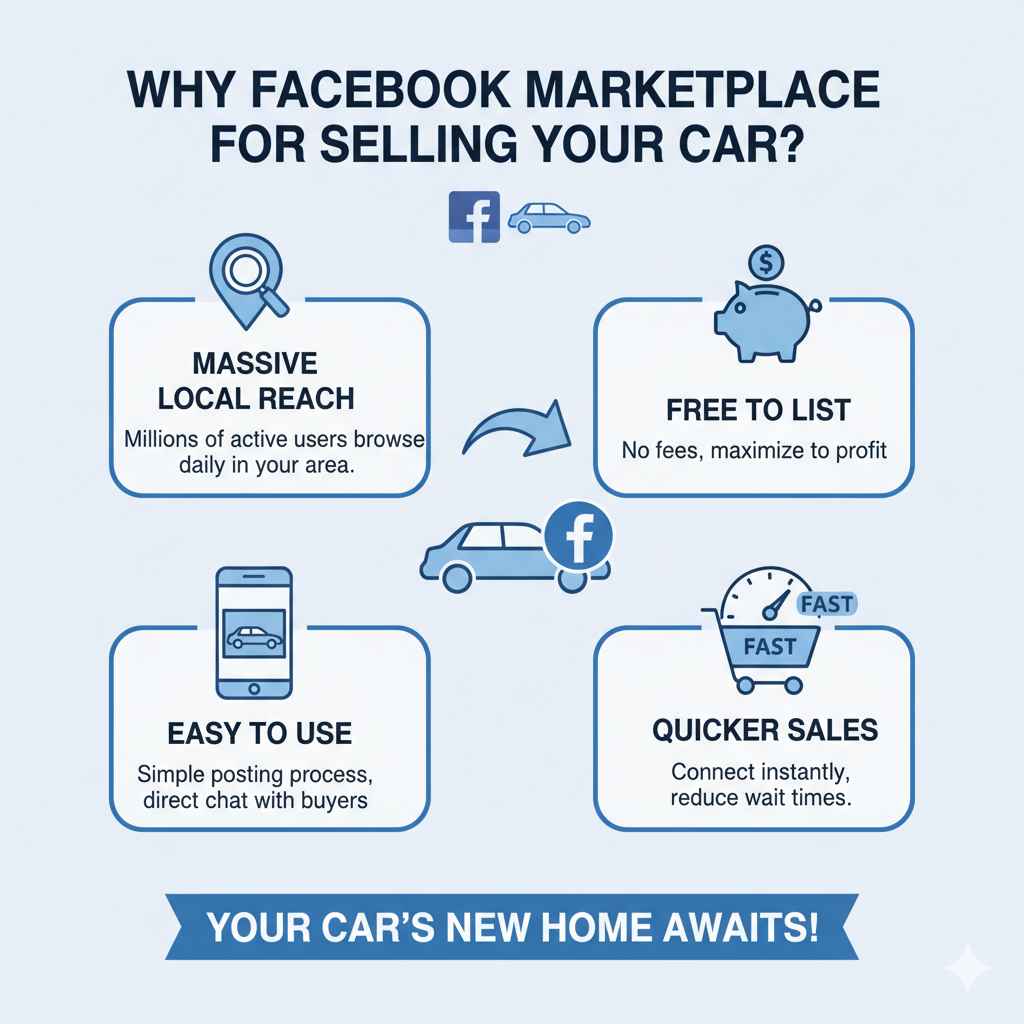
Facebook Marketplace has become a go-to platform for buying and selling all sorts of items, and cars are no exception. Think about it: millions of people are already scrolling through Marketplace regularly, looking for deals on everything from furniture to electronics. Your car could be right there in front of them! It’s free to list, easy to use, and connects you directly with potential buyers in your local area. This can often speed up the selling process compared to more traditional methods like newspaper ads or even some other online platforms.
Is Facebook Marketplace Good For Selling Cars: The Pros and Cons
Like anything, selling your car on Facebook Marketplace has its ups and downs. Understanding these can help you set realistic expectations and prepare accordingly. Let’s break it down:
| Advantages (Pros) | Disadvantages (Cons) |
|---|---|
| Massive Reach: Access to millions of local Facebook users. | Scammers and Time Wasters: You may encounter people who are not serious buyers. |
| Free to List: No costly fees to advertise your vehicle. | Local Focus: Primarily reaches buyers within your geographical area. |
| Easy to Use: Simple listing process directly from your account. | Negotiation: Expect haggling, which can sometimes be frustrating. |
| Direct Communication: Chat directly with interested buyers via Facebook Messenger. | Security Concerns: Meeting strangers for test drives requires caution. |
| Visual Appeal: Great for showcasing your car with plenty of photos and videos. | Competition: Many other vehicles are listed, so yours needs to stand out. |
| Local Buyers: Tends to attract buyers who are serious about seeing the car soon. | Lack of Professionalism: It’s a peer-to-peer platform, not a dealership. |
Proven Strategy: Your Step-by-Step Guide to Selling a Car on Facebook Marketplace
Ready to sell? Here’s a plan that works. Following these steps diligently will help you attract serious buyers and make the process as smooth as possible.
Step 1: Prepare Your Car for Sale
Before you even snap a photo, making your car look its best is crucial. This is where you show potential buyers that you cared for the vehicle.
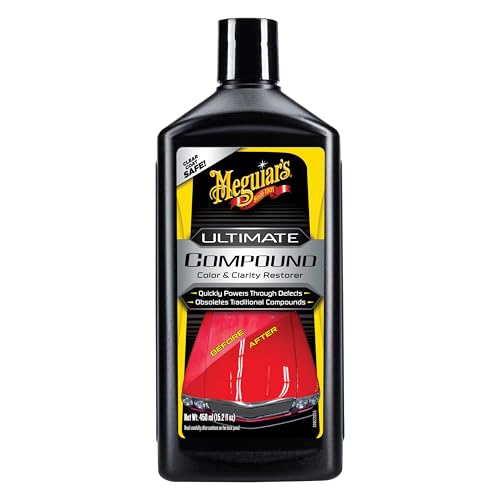
- Clean it Thoroughly: This is the most important step! Wash the exterior, wax it, and clean the wheels. Inside, vacuum carpets and seats, wipe down all surfaces, clean the windows, and make sure the trunk is tidy. A clean car signals a well-maintained car. You can even detail it yourself with a good quality car cleaning kit.
- Minor Repairs: Fix small, obvious issues. Replace burnt-out bulbs, touch up minor paint chips, and fix any squeaky hinges. These small fixes can make a big difference in a buyer’s perception.
- Gather Paperwork: Have your car’s title (if you own it outright), maintenance records, and bill of sale ready. Being organized shows you’re a serious seller. A clear title is essential for a smooth transfer of ownership.
- Check Tire Pressure and Fluids: Make sure your tires are properly inflated and essential fluids (oil, coolant, brake fluid) are at the correct levels. This shows the car is ready to go.
Step 2: Determine the Right Price
Pricing your car correctly is key to attracting buyers and getting a good offer. You want to be competitive but also get what your car is worth.
- Research Market Value: Use resources like Kelley Blue Book (KBB) or Edmunds to get an estimated value for your car based on its year, make, model, mileage, condition, and features.
- Check Competitors: Browse Facebook Marketplace and other local listings for similar cars. See what others are asking and what condition they’re in. This gives you a real-world understanding of the local market.
- Factor in Condition and Extras: If your car is in excellent condition, has low mileage, or includes desirable upgrades, you can price it at the higher end. If it needs work, adjust your price accordingly.
- Decide on Your Bottom Line: Have a price in mind that you’re willing to accept, but be prepared to negotiate.
Step 3: Take Amazing Photos and Videos
Your photos are your car’s first impression. High-quality, appealing pictures are essential to catch a buyer’s eye.
- Use Good Lighting: Shoot your photos during the “golden hour” (shortly after sunrise or before sunset) or on a bright, overcast day. Avoid direct harsh sunlight, which can create shadows.
- Showcase All Angles: Take pictures of the front, back, sides, and ¾ views from the front and rear.
- Interior Shots: Capture clear photos of the dashboard, front seats, back seats, the steering wheel, and the odometer. Show off any nice features!
- Details Matter: Include close-ups of the wheels/tires, the engine bay (if clean!), and any special features or recent upgrades. If there are any minor flaws you want to be upfront about, taking a photo of them can actually build trust.
- Consider a Video Walkaround: A short video where you walk around the car, open doors, start the engine, and highlight features can be incredibly helpful. Many buyers appreciate seeing more than just static images. For more tips on car photography, reputable sites like Edmunds offer excellent advice.
Step 4: Craft a Compelling Listing Description
Your description is your chance to tell your car’s story and provide all the necessary details.
- Be Honest and Detailed: Include the year, make, model, trim level, mileage, engine size, transmission type, and color.
- Highlight Key Features: Mention any desirable features like leather seats, sunroof, navigation, premium sound system, new tires, or recent maintenance.
- Explain Maintenance History: If you have service records, mention it. State if the car has been regularly maintained.
- Note Any Flaws (Transparency is Key): Be upfront about any known issues, even minor ones (e.g., a small dent, a worn tire). This builds trust and saves everyone time.
- Use Keywords: Include terms buyers might search for, like “fuel efficient,” “reliable,” “sporty,” “family SUV,” etc.
- Call to Action: Clearly state how you want buyers to contact you and what you expect (e.g., “Message me to schedule a viewing,” “Serious inquiries only”).
Step 5: List Your Car on Facebook Marketplace
Now it’s time to put it all together and go live!
- Log In to Facebook: Go to the Facebook Marketplace section.
- Click “Create New Listing”: Select “Sell” and then “Vehicles.”
- Fill in the Details: Upload your best photos and videos. Enter all the information from your description. Be precise with VIN, mileage, and condition selection.
- Set Your Price: Enter the price you decided on.
- Choose Your Location: Ensure your location is set correctly so local buyers can find you.
- Select Categories and Tags: Facebook will suggest categories and tags based on your car’s details. Use relevant ones to improve visibility.
- Review and Publish: Double-check everything for accuracy before hitting “Publish.”
Step 6: Manage Inquiries and Schedule Viewings
This is where you’ll interact with potential buyers. Professionalism and safety are paramount.
- Respond Promptly: Try to reply to messages as quickly as possible. Delays can mean lost sales.
- Be Prepared for Questions: Have answers ready for common questions about the car’s history, maintenance, and any issues.
- Filter Serious Buyers: If someone asks a question that’s already in the listing, or uses vague language, they might not be serious. Politely steer the conversation towards scheduling a time to see the car.
-
Schedule Viewings Safely:
- Meet in Public Places: Arrange to meet during daylight hours in a well-lit, public location. A busy shopping center parking lot, a police station parking lot, or even a dealership’s customer parking area can be good options.
- Bring a Friend: Never meet a buyer alone. Bring a friend or family member with you.
- Don’t Give Out Too Much Personal Info: Keep your home address private until you’re completely comfortable and have a firm commitment.
- Vehicle History Reports: For a small fee, you can offer a vehicle history report (like CarFax or AutoCheck) if buyers request one or if it’s a higher-value vehicle. This can build confidence.
Step 7: The Test Drive
This is a crucial step in the buying process.
- Accompany the Buyer: Always accompany the potential buyer on the test drive.
- Ensure They Have a Valid License: Before they get behind the wheel, politely ask to see their driver’s license. Take a picture of it if you feel comfortable doing so (though some buyers might object, assess the situation).
- Let Them Drive Freely: Allow them to experience the car on different types of roads if possible, within a pre-agreed route.
- Answer Questions: Be available to answer any questions they have during the drive.
Step 8: Negotiation and Closing the Deal
Once a buyer is interested, it’s time to talk price and finalize the sale.
- Be Firm but Fair: If you’ve priced your car correctly, you might not have a lot of room to negotiate. Be prepared to stand firm on your price if you feel it’s fair.
- Know Your Bottom Line: Don’t agree to a price you’ll regret.
- “As-Is” Sale: Most private car sales are conducted “as-is.” This means once the car is sold, it’s the buyer’s responsibility. You can state this clearly in your listing and in person.
-
Secure Payment:
- Cash is King: For smaller amounts, cash is often the simplest and safest method. Meet at a bank to verify funds.
- Certified Check/Cashier’s Check: These are generally safe, but be wary of scams. It’s best to have the check verified at the buyer’s bank or your own bank.
- Avoid Personal Checks or Wire Transfers: These are more easily faked or reversed.
- Do Not Hand Over the Title Until Funds are Cleared: This is critical.
- Bill of Sale: Always complete a bill of sale. This document serves as proof of the transaction and should include details like the buyer’s and seller’s names and addresses, the car’s make, model, year, VIN, mileage, sale price, and date of sale. Both parties should sign it, and each should keep a copy. Many government websites, like those from your state’s Department of Motor Vehicles (DMV), offer downloadable bill of sale templates (e.g., the <a href=”https://www.dmv.ca.gov/portal/vehicle-registration/title-transfers-and–ownership/selling-a-vehicle-california/” target=”_blank” rel=”noopener noreferrer”>California DMV provides one).
- Transferring the Title: Once you have secured payment, you will need to sign over the title to the buyer. Follow your local DMV’s specific procedures for transferring ownership.
- Remove Plates: In most areas, you’ll need to remove your license plates from the car after the sale. Check your local regulations.
Potential Pitfalls and How to Avoid Them
While Facebook Marketplace is a great tool, it’s not without its challenges. Being aware of common issues can save you a lot of headaches.
- Scammers: Be wary of buyers offering more than your asking price, asking for shipping arrangements you don’t want, or sending vague payment requests. Never share your bank account passwords or personal information beyond what’s necessary for a legitimate sale.
- Lowball Offers: Ignore or politely decline offers that are unreasonably low.
- “I’ll send a courier” Scams: This is a very common scam. A buyer will offer to send a courier to pick up the car and pay you. They will often ask for your bank information to “wire the money” or send a fake check for more than the sale price, asking you to send the difference back to them.
- Meeting Up: Always prioritize safety. Stick to public places and bring someone with you.
- Pressure Tactics: If a buyer pressures you to make a decision quickly or bypasses standard procedures, be cautious.
Alternatives to Facebook Marketplace for Selling Cars
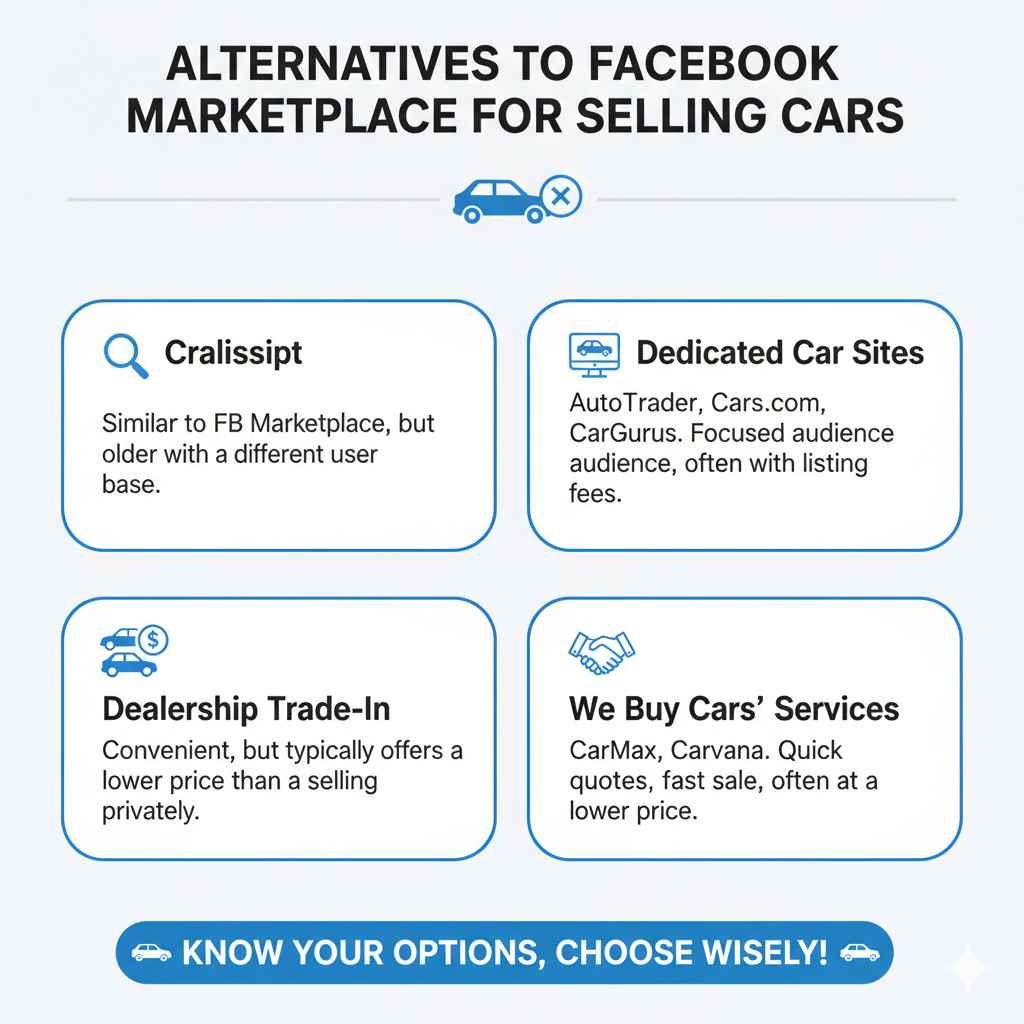
While Marketplace is great, it’s good to know your other options. For instance:
- Craigslist: Similar to Facebook Marketplace, but older and with a different user base.
- Dedicated Car Sites: Sites like AutoTrader, Cars.com, and CarGurus have a more focused audience of car buyers, but often have listing fees.
- Dealership Trade-In: Convenient but typically offers a lower price than selling privately.
- “We Buy Cars” Services: Companies like CarMax or Carvana offer quick quotes and purchase your car fast, but often at a lower price point than the private market.
- Local Dealerships: Some local dealerships will buy cars directly from owners.
For many sellers, Facebook Marketplace strikes a good balance between reach, ease of use, and no cost, making it a top choice for private sales.
Frequently Asked Questions (FAQ)
Q1: How long does it usually take to sell a car on Facebook Marketplace?
A1: This varies greatly depending on your car, its price, the season, and your location. A well-priced, popular car in good condition can sell in a few days. Older cars or those needing repairs might take longer. Being responsive and having great photos helps speed things up.
Q2: Should I accept a deposit on Facebook Marketplace?
A2: If you choose to accept a deposit, ensure it’s a non-refundable one if the buyer backs out. However, for private sales on Marketplace, it’s often better to wait until the final payment is secured rather than dealing with deposit disputes.
Q3: What if a buyer wants to pay with a personal check?
A3: It’s generally not recommended to accept personal checks. They can bounce, and by the time you realize it, the buyer may already have the car. Certified checks from a reputable bank or cash are much safer options.
Q4: Do I need to disclose everything about my car?
A4: Yes, transparency is key. While sales are typically “as-is,” deliberately hiding known major defects could lead to legal issues later. It’s best practice to be honest about any significant problems. Your listing description is the perfect place for this.
Q5: How do I handle potential buyers who message me constantly but never commit?
A5: For buyers who ask endless questions but don’t arrange viewings, politely give them a deadline. You can say something like, “I’m happy to answer questions, but I need to arrange viewings for serious buyers by [date/time]. Please let me know if you’d like to schedule a time then.