Is Hertz Selling Their EV Cars? 2026 Status Explained
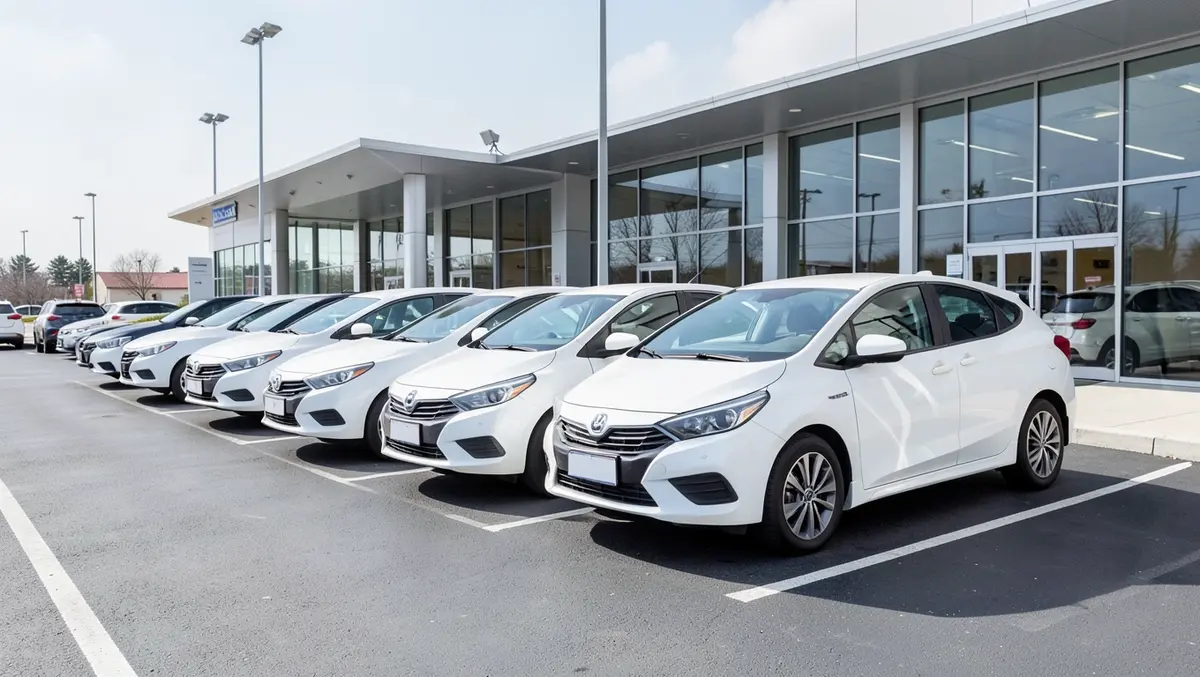
No, Hertz is not currently selling off large numbers of its electric vehicles. The company finished its major EV sell-off — roughly 30,000 vehicles, mostly Teslas — in early 2025 after taking billions in losses. As of 2026, Hertz keeps a smaller, rebalanced EV fleet in high-demand markets and has shifted its electric vehicle strategy toward managing autonomous robotaxi fleets for Uber rather than expanding EV rentals.
That is a big reversal from where the story started. In 2021, Hertz announced it would buy 100,000 Teslas, betting big that electric vehicles would become the future of car rental. It did not work out that way. Starting in January 2024, Hertz began unwinding that bet, and by early 2025 it had sold off tens of thousands of EVs at steep losses. Here is what actually happened, what Hertz’s EV fleet looks like today, and where the company is putting its electric vehicle strategy next.
Why Hertz Sold Off Tens of Thousands of EVs
Hertz first disclosed the sell-off in a January 2024 regulatory filing, saying it planned to sell around 20,000 electric vehicles from its U.S. fleet — a number that later grew to roughly 30,000 by the time the process wrapped up in 2025. The company gave three main reasons:
- Collision and damage repair costs roughly twice as high as a comparable gas-powered car, largely because EV body and battery repairs require specialized parts and technicians.
- Steep depreciation. Hertz estimated depreciation across its EV fleet reached around 89%, costing the company an average of about $537 per vehicle per month.
- Weaker-than-expected rental demand outside of customers who already owned an EV, plus falling used-Tesla prices that made the resold cars worth less than Hertz had planned for.
The financial hit was significant from the start. Hertz took a $245 million charge in its Q4 2023 earnings tied to the reduced value of the EVs it was preparing to sell, and then-CEO Stephen Scherr stepped down at the end of March 2024. Wayne “Gil” West, a former Cruise and Delta Air Lines executive, took over as CEO on April 1, 2024, and has led the company through the rest of the sell-off and its aftermath.
Timeline: Hertz’s EV Rise and Sell-Off (2021–2026)
| Date | What Happened |
|---|---|
| October 2021 | Hertz announces a plan to buy 100,000 Teslas, plus additional EVs from Polestar, Volvo, and GM. |
| January 2024 | Hertz files with regulators that it will sell about 20,000 EVs, citing repair costs, depreciation, and weak demand; takes a $245M charge. |
| March–April 2024 | CEO Stephen Scherr steps down; Wayne “Gil” West becomes CEO on April 1, 2024. |
| Through 2024 | The sell-off expands to roughly 30,000 EVs as Hertz continues offloading vehicles into its own used-car channels and third-party marketplaces. |
| February 2025 | Hertz confirms the 30,000-vehicle EV sell-off is complete; the company reports a $2.9 billion net loss for 2024, and shares fall on the news. |
| 2026 | Hertz launches Oro Mobility, a new operating unit that manages autonomous and driver-led vehicle fleets, with Uber as its first major partner. |
Is Hertz Still Renting or Selling EVs in 2026?
Yes, just at a much smaller scale than the 2021–2023 push. Hertz has been clear that it is not exiting electric vehicles entirely — it is rebalancing where they sit in the fleet. Tesla Model 3 rentals remain available at many major U.S. and international airports and cities, and Hertz has said it is concentrating a larger share of its remaining EVs in regions with stronger EV adoption and better charging infrastructure, such as California. The company has also worked with charging partners, including BP, to expand EV charging access at its rental locations.
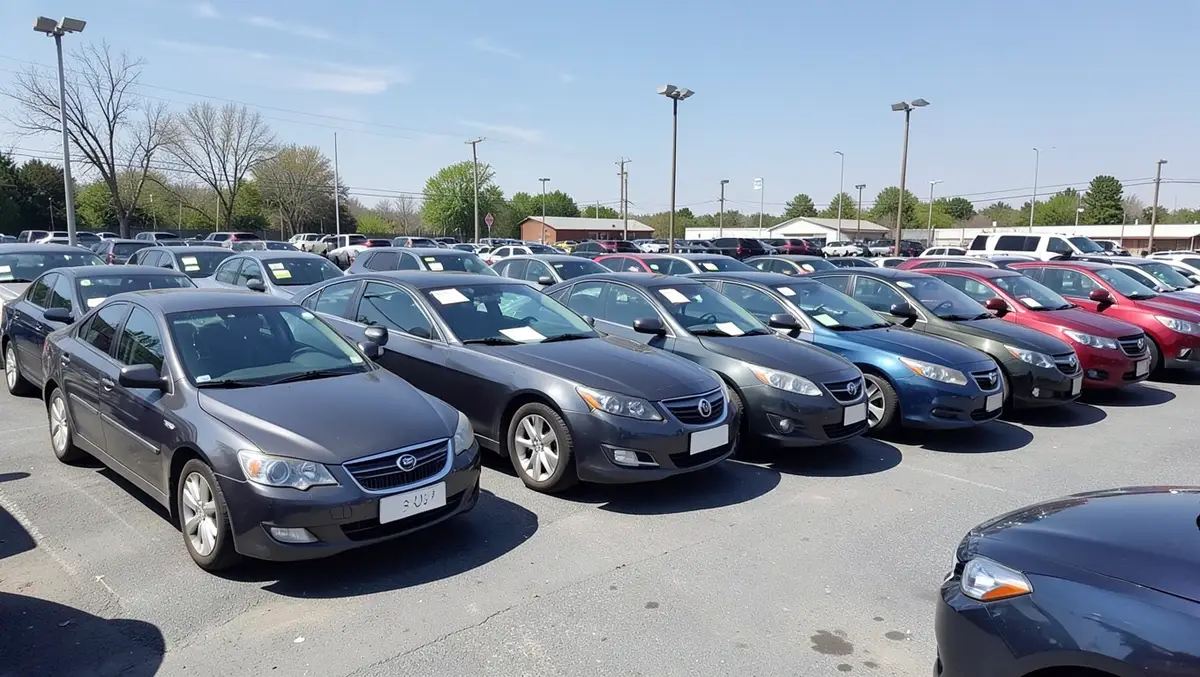
On the sales side, the vehicles Hertz sold during the 2024–2025 sell-off did not disappear — they moved through Hertz Car Sales, the company’s Rent2Buy program (which lets renters buy the car they are driving), and a newer partnership with Amazon Autos. Most of those cars were Teslas, and many were priced well below comparable new models, which also pushed down used EV prices across the broader market.
Hertz’s New EV Bet: Robotaxi Fleet Management, Not Rentals
Instead of walking away from electric vehicles after the Tesla losses, Hertz has redirected its EV strategy toward a different business entirely: managing autonomous vehicle fleets for other companies. In 2026, Hertz launched Oro Mobility, a new affiliated operating company built around exactly the kind of large-scale vehicle logistics Hertz already knew how to run — charging, maintenance, repairs, cleaning, and depot staffing — but applied to self-driving cars instead of rental customers.
Uber is Oro’s first major partner. Under the deal, Oro will operate and maintain a fleet of Lucid electric vehicles equipped with Nuro’s autonomous driving technology as part of Uber’s robotaxi program, with service expected to launch in the San Francisco Bay Area, and Hertz and Uber exploring further expansion in 2027. Uber has said it aims to deploy 20,000 or more Lucid vehicles with Nuro’s self-driving system over the next six years. For Hertz, it is a way to put its fleet-management expertise back to work on EVs, without repeating the depreciation and repair-cost problems that hit its rental business.
What This Means If You Are Renting or Buying From Hertz
- Renting a Tesla from Hertz is still possible in many locations, but availability is narrower than it was during the 2022–2023 peak, so it is worth checking ahead of time rather than assuming every location has EVs.
- Buying a used EV from Hertz can be a genuine bargain, since the company has been pricing off-lease Teslas and other EVs aggressively through Hertz Car Sales, Rent2Buy, and Amazon Autos — but shop around, since heavy fleet use can mean higher mileage than a typical used car.
- Hertz is not abandoning EVs, but its main electric vehicle bet going forward is on fleet management for autonomous vehicles like the Uber/Lucid/Nuro robotaxis, not on expanding its own rental EV inventory.
Frequently Asked Questions
Is Hertz Still Selling Off Its EVs in 2026?
No. The major sell-off — about 30,000 vehicles, mostly Teslas — was completed in early 2025. Hertz kept a smaller, rebalanced EV fleet after that and has not announced another large-scale sell-off since.
Why Did Hertz Get Rid of So Many EVs?
Hertz cited three main reasons: collision and damage repair costs roughly double those of comparable gas cars, steep depreciation (around 89% fleet-wide), and rental demand that fell short of what the company expected when it committed to 100,000 Teslas in 2021.
Is Hertz Dumping Tesla Completely?
No. Hertz significantly reduced its Tesla inventory, but Tesla Model 3s remain part of the rental fleet at many U.S. and international locations. Hertz has said it is keeping EVs concentrated in markets with stronger demand and better charging access.
Can You Buy a Used EV From Hertz?
Yes. Hertz sells former rental EVs, mostly Teslas, through Hertz Car Sales, its Rent2Buy program, and a partnership with Amazon Autos, often at prices below comparable new or lightly used models elsewhere.
What Is Hertz Doing With EVs Now Instead of Renting Them?
In 2026, Hertz launched Oro Mobility, a fleet-management business that handles charging, maintenance, and depot operations for autonomous vehicles. Its first major partner is Uber, for a robotaxi program using Lucid EVs equipped with Nuro’s self-driving technology, starting in the San Francisco Bay Area.
Bottom Line
Hertz’s EV story went from one of the largest single Tesla orders ever placed to a multi-billion-dollar sell-off in under three years. By 2026, the sell-off itself is over — Hertz kept a smaller, better-targeted EV rental fleet and is putting its fleet-management know-how to work managing autonomous vehicles for Uber instead of betting on EV rentals a second time. If you are shopping for a used EV, Hertz’s inventory is still worth a look; if you are renting one, just confirm it is available at your specific location first.
Products related to this article
Sponsored / affiliate links. As an Amazon Associate I earn from qualifying purchases. I may earn additional commission from eligible campaigns.