Is It Safe to Drive a Car With ABS Light On?
My heart skipped a beat the first time my car’s ABS light popped on. I was cruising down a quiet road, and that little yellow light started glowing like a warning beacon! If you’ve seen that light on your dashboard, you’re probably wondering, “Is it safe to drive a car with ABS light on?” Don’t worry—I’ve been there, and I’m here to help. In this article, I’ll explain what the ABS light means, whether it’s okay to keep driving, and how to handle it like a pro. From simple checks you can do yourself to tips for staying safe, I’ll break it all down in plain English. Let’s dive in and get that light sorted!
Quick Answer
Yes, but with caution. Your regular brakes still work when the ABS light is on, so you can drive short distances. But anti-lock protection is disabled, meaning hard braking on wet or slippery roads could cause your wheels to lock and skid. Get it checked as soon as possible — and stop driving immediately if the red brake warning light is on too.
What Does the ABS Light Mean?
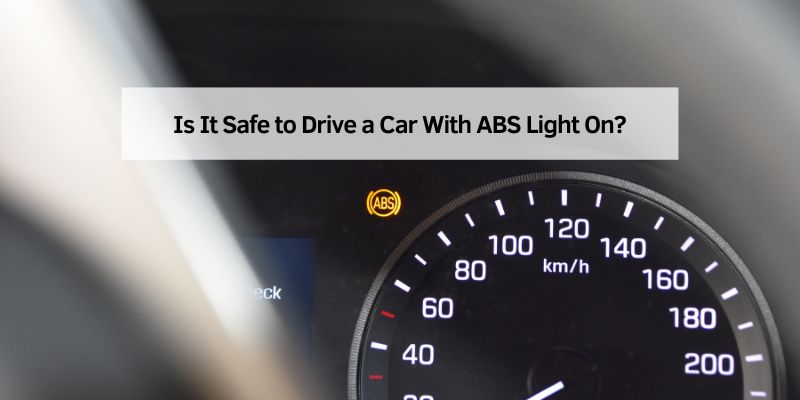
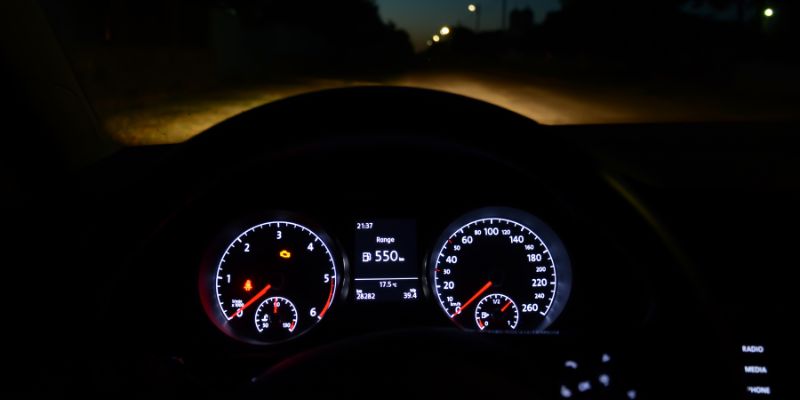
The ABS light is a small warning on your dashboard, often yellow or orange, with “ABS” written on it. It’s tied to your car’s anti-lock braking system, a cool safety feature that stops your wheels from locking up when you slam on the brakes.
Why Is the ABS Light Important?
The anti-lock braking system keeps your car steady during hard braking. Imagine hitting the brakes to avoid a deer—without ABS, your wheels might lock, making you skid. The ABS pumps the brakes super fast to keep your tires gripping the road. If the ABS light is on, something in that system isn’t working right.
Common Reasons the ABS Light Turns On
Lots of things can make that light glow. Here are the most common culprits:
- Low brake fluid: Your brakes need fluid to work smoothly. If it’s low, the ABS light might pop on.
- Bad wheel sensors: Each wheel has a sensor that tells the ABS how fast it’s spinning. Dirt or damage can mess them up.
- Faulty ABS module: This is the brain of the ABS. If it’s acting up, the light comes on.
- Blown fuse: A tiny fuse controls the ABS. If it’s fried, the system shuts down.
A table below sums up these issues and their fixes:
| Issue | What It Means | Fix |
|---|---|---|
| Low Brake Fluid | Not enough fluid for brakes to work well | Top up fluid, check for leaks |
| Bad Wheel Sensors | Sensors can’t track wheel speed | Clean or replace sensors |
| Faulty ABS Module | ABS brain isn’t working properly | Professional repair needed |
| Blown ABS Fuse | Fuse stops ABS from functioning | Replace fuse |
Table 1: Common ABS Light Causes and Fixes
Is It Safe to Drive With the ABS Light On?
Here’s the big question: can you drive with that light staring at you? The short answer is yes, but with caution. Your car’s regular brakes still work, so you can drive from point A to point B. But if you need to slam on the brakes, the ABS might not kick in, and that could mean trouble.
When It’s Okay to Drive
If the ABS light is on but your brakes feel normal, you can probably drive short distances. For example, I once drove a few miles to my mechanic when my ABS light came on, and it was fine. Just take it slow and avoid slippery roads.
When It’s Not Safe to Drive
If the ABS light and the brake warning light (usually red) are both on, stop driving. This could mean a bigger brake problem, like low fluid or a failing system. Pull over safely and call a tow truck.
Risks of Driving With the ABS Light On
Driving with the ABS light on isn’t a total disaster, but it’s risky in certain situations:
- Wet or icy roads: Without ABS, your wheels could lock up, making you skid.
- Emergency stops: If you slam the brakes, you might lose control without ABS.
- Long trips: The longer you ignore the light, the worse the problem might get.
What to Do When the ABS Light Comes On
Don’t panic if you see that light! Here’s a simple step-by-step guide to handle it like a champ:
- Check if the light is steady or flashing: A flashing light might just be the system testing itself when you start the car. If it stays on, there’s a problem.
- Test your brakes gently: Find a safe spot, like an empty parking lot, and press the brake pedal. If it feels normal, you’re probably okay for a short drive.
- Look for other warning lights: If the red brake light is on too, don’t drive. Call a mechanic.
- Drive to a shop: Head to a trusted mechanic as soon as you can. Avoid long trips or bad weather.
Our Pick: ABS Diagnostic Scanner
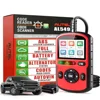
Autel AutoLink AL549 OBD2 Scanner (ABS Diagnostics)
Best for: Reading the exact ABS trouble code causing your light
Why we picked it: Reads ABS-specific codes, not just check-engine codes, so you know exactly what’s wrong before paying a shop.
Main drawback: More expensive than a basic engine-only code reader.
View Our Pick on Amazon
 Innova 5210 OBD2 Scanner Best for: A budget-friendly all-in-one scanner Check on Amazon |
 FOXWELL NT604 Elite (ABS/SRS/Transmission) Best for: Checking multiple systems beyond just ABS Check on Amazon |
 Prestone DOT 3 Synthetic Brake Fluid Best for: Topping off low brake fluid Check on Amazon |
How to Check the ABS System Yourself
You don’t need to be a car expert to do some basic checks. Here’s what I did when my ABS light came on, and it’s super easy:
Tools You’ll Need
- A flashlight (to check under the hood).
- A clean rag (to wipe sensors).
- Your car’s manual (to find the brake fluid reservoir).
Simple Checks to Try
- Check brake fluid: Pop the hood and find the brake fluid reservoir (your manual shows where). If it’s low, top it up with the right fluid. I once fixed my ABS light by adding a bit of fluid—piece of cake!
- Look at wheel sensors: These are near your tires. Use a flashlight to check for dirt or damage. A quick wipe with a rag might help.
- Restart the car: Sometimes, the light is a glitch. Turn the car off, wait a minute, and start it again.
| Check | How to Do It | What to Look For |
|---|---|---|
| Brake Fluid | Find reservoir, check level | Low fluid or leaks |
| Wheel Sensors | Look near tires, wipe with rag | Dirt, grime, or damage |
| System Reset | Turn car off, then on again | Light goes off |
Table 2: DIY ABS Light Checks
Fixing the ABS Light: Costs and Options
Fixing the ABS light can cost anywhere from $20 to $800, depending on the problem. Here’s a quick breakdown:
Note: a dirty wheel speed sensor can sometimes be cleaned, but if the sensor itself has failed (a much more common outcome), it needs to be replaced rather than cleaned — that job typically runs $150-$400 per sensor including labor.
| Repair | Average Cost | DIY or Pro? |
|---|---|---|
| Topping Up Brake Fluid | $20-$50 | DIY |
| Replacing ABS Fuse | $30-$100 | DIY or Pro |
| Cleaning Wheel Sensors | $50-$150 | DIY or Pro |
| Replacing a Wheel Speed Sensor | $150-$400 | Pro Recommended |
| New ABS Module | $500-$800 | Pro Only |
Table 3: ABS Repair Costs
Cost-Saving Tips
- Do simple checks yourself: Checking fluid or cleaning sensors can save you a trip to the shop.
- Shop around: Call a few mechanics for quotes. I saved $100 by comparing prices!
- Fix it early: Ignoring the light can lead to bigger, pricier problems.
Common Mistakes to Avoid
I’ve made some dumb moves with car issues, so let me save you the trouble:
- Ignoring the light: Don’t pretend it’s not there. It’s like ignoring a toothache—it’ll only get worse.
- Driving in bad weather: Wet or icy roads are risky without ABS. Wait for clear weather.
- Skipping professional help: If you’re not sure what’s wrong, don’t guess. A bad fix can mess up your brakes.
My Personal Tips for Staying Safe
After years of driving (and a few dashboard light scares), here’s what I’ve learned:
- Drive slower: Give yourself extra time to brake, especially if the ABS isn’t working.
- Keep more space: Stay farther from the car in front of you. It’s a lifesaver in emergencies.
- Check your manual: Your car’s manual is like a cheat sheet. It’ll tell you exactly what to do.
Why You Shouldn’t Ignore the ABS Light
The ABS light isn’t just a pesky glow—it’s a warning that your car’s safety system might not work when you need it most. According to the National Highway Traffic Safety Administration (NHTSA), ABS can reduce crash risks by helping you steer during hard braking. Ignoring the light could mean skidding in an emergency, especially on wet roads.
For more on brake safety, check out NHTSA’s guide or AAA’s car maintenance tips. If you’re curious about ABS repairs, Car and Driver has great articles on car systems.
Conclusion
The ABS light can be scary, but it’s not the end of the world. Your car’s brakes still work, but you need to be careful, especially in emergencies or bad weather. Try simple checks like looking at brake fluid or restarting the car. If the light stays on, get to a mechanic pronto. Don’t let a little light ruin your drive—fix it early and stay safe! Got a car story or a tip about handling dashboard lights? Share it in the comments or check your car today. Safe driving, folks!
Frequently Asked Questions
Is It Safe to Drive a Car With ABS Light On?
It’s usually safe for short drives if brakes feel normal, but be cautious. Without ABS, wheels might lock during hard braking, especially on wet roads. Get it checked soon to avoid risks.
What Causes the ABS Light to Come On?
Common causes include low brake fluid, dirty wheel sensors, a blown fuse, or a faulty ABS module. Simple checks like topping up fluid might fix it.
Can I Fix the ABS Light Myself?
You can check brake fluid or clean wheel sensors with a rag. For bigger issues like a bad module, a professional mechanic is best.
How Much Does It Cost to Fix an ABS Light?
Costs range from $20 for brake fluid to $800 for a new ABS module. Simple fixes like a fuse replacement are cheaper, around $30-$100.
What Happens if I Ignore the ABS Light?
Ignoring it increases skid risks in emergencies or bad weather. It could also lead to bigger brake problems, costing more to fix later.
Is a Flashing ABS Light Different?
A flashing light often means the system is testing itself when you start the car. If it stays on, it’s a real problem that needs checking.
Should I Drive if the Brake Light Is On Too?
No, don’t drive if both ABS and brake lights are on. This could mean a serious brake issue. Pull over and call a tow truck.
Products related to this article
Sponsored / affiliate links. As an Amazon Associate I earn from qualifying purchases. I may earn additional commission from eligible campaigns.