What Is the Safest Car? IIHS Top Picks and Rankings
Among 2026 IIHS winners, the safest buy is usually a Top Safety Pick+ model with strong crash scores, acceptable front-passenger protection, and standard automatic emergency braking. If you need the shortest answer, start with the highest-rated vehicle that fits your body style and budget. Pick the wrong trim, and you can lose rear-seat protection, standard driver aids, and money.
What does the IIHS mean by the safest car?
What the Insurance Institute for Highway Safety tests
The Insurance Institute for Highway Safety is a U.S. nonprofit safety organization and crash-test authority. For its Top Safety Pick awards, IIHS awards cars Top Safety Pick or Top Safety Pick+ based on crash and prevention performance. It also evaluates automatic emergency braking and headlight systems.
That matters because the list is not a simple “best car” trophy. It is a pass-through on specific tests, and IIHS updates ratings as new model-year results publish. The current 2026 list includes cars and SUVs from both 2025 and 2026 model years, which can make shopping confusing if you are comparing brochures from different calendar years.
How Top Safety Pick differs from Top Safety Pick+
Top Safety Pick is the lower of the two award tiers. Top Safety Pick+ appears to be the higher IIHS tier, and it is the one to prioritize if you want the strongest headline result from IIHS. Both require strong crash protection and prevention performance, but Top Safety Pick+ signals the stricter win.
That split matters more than the badge alone. A shopper comparing two similarly priced vehicles should treat Top Safety Pick+ as the stronger starting point, then check whether the trim includes the safety equipment that earned the award in the first place.
Why award tiers matter more than a single headline winner
There is no single absolute safest car for every buyer. A compact hatchback, a midsize sedan, and a three-row SUV solve different problems, and IIHS awards tell you which ones cleared the current bar. Start with fit first, then sort by tier, passenger load, commute, and budget.
📊 No minivans made the 2026 safest-new-cars list. Source: Safest New Cars of 2026, According to the IIHS.
Which 2026 IIHS winners are the strongest buys?
The strongest buys are the Top Safety Pick+ models first, especially where the body style, price band, and equipment line up with your use case. The 2026 list also includes Top Safety Pick winners that still deserve attention, but they sit one step below the plus-tier vehicles. Think fit first, then tier.
Top Safety Pick+ winners to put first
Several named winners stand out from the current list: the 2026 Toyota Prius earned Top Safety Pick+, the 2026 Toyota Camry earned Top Safety Pick+, the 2026 Mazda CX-5 earned Top Safety Pick+, and the 2026 Tesla Model Y is listed as a Top Safety Pick+ winner. Those are the cleanest starting points if your goal is to shop near the top of the current ranking. (consumerreports.org)
That does not mean they are automatically the best value for every buyer. A family that needs a low load floor and roomy rear seat may prefer one model, while a commuter who wants efficiency may prefer another. Awards are the filter, not the final answer.
Top Safety Pick winners that still deserve attention
The 2026 Honda Civic hatchback earned a Top Safety Pick award, which keeps it in the conversation for buyers who want a smaller car with a strong safety showing. It sits below the plus-tier winners, but it remains a notable option in a segment where price and size still matter.
That lower tier is useful when the rest of the package fits. If a buyer wants a hatchback, does not need the larger footprint of an SUV, and wants to stay in a tighter budget band, a Top Safety Pick winner may make more sense than stretching for a larger vehicle.
How to read the current winners list by body style
The current list spans sedans, SUVs, hatchbacks, EVs, and pickups, with cars and SUVs from both 2025 and 2026 model years. That mix is a reminder that “safest” is not a single-body-style answer. It is a matrix of class, trim, and which systems are standard.
| Model | Award tier | Body style | Starting-price band | Best-fit shopper use case | Why it made the list or where it may still fall short |
|---|---|---|---|---|---|
| 2026 Toyota Prius | Top Safety Pick+ | Hatchback | Under $30,000 band | Efficiency-focused commuter | Strong all-around safety result; compact footprint may limit rear-seat space. |
| 2026 Toyota Camry | Top Safety Pick+ | Sedan | Under $30,000 to mid-$30,000 band | Daily driver for mixed commuting and family duty | Plus-tier winner with broad appeal; sedan cargo space trails many SUVs. |
| 2026 Mazda CX-5 | Top Safety Pick+ | SUV | Mid-$30,000 band | Small-family crossover buyer | Strong award tier; smaller SUV format may not suit larger third-row needs. |
| 2026 Tesla Model Y | Top Safety Pick+ | EV SUV | Higher-price band | EV shopper who wants a utility shape | Top-tier result; buyers should confirm trim-level equipment and charging fit. |
| 2026 Honda Civic hatchback | Top Safety Pick | Hatchback | Under $30,000 band | Budget-minded small-car shopper | Solid safety score for the class; not the plus-tier winner. |

Which safest 2026 cars are under $30,000?
Consumer Reports says more than a dozen sedans and SUVs start below $30,000, so the safest 2026 shortlist is not confined to luxury vehicles. The best under-$30,000 choices are usually compact sedans, hatchbacks, and some smaller SUVs, but you still need to verify the trim, because award-winning equipment may not be standard on every version.
Best value zone for budget shoppers
The clearest named under-$30,000 safety pick in this guide is the 2026 Honda Civic hatchback, which earned Top Safety Pick. The 2026 Toyota Prius also belongs in the under-$30,000 conversation if your local pricing and trim mix line up with the lower band.
A common first-timer mistake is shopping only by base sticker and ignoring the equipment that helped the car earn the award. If a lower trim drops the headlights, braking package, or driver aids that the test assumed, the safety value changes fast.
Where a lower sticker price still comes with tradeoffs
Lower-priced winners can give up rear-seat room, cargo volume, or all-wheel-drive availability. They can still be excellent safety buys. They just solve a different problem than a bigger SUV or EV.
Are SUVs safer than sedans in the IIHS 2026 rankings?
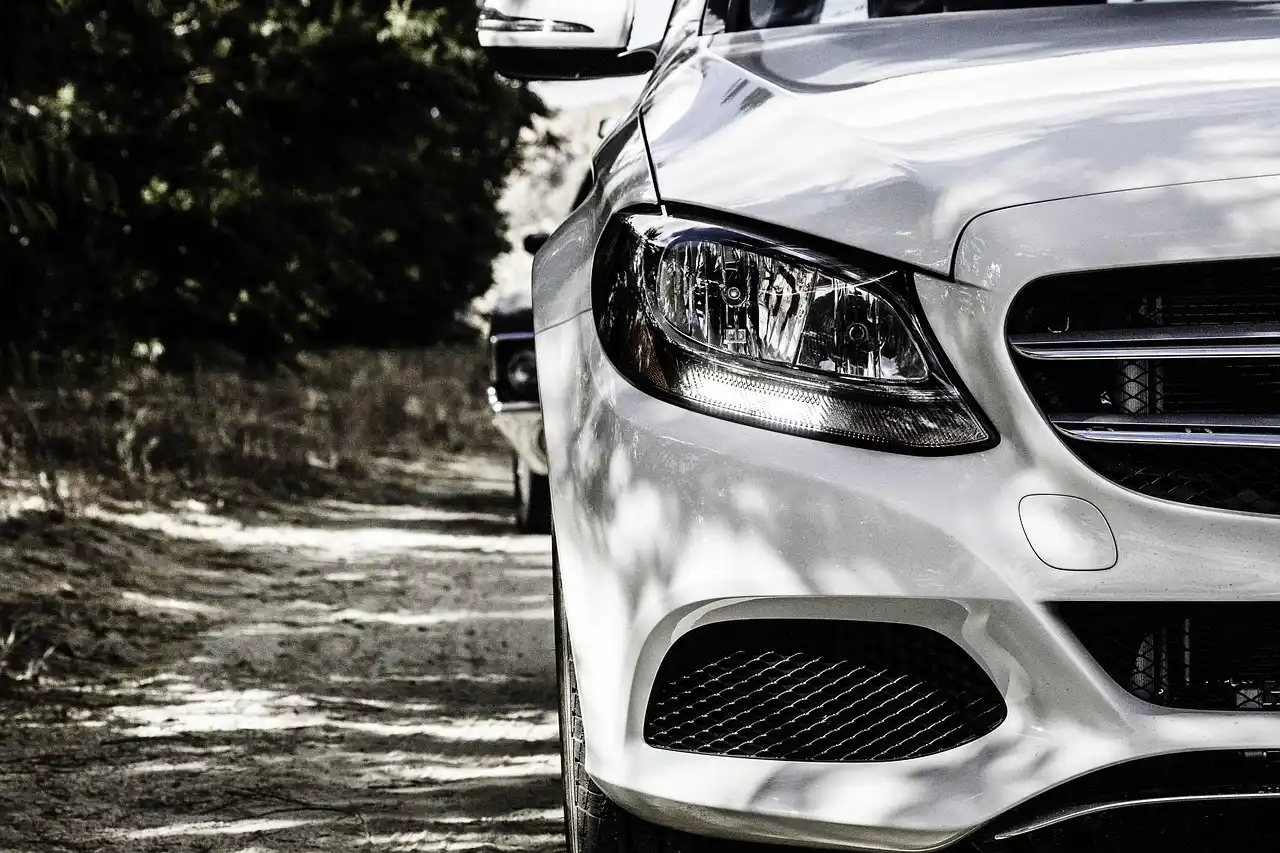
The 2026 IIHS rankings do not support a simple “SUVs are safer” rule. SUVs show up prominently, but sedans and hatchbacks also earn strong results. What matters most is the specific vehicle’s crash performance, prevention tech, and whether the trim includes the equipment the award depended on.
What the list says about SUVs versus cars
SUVs may feel reassuring because of their size, but IIHS awards are not handed out on height alone. The current list includes strong SUVs such as the Mazda CX-5 and Tesla Model Y, yet it also includes passenger cars like the Toyota Camry and Prius. That mix is the point.
Where hatchbacks and EVs fit in
Hatchbacks are useful when buyers want a smaller footprint without giving up cargo flexibility. EVs bring another layer: weight, battery packaging, and trim variation. The Model Y’s plus-tier result makes it a candidate for EV shoppers, but charging and feature packaging still matter.
Why body style alone should not decide the purchase
Body style can help you narrow the search, but it should not end it. The right family vehicle for a parent hauling child seats is not always the same as the right commuter car, even if both carry strong IIHS badges.
Why did some vehicles miss the list?
Some vehicles missed the list because IIHS now treats rear-seat crash safety as a key filter, and that cut out models that might have looked fine on older safety checklists. Automatic emergency braking and headlight performance also matter, so a weak result in either area can block an award even if the rest of the vehicle looks strong.
Rear-seat crash safety and the 2026 cutoff
No minivans made the 2026 safest-new-cars list, largely because of rear-seat crash safety performance. That is an important shift for family buyers, because minivans are often bought specifically for second- and third-row passengers. A vehicle can no longer rely on front-row protection alone.
Automatic emergency braking and headlight misses
IIHS evaluates automatic emergency braking and headlight systems. If a vehicle misses on those items, it may lose the award even if its structure is good. That is one reason the list is useful: it pushes shoppers to look beyond a generic “safe” label.
Why no minivans appeared this year
The absence of minivans is not a sign that every minivan is unsafe. It means the current 2026 list did not clear the IIHS bar for this cycle, and the rear-seat results were a major reason. Families shopping for sliding doors need to compare the latest results carefully, not assume prior-year status carries over.
How do Consumer Reports safety verdicts add context?
Consumer Reports says its safety verdict uses IIHS crash-test results plus CR braking, handling, and controls evaluations. That makes it a useful second filter, especially when two IIHS winners look close on paper. It is not a replacement for IIHS, but it can help explain which car may be easier to live with.
What Basic, Better, and Best mean in practice
Consumer Reports typically sorts its verdict into Basic, Better, or Best. In practice, that can separate a car with strong crash results but clumsy controls from one with similar crash results and more confidence-inspiring everyday behavior. The verdict adds usability context that IIHS does not attempt to cover.
When a CR verdict can separate two close IIHS winners
Suppose two SUVs both earn strong IIHS results, but one has better braking feel and clearer controls. Consumer Reports may rate that one higher for the way the vehicle behaves in routine driving. That is useful if you care about more than crash structure and want fewer frustrations after the purchase.
Which brands have the most 2026 IIHS winners?
Brand concentration is worth a look, but it should not become a buying rule. A brand with multiple winners usually shows depth in safety engineering and trim packaging, yet the best individual model can still come from a brand with fewer total winners. Compare the vehicle, not the logo.
How to read brand concentration without turning it into a buying rule
If one brand places several models on the list, that tells you its lineup is likely doing something right in current crash and prevention testing. It does not guarantee the right size, price, or feature set for your needs. A repeat winner is useful; it is not a shortcut around a test drive and spec check.
What repeat winners can tell you about lineup depth
Repeat winners often point to shared platforms, common safety equipment, and standardized driver aids across a lineup. That can help shoppers trust the brand’s safety baseline. Still, trim-level details matter more than badge loyalty.
Frequently asked questions
what is the safest car in 2026
There is no single safest car for every buyer. Among 2026 IIHS winners, the safest answer is usually the highest-rated Top Safety Pick+ model that matches your body-style needs, budget, and trim equipment. The current list includes cars, SUVs, hatchbacks, EVs, and some mixed model years.
Which cars got IIHS Top Safety Pick+ in 2026?
Named Top Safety Pick+ winners in this guide include the 2026 Toyota Prius, 2026 Toyota Camry, 2026 Mazda CX-5, and 2026 Tesla Model Y. The list also changes as IIHS publishes new results, so shoppers should check the latest model-year rating before buying.
What does IIHS Top Safety Pick mean?
Top Safety Pick is IIHS’s lower award tier. It means the vehicle met the organization’s standards for crash protection and prevention performance, including testing for automatic emergency braking and headlights. Top Safety Pick+ is the higher tier and is the better headline result.
Which brands have the most IIHS Top Safety Pick winners in 2026?
Brand totals can suggest lineup strength, but they should not replace model-level comparison. A brand with multiple winners may have more consistent safety equipment across its range, while a single standout from another brand may still be the better buy for your price band and body style.
Products related to this article
Sponsored / affiliate links. As an Amazon Associate I earn from qualifying purchases. I may earn additional commission from eligible campaigns.