Is Mold in a Car Dangerous? Health Risks, Signs & Removal
Yes, mold in a car is dangerous. It can trigger allergic reactions and breathing problems, and it slowly rots seats, carpet, and dashboard trim.
A musty smell when you get into your car is usually the first clue. Mold needs three things to grow: moisture, warmth, and something organic to feed on, and a closed-up car with a damp floor mat or a wet umbrella provides all three. Left alone, it spreads into the carpet padding, the seat foam, and the air conditioning system, where it’s much harder to reach.
Below, we cover exactly how dangerous car mold is for your health, how to spot it early, and how to remove it safely without making the problem worse.
How Mold Grows in a Car
Mold grows in a car because of trapped moisture, not dirt. Wet clothes, a soaked umbrella, or a spilled drink that never fully dries can seed a colony within a few days in warm weather. A worn door or window seal that lets rainwater seep in is one of the most common hidden causes, since the water collects under the carpet where nobody looks. Cars parked in humid climates or left closed up in the sun face the same risk, because condensation builds up on the inside of the glass and drips down into the upholstery.
Mold favors places that stay damp and dark longer than the rest of the cabin: under the floor mats, inside the seat foam, in the trunk carpet, and inside the air conditioning evaporator and vents. If your car has ever flooded, even briefly, assume mold is growing somewhere you can’t see it.
Health Risks of Mold Exposure in a Car
The CDC and EPA both list the same common reactions to mold exposure in otherwise healthy people: a stuffy or runny nose, throat irritation, coughing, wheezing, burning eyes, and skin irritation. A car’s cabin is a small, sealed space, so airborne mold spores can build up to a higher concentration there than they would in a room the same size with normal airflow.
The risk is higher for a few groups: people with asthma or existing allergies can have more frequent or more severe attacks, and people with a weakened immune system or chronic lung disease can, in rare cases, develop an actual lung infection from mold exposure. Children and older adults tend to react more strongly as well. Certain species, including toxin-producing black mold (Stachybotrys chartarum), are more likely to cause a serious reaction in sensitive people, though any mold species can cause symptoms.
If anyone who regularly rides in the car has unexplained sneezing, coughing, or a skin rash that clears up when they’re away from the vehicle, mold is worth ruling out.
CONFIRM IT BEFORE YOU TREAT IT
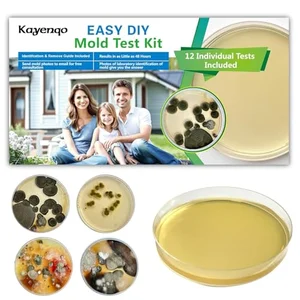 |
Mold Test Kit for Home – $26.09 A musty smell isn’t proof of mold — this kit lets you sample your car’s seats, carpet, and vents and confirm what you’re dealing with before you buy a treatment.
|
How Mold Damages a Car’s Interior
Beyond health, mold slowly ruins the materials it grows on. Fabric and leather seats can rot and weaken, carpet padding breaks down, and plastic trim can discolor and warp under sustained moisture. Once mold has taken hold, it also leaves a musty odor that soaks into cloth, headliners, and even clothing, and that smell is one of the hardest things to fully remove — simply masking it with an air freshener won’t work. Left untreated long enough, interior mold damage can noticeably lower a car’s resale value.
How to Tell If Your Car Has Mold
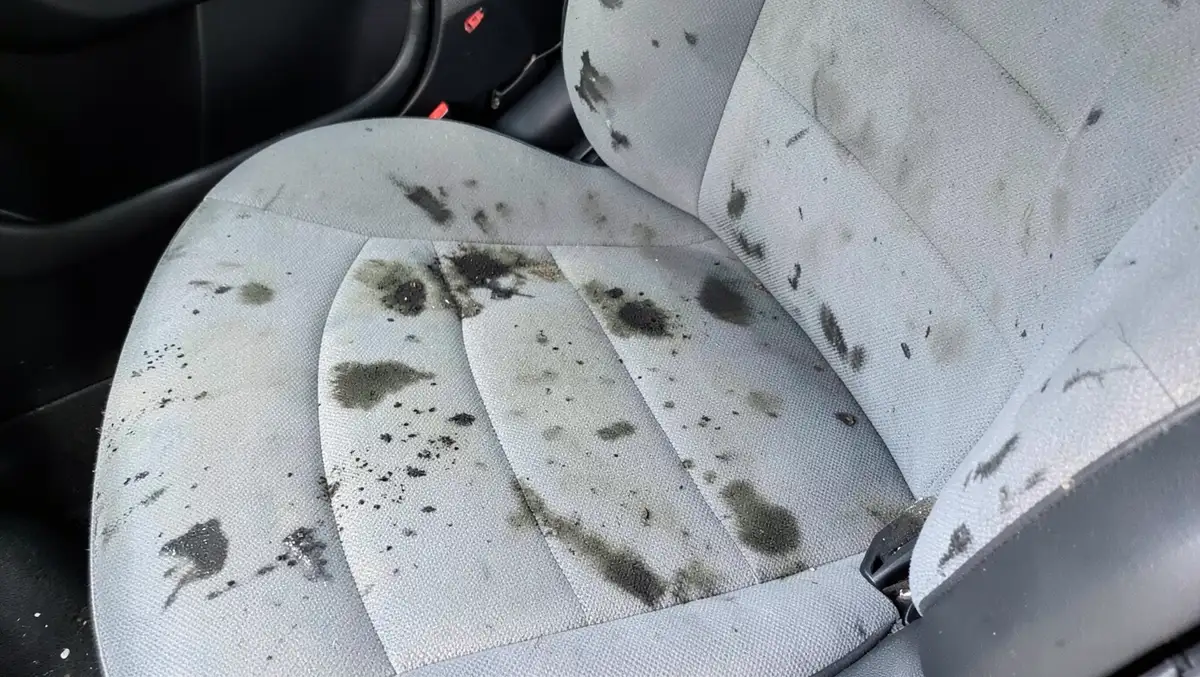
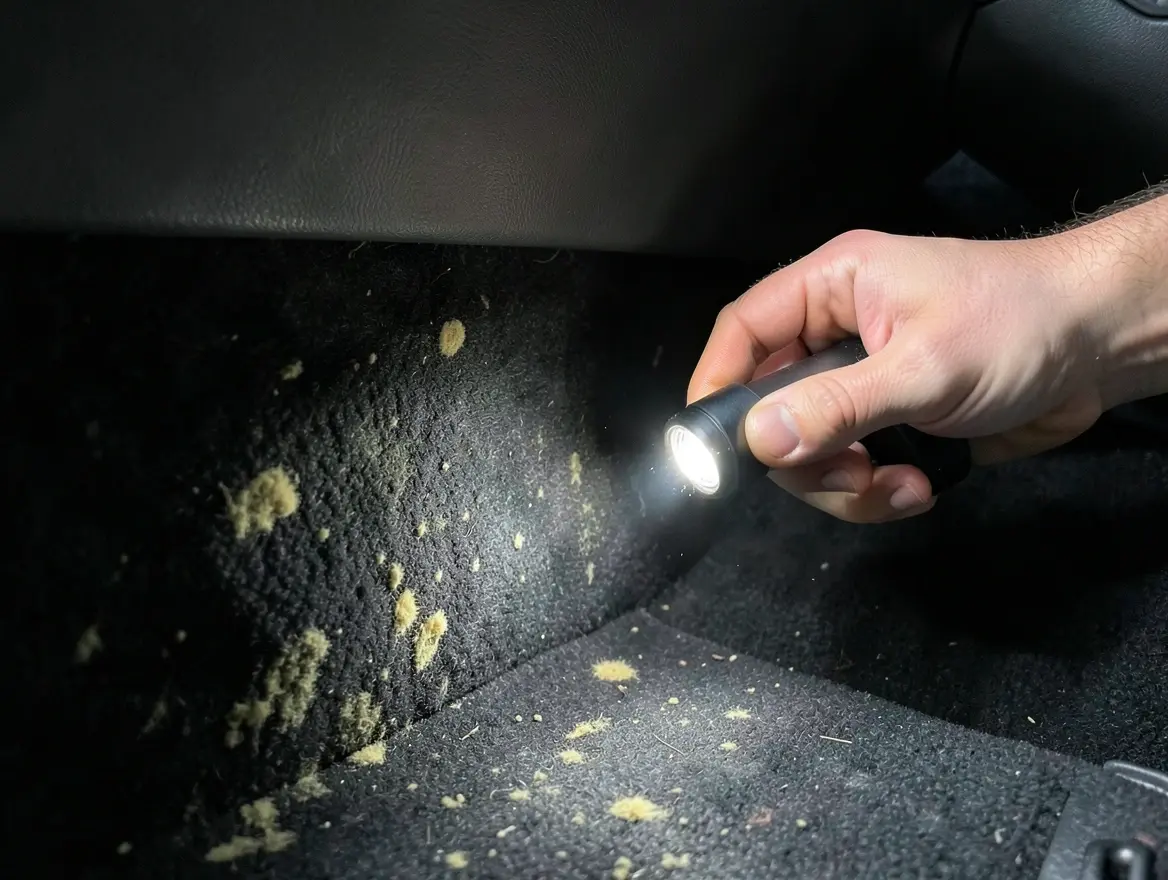
A musty, damp smell — similar to wet laundry left in the washer too long — is usually the first sign, and it’s often noticeable before you can see anything. Visually, look for green, black, or white fuzzy spots on seats, carpet, and floor mats, and check under the mats and seat edges with a flashlight, since mold tends to grow in spots that stay shaded. Windows that fog up more than usual, even in mild weather, can point to excess cabin humidity that’s feeding mold growth somewhere out of sight.
If you can’t find a visible spot but the smell persists, check the air conditioning vents and cabin air filter — a musty AC smell that appears when you first turn the system on is a classic sign of mold growing in the evaporator housing. A DIY mold test kit can also confirm whether what you’re smelling is actually mold, and where it’s concentrated, before you commit to a cleaning method.
How to Remove Mold From a Car
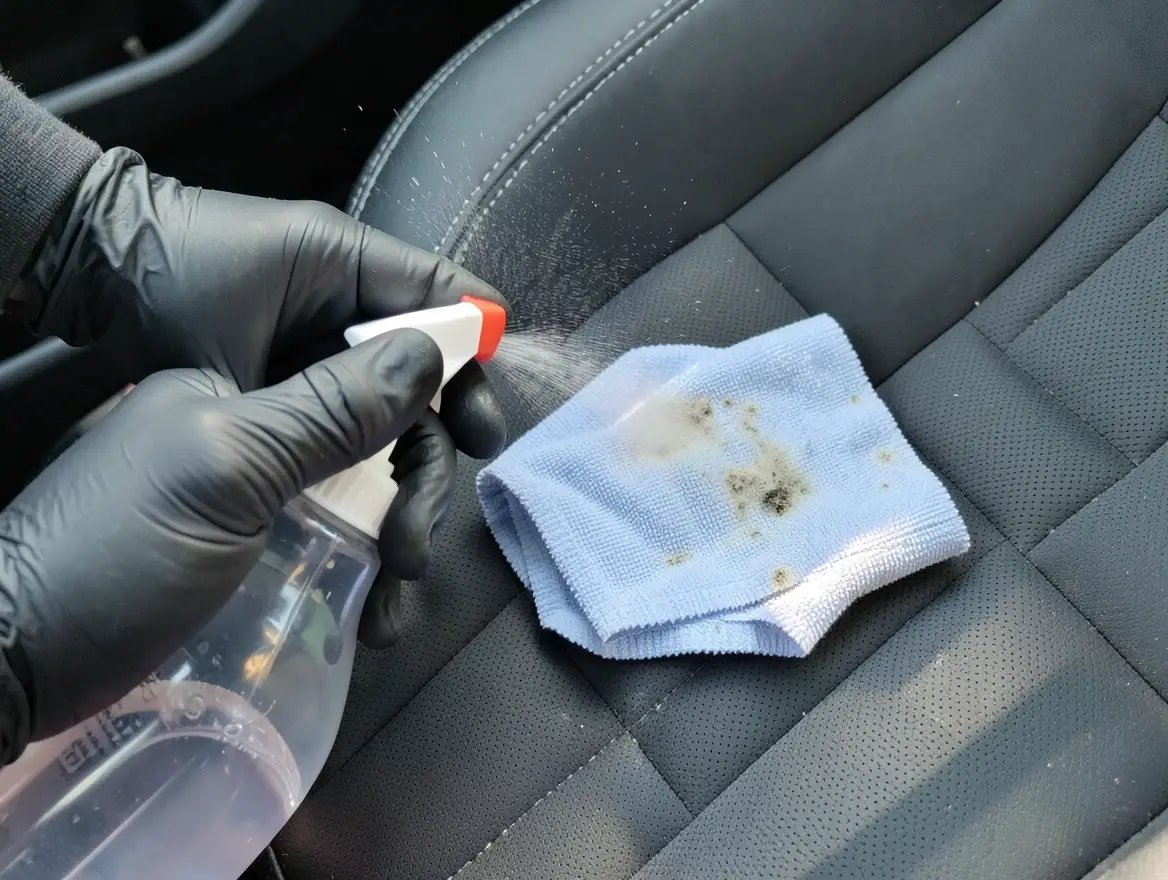
Mold removal is manageable for small, surface-level spots, but always wear a mask and gloves first — you don’t want to breathe in disturbed spores while you clean. Open all the doors for airflow, then treat the spot with one of the following, never both at once:
- White vinegar (undiluted, in a spray bottle) kills most common mold species. Spray lightly, let it sit for 30–60 minutes, then blot and wipe clean. It works best on light, surface-level mold on non-porous spots.
- 3% hydrogen peroxide handles darker, more stubborn mold that vinegar doesn’t fully lift. Spot-test an inconspicuous area first, since it can lighten some fabrics, then spray, let sit a few minutes, and blot dry.
- Baking soda sprinkled on carpet and seats overnight, then vacuumed up, helps absorb leftover moisture and odor after treating a spot.
Never mix vinegar and hydrogen peroxide together. Combined, they form peracetic acid, which can seriously irritate your eyes, skin, and lungs. Use one, let the surface dry completely, and only then try the other if needed.
Let the car air-dry in the sun with the doors or windows open afterward, and recheck the same spot after about a week to make sure the mold hasn’t returned. For a full step-by-step walkthrough of every method and tool, see our dedicated guide on how to remove mold from a car.
If the mold covers a large area, has soaked deep into seat foam or carpet padding, or keeps coming back, call a professional detailer or mold remediation service instead of continuing to treat it yourself. They can access areas like the AC evaporator and carpet padding that a spray bottle can’t reach, and they can confirm the mold is fully gone rather than just hidden.
Preventing Mold in Your Car
Since moisture is the root cause, prevention comes down to keeping the cabin dry. Check door and window seals for leaks periodically, especially before rainy seasons, and fix any you find right away. Remove wet items — umbrellas, gym clothes, swimsuits — as soon as you’re done driving instead of leaving them to dry inside the car. Park in a garage or shaded spot when you can, and crack a window slightly on hot, humid days so trapped moisture has somewhere to go.
Vacuum seats, floors, and mats regularly to remove the food source mold needs, and let floor mats dry fully in the sun after washing before putting them back in the car. A moisture absorber or small dehumidifier pack left in the footwell overnight can help in consistently humid climates or if you’ve had a recent leak.
Buying or Selling a Car With Mold
Mold isn’t just a health and cleaning issue — it can become a legal one too. Most states require sellers, including dealers, to disclose known material defects, and mold that affects the vehicle’s habitability or has caused interior damage can qualify. A seller who knowingly hides mold and sells the car anyway risks a consumer complaint or a lawsuit if the buyer discovers it afterward.
If you’re buying a used car, ask directly about any history of flooding, leaks, or mold, and check the trunk spare-tire well and under the seats yourself — those are the areas sellers are least likely to have cleaned. If you’re selling, treating and documenting mold removal before listing the car protects you from a dispute later.
Frequently Asked Questions
Can You Get Sick From Mold In A Car?
Yes, mold in a car can cause health issues. Breathing mold spores may lead to allergies, respiratory problems, and skin irritation. It’s important to clean mold promptly to avoid health risks. Regularly check and maintain your car to prevent mold growth and ensure a healthy environment inside your vehicle.
Can A Moldy Car Be Saved?
Yes, you can save a moldy car with proper cleaning and treatment. Remove mold using vinegar or a hydrogen peroxide spray (never both mixed together), then dry the car thoroughly to prevent mold recurrence. Address moisture sources and ventilate the car regularly. Consider professional cleaning for severe cases. Regular maintenance ensures a mold-free environment.
What Do I Do If I Find Mold In My Car?
Wear a mask and gloves, then clean the mold using undiluted white vinegar or 3% hydrogen peroxide (never mix the two). Dry the area thoroughly and vacuum up any baking soda used to absorb moisture. Consider professional cleaning if mold persists or covers a large area. Regularly check your car for any new signs of mold.
Is Mold In The Car Permanent?
Mold in a car isn’t permanent if promptly addressed. Remove it using appropriate cleaning methods and ensure thorough drying. Regular cleaning and ventilation help prevent mold growth. Addressing leaks and moisture sources is crucial to keep mold away. Professional help might be necessary for severe cases.
Is It Safe To Drive A Car With Mold In It?
A short drive with mild mold usually won’t harm a healthy adult, but regular exposure isn’t safe long-term, especially for anyone with asthma, allergies, or a weakened immune system. Keep windows cracked for airflow if you must drive before cleaning it, and treat the mold as soon as possible rather than living with it.
Can Mold In A Car Cause Long-Term Health Problems?
For most healthy people, symptoms like sneezing or a scratchy throat clear up once mold exposure stops. But sustained exposure, especially to toxin-producing species like black mold, can lead to more persistent respiratory irritation in sensitive individuals, and in rare cases a lung infection in people with a compromised immune system. Anyone with ongoing symptoms tied to time spent in the car should see a doctor.
Conclusion
Mold in your car is a real health risk, not just an unpleasant smell. Breathing in spores can irritate the lungs, eyes, and skin, and the risk climbs for anyone with asthma, allergies, or a weakened immune system. Clean your car regularly, dry out spills and wet items right away, and check door and window seals for leaks before they turn into a mold problem.
Catch it early with a flashlight check or a test kit, treat small spots yourself with the right cleaner, and call a professional when the mold is widespread or keeps coming back. A dry, well-ventilated car stays a mold-free one.
Products related to this article
Sponsored / affiliate links. As an Amazon Associate I earn from qualifying purchases. I may earn additional commission from eligible campaigns.