Mould in Your Car: Health Risks and How to Fix It Local
Finding mould in your car can be a real pain. It’s not just yucky to look at and smell; it can also make you feel sick. Dealing with Mould in Your Car: Health Risks and How to Fix It Local might seem tough, especially if you haven’t done it before.
But don’t worry! We’ll walk you through it step by step, making it super simple to get your car clean and healthy again. Let’s find out what’s causing the problem and how to get rid of it for good.
Understanding Mould in Your Car Causes And Risks
Mould is a type of fungus that thrives in damp, dark places. In your car, this often happens because of water leaks, spills, or high humidity. Think about a leaky window seal, a forgotten wet umbrella, or even condensation from air conditioning.
These create the perfect breeding ground for mould spores. The risks of mould exposure are significant, ranging from mild allergies to more severe respiratory issues. Identifying the source of moisture is the first key step in tackling this problem.
Why Mould Grows In Cars
Cars are prone to moisture for many reasons. Weather is a big one. Rain can seep in through worn seals around doors, windows, and even the sunroof.
Snow melting inside can also lead to dampness. If you live in a humid climate, the air itself carries moisture that can condense on cool car surfaces. Spills from drinks or food are another common culprit.
Even carrying damp items like sports gear or wet clothes can introduce excess moisture.
Condensation is also a major factor. When warm, moist air inside your car meets cooler surfaces, like windows on a chilly morning, water droplets form. The air conditioning system itself can sometimes become a source of mould if the drain tube gets blocked, causing water to back up and create a damp environment.
Health Issues Linked To Car Mould
Exposure to mould can cause a variety of health problems. For many people, it triggers allergic reactions. Symptoms might include sneezing, runny nose, itchy eyes, and skin rashes.
Others might experience more serious breathing difficulties.
People with asthma or other respiratory conditions are particularly vulnerable. Inhaling mould spores can trigger asthma attacks, making it hard to breathe. Some types of mould can also produce toxins called mycotoxins.
While research is ongoing, exposure to these toxins is linked to more severe health effects.
Even if you don’t have allergies, prolonged exposure can lead to headaches, fatigue, and a general feeling of being unwell. Keeping your car mould-free is not just about aesthetics; it’s about protecting your health and the health of anyone who rides with you.
Common Spots For Car Mould
Mould loves hidden, damp spots. The car’s floor mats and carpets are frequent offenders, especially if they’ve been soaked and not dried properly. The trunk is another common area, particularly if there’s a leak from the rear window or taillights.
Underneath the seats is another prime location. Spills or dampness can seep into the seat fabric and padding, creating a perfect environment for mould growth. The headliner, especially near windows or sunroofs, can also develop mould if there are leaks.
Even the air vents and the interior of the glove compartment can harbour mould if moisture is present.
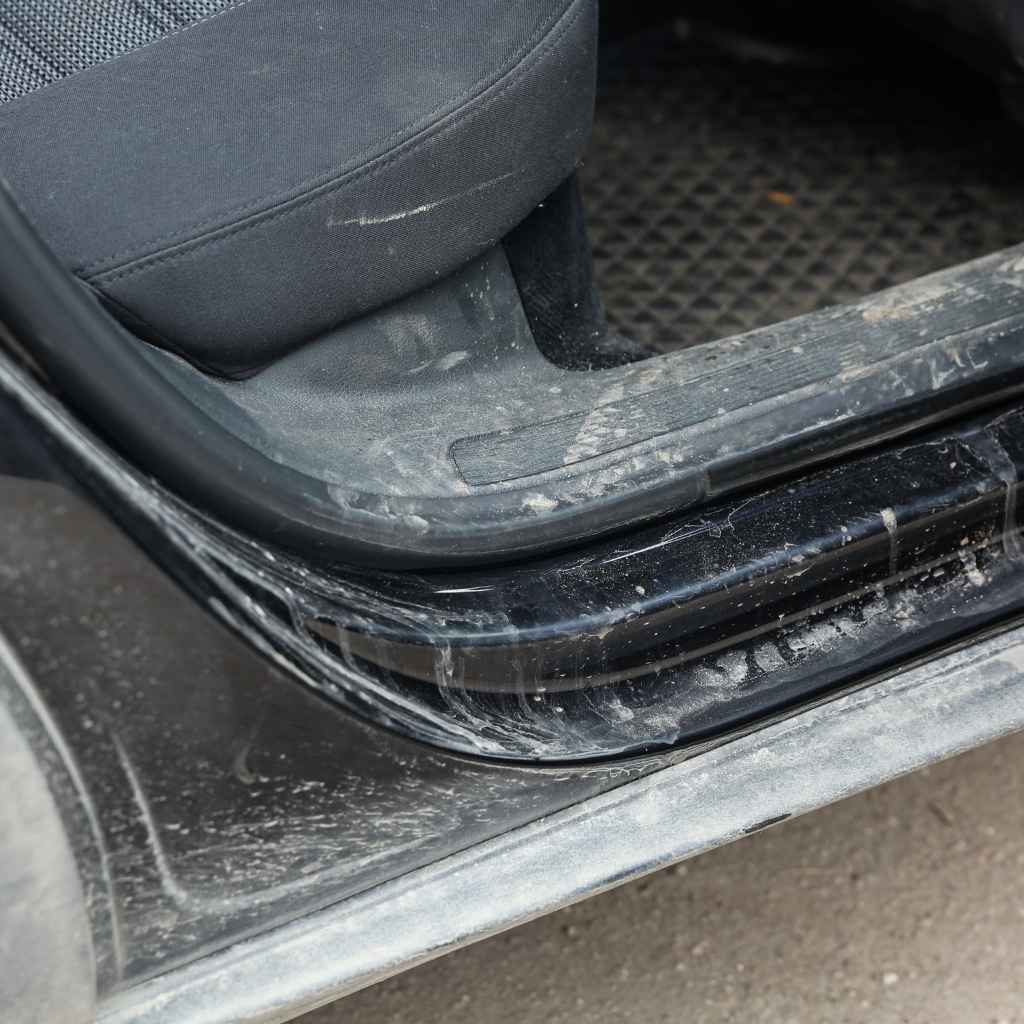
Steps For Removing Mould From Your Car Locally
Tackling mould in your car involves a few key steps. It’s important to address both the visible mould and the underlying moisture issue. This ensures the mould doesn’t just come back.
We will break down the cleaning process into manageable parts.
Safety First When Cleaning Mould
Before you start cleaning, it’s crucial to take precautions. Mould spores can be harmful to inhale. Always wear protective gear.
This includes rubber gloves to protect your skin, a mask (an N95 respirator is best) to avoid breathing in spores, and eye protection like goggles.
Ensure good ventilation. Open all car doors and windows while you are cleaning. This helps disperse mould spores and fumes from cleaning products.
If possible, park your car outside in a well-ventilated area away from other vehicles or homes to prevent spreading spores.
Gather Your Cleaning Supplies
You’ll need a few items to effectively clean mould. White vinegar is a natural and effective mould killer. You’ll also need a spray bottle, clean cloths or sponges, a stiff brush, and a vacuum cleaner.
Baking soda is also useful for absorbing odours.
For tougher mould spots, a diluted bleach solution can be used, but be cautious. Bleach can damage some car interior materials and its fumes are strong. Always test any cleaning solution on an inconspicuous area first to check for colourfastness.
Cleaning The Mouldy Surfaces
Start by vacuuming up any loose mould spores. Use a vacuum with a HEPA filter if possible. For surfaces like plastic or vinyl, spray a solution of equal parts white vinegar and water directly onto the mouldy area.
Let it sit for about an hour.
Then, scrub the area with a brush or cloth. Wipe it clean with a damp cloth. For fabric surfaces like carpets or upholstery, use the vinegar solution and a stiff brush.
For stubborn stains, a commercial mould remover specifically designed for car interiors might be necessary. Always follow the product instructions carefully.
After cleaning, it’s important to dry the area thoroughly. Use clean, dry cloths. You can also use a fan to help speed up the drying process.
Leaving any dampness behind will encourage mould to return.
Deodorizing Your Car
Mould often leaves behind an unpleasant musty smell. After cleaning, you’ll want to eliminate these odours. Baking soda is a great natural deodorizer.
Sprinkle it generously on carpets and upholstery and let it sit overnight. Then, vacuum it up thoroughly.
You can also place open boxes of baking soda or bowls of activated charcoal in your car to absorb lingering smells. Activated charcoal is very effective at trapping odours. Airing out the car regularly also helps keep it smelling fresh.
Preventing Mould From Returning
The best way to deal with mould is to prevent it from growing in the first place. This means addressing any sources of moisture as soon as you find them. Regularly check for leaks around doors, windows, and the sunroof.
Keep your car interior dry. Don’t leave wet items in your car for extended periods. If you spill something, clean it up immediately and make sure the area dries completely.
Use moisture absorbers like silica gel packs, especially in humid weather or if your car is often parked outside.
Mould in Your Car Health Risks And How to Fix It Local Prevention Strategies
Preventing mould growth in your car is key to maintaining a healthy environment. This involves regular maintenance and being mindful of moisture sources. By taking proactive steps, you can significantly reduce the chances of mould developing.
Regular Car Inspections For Leaks
One of the most important prevention strategies is to regularly inspect your car for any signs of water leaks. Pay close attention to the seals around doors, windows, and the sunroof. Over time, these seals can degrade, allowing water to seep in.
Check the trunk for dampness, especially around the spare tire well, as leaks can often start there. Inspect the car’s floor carpets for any unusual wet spots. If you notice any dampness or discover a leak, get it fixed as soon as possible.
A small leak can lead to significant mould problems if left unattended.
Managing Interior Humidity
Controlling the humidity inside your car is vital. In humid climates, consider using a portable dehumidifier or moisture-absorbing products. These can help reduce the moisture content in the air.
Avoid recirculating the air conditioning on very humid days for extended periods, as this can increase interior humidity. Instead, use fresh air intake more often. Ensure your air conditioning system is properly maintained, including checking that the drain tube is clear to allow condensation to exit the vehicle.
Quick Spill Cleanup And Drying
Accidents happen, and spills are common in cars. The key is to clean them up immediately and thoroughly. Don’t let liquids sit on carpets or upholstery, as they can soak in and create a damp environment.
Use absorbent cloths to soak up as much liquid as possible. Then, use an appropriate cleaner for the material. After cleaning, make sure the area dries completely.
You can use a hairdryer on a cool setting or a portable fan to speed up the drying process.
Using Protective Measures
Consider using protective measures to help prevent mould. All-weather floor mats can protect your car’s carpet from mud, snow, and spills. They are easier to remove and dry than carpets.
If you frequently transport items that might be damp, like gym clothes or wet umbrellas, use waterproof bags or containers. This will prevent moisture from spreading throughout the car’s interior.
Advanced Mould Remediation Techniques
For severe mould infestations, or if you’re not comfortable tackling it yourself, professional help might be needed. These advanced techniques go beyond basic cleaning to ensure a thorough removal and a healthy car interior.
When To Call A Professional Detailer
If the mould covers a large area, has a strong odour that won’t go away, or if you have health concerns, it’s wise to seek professional help. Professional car detailers have specialized equipment and cleaning solutions.
They can use steam cleaners, ozone generators, and industrial-grade mould removers. These professionals are trained to identify the source of the mould and ensure it is completely eradicated. They can also assess any damage caused by the mould.
Ozone Treatment For Cars
Ozone treatment is a powerful method for eliminating mould and its associated odours. An ozone generator is placed inside the car, and it releases ozone gas. Ozone is a highly reactive gas that oxidizes mould spores, bacteria, and odours.
This process effectively kills mould at its source and neutralizes lingering smells. It’s important that this is done in a well-ventilated area, and the car should be aired out thoroughly after treatment, as ozone can be harmful in high concentrations. Professionals typically perform ozone treatments.
Steam Cleaning For Deep Cleaning
High-temperature steam cleaning is another effective method for tackling mould on car interiors. The heat from the steam kills mould spores and helps to lift stubborn stains and grime from fabric and carpets.
Steam cleaning can penetrate deep into upholstery and carpets, reaching areas that might be difficult to clean with manual methods. It’s a chemical-free way to sanitize the interior and remove mould. After steam cleaning, it’s crucial to ensure the interior dries completely to prevent new mould growth.

Frequently Asked Questions
Question: How can I tell if it is mould in my car
Answer: Mould often appears as fuzzy or slimy patches, typically in shades of green, black, white, or grey. It also usually comes with a distinct musty or earthy smell, even if you can’t see it easily.
Question: Can mould in my car make me sick
Answer: Yes, mould spores can cause allergic reactions like sneezing or itchy eyes, and can worsen asthma symptoms. Some people may experience headaches or fatigue from exposure.
Question: Is white vinegar effective against car mould
Answer: Yes, white vinegar is a natural disinfectant that kills about 82% of mould species. It’s a safe and effective choice for cleaning mould from car surfaces.
Question: How often should I clean my car for mould prevention
Answer: It’s best to inspect for dampness regularly, especially after rain or spills. A thorough clean of carpets and surfaces every few months, and after any spill, helps prevent mould growth.
Question: What if I can’t find the source of the moisture
Answer: If you cannot locate the source of the moisture causing mould, it is advisable to seek help from a professional car detailer. They have tools to detect hidden leaks and dampness.
Summary
Dealing with mould in your car involves identifying moisture sources, cleaning affected areas thoroughly, and taking steps to prevent its return. By following these steps, you can ensure a healthy and pleasant car environment. A clean car is a happy car.
Products related to this article
Sponsored / affiliate links. As an Amazon Associate I earn from qualifying purchases. I may earn additional commission from eligible campaigns.