Is Saab Still Making Cars? Production End, NEVS & What Happened Next
No — Saab is not still making cars. Saab Automobile filed for bankruptcy in December 2011, ending new car production after 63 years. NEVS (National Electric Vehicle Sweden) acquired the factory in 2012 and attempted an EV revival, but shut down completely in February 2023. The final seven Saab/NEVS prototype vehicles were auctioned off in Trollhättan, Sweden in May 2026. If you own a Saab, parts and specialists are still available.
The History of Saab and Its Cars
Saab Owner Essentials
Saab (Svenska Aeroplan AB) began as a Swedish aircraft manufacturer in 1937. After World War II, with aircraft orders drying up, the company diversified into automobiles. The first Saab car, the 92, rolled off the line in 1949 — its teardrop aerodynamic shape directly borrowed from aircraft design principles.
Origins and Early Innovations
Saab’s aviation roots shaped everything about its cars. Engineers designed for aerodynamic efficiency, structural rigidity, and safety decades before other manufacturers prioritized these traits. The company pioneered features like standard three-point seatbelts (before they were legally required), self-repairing bumpers, and the distinctive ignition lock mounted on the center console — a feature Saab introduced in 1968 to prevent knee injuries in crashes.
Key Models and Their Impact
The Saab 900 (1978–1998) is the brand’s most iconic model — a hatchback known for its turbocharged performance, robust construction, and devoted following. The Saab 9000 (1984–1998) was developed alongside Fiat and Lancia, targeting the executive segment. The Saab 9-3 and 9-5 represented the GM era’s more mainstream positioning, though both retained distinctive Saab character. The 9-5 SportCombi wagon and 9-3 Turbo X remain collector favorites today.
Ownership Changes and Financial Struggles
General Motors acquired a 50% stake in Saab in 1990 and took full ownership in 2000. The GM years were creatively stifling — Saab models increasingly shared platforms with Opel and Chevrolet, diluting the brand’s distinctive identity. When the 2008–2009 financial crisis hit, GM announced plans to sell or wind down Saab. Dutch sports car company Spyker Cars acquired Saab Automobile in early 2010, but Spyker’s own financial weakness made sustainable investment impossible. Saab filed for bankruptcy protection on December 19, 2011.

Is Saab Still Making Cars Today?
No — and as of 2026, there is no longer any realistic path to revival. Here is the complete timeline of what happened after the 2011 bankruptcy:
| Year | Event |
|---|---|
| 1947 | Saab Automobile division founded |
| 1949 | First Saab car (92) produced in Trollhättan |
| 1990 | GM acquires 50% stake |
| 2000 | GM takes full ownership |
| 2010 | Spyker Cars acquires Saab from GM |
| Dec 2011 | Saab Automobile AB files for bankruptcy |
| 2012 | NEVS (National Electric Vehicle Sweden) acquires Trollhättan factory & IP |
| 2019 | Chinese conglomerate Evergrande acquires NEVS |
| 2021 | Evergrande collapses under $300B+ debt |
| Feb 2023 | NEVS lays off 320 of 340 remaining staff; production ceases |
| May 2026 | Final 7 NEVS/Saab prototype vehicles auctioned in Trollhättan; total 1,031,000 SEK |
The End of Production
When Saab Automobile filed for bankruptcy in December 2011, production at the Trollhättan assembly plant stopped almost immediately. The last Saab 9-5 rolled off the line on December 14, 2011 — five days before the bankruptcy filing. Thousands of partially built cars sat on the factory floor. Creditors, suppliers, and employees were left with unpaid claims totaling hundreds of millions of euros.
What Happened to the Factory and Assets
In 2012, a Chinese-Swedish consortium called National Electric Vehicle Sweden (NEVS) purchased the Trollhättan factory and intellectual property from the bankruptcy estate. NEVS planned to produce electric versions of the Saab 9-3 — but critically, they did not acquire the rights to the Saab brand name itself (that stayed with Saab AB, the aerospace company). NEVS produced a small number of 9-3 electric sedans, primarily for a Chinese fleet operator, before funding dried up.
In 2019, Chinese real estate giant Evergrande acquired NEVS as part of its ambitious EV push. When Evergrande’s debt crisis exploded in 2021, NEVS was effectively stranded. By February 2023, NEVS laid off 320 of its 340 employees in Trollhättan. The facility that had built Saabs for over 60 years went dark.
In May 2026, the final chapter closed: seven remaining NEVS prototype vehicles were auctioned in Trollhättan. The collection raised 1,031,000 SEK (approximately $97,000 USD), with a NEVS 9-3 EV leading at 252,000 SEK. The auction confirmed there are no production vehicles, tooling assets, or active manufacturing capability remaining.
The Saab Name Today — Saab AB vs. Saab Automobile
An important distinction confuses many people: Saab AB (the defense and aerospace company that makes the Gripen fighter jet) is an entirely separate, publicly traded company that continues to operate successfully. It was the original parent company but spun off the automotive division decades ago. Saab AB has no interest in returning to car manufacturing and explicitly does not own or license the automotive brand for new vehicle production.
Will Saab Ever Make Cars Again?
This is the question enthusiasts ask most. The honest answer is: it is extremely unlikely, and the May 2026 auction of the final prototypes is a strong signal that no entity with access to the assets intends to restart production.
Several revival attempts have been floated over the years — from small Swedish investor groups to a rumored Chinese brand licensing deal — but none have progressed beyond press releases. The barriers are substantial: acquiring the brand rights from Saab AB (which has shown no interest in selling), securing a manufacturing site, developing compliant modern vehicles, building a dealer network, and funding the entire operation from scratch. The EV transition has raised the cost of entry even further. No credible funded project exists as of mid-2026.
Maintaining and Owning a Saab in 2026
Despite no new production, hundreds of thousands of Saabs remain on the road worldwide. Owning one in 2026 is entirely feasible — but requires knowing where to find parts and service.
Parts Availability and Servicing
Parts availability has actually stabilized for most Saab models. The key sources are:
- eEuroparts.com — one of the largest online Saab parts inventories in North America, stocking OEM and aftermarket parts for 9-3, 9-5, and older 900/9000 models
- Skandix (Sweden) — European specialist with an enormous catalog, ships internationally
- Swedish Auto (USA) — specialist importer for Saab parts and accessories
- GM dealer network — for later 9-3 and 9-5 models built on GM platforms, many parts are shared with Opel/Vauxhall and can be sourced through any GM dealer
- Saab enthusiast forums (SaabsUnited, SaabCentral) — active communities for used parts, NOS stock, and DIY guidance
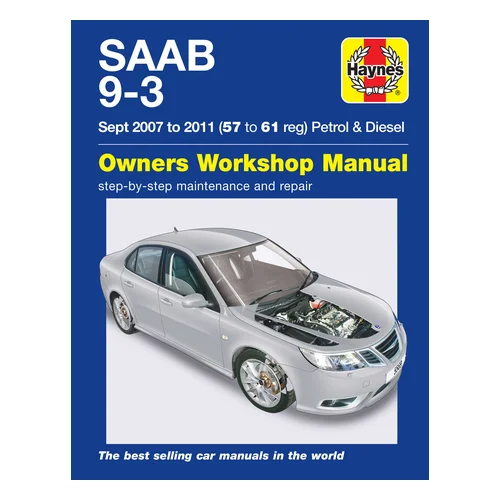
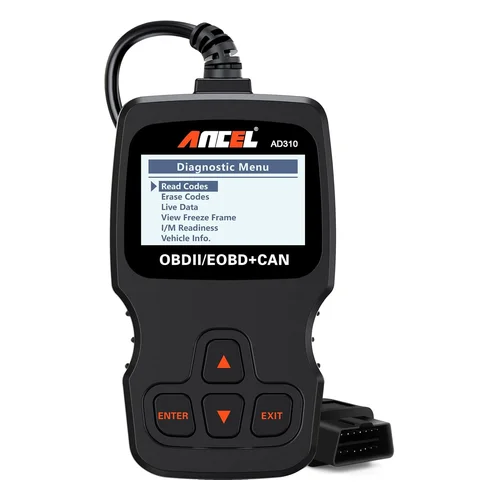
Mechanical service is best done by independent shops specializing in European or Swedish vehicles. While Saab-branded dealerships are gone, many independent mechanics developed Saab expertise during the brand’s active years and continue to service them. For TECH2 diagnostics (the GM diagnostic tool used on 2003–2011 models), some independent shops still have this equipment, and aftermarket alternatives like the OBDII-based scan tools work for most fault code reading.
The Enthusiast Community
The Saab owner community is unusually active for a defunct brand. Annual events like Trollhättan Saab Festival (Sweden) and regional owner meets draw hundreds of cars. The SaabCentral forum and SaabsUnited website remain primary hubs for technical advice, parts sourcing, and ownership discussion. This community infrastructure makes Saab ownership more viable than many other discontinued brands — there is genuine institutional knowledge available.
Resale Value and Collectibility
Saab values have been quietly appreciating for clean, well-maintained examples. The Saab 900 Turbo (especially the classic 1978–1993 generation), the 9-3 Viggen, and the 9-5 Aero estate are the most sought-after collector models. Low-mileage, rust-free examples in original condition command premiums. The 9-3 2.0T and 9-5 2.3T models in good mechanical shape are practical daily classics — affordable to buy, enjoyable to drive, and increasingly rare in clean condition.
Frequently Asked Questions
Did Saab go bankrupt?
Yes. Saab Automobile AB filed for bankruptcy on December 19, 2011, after failing to secure sustainable funding under Spyker Cars ownership. The bankruptcy followed months of production stoppages, unpaid supplier bills, and failed negotiations with potential investors including Chinese automakers.
Can I still buy a new Saab?
No. There has been no new Saab car production since December 2011. NEVS attempted a limited electric revival but never produced vehicles for general consumer sale. As of 2026, no entity is manufacturing new Saabs of any kind.
Are Saab parts still available?
Yes, parts are still widely available for most models. Specialists like eEuroparts, Skandix (Sweden), and Swedish Auto stock extensive Saab inventories. Later 9-3 and 9-5 models share many components with Opel/GM vehicles, making parts sourcing even easier through mainstream automotive suppliers.
Is the Saab aircraft company related to Saab cars?
They share the same historical origin — Saab AB (Svenska Aeroplan AB) founded the automotive division — but they are now entirely separate companies. Saab AB (the defense contractor) is publicly traded on the Stockholm Stock Exchange and has no involvement in automotive manufacturing. It does not own, license, or plan to revive the Saab car brand.
What happened to the Saab factory in Trollhättan?
After Saab Automobile’s 2011 bankruptcy, NEVS acquired the Trollhättan factory in 2012 and attempted EV production. After NEVS collapsed in 2023 and a final prototype auction in May 2026, the facility is no longer producing vehicles. Parts of the site have been repurposed for other industrial uses.
What was NEVS and did it make Saab cars?
NEVS (National Electric Vehicle Sweden) was a Chinese-Swedish consortium that purchased the Trollhättan factory and Saab 9-3 intellectual property in 2012. It produced a small batch of electric 9-3 sedans primarily for Chinese fleet customers, but never sold vehicles to the general public. NEVS was acquired by Evergrande in 2019 and shut down in February 2023 when Evergrande’s financial collapse cut off funding.
If you’re a Saab owner looking for community resources, the full list of GM brands is useful since many 9-3 and 9-5 parts cross-reference to Opel/Vauxhall models. For understanding other brands with similar stories, see Fiat’s current brand portfolio.
Products related to this article
Sponsored / affiliate links. As an Amazon Associate I earn from qualifying purchases. I may earn additional commission from eligible campaigns.