How to Know If Your Car Needs Coolant
A low coolant warning light, a temperature gauge creeping toward red, or a sweet, syrupy smell from the vents are the clearest signs your car needs coolant right now. I found that out the hard way on a Texas highway when my Ford Escape’s temp needle shot into the red and the cabin smelled like maple syrup — low coolant was seconds from cooking my head gasket. After a tow, a $500 repair bill, and a lot of research, here’s exactly what to check and how to fix it before it costs you that much.
What Is Coolant, and Why Does Your Car Need It?
Coolant, also called antifreeze, is a liquid that keeps your engine from overheating or freezing. It’s a mix of water and chemicals (usually ethylene or propylene glycol) that circulates through your engine and radiator. Coolant absorbs heat from the engine, carries it to the radiator to cool down, and prevents corrosion in your cooling system. Without enough coolant, your engine can overheat, leading to serious damage like a warped head gasket or cracked engine block.
I learned this the hard way when my Escape’s low coolant caused it to overheat, costing me $500 in repairs. Keeping the right amount of coolant is key to a healthy car, especially in extreme weather like hot Texas summers or freezing Midwest winters.
Signs Your Car Needs Coolant
BEST FOR TOPPING OFF LOW COOLANT
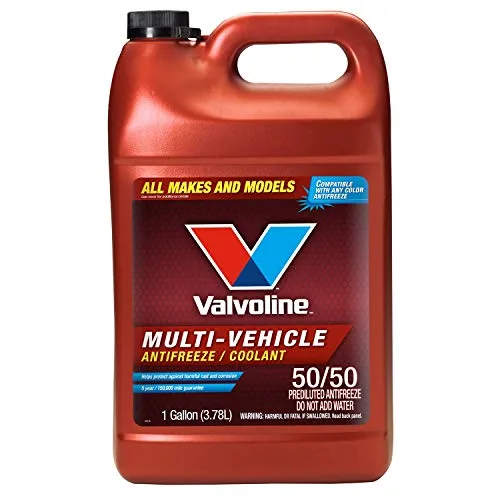 |
Valvoline Multi-Vehicle 50/50 Antifreeze Coolant – $18.58 A ready-to-use 50/50 mix you can pour straight into the reservoir, so you skip the mixing mistake this article warns about.
|
How do you know if your car is low on coolant? I’ve seen a few telltale signs in my own cars and those of friends. Here are the most common ones:
Dashboard Temperature Warning
The first clue is often your dashboard. If the temperature gauge climbs past the middle or a warning light (usually a thermometer or radiator icon) pops on, your coolant might be low. When my Escape overheated, the needle hit the red zone, and I knew something was wrong. Pull over safely if this happens to avoid engine damage.
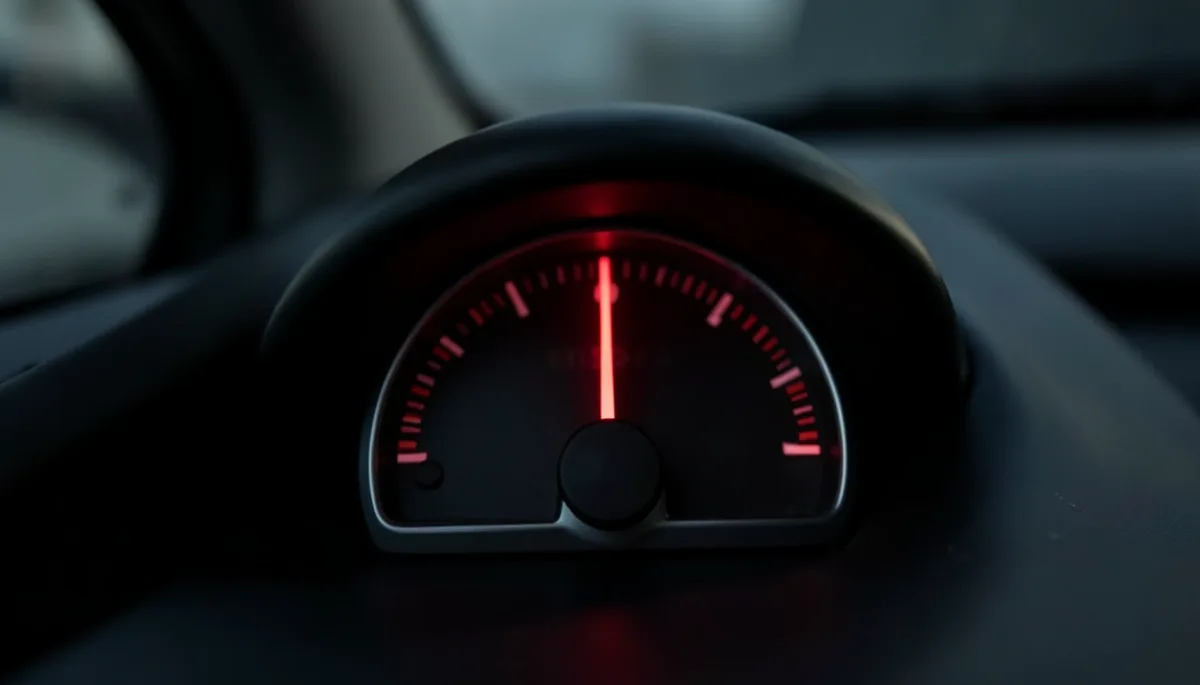
Engine Overheating or Steam
If you see steam or smoke coming from under the hood, it’s a bad sign. Low coolant can’t absorb enough heat, causing the engine to get too hot. I noticed steam during my Texas breakdown, along with that sweet, syrupy smell of coolant leaking. Stop driving and let the engine cool before checking.
Coolant Leaks Under the Car
Check where you park. A puddle of bright green, pink, or orange liquid (depending on your coolant type) could mean a leak. I found a small green puddle under my Escape one morning, which tipped me off to a cracked hose. Leaks mean your coolant level is dropping, so don’t ignore them.
Low Coolant Reservoir Level
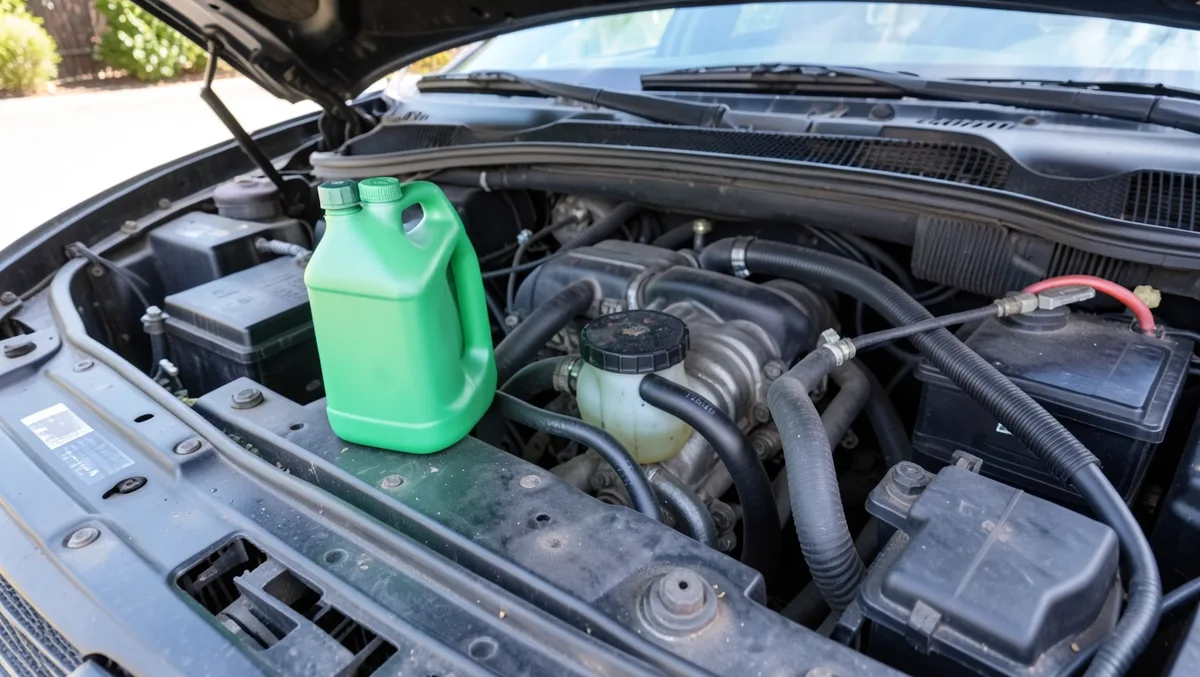
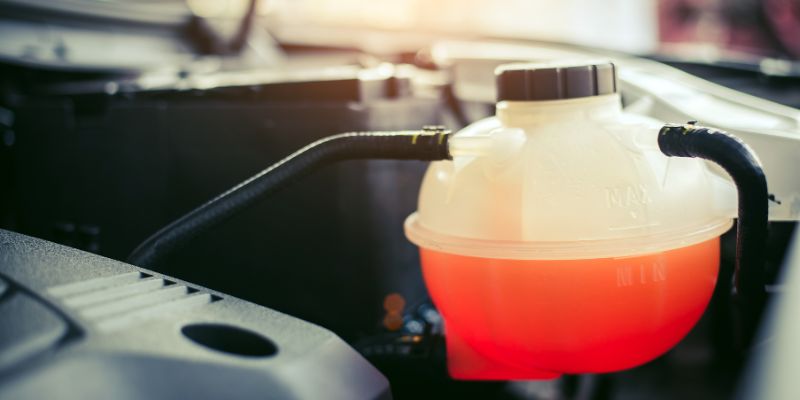
Your car has a coolant reservoir, a plastic tank under the hood. If the level is below the “MIN” mark, you need to add coolant. I check mine monthly now, and it’s saved me from bigger problems. The reservoir is usually translucent, so you can see the level without opening it.
Heater Not Working
Coolant also helps your car’s heater work. If your heater blows cold air, especially in winter, low coolant could be the culprit. My friend’s Chevy Malibu had this issue, and topping off the coolant fixed it. It can work the other way too on a hot engine: many vehicles automatically disengage the AC compressor once temps climb too high, so a sudden switch from cool air to warm air is worth checking against your temp gauge before you assume it’s just an AC fault.
Strange Engine Noises
Low coolant can cause air pockets in the cooling system, leading to gurgling or bubbling sounds. I heard this in my cousin’s Toyota Camry when her coolant was low. It’s not always the issue, but it’s worth checking.
Here’s a quick table summarizing the signs:
| Sign | What It Looks Like | What to Do |
|---|---|---|
| Temperature Warning | Gauge climbs into the red zone or a warning light turns on | Pull over safely, let the engine cool, then check the coolant |
| Overheating/Steam | Steam or smoke from under the hood, often with a sweet smell | Stop driving immediately and let the engine cool before checking anything |
| Coolant Leaks | A green, pink, or orange puddle under the car | Find the leak’s source, top off coolant, and repair or replace the leaking part |
| Low Reservoir Level | Fluid sits below the “MIN” mark in the reservoir | Add the correct coolant type, then watch for a leak causing the drop |
| Heater Not Working | Heater blows cold air (or AC blows warm during overheating) | Check the coolant level and top off if needed |
| Strange Noises | Gurgling or bubbling sounds from the engine bay | Check for air pockets in the cooling system; it may need a bleed |
How to Check Your Coolant Level
Checking your coolant is easier than you might think. I was nervous the first time, but now it’s a quick routine. Here’s how I do it:
Step 1: Park and Cool Down
Park on a flat surface and let the engine cool completely—hot coolant can burn you. I wait at least an hour after driving. Safety first!
Step 2: Find the Coolant Reservoir
Pop the hood and look for a plastic tank with “COOLANT” or “ANTIFREEZE” written on it. It’s usually near the radiator, with “MIN” and “MAX” lines. My Escape’s reservoir is on the driver’s side, but check your owner’s manual if you’re unsure.
Step 3: Check the Level
Look at the side of the reservoir. The coolant should be between the “MIN” and “MAX” marks. If it’s low or empty, you need to add coolant. I noticed my reservoir was almost empty during my breakdown, which was the root of the problem.
Step 4: Inspect for Leaks
While you’re under the hood, check for wet spots, drips, or cracked hoses around the radiator and reservoir. I found a small crack in a hose on my Escape, which was letting coolant escape.
Step 5: Check the Radiator (Optional)
If you’re comfortable, you can check the radiator itself — but only once the engine has been off and cool to the touch for at least an hour, same as Step 1. A hot or even warm cooling system is pressurized, and cracking the cap open too soon can spray scalding coolant and cause serious burns. If there’s any doubt, wrap the cap in a thick towel before turning it. Once it’s safely cool, twist the cap slowly to release any remaining pressure, then look inside — it should be full to the neck. I don’t do this often since the reservoir usually tells the story.
What to Do If Your Coolant Is Low
If your coolant is low, don’t panic. Here’s what I do to fix it:
Top Off the Coolant
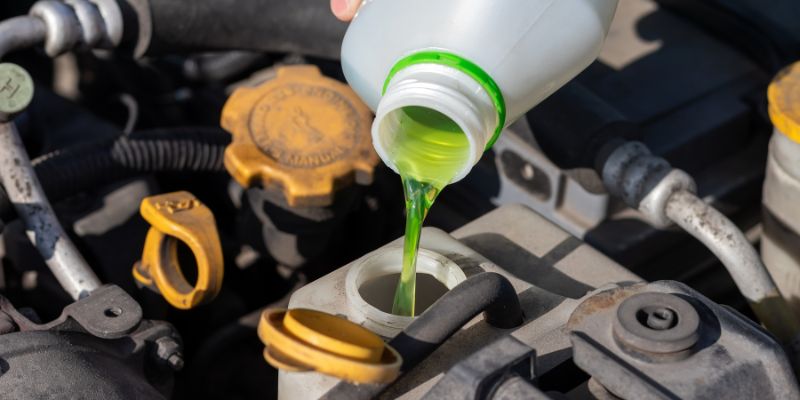
Use the right coolant for your car—check your manual for the type (usually a specific color like green or orange). I buy pre-mixed coolant to avoid mixing it myself. Pour it slowly into the reservoir until it hits the “MAX” mark. For my Escape, I needed about a quart to top it off. Never pour coolant into a hot engine—it can crack the engine block.
Fix Any Leaks
If you spot a leak, you’ll need to fix it to prevent more coolant loss. Small hose leaks can be patched with radiator tape as a temporary fix, but I replaced my cracked hose for $20. Bigger leaks, like a radiator or water pump issue, need a mechanic.
Monitor the Level
After topping off, check the coolant level every few days. If it keeps dropping, there’s a leak somewhere. I learned to keep an eye on my Escape’s reservoir after the repair to catch any issues early.
Drive Carefully
If your coolant was low and you topped it off, drive gently and watch the temperature gauge. If it climbs again, pull over and call a mechanic. I drove my Escape to the shop after topping off, keeping the heater on to help cool the engine.
Common Causes of Low Coolant
Low coolant doesn’t just happen on its own. Here’s what I’ve seen cause it:
Leaking Hoses or Radiator
Hoses can crack or loosen over time, letting coolant drip out. My Escape’s hose was the culprit. Radiators can also develop small leaks, especially in older cars.
Faulty Radiator Cap
The radiator cap keeps the system pressurized. If it’s worn out, coolant can evaporate or leak. I replaced my cap for $10, and it helped maintain proper levels.
Water Pump Failure
The water pump circulates coolant. If it fails, the coolant can leak or not flow properly. This happened to a friend’s Dodge Charger, costing $300 to fix.
Head Gasket Issues
A blown head gasket is a serious problem. It can cause coolant to leak into the engine or exhaust, leading to white smoke or overheating. This is a job for a mechanic, often costing $1,000 or more.
Normal Evaporation
Coolant can slowly evaporate over time, especially in hot climates. I top off my car every year or so, even without leaks.
When to Call a Mechanic
Some coolant issues are easy to fix, but others need a pro. I handled my hose leak myself, but here’s when I’d call a mechanic:
- Persistent leaks you can’t find or fix.
- Overheating even after topping off the coolant.
- White smoke from the exhaust (possible head gasket issue).
- Strange noises like grinding from the water pump.
My mechanic charged $100 to diagnose and fix a radiator leak on my cousin’s Camry, which was worth it to avoid engine damage.
Costs of Dealing with Coolant Issues
Here’s what I’ve spent or seen others pay for coolant-related fixes:
- Coolant: $10–$20 per gallon (pre-mixed is easiest).
- Hose Replacement: $20–$50 for parts, $100–$200 with labor.
- Radiator Cap: $5–$15.
- Water Pump: $100–$400, including labor.
- Radiator Repair/Replacement: $200–$800.
- Head Gasket: $1,000–$2,000, depending on the car.
See our full coolant cost breakdown for pricing by type before you buy, but don’t skimp on professional help for the bigger issues above.
Tips to Keep Your Coolant System Healthy
After my overheating scare, I got serious about coolant maintenance. Here’s what I do:
- Check Coolant Monthly: Takes five minutes and catches problems early.
- Use the Right Coolant: Check your manual for the correct type. Mixing the wrong coolants can cause clogs.
- Flush the System: Every 2–5 years, flush and replace coolant to prevent corrosion — see our full flush guide for the steps and cost. I paid $80 for a flush at my shop.
- Inspect Hoses and Caps: Look for cracks or wear during oil changes.
- Keep Extra Coolant: I carry a small jug in my trunk for emergencies.
What Other Drivers Say
I checked out forums like Reddit and CarGurus to see what others experienced. Many drivers had stories like mine—overheating due to low coolant from a small leak. One Reddit user fixed their low coolant issue by replacing a $12 radiator cap. Another spent $1,500 on a head gasket repair after ignoring warning signs. The common advice? Check your coolant regularly and don’t drive with a hot engine.
Coolant Across Car Brands
From my research, coolant issues are universal but vary by car:
- Honda/Toyota: Reliable systems, but hoses wear out in older models.
- Ford/Chevy: Prone to radiator or water pump leaks in high-mileage cars.
- Luxury Brands (BMW, Mercedes): Complex cooling systems mean pricier repairs.
Always check your car’s manual for specific coolant types and maintenance schedules.
My Final Thoughts
Learning how to know if my car needed coolant saved me from bigger headaches. That Texas breakdown taught me to pay attention to warning signs like a hot gauge, puddles, or a weak heater. Checking your coolant level is easy, and topping it off can prevent costly damage. Whether it’s a simple top-off or a mechanic visit for a leak, staying on top of your coolant keeps your engine happy and your wallet safer. I hope my experience helps you feel confident checking your car’s coolant. Keep an eye on that reservoir, and you’ll avoid the stress I went through!
FAQs
How often should I check my car’s coolant?
Check it monthly or before long trips. It takes a minute and catches low levels early.
What happens if I drive with low coolant?
Your engine can overheat, causing damage like a warped head gasket or cracked block. Pull over if the temperature gauge rises.
Can I use water instead of coolant?
In an emergency, yes, but only distilled water. Regular water can cause corrosion. Get proper coolant as soon as possible.
How do I know which coolant to use?
Check your owner’s manual for the right type (usually a specific color like green or orange). Don’t mix different types.
What if my coolant keeps disappearing?
You likely leak. Check hoses, the radiator, or the water pump. If you can’t find it, a mechanic can diagnose it.
Is it safe to check the coolant myself?
Yes, if the engine is cool. Never open the radiator or reservoir when it’s hot to avoid burns.
Why does my AC blow warm air when coolant is low?
Some cars cut power to the AC compressor when the engine is overheating, since running it adds extra load to an already-hot engine. If your air conditioning suddenly blows warm along with a rising temperature gauge, treat that as an overheating warning, not just an AC problem.
Products related to this article
Sponsored / affiliate links. As an Amazon Associate I earn from qualifying purchases. I may earn additional commission from eligible campaigns.