Is Selling Cars Hard? Genius Tips
Is Selling Cars Hard? Absolutely Not! With the right knowledge and these genius tips, you can navigate the car selling process smoothly and confidently. Get ready to make a great deal!
Thinking about selling your car can feel a bit overwhelming, right? You might be picturing complicated paperwork, tricky negotiations, and maybe even some annoying hagglers. It’s a common worry! Many drivers put off selling their vehicle because they aren’t sure where to start or what to expect. But what if I told you it doesn’t have to be stressful at all? With a few smart strategies and a little preparation, selling your car can actually be a straightforward and even rewarding experience. We’re going to break it all down, step-by-step, so you can feel totally prepared and confident. Get ready to discover how to sell your car successfully!
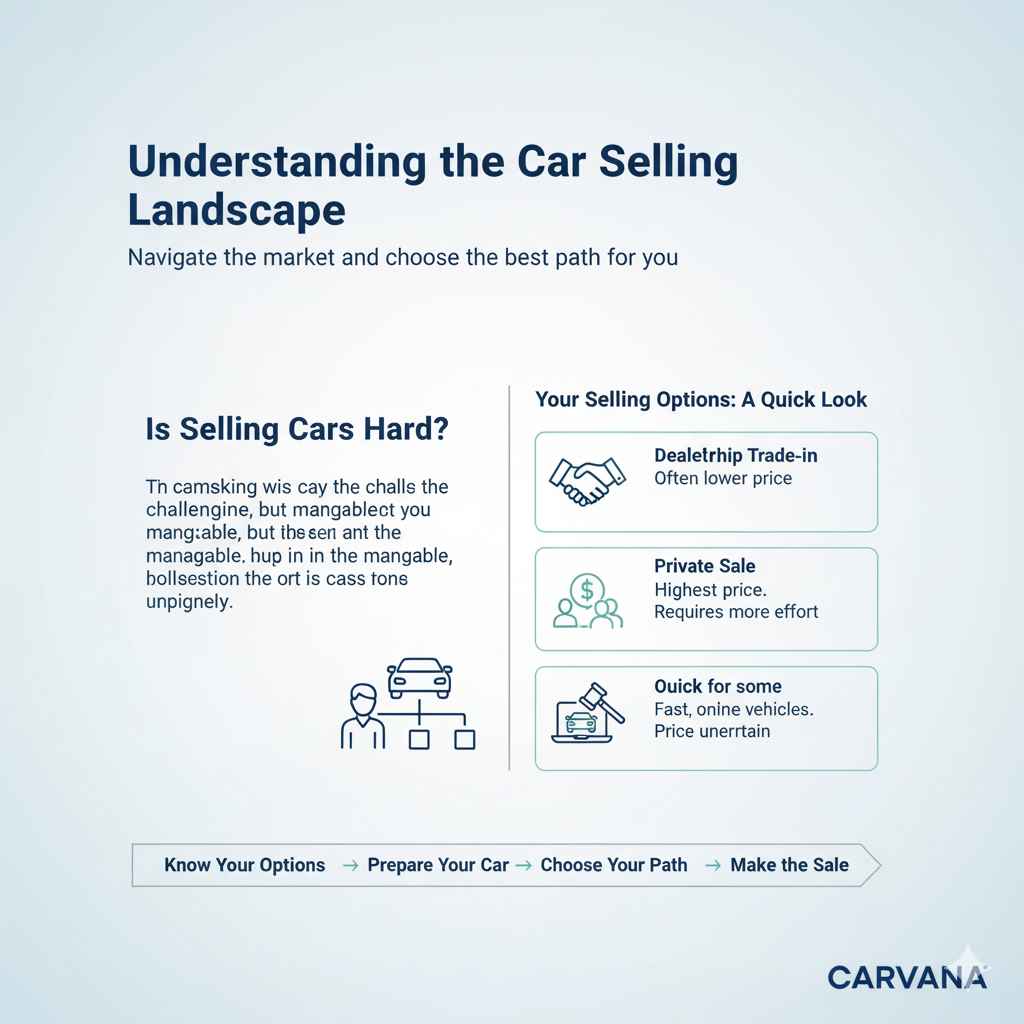
Understanding the Car Selling Landscape
Many people wonder, “Is selling cars hard?” The truth is, it can be challenging if you’re unprepared. The automotive market is dynamic, with fluctuating values and different selling avenues. However, for an individual looking to sell their personal vehicle, the process is generally manageable and far less complex than running a dealership.
The key lies in understanding your options and preparing your car effectively. Whether you’re selling to a dealership, a private buyer, or an online car buying service, each method has its unique pros and cons. Knowing these helps you choose the best path for your situation.
Your Selling Options: A Quick Look
Before we dive into how to make the sale easy, let’s see where you can sell your car:
- Dealership Trade-In: Convenient, often quick, but you might get less money.
- Private Sale: Typically fetches the highest price, but requires more effort.
- Online Car Buyers: Fast, often offer online quotes, but prices can vary widely.
- Auctions: Can be quick for certain types of vehicles, but price is uncertain.
Genius Tip #1: Knowing Your Car’s True Worth
This is perhaps the most crucial step. If you don’t know what your car is worth, you can’t possibly get a fair price. Overpricing scares buyers away, and underpricing leaves money on the table.
Researching Your Car’s Value
Here’s how to get a solid estimate:
- Online Valuation Tools: Websites like Kelley Blue Book (KBB), Edmunds, and NADA Guides are excellent starting points. They take into account your car’s year, make, model, mileage, condition, and features.
- Check Competitor Listings: Look at similar cars for sale in your local area on sites like Craigslist, Facebook Marketplace, and AutoTrader. See what others are asking for vehicles with comparable mileage and condition.
- Factor in Condition: Be honest about your car’s condition. Does it have dents, scratches, or mechanical issues? Does it need new tires? Factor these in. A car in excellent condition will fetch more than one needing repairs.
For example, a 2018 Honda CR-V with 50,000 miles in good condition will have a different value than the same car with 100,000 miles and some cosmetic wear.
External Resource for Value:
The U.S. Department of Energy’s Fuel Economy website can help you understand your car’s fuel efficiency, which can be a factor in its overall appeal and value to certain buyers.
Genius Tip #2: Making Your Car Shine (and Sound Great!)
First impressions matter, especially when selling a car. A clean, well-maintained vehicle simply sells better and for more money.
The Power of Presentation
You don’t need to be a professional detailer. Focus on these areas:
- Deep Clean Inside and Out: Wash and wax the exterior. Clean the windows inside and out. Vacuum the carpets and upholstery. Wipe down the dashboard, center console, and door panels. Remove any clutter or personal items. Don’t forget the trunk!
- Address Minor Cosmetic Issues: Small scratches can sometimes be buffed out. Fix or replace any broken trim pieces if possible.
- Tidy Up the Engine Bay: A quick wipe-down of the engine bay can make it look well cared for.
- Fix Minor Mechanical Annoyances: If a headlight bulb is out or a wiper blade is torn, replace it. These small fixes show diligence.
Consider a professional detailing if your car has significant stains or is very dirty. It can be a worthwhile investment.
Genius Tip #3: Gathering All Your Paperwork
Having your documentation in order makes the sale process smoother and builds trust with potential buyers. It shows you’ve been a responsible owner.
Essential Documents to Have Ready
Make sure you have these:
- Vehicle Title: This is the most important document, proving you own the car. Ensure it’s clear of any liens. If you have a loan, you’ll need to pay it off to get a clear title.
- Maintenance Records: Keep a folder with receipts for oil changes, new tires, brake jobs, and any major repairs. This is a huge selling point for private buyers.
- Bill of Sale: This is a legal document transferring ownership. You can find templates online. Fill it out accurately with buyer and seller information, car details, and sale price.
- Owner’s Manual: If you still have it, include it.
- Warranty Information: Any remaining extended warranties or recall information.
Dealing with Liens
If you owe money on your car, you’ll have a lien on the title. You’ll need to pay off the loan before you can transfer the title to a new owner. Your lender can help you navigate this process. The USA.gov website can direct you to your state’s Department of Motor Vehicles (DMV) or equivalent for specific title transfer requirements.
Genius Tip #4: Crafting a Compelling Listing
If you’re selling privately or online, your listing is your car’s first introduction. Make it count!
Elements of a Great Listing
A good listing includes:
- High-Quality Photos: Take clear, well-lit photos from multiple angles (front, back, sides, interior, dashboard, engine bay, tires, and any notable features or flaws). Natural light is best.
-
Detailed Description:
- Start with the year, make, model, trim level, and color.
- Mention mileage (be accurate!).
- Highlight desirable features (e.g., sunroof, leather seats, premium sound system, all-wheel drive, low mileage, excellent fuel economy).
- Be honest about the car’s condition. Mention any known issues or wear and tear. Honesty builds trust.
- Include recent maintenance performed.
- State your asking price and whether it’s firm or negotiable. “Or Best Offer” (OBO) can be used if you’re flexible.
- Contact Information: Provide a reliable way for buyers to reach you.
Example Listing Snippet:
“2019 Toyota Camry SE in Midnight Black. Only 45,000 miles. One owner, non-smoker. Excellent condition with no accidents. Features include a backup camera, Bluetooth connectivity, alloy wheels, and a fuel-efficient 2.5L engine. Recent oil change and new tires. Asking $20,500 OBO. Clean title in hand.”
Genius Tip #5: Smart Pricing Strategies
Setting the right price is a delicate balance. You want to attract buyers without selling yourself short.
Factors Influencing Price
Consider these points:
- Market Value: As discussed, research is paramount.
- Condition: A car needing a new transmission won’t command the same price as a perfectly running one.
- Mileage: Lower mileage generally means higher value.
- Demand: Popular models or those with specific features (e.g., SUVs in snowy regions) might be in higher demand.
- Location: Prices can vary regionally.
Pricing Approaches
You can choose to:
- Price at Market Value: Aim for the average price of similar cars.
- Price Slightly Above Market: This gives you room for negotiation.
- Price Slightly Below Market: This can generate quick interest and multiple offers.
Tip: For private sales, pricing slightly above your lowest acceptable price allows room for negotiation. For online quick-sale services, expect their offer to be below market value.
Genius Tip #6: Handling Test Drives and Inspections
This is where buyers get to experience your car and verify its condition. Be prepared!
Safety and Logistics First
When a buyer wants a test drive:
- Meet in a Safe, Public Place: For private sales, consider a busy shopping center parking lot or the parking lot of your local police station.
- Accompany the Buyer: Never let a potential buyer test drive alone.
- Check Their Driver’s License: Before the drive, briefly inspect their license to ensure they are legitimate.
- Have Insurance Information Ready: Make sure your car insurance is up-to-date and covers you during test drives.
Pre-Purchase Inspections (PPI)
Serious buyers might ask for a pre-purchase inspection by their mechanic. This is a good sign! It means they are serious and want to ensure the car is sound. Be agreeable to this. The buyer typically pays for this inspection.
Table: Test Drive vs. Pre-Purchase Inspection
| Aspect | Test Drive | Pre-Purchase Inspection (PPI) |
|---|---|---|
| Purpose | Buyer experiences driving the car, checks basic functions. | Mechanic thoroughly inspects for mechanical issues, safety concerns, and underlying problems. |
| Who Conducts | Potential Buyer | Professional Mechanic (chosen by buyer) |
| Cost | Free (for seller) | Paid by Buyer (usually $100-$250) |
| Seller’s Role | Be present, answer questions. | Ensure vehicle is available for inspection, provide records. |
Genius Tip #7: Navigating Negotiations
Negotiation is a key part of selling, especially in private sales. Stay calm and confident.
Negotiation Strategies
Here’s how to approach it:
- Know Your Bottom Line: Decide the lowest price you’re willing to accept before you start negotiating.
- Be Polite but Firm: Respectfully listen to the buyer’s offer. You don’t have to accept their first offer.
- Justify Your Price: Refer to your research and the car’s condition or features. “I’m asking $X because it’s in excellent condition and has low mileage, as you can see from the records.”
- Don’t Be Afraid to Walk Away: If the offer isn’t right, it’s okay to decline. There will be other buyers.
- Be Prepared for Haggling: Buyers will often try to negotiate. Respond with a counter-offer if you’re willing to meet them partway.
For example, if a buyer offers $1,000 less than your asking price, you might counter with $500 less. Find a middle ground that works for both of you.
Genius Tip #8: Completing the Sale Safely and Legally
Once you agree on a price, the final steps are about securing payment and transferring ownership correctly.
Secure Payment Methods
Avoid risky payment methods. Here are safer options:
- Cash: Always verify the cash is real. Meet at a bank to count it if possible.
- Cashier’s Check: This is a guaranteed form of payment, but verify its authenticity with the issuing bank.
- Bank Transfer/Wire Transfer: Funds are transferred directly, but ensure you confirm receipt before handing over the keys and title.
- Avoid Personal Checks or Money Orders: These can be easily faked or bounced.
Transferring Ownership
This is where the bill of sale and title come in:
- Sign Over the Title: Both you and the buyer will sign the title. Make sure all details are accurate.
- Complete the Bill of Sale: You and the buyer should both sign and date it. Keep a copy for your records.
- Remove License Plates: In most states, you must remove your plates before the buyer drives away.
- Notify Your DMV: Some states require you to report the sale to the Department of Motor Vehicles to absolve you of liability for tickets or accidents after the sale. Check your local DMV’s requirements. The National Highway Traffic Safety Administration (NHTSA) provides general safety tips for vehicle transactions.
- Cancel Insurance: Once the sale is complete, inform your insurance company so you’re no longer liable for the vehicle.
Table: Sale Completion Checklist
| Task | Status | Notes |
|---|---|---|
| Agreed on Final Price | [ ] Done | Confirm verbally and in writing. |
| Received Secure Payment | [ ] Done | Verify funds fully before signing over title. |
| Signed Title Over to Buyer | [ ] Done | Ensure all fields are correctly filled. |
| Completed Bill of Sale | [ ] Done | Both parties sign and receive a copy. |
| Removed License Plates | [ ] Done | Check local regulations. |
| Notified DMV of Sale | [ ] Done | Crucial for liability. |
| Canceled Car Insurance | [ ] Done | Inform your provider immediately. |
Frequently Asked Questions (FAQs)
Q1: Is it really that hard to sell a car privately?
A1: It can take more time and effort than trading it in, but for many, the higher price achieved makes it worth it. With the tips above, it becomes much easier.
Q2: How much should I lower my price during negotiations?
A2: This depends on your initial price, how much you need to sell, and the buyer’s offer. Generally, aim to meet in the middle, or at least get closer to your bottom line than their initial offer.
Q3: What if a buyer wants to pay with a personal check?
A3: It’s strongly advised not to accept personal checks. They can bounce or be fraudulent. Stick to cash, cashier’s checks, or verified bank transfers.
Q4: Do I need to fix every little scratch before selling?
A4: Not necessarily. Focus on significant cosmetic issues or anything that would raise major concern for a buyer. Minor scratches might be acceptable if you’ve priced the car accordingly.
Q5: How do I prove my car’s maintenance history?
A5: Keep all receipts for services, parts, and tires. Organizing them in a folder or binder makes it easy to present to potential buyers.
Q6: What is a “lien” on a car title?
A6: A lien means that a lender has a legal claim on your vehicle as security for a loan. You cannot legally sell the car until the loan is paid off and the lien is released.