Lowered Honda Ridgeline: The No-Hype Engineering Guide
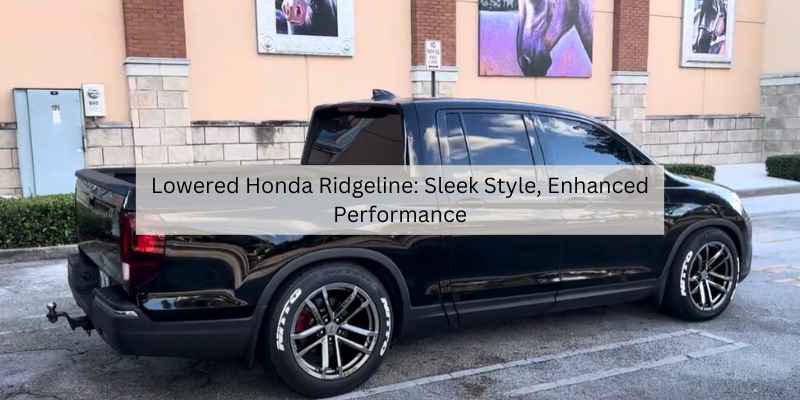
You’ve seen the photos online: a Ridgeline sitting low, filling its wheel wells, looking more like a sporty crossover than a pickup. It looks sharp. But before you spend money on a lowering kit, you need to know what actually happens to a unibody truck when you drop it. This isn’t a slammed Civic. The Ridgeline’s chassis, AWD system, and bed all react differently to a suspension change.
This guide walks through the mechanical reality of a lowered Honda Ridgeline. You’ll learn the pros and cons, the difference between a 1.5-inch and 2-inch drop, what it does to your towing setup, and what it costs. I’ll also cover the parts you should replace while you’re in there, because doing this job twice is a waste of time and money.

Detroit Axle
Detroit Axle - 14pc Suspension Kit for…
- Suspension Kit Replacement for 2006 2007 2008 2009 2010 2011 2012 2013 2014 Honda Ridgeline
- Kit Includes: 4x Front and Rear Sway Bar Links + 2x Front Lower Control Arms w/ Ball Joints + 4x Front Inner Outer Tie Rods + 4x F…
- Detroit Axle Strut Shock Assemblies are complete and ready for installation with no additional work or special tool required for i…
If your suspension is already worn, a full refresh makes sense before you add lowering components. A Ridgeline problems check will show common weak points. Many owners pair a lowering kit with a complete suspension replacement like the Detroit Axle 14pc kit for 2026-2026 models, which includes struts, shocks, control arms, and tie rods. It gives you a solid baseline to work from.
Why Lower a Unibody Pickup Like the Ridgeline?
The Ridgeline is already the best-handling truck in its class because it uses a unibody frame instead of a traditional body-on-frame setup. That means the cab and bed are one piece, which eliminates the flex you feel in a Tacoma or Colorado. Lowering it takes that inherent advantage and pushes it further.
You drop the center of gravity. The Ridgeline sits high from the factory, with roughly 8 inches of ground clearance. That’s great for gravel roads, but it creates body roll in corners. A 1.5-inch drop brings the chassis closer to the ground, reducing weight transfer and making the truck feel more planted.
There’s also a practical side. If you haul gear or have kids, a lower bed height makes loading easier. The stock bed sits at about 31 inches. Dropping it 2 inches puts it closer to 29 inches, which is right in line with most crossovers. That’s a real difference when you’re lifting a cooler or a stroller.
The Pros: Handling, Access, and Aesthetics
Let’s be honest about why most people do this: it looks good. A lowered Ridgeline with proper wheel offset and no fender gap looks intentional, like a street truck rather than a suburban utility vehicle. But the handling benefits are measurable, not just cosmetic.
- Reduced body roll: The stock suspension has soft springs to prioritize comfort. Lowering kits use stiffer springs or adjustable coilovers, which cut body roll significantly in highway on-ramps.
- Better steering response: Less suspension travel means less squat and dive. The front end feels more direct when you turn in.
- Easier entry: For shorter drivers or anyone with mobility issues, a 2-inch drop makes climbing into the cab noticeably easier.
- Improved aerodynamics: You’ll see a small fuel economy bump at highway speeds, usually 1-2 mpg, because the truck sits lower in the air.
That last point is a nice bonus, but don’t buy a kit expecting to save money at the pump. The handling and looks are the real reasons to do this.
The Cons: Clearance, Ride Quality, and Utility Trade-offs
Here’s where the hype dies. Lowering a Ridgeline creates real compromises, and you need to accept them before you buy anything.
Ground clearance drops to around 6 inches on a 2-inch drop. That means speed bumps need to be taken at an angle. Standard driveway aprons will scrape if you approach them straight on. You’ll learn to enter every parking lot diagonally, and you’ll still hear the occasional scrape of the front bumper lip.
Ride quality gets firmer. The stock Ridgeline rides like a large sedan. A lowering kit, especially one with cheap springs, will make the truck feel jittery over broken pavement. You trade float for feedback, and not everyone wants that.
Off-road capability is essentially gone. If you use your Ridgeline for light trails or dirt roads, don’t lower it. The reduced suspension travel means the wheels will top out over bumps, and the reduced clearance means rocks and ruts will hit the underbody. This is a street-only modification.
The Hidden Cost: Impact on AWD and Towing
This is the part most guides skip. The Ridgeline uses Honda’s i-VTM4 all-wheel-drive system, which can send up to 70% of torque to the rear axle and then distribute it side-to-side for torque vectoring. That system relies on the suspension geometry staying within factory specs.
When you lower the truck, you change the angle of the rear half-shafts and the control arms. A mild 1.5-inch drop usually stays within the operating range of the AWD system. A 2-inch drop or more can put the CV joints at an angle they weren’t designed for, which leads to premature boot wear and vibration under load.
You also change the rear axle geometry, which affects the rake of the truck. If the rear sits lower than the front, the truck’s stance changes and the headlight aim goes out of adjustment. You’ll need to re-aim your headlights after the install.
Towing takes a hit too. The Ridgeline’s towing capacity is 5,000 pounds, but that rating assumes stock ride height. Lowering the truck reduces the rear suspension travel, which means the rear end will sag more under a heavy trailer tongue. That reduces steering authority and can make the trailer sway more dangerous. If you tow near the limit regularly, do not lower the truck. If you tow occasionally, a 1.5-inch drop is manageable, but you should consider adding rear air bags to level the load. Check the Ridgeline camper towing details for more context.
How to Lower It: Kit Options vs. Custom Fabrication
You have two paths: a purpose-built kit or a custom setup. The kit route is safer, easier, and usually cheaper in the long run.
Traxda makes a dedicated 1.5-inch and 2-inch lift/lowering kit for the Ridgeline. It uses new strut mounts and rear spacers, keeping the factory spring rates. This is the smart choice for most owners. It preserves ride quality and doesn’t require cutting or welding.
Universal coilovers are the other option. Brands like BC Racing or K-Sport make coilovers that can fit the Ridgeline, but they often require modification to the mounting points. You’ll get adjustability for ride height and damping, but you’ll also get a harsher ride and potential fitment headaches. These are for people who track their trucks or want a specific stance.
Air suspension is the premium route. A full air setup like Air Lift or AccuAir gives you adjustable ride height on demand. You can raise the truck for driveways and lower it for the highway. It costs significantly more, usually double or triple the price of a static kit, and adds complexity with compressors and air lines.
Custom fabrication is the last resort. Cutting and re-welding control arms or mounting points is dangerous on a unibody truck. The Ridgeline’s frame is not a traditional ladder frame, so structural modifications compromise crash safety. I strongly advise against it.
The 1.5-Inch vs. 2-Inch Drop Decision
This is the first decision you’ll make, and it matters more than brand choice.
A 1.5-inch drop is the sweet spot for daily driving. You keep most of the suspension travel, the AWD system stays within spec, and you only need a mild camber kit to fix alignment. You’ll still clear most driveways, and the ride quality remains close to stock.
A 2-inch drop looks better because it eliminates more fender gap, but it introduces problems. You’ll need a full camber kit to bring the rear wheels back into alignment. The ride gets noticeably firmer. You’ll scrape on steeper driveways. And you run the risk of the rear half-shafts vibrating at highway speeds.
My recommendation is to start with 1.5 inches. If that’s not low enough for you, you can always go lower later. Going from 2 inches back to 1.5 is a wasted weekend and wasted money.
Installation, Alignment, and Camber Correction
This is not a beginner job. Lowering a Ridgeline requires compressing springs, removing struts, and dealing with rusted bolts. Plan for a full day of work if you have a lift and air tools. Add a day if you’re working on jack stands in your driveway.
The critical step after installation is a four-wheel alignment. The rear camber will be out of spec on any drop over 1 inch. Without a camber kit, the rear tires will wear on the inside edge, and you’ll be replacing tires every 15,000 miles instead of 40,000.
You’ll need rear camber arms to fix this. Brands like SPC or Eibach make adjustable arms that replace the factory units. They cost between $150 and $250 per pair. This is not optional. Skip it, and you’ll regret it when you see the inside of your rear tires.
Wheel offset matters too. The stock wheels have a +45mm offset. If you’re keeping the stock wheels, you’re fine. If you’re installing aftermarket wheels, stick to a +35mm to +45mm offset to keep the wheels tucked. A lower offset pushes the wheels outward, which can cause rubbing on the fender lip when the suspension compresses. For more on wheel choices, check this guide on Ridgeline wheels.
Cost Breakdown and Timeframe
Here’s what you should budget for a proper lowered Ridgeline. These are realistic estimates, not dealer prices.
- Lowering kit (Traxda or similar): $300–$600
- Camber kit (rear arms): $150–$250
- Struts and shocks (if not included): $400–$800
- Alignment: $80–$120
- Labor (if you don’t DIY): $400–$800
Total for a DIY install: roughly $500–$1,000. Total with professional installation: $1,000–$1,800. Air suspension will run $2,500–$4,000 installed.
Timeframe: expect 1–2 days for the install and alignment. If you’re also replacing the struts and control arms, add half a day. Don’t rush this job. A misaligned rear axle will chew through tires and make the AWD system act erratically.
Warranty, Insurance, and Legal Considerations
Lowering a vehicle voids the factory suspension warranty. That’s expected. But it can also affect other warranty claims. If you blow a CV joint on the rear axle, Honda can deny the claim because the angle is outside factory spec. That’s a real risk, not a theoretical one.
Insurance is another matter. Most states require you to notify your insurer of any modification that changes the vehicle’s height. If you don’t and you get into an accident, the insurer can deny coverage for the damage, arguing that the modification contributed to the loss. A phone call to your agent before you install the kit is worth the five minutes.
Legally, most states have a maximum allowable drop, usually around 2-3 inches from the factory ride height. A 2-inch drop on a Ridgeline is generally legal, but a 3-inch drop with air suspension bottomed out can put you below the minimum headlight height. Check your local vehicle code before you commit.
Frequently Asked Questions
Does lowering affect the Ridgeline’s resale value?
Yes, and not in a good way. A lowered Ridgeline appeals to a tiny niche of buyers. Most used truck shoppers want stock height, stock ride quality, and no modifications to worry about. You’ll likely take a hit of $1,500–$3,000 on resale compared to a stock truck. The exception is if you find a buyer who specifically wants a lowered truck, but that’s a waiting game.
Can you lower a Ridgeline without replacing the struts?
Yes, but it’s not a great idea. A kit like Traxda uses spacers and drop brackets that work with the factory struts, so you don’t have to replace them. But if your struts have over 80,000 miles on them, you’re lowering a worn suspension. That means you’ll be back in there in a year to replace the struts anyway. Do the full job once.
Bottom Line: Is It Worth It?
Lowering a Honda Ridgeline is a trade. You get sharper handling, a better stance, and easier loading. You give up ground clearance, ride comfort, and off-road ability. For a daily driver that never leaves pavement, a 1.5-inch drop is a solid, reversible modification that makes the truck more fun to drive. A 2-inch drop is for the committed, and you need to accept the scraping and the firmer ride.
- Start with a 1.5-inch drop kit, not 2 inches.
- Buy a rear camber kit. You will need it.
- Replace worn struts and control arms while you’re in there.
- Get a four-wheel alignment immediately after installation.
- Tell your insurance company before you install anything.
- Don’t tow near capacity with a lowered truck.
- Keep your stock parts. You’ll want them when you sell.
Products related to this article
Sponsored / affiliate links. As an Amazon Associate I earn from qualifying purchases. I may earn additional commission from eligible campaigns.