LS Swap Smart Car: A Guide to the Possibility
Thinking about an LS Swap Smart Car: Is It Possible? It’s a question many gearheads ponder. Beginners find the idea tempting, but it can seem overwhelming. You might feel uncertain about the process, but don’t worry! This guide is here to help you. We will simplify the process. Get ready to explore the exciting possibilities and steps involved.
What Makes an LS Swap Smart Car a Unique Challenge?
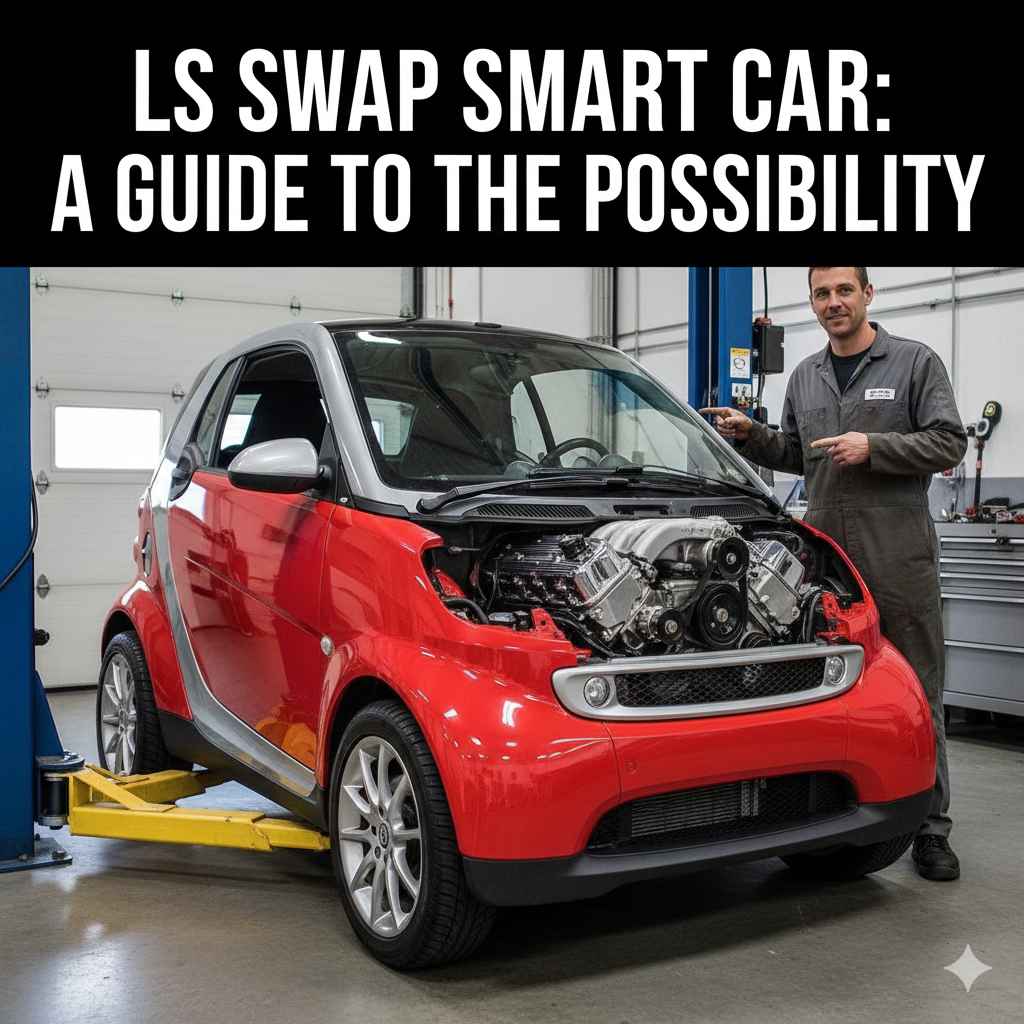
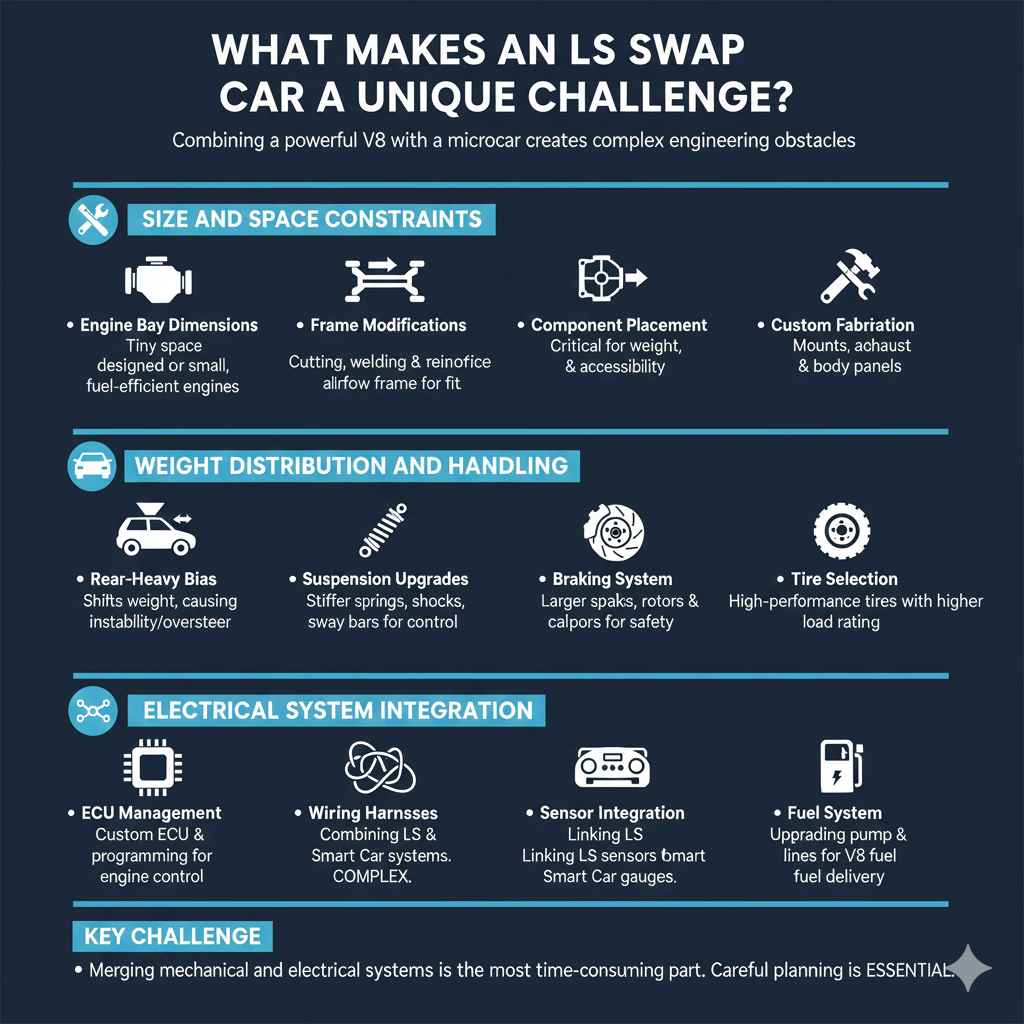
The concept of an LS swap in a Smart Car immediately presents a unique set of obstacles. These cars were built with small engines and compact spaces. The LS engine, a powerful V8, is considerably larger, requiring modifications. You have to consider weight distribution. Plus, you need to fit it into the car’s small frame. The electrical systems are also very different between the two vehicles, which makes it challenging. These and other elements contribute to the difficulty, which is what we will explore.
Size and Space Constraints
One of the biggest hurdles is the small size of the Smart Car. The engine bay is tiny, and the LS engine is considerably larger. This means that a lot of custom fabrication is necessary to make everything fit. You will probably need to modify the frame, firewall, and other components. You’ll need to figure out where to place things. These include the engine, transmission, cooling system, and exhaust. It’s a jigsaw puzzle that requires careful planning.
- Engine Bay Dimensions: Smart Cars are known for their compact engine bays, designed for small, fuel-efficient engines. This means that the space available for a larger engine like the LS is limited, requiring careful measurements and often extensive modifications.
- Frame Modifications: You may need to cut, weld, and reinforce the Smart Car’s frame to accommodate the LS engine and its supporting components. This can involve creating custom engine mounts, reinforcing the chassis to handle the increased power, and ensuring structural integrity.
- Component Placement: The placement of the engine, transmission, radiator, and other components is critical. You’ll need to consider factors such as weight distribution, airflow, and accessibility for maintenance. The goal is to maximize space.
- Custom Fabrication: Expect to fabricate custom parts to make everything fit. This might include engine mounts, transmission adapters, exhaust systems, and even body panels. This is where your skills come into play.
Weight Distribution and Handling
Adding a heavy LS engine to a small car significantly impacts its weight distribution. Smart Cars have a light rear-engine design, which provides good handling characteristics. An LS engine in the rear could cause the car to become very rear-heavy. This can negatively affect handling, making it more prone to oversteer. You must carefully consider the placement of components to maintain balance. The goal is a car that is safe and fun to drive. You may need to relocate components. Or, you might even consider adding weight in the front to offset the engine’s mass.
- Rear-Heavy Bias: The LS engine is heavier than the original Smart Car engine. This shifts the weight distribution towards the rear, potentially causing instability, especially during acceleration and cornering.
- Suspension Upgrades: The stock Smart Car suspension system may not be suitable for handling the increased weight and power of the LS engine. Suspension upgrades, such as stiffer springs, shocks, and sway bars, are essential to improve handling and control.
- Braking System: A more powerful engine requires a better braking system. The original brakes may not be adequate to stop the car safely. Upgrading to larger brakes, rotors, and calipers is critical for safety.
- Tire Selection: The tires must be able to handle the increased power and weight. High-performance tires with a higher load rating will be needed to ensure good grip and handling.
Electrical System Integration
Integrating the LS engine’s electrical system with the Smart Car’s existing system is one of the most involved parts of the LS swap. You must merge two entirely different wiring harnesses. Modern LS engines have complex electronics, including an engine control unit (ECU), sensors, and wiring. The Smart Car’s system is also quite complex and requires modification to work with the new engine. This includes linking the engine’s control unit with the car’s dashboard. It can be time-consuming and difficult if you don’t have experience with electrical systems. Careful planning and wiring diagrams are important.
- ECU Management: The LS engine requires its own ECU to control fuel injection, ignition timing, and other engine functions. You need to choose an ECU and programming strategy.
- Wiring Harnesses: You will need to combine the LS engine’s wiring harness with the Smart Car’s existing electrical system. You can strip the Smart Car down to the bare minimum needed to make it run.
- Sensor Integration: Connecting the LS engine’s sensors to the Smart Car’s dashboard gauges is important. This ensures that you have accurate readings for speed, RPM, and other critical functions.
- Fuel System: The fuel system also needs integration. You’ll need to install a fuel pump and fuel lines capable of delivering the right amount of fuel to the LS engine.
Planning the LS Swap Smart Car Build
A well-thought-out plan is essential before you begin an LS swap in a Smart Car. You’ll need to make choices about the engine, transmission, and components. This stage involves research. Consider your budget. Also consider the skills you’ll need. Proper planning improves efficiency and can reduce frustration. This also helps prevent costly mistakes.
Choosing the Right Engine and Transmission
The choice of engine and transmission is one of the most important decisions. LS engines come in various sizes and configurations. Choosing the right one for your Smart Car depends on your performance goals. The transmission also affects performance. You’ll need to pick a transmission that can handle the engine’s power and fit within the car’s tight space. It is important to find the right balance of power and reliability.
- LS Engine Variants: LS engines range from the LS1 to the LS7 and beyond. The LS1 is a popular choice for its balance of power and cost. The LS3 is also a good choice. Consider the availability, cost, and power output.
- Transmission Options: Several transmission options can work with an LS engine, including manual and automatic transmissions. The choice affects the driving experience and the amount of work needed for installation. The transmission must fit the Smart Car’s chassis.
- Engine and Transmission Compatibility: It’s crucial to ensure that the engine and transmission are compatible. You may need adapter plates or custom parts. Proper fitment and performance are important.
- Performance Goals: Consider your performance goals. Are you looking for a daily driver, a track car, or something in between? Your goals will influence your engine, transmission, and overall build choices.
Budgeting for the Project
LS swaps can be expensive, and it is very important to make a budget. The cost of parts, labor, and unexpected expenses can quickly add up. Create a detailed budget that covers all anticipated expenses. Then set aside extra money for unexpected costs. This helps you manage your finances. You can prioritize spending. Some tasks, like engine work, may require professional help. Other tasks can be done yourself. This can help keep costs down.
- Parts Costs: Engine, transmission, wiring harnesses, and custom fabrication will cost money. Research the prices of all the necessary components. This includes the engine, transmission, and any necessary adapters, mounts, and other components.
- Labor Costs: Unless you are doing the work yourself, factor in labor costs for any tasks you’re not comfortable doing. The cost of professional labor can be a significant part of the total cost.
- Unexpected Expenses: Always include a contingency fund to cover unexpected costs. These expenses often arise during projects of this scope. Things may break or you may discover something that needs replacing.
- Cost-Saving Strategies: You can save money by doing the work yourself. Also, you can buy used parts and source components from different places. Research and compare prices from different vendors to get the best deals.
Gathering Tools and Resources
Before you start your LS swap, be sure you have the right tools and information. You’ll need a variety of tools, including basic hand tools, specialty tools, and potentially welding equipment. You should have access to information, such as wiring diagrams, repair manuals, and online forums. The right tools can simplify the process. They make it easier to complete the project. Understanding how to use the tools is crucial. That includes safety, and this improves your chances of success.
- Essential Tools: Basic tools like sockets, wrenches, screwdrivers, and pliers are essential. You’ll also need specialized tools such as a torque wrench, engine hoist, and welding equipment.
- Diagnostic Tools: A code reader or scan tool can help you diagnose and troubleshoot electrical problems. This tool can also read sensor data. It can also help when tuning the engine.
- Repair Manuals: Obtain repair manuals for both the Smart Car and the LS engine. These resources will provide detailed instructions and diagrams for various aspects of the swap.
- Online Resources: Online forums, YouTube channels, and DIY guides can provide valuable information and support. Connect with others who have done similar swaps. You can learn from their experiences.
The Steps Involved in the LS Swap Smart Car
The process of completing an LS swap in a Smart Car can be broken down into steps. Each step has its own specific tasks and challenges. The scope of this project is extensive. You will need to take it one step at a time. This careful approach improves efficiency and lowers the risk of mistakes. You can create a timeline. This gives you a clear sense of progress as you complete each stage.
Removing the Existing Engine and Transmission
Removing the original engine is the first thing you have to do. Carefully disconnect all hoses, wiring, and other connections. You can then prepare the car for the new engine. Properly labeling and documenting each step will help. You can also make sure everything goes back together correctly. Taking photos is very helpful during the disassembly phase. This offers a visual record of where everything goes. That is very useful during reassembly.
- Disconnecting Systems: Disconnect the battery, fuel lines, electrical connections, and other systems connected to the engine. Drain fluids like coolant and oil to avoid spills and messes.
- Supporting the Car: Properly support the Smart Car on jack stands. Ensure that it is stable and safe to work around. This includes taking necessary precautions.
- Engine Removal: Use an engine hoist or other lifting device to carefully remove the original engine and transmission. Be sure to have help to move it.
- Preparing the Engine Bay: Once the engine is out, thoroughly clean the engine bay and remove any unnecessary components. You will need a clean and spacious working area.
Mounting the LS Engine and Transmission
After the old engine is removed, you can begin the process of fitting the LS engine. This involves fabricating engine mounts and adapting the transmission to the Smart Car’s chassis. This step often requires custom fabrication. It also demands careful measurements. Achieving a perfect fit is important. Proper alignment ensures that the engine and transmission are correctly positioned. It also minimizes vibrations and maximizes performance. It’s important to make sure everything lines up.
- Custom Engine Mounts: Fab or use aftermarket engine mounts that will secure the LS engine to the chassis. These mounts need to align the engine. Ensure they are strong enough to handle the engine’s power.
- Transmission Adapter Plates: Adapter plates may be needed to connect the transmission to the LS engine. These must be correctly made and properly installed.
- Chassis Modifications: You may need to modify the chassis to accommodate the engine. This can include trimming, welding, or reinforcing certain areas.
- Alignment and Fitment: Make sure that the engine and transmission are correctly aligned. This prevents vibrations and ensures optimal performance. This step can require repeated adjustments.
Wiring and Electrical Integration
Integrating the LS engine’s electrical system with the Smart Car’s wiring is a complex task. You need to combine the LS engine’s ECU and harness with the car’s existing electrical system. It is very important to have a good understanding of both systems. This can require careful labeling, documentation, and the use of wiring diagrams. This step is essential for making the engine function and for making the gauges work correctly. Getting it right is also essential for safety.
- ECU Wiring: Connect the LS engine’s ECU to the appropriate sensors and components. Make sure the connections are secure. Verify that the system has power and data.
- Harness Integration: Integrate the LS engine’s wiring harness with the Smart Car’s existing electrical system. This involves splicing, connecting, and routing wires.
- Sensor Connections: Connect the LS engine’s sensors to the Smart Car’s dashboard gauges. This ensures that you have accurate readings for speed, RPM, and other vital functions.
- Fuel and Ignition Systems: Make sure the fuel and ignition systems work together. Proper setup is important for the engine to start and run correctly.
Cooling, Exhaust, and Fuel Systems
The cooling system, exhaust, and fuel system must be adjusted for the LS engine. This involves selecting and installing components that are suitable for the new engine. Ensure there is enough cooling capacity. You’ll need to create a custom exhaust. The fuel system must provide the right fuel delivery to keep the engine running smoothly. The process of modifying and creating these systems will require careful planning and skilled work. These systems are key for the overall performance and reliability of the vehicle.
- Cooling System Upgrades: Select and install a radiator and fans. Make sure that they have sufficient cooling capacity. This will prevent overheating.
- Exhaust System Design: Design and fabricate a custom exhaust system. It must fit within the space and meet local noise regulations. You can modify the exhaust system to improve performance and sound.
- Fuel System Upgrades: Install a fuel pump and fuel lines. Make sure that they can deliver the right amount of fuel to the LS engine. This will keep the engine running correctly.
- System Testing: Test the cooling, exhaust, and fuel systems. This ensures there are no leaks or blockages. Verify that the systems operate correctly.
The Finishing Touches and Road Testing
After the main mechanical and electrical work is completed, you’ll move on to the final stages of the project. These finishing touches will ensure the car is ready for road use. You must carefully check all systems. Perform a thorough road test to evaluate performance. Fine-tuning the engine will maximize power. These steps are a celebration of your hard work. They will lead you to the first drive.
Fine-Tuning the Engine and ECU
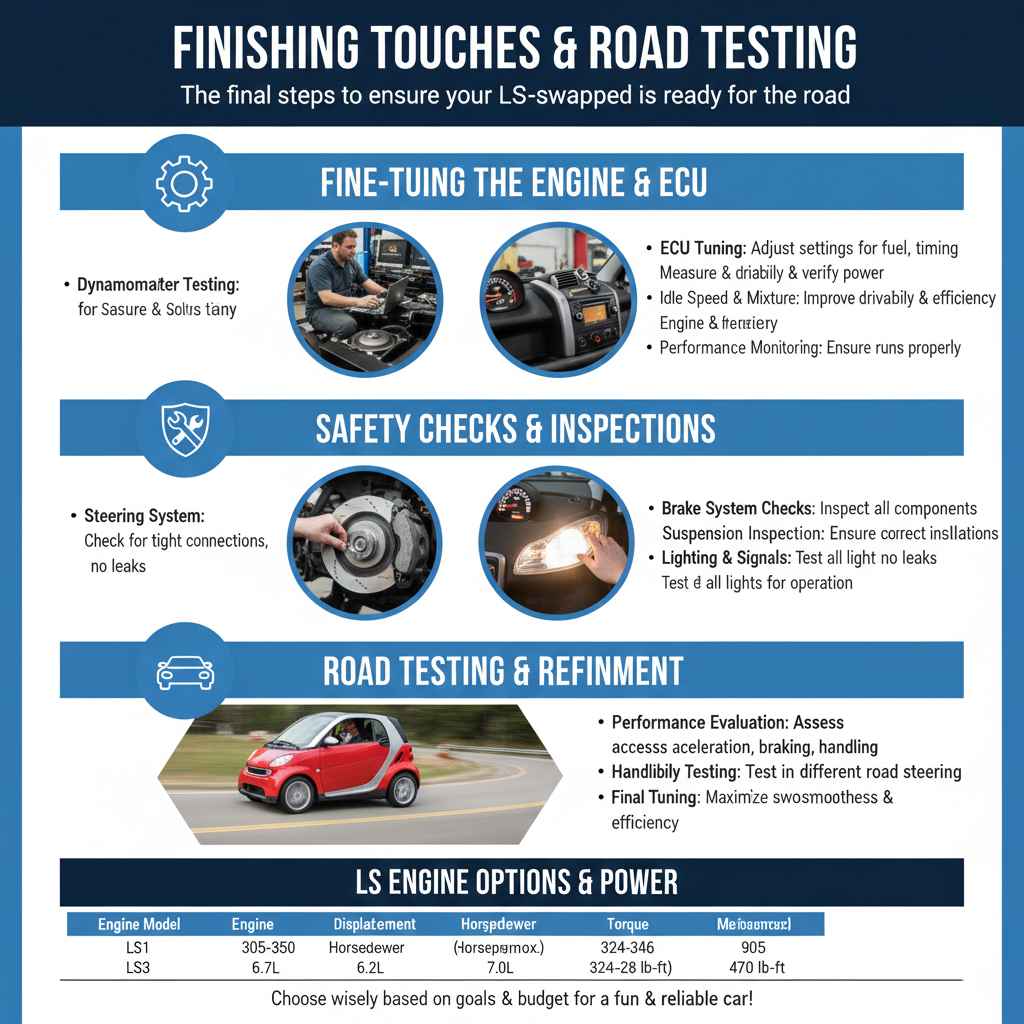
Fine-tuning the engine is critical for optimizing performance. This typically involves adjusting the engine’s ECU. The ECU controls various aspects of the engine’s operation. This includes fuel delivery, ignition timing, and idle speed. The process often involves using a dynamometer. This will measure the engine’s power output. These adjustments are also important for drivability, fuel efficiency, and overall engine health. Correctly adjusted engines provide a better driving experience. This maximizes efficiency.
- ECU Tuning: Connect to the LS engine’s ECU and adjust the settings. The adjustments help optimize fuel delivery, ignition timing, and other parameters.
- Dynamometer Testing: Use a dynamometer to measure the engine’s power output. Also use it to verify the effectiveness of the tuning adjustments.
- Idle Speed and Mixture: Make adjustments to the idle speed and air-fuel mixture. These can improve drivability and fuel efficiency.
- Performance Monitoring: Monitor the engine’s performance. Monitor gauges, and look for any issues or anomalies. Make sure the engine is running properly.
Safety Checks and Inspections
Prior to hitting the road, perform a comprehensive safety check. This will ensure that the car is safe to drive. Inspect all mechanical, electrical, and structural components. This includes brakes, suspension, steering, and other systems. Proper inspection is very important. This also helps ensure that the car meets all safety regulations. A thorough inspection could prevent accidents. This will also ensure a smoother, safer driving experience.
- Brake System Checks: Inspect the brakes, rotors, calipers, and brake lines. Verify they are in good working order.
- Suspension Inspection: Examine the suspension components. Ensure they are correctly installed and functioning properly.
- Steering System: Inspect the steering system. Ensure the connections are tight. There should be no leaks.
- Lighting and Signals: Test all lights and signals. Ensure they are operating correctly. This is very important for safe driving.
Road Testing and Refinement
The road test is your chance to evaluate the car’s performance. You will be able to identify any remaining problems or areas for refinement. Take the car on various roads. This includes highways, city streets, and winding roads. Pay attention to how it accelerates, brakes, and handles. After the road test, make necessary adjustments. These adjustments can enhance performance. They also improve the overall driving experience.
- Performance Evaluation: Evaluate the car’s acceleration, braking, and handling characteristics. Identify any issues or areas that require improvement.
- Drivability Testing: Test the car’s drivability in different conditions. Evaluate its performance.
- Handling Adjustments: Make adjustments to the suspension, steering, or other components. This improves handling.
- Final Tuning: Fine-tune the engine and ECU. Ensure the engine runs smoothly and efficiently. The goal is to maximize performance.
Here’s a table comparing LS engine options and their approximate power outputs:
| Engine Model | Displacement | Horsepower (Approximate) | Torque (Approximate) |
|---|---|---|---|
| LS1 | 5.7L | 305-350 | 335-360 lb-ft |
| LS3 | 6.2L | 430-436 | 424-428 lb-ft |
| LS7 | 7.0L | 505 | 470 lb-ft |
This information should give you a better idea of the power that each LS engine can produce. It’s important to consider which engine is best for your particular project. Think about your goals, and your budget before making a final decision. You want a car that is fun to drive. You also want to make sure it will be a reliable daily driver.
Frequently Asked Questions
Question: Is an LS swap legal in all areas?
Answer: Regulations vary. Check local laws regarding engine swaps and emissions to confirm.
Question: Can I do this swap without welding?
Answer: It’s extremely difficult. Welding is often needed to create custom mounts and make changes.
Question: How much does an LS swap cost, roughly?
Answer: Costs range based on engine choice, parts, and labor, potentially reaching $10,000 or more.
Question: What’s the biggest challenge?
Answer: Fitting the LS engine into the compact Smart Car engine bay is the greatest challenge.
Question: Are there any companies that specialize in LS swaps for Smart Cars?
Answer: While not common, some shops or specialists may offer LS swap kits and services.
Final Thoughts
Completing an LS swap on a Smart Car is a huge project. It demands considerable time, skill, and resources. You must carefully assess the challenges. You will then have to go step by step. This process requires a strong understanding of mechanical, electrical, and fabrication principles. Remember to plan thoroughly. You’ll also need a budget.
The journey is very involved. You will have to face some difficult problems. However, the final product is unique. If completed correctly, you will have an incredibly exciting and rewarding car. Start with detailed planning. Then break the project into manageable tasks. You will be able to get your own high-powered Smart Car.