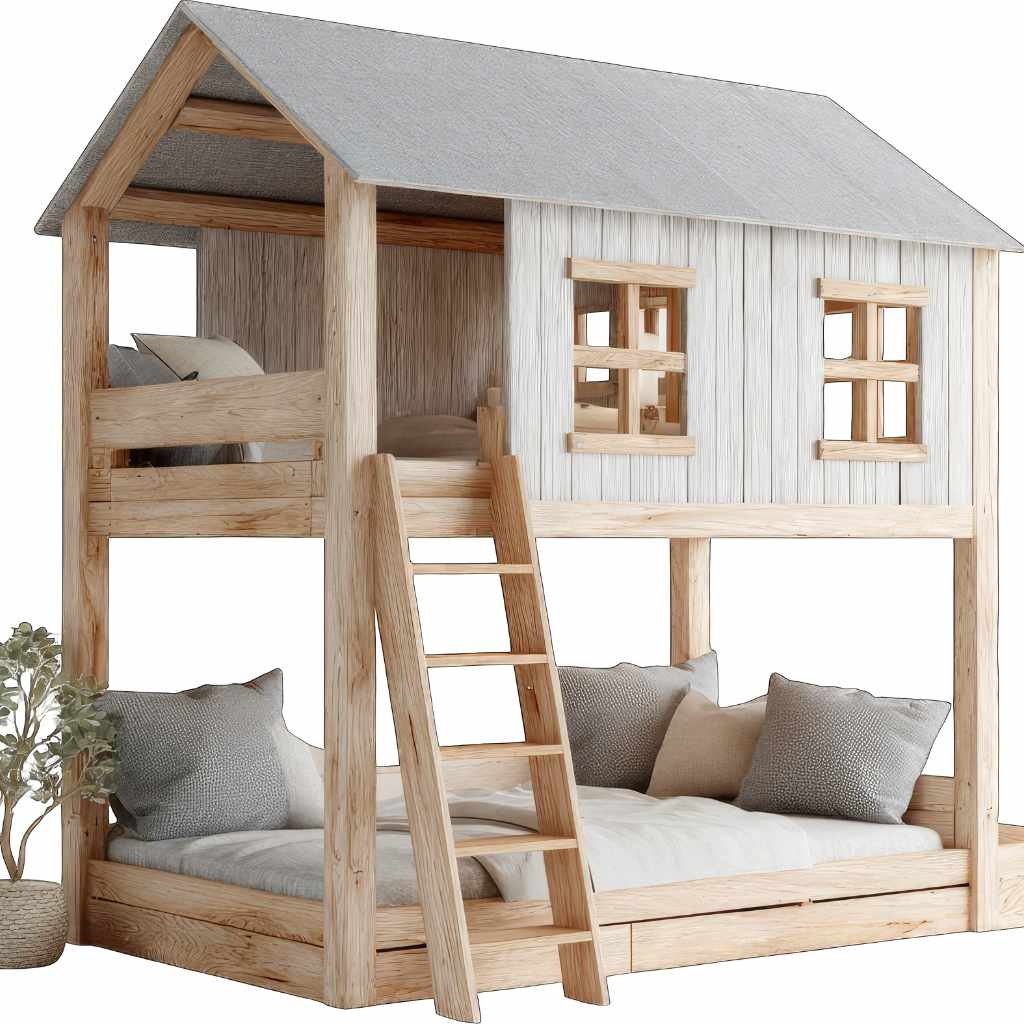
Metal vs Wood Bunk Bed Durability Style Guide
Choosing a bunk bed for your kids can feel like a big decision, especially when you start looking at all the options. It’s common to wonder about the differences between metal and wood. Our Metal vs Wood Bunk Bed Durability and Style Guide is here to make things simple.
We’ll walk you through everything you need to know step by step so you can pick the perfect bed without any stress. Get ready to find out what works best for your space and your family.
Bunk beds are a fantastic way to save space in bedrooms, especially when kids share a room or when you have sleepovers. But when it’s time to buy, you’re often faced with two main choices: metal or wood. Both have their own good points and not-so-good points.
Figuring out which one is better for durability and style can be a puzzle. Let’s break it down so you can make a smart choice for your home.
Understanding the Materials
The main difference between bunk beds comes down to the material they’re made from. Metal beds are typically made from steel or iron, while wood beds use a variety of hardwoods or softer woods. Each material affects the bed’s look, feel, strength, and how long it will last.
Durability: How Long Will It Last?
Durability is a big deal when it comes to children’s furniture. Kids can be rough on things, so you want a bed that can handle a lot of use. Both metal and wood can be very durable, but they have different strengths and weaknesses.
Metal Bunk Beds
Metal bunk beds are known for their strength and resilience. Steel and iron are strong metals that can support a lot of weight. This makes them a good choice for bunk beds, as they need to hold the weight of two people, plus any jumping or roughhousing.
- Strength: Metal frames are generally very strong and less likely to warp or break under pressure compared to some types of wood.
- Longevity: A well-made metal bunk bed can last for many years, even through multiple children.
- Resistance to Pests: Unlike wood, metal is not susceptible to termites or other wood-boring insects.
- Maintenance: Metal frames are usually easy to clean with a damp cloth. They don’t require waxing or polishing.
However, metal can sometimes be prone to rust if exposed to moisture, though most modern beds have protective coatings to prevent this. They can also be noisy, sometimes creaking or rattling with movement, especially if not assembled tightly.
Wood Bunk Beds
Wood bunk beds offer a different kind of durability. The type of wood used plays a significant role in how strong and long-lasting the bed will be.
- Sturdiness: Hardwoods like oak, maple, or pine are very sturdy and can hold up well to daily use. Softer woods might be less durable.
- Weight Capacity: Good quality wood bunk beds can support substantial weight, often comparable to metal ones.
- Aesthetics: Wood has a natural warmth and beauty that many people prefer. It can also be painted or stained to match any room decor.
- Quietness: Wood is generally quieter than metal. It’s less likely to creak or rattle, offering a more peaceful night’s sleep.
Wood can be susceptible to scratches, dents, and warping if exposed to extreme humidity or moisture. It may also require more maintenance over time, such as tightening screws or touching up the finish. High-quality wood is an investment, but it can last for a very long time.
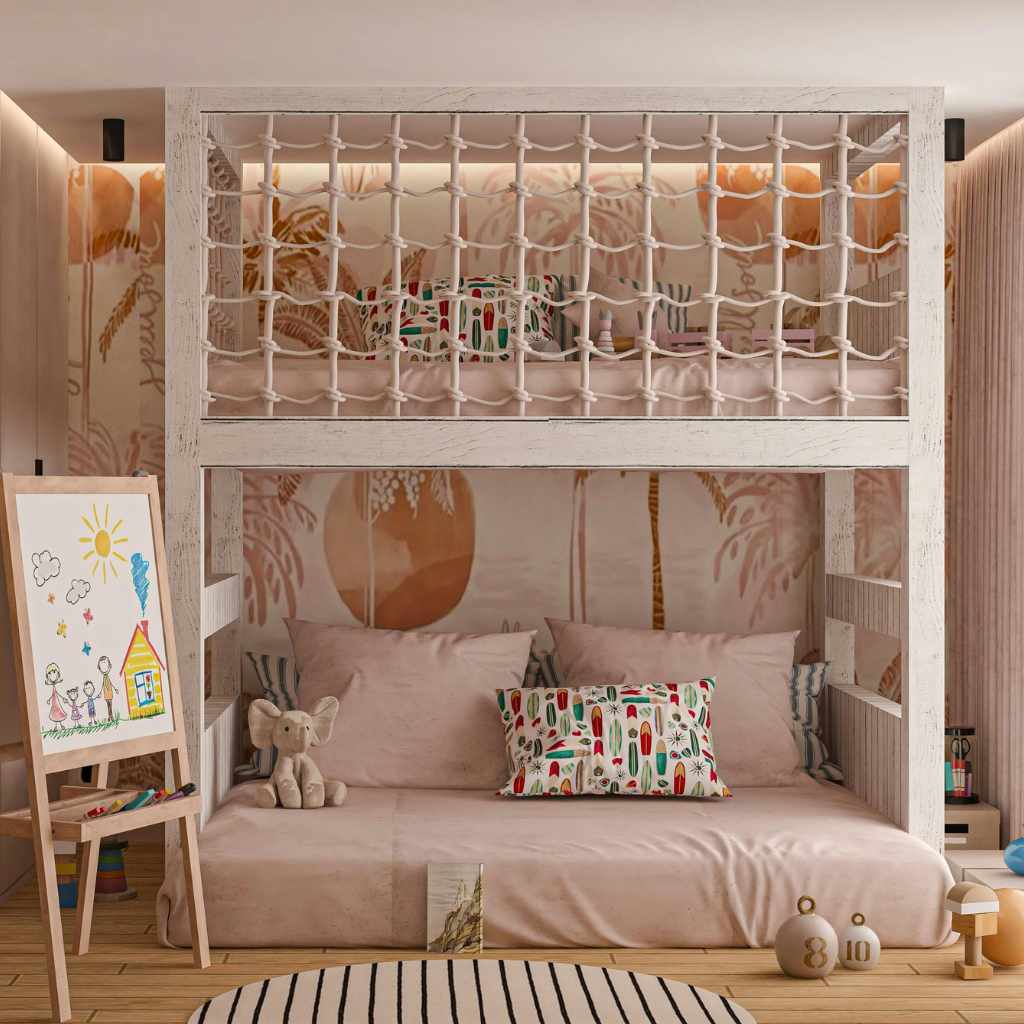
Style: What Looks Best?
The style of a bunk bed can transform a child’s room. Metal and wood offer very different aesthetic possibilities. Your choice will depend on the overall look you want for the bedroom.
Metal Bunk Bed Styles
Metal bunk beds often have a modern, minimalist, or industrial look. They are available in a wide range of colors and finishes.
- Modern and Sleek: The clean lines of metal beds fit well in contemporary rooms.
- Industrial Charm: Exposed metal frames can give a room a bit of an industrial vibe.
- Color Options: They come in black, white, silver, and various other painted colors, making them versatile for different themes.
- Space-Saving Designs: Many metal beds have slim frames that take up less visual space.
Some metal beds might have a more utilitarian appearance, which might not suit every decor style. They can also feel colder to the touch than wood.
Wood Bunk Bed Styles
Wood bunk beds offer a classic, warm, and inviting look. They are incredibly versatile in terms of style, from rustic to contemporary.
- Classic and Cozy: Natural wood grains add warmth and a comforting feel to a room.
- Versatile Finishes: Wood can be stained in various shades or painted any color, allowing for endless customization.
- Rustic Charm: A solid wood bed can give a room a cozy, cabin-like feel.
- Traditional Appeal: Many wood bunk beds feature more traditional designs with headboards and footboards.
Wood beds can sometimes look bulkier than metal ones, which might be a consideration for very small rooms. The style also depends heavily on the wood type and the craftsmanship.
Comparing Key Features
Let’s put some of the key differences side-by-side to help you decide.
| Feature | Metal Bunk Beds | Wood Bunk Beds |
|---|---|---|
| Durability | High strength, resistant to pests, can be noisy. | Sturdy (especially hardwoods), can be scratched/dented, generally quieter. |
| Style | Modern, sleek, industrial, wide color range. | Classic, warm, natural, highly customizable finishes. |
| Weight | Can be lighter, easier to move. | Often heavier, more substantial feel. |
| Maintenance | Easy to clean, no special treatments needed. | May need occasional tightening, can be refinished. |
| Cost | Can be more affordable, but high-end options exist. | Varies widely based on wood type and craftsmanship. |
| Noise | Can creak or rattle. | Generally quieter. |
Safety Considerations
Safety is paramount when choosing any bunk bed. Both metal and wood beds can be safe if they meet current safety standards. Look for certifications from organizations that test furniture safety.
Metal Bed Safety
Metal bunk beds typically have strong frames that are less likely to wobble. However, ensure that the metal does not have sharp edges. Guardrails on the top bunk are essential, as are sturdy ladders.
Wood Bed Safety
Well-constructed wood bunk beds are also very safe. The main concern is ensuring the wood is solid and free from splinters. Again, proper guardrails and a secure ladder are critical safety features.
Assembly and Installation
Both types of bunk beds require assembly. The ease of assembly can vary greatly depending on the specific model and brand.
Metal Bed Assembly
Metal beds often come with pre-drilled holes and hardware. They can sometimes be a bit tricky to align perfectly, and it’s important to tighten all bolts securely to prevent noise and ensure stability.
Wood Bed Assembly
Wood beds might involve more pieces and require careful alignment of panels. If the wood is heavy, two people might be needed for assembly. Again, secure tightening of all screws and bolts is key for a stable and safe bed.
Choosing the Right Fit for Your Room
Think about the size and layout of the room. A metal bed with a slim profile might be better for a very small room, making it feel less crowded. A solid wood bed can make a larger room feel cozier.
Consider the existing decor. If the room has a modern feel, a metal bed might blend in better. If the room has a more traditional or natural vibe, a wood bed would likely be a better fit.
Maintenance and Upkeep
Both types require some care. Metal beds generally need simple dusting and occasional wiping down. If there’s any sign of rust, it should be addressed to prevent further damage.
For wood beds, regular checks to ensure all screws are tight are important. Spills and moisture should be wiped up quickly to prevent damage to the finish or wood.
Budget Considerations
The price of bunk beds varies greatly. Generally, basic metal bunk beds can be more affordable than basic wood bunk beds. However, high-end, designer metal beds can be as expensive, if not more so, than solid hardwood bunk beds.
When comparing prices, always look at the quality of materials and construction.
Frequently Asked Questions
Question: Which bunk bed is stronger metal or wood?
Answer: Both metal and wood can be very strong. Steel metal beds are known for their high tensile strength and resistance to bending, while hardwood beds like oak or maple are also very sturdy and can support significant weight. The quality of the specific materials and construction is more important than just the material type.
Question: Are metal bunk beds noisy?
Answer: Metal bunk beds can sometimes be noisy, creaking or rattling with movement. This is often due to the metal parts rubbing together. Ensuring all screws and bolts are tightened properly during assembly can help reduce noise.
Some models are designed with features to minimize sound.
Question: Which type of bunk bed is easier to clean?
Answer: Metal bunk beds are generally easier to clean. They can be wiped down with a damp cloth and dry quickly. Wood bunk beds also require simple cleaning, but some finishes might be more sensitive to moisture or require specific cleaning products.
Question: What style of room suits a metal bunk bed best?
Answer: Metal bunk beds are well-suited for modern, contemporary, or industrial-style bedrooms. They offer a sleek and minimalist look that can complement a variety of color schemes. They are also a good choice for rooms where a lot of bright colors are used, as the metal bed doesn’t visually compete with other decor.
Question: Can wood bunk beds be painted or stained?
Answer: Yes, wood bunk beds can be painted or stained to match any decor. Most wood beds come with a natural finish that can be sanded down and then repainted or stained to achieve a desired look. This offers a great deal of customization.
Final Thoughts
Deciding between a metal and wood bunk bed really comes down to what matters most for your specific situation. If you need something that is very low maintenance, perhaps with a more modern look, a metal bed might be your best bet. They are often straightforward to clean and can fit into many contemporary spaces.
On the other hand, if you love the natural warmth and classic appeal of wood, or if you plan to paint or stain the bed to perfectly match your room’s theme, then a wood bunk bed would be an excellent choice. Think about the overall feel you want in the room, how much usage the bed will get, and what style best fits your home. Both materials, when of good quality, can provide a safe, durable, and stylish sleeping solution for years to come.