Most Cost-Efficient Car Heating Settings Explained
Figuring out the best way to warm up your car without using too much gas can seem tricky at first. Many people wonder about the right buttons to push and dials to turn for the Most Cost-Efficient Car Heating Settings Explained. It’s easy to feel a little lost when you’re just starting out.
But don’t worry, we’ll walk through it step by step. We’ll make it super simple so you can save money and stay cozy this winter.
Understanding Your Car’s Heating System
Your car’s heating system is designed to use the engine’s waste heat to warm the cabin. When the engine runs, it gets hot. A special part called the heater core acts like a small radiator inside your car.
Hot engine coolant flows through the heater core, warming it up. A fan then blows air over this hot heater core and into the car’s interior. Understanding this basic flow helps explain why certain settings are more efficient than others.
It’s all about using that engine heat wisely.
Many drivers are unsure about the best way to control the temperature and airflow to save fuel. They might not know if using the “recirculate” setting is always best or if they should always run the AC. This section will break down the core components and how they work together.
We’ll cover what the heater core is, how the fan speed affects things, and why the engine temperature plays a role.
Key Components of Your Car’s Heater
The heart of your car’s heating system is the heater core. This is a miniature radiator located behind your dashboard. Hot engine coolant circulates through it.
The blower motor, often called the fan, is what pushes air through the heater core and into your car’s cabin. Its speed directly impacts how quickly warm air enters.
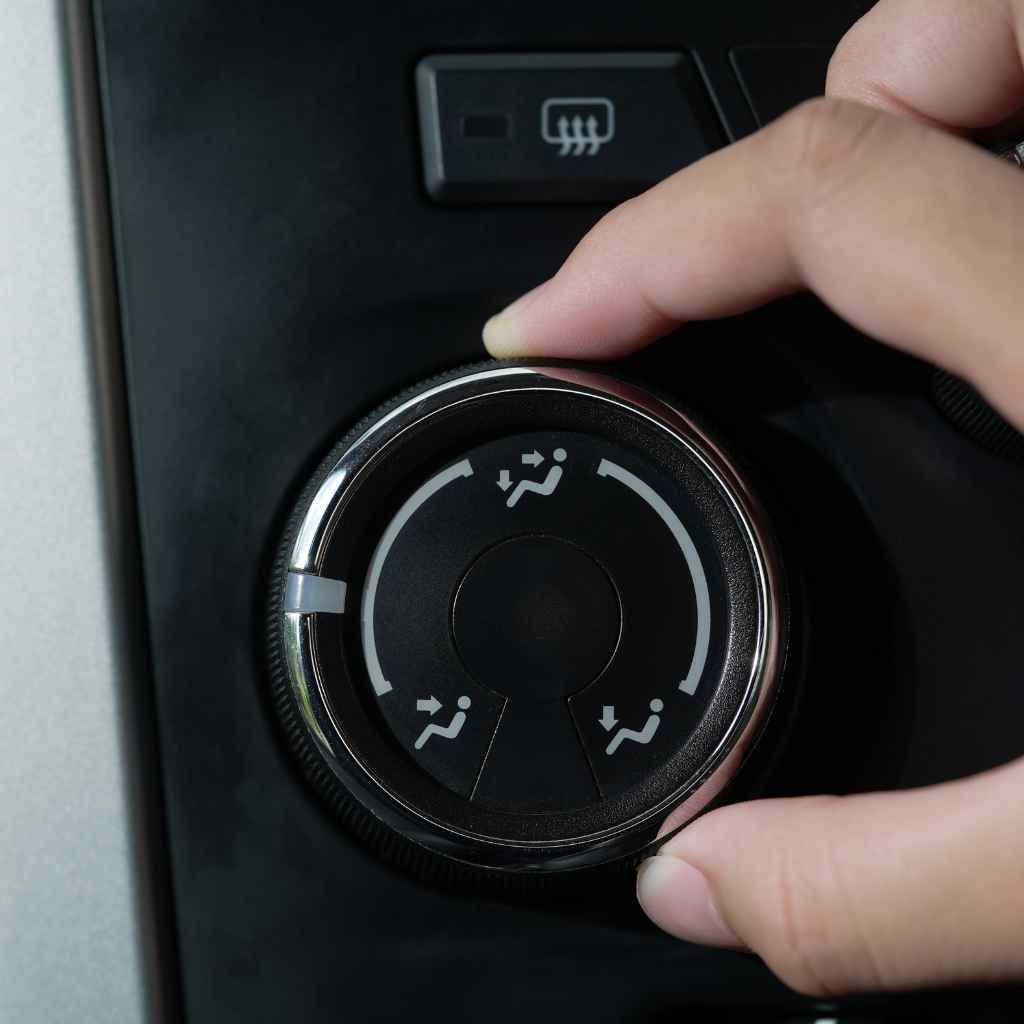
Control knobs or buttons allow you to adjust the temperature and fan speed. Some cars also have a vent selection dial that directs air to the floor, face, or windshield.
Heater Core: This is a small radiator, usually made of aluminum or brass, that sits behind the dashboard. It’s connected to the engine’s cooling system. Hot coolant from the engine flows into the heater core, transferring its heat to the metal fins.
This heated metal then warms the air that passes over it. The larger the surface area of the heater core and the hotter the coolant, the more heat can be transferred. It’s a passive component, meaning it doesn’t use any electricity itself to generate heat, relying solely on the engine’s thermal energy.
Blower Motor: This electric motor powers a fan. The fan draws outside air or recirculated cabin air and forces it through the heater core. You control the blower motor’s speed using the fan speed dial or buttons.
A higher fan speed means more air is moved, leading to faster heating of the cabin, but it can also require more energy from the car’s electrical system and make the fan itself produce more noise. Different fan speeds are useful for different situations – a low speed is good for gentle heating, while a high speed can quickly clear a foggy windshield.
Thermostat: While not directly part of the heating system’s airflow, the engine’s thermostat plays a critical role in heating efficiency. It regulates the engine’s operating temperature. If the thermostat is stuck open, the engine may not reach its optimal operating temperature, especially in cold weather, meaning less heat is available for the heater core.
If it’s working correctly, it ensures the engine runs hot enough to provide ample warmth.
Maximizing Heat Output Efficiently
To get the most warmth from your car without wasting fuel, you need to understand how to use your car’s controls smartly. The goal is to let the engine warm up properly and then direct that heat where you need it. Using settings that force the engine to work harder than necessary or that dissipate heat too quickly will cost you more in gas.
We’ll look at the best ways to set your temperature, fan speed, and airflow.
This part focuses on practical tips. We will explain how to use the temperature dial, fan speed, and the difference between fresh air and recirculated air. You’ll learn why it’s important to let your engine reach a good operating temperature before expecting maximum heat.
We’ll also touch on how using the air conditioning can sometimes help with defrosting, which might seem strange but has a good reason behind it.
The Role of Engine Temperature
Your car’s heater relies on the heat generated by the engine. The engine needs to reach a normal operating temperature to produce enough heat for your cabin. If you start using the heater when the engine is still cold, you’re asking it to warm up faster than it naturally would, which can make it run less efficiently.
This is why waiting a few minutes after starting your car, especially in very cold weather, is important. During this time, the engine’s coolant warms up. The hotter the coolant, the hotter the air blown into your cabin will be.
Running the heat before the engine is warm enough means you’re essentially trying to heat the car with a lukewarm engine, which is less effective and can even prolong the time it takes for your engine to reach its peak efficiency. Some vehicles have a temperature gauge on the dashboard that shows you when the engine is warming up.
Fresh Air vs. Recirculation Setting
The recirculation setting is a key feature for efficient heating. When you turn it on, your car’s fan pulls air from inside the cabin and heats it, rather than drawing in cold outside air. This means the system has less air to heat, so the cabin warms up faster.
It also helps keep the warm air inside, preventing it from escaping.
Using recirculation is particularly useful when you first start your car on a very cold day. It helps to quickly bring the cabin temperature up to a comfortable level. However, it’s not ideal for long periods, especially if you have more than one passenger or if the air inside the car becomes stuffy.
Continuous recirculation can lead to fogged windows because the moisture from occupants’ breath gets trapped inside. A good strategy is to use recirculation for the initial warm-up and then switch to fresh air occasionally to keep the cabin air clean and clear.
There’s a common misconception that using recirculation is always the most efficient choice. While it speeds up the initial warm-up, it doesn’t account for air quality. Over time, the air inside a recirculating cabin can become humid and stale.
Fresh air, on the other hand, continuously brings in cooler outside air, which needs more energy to heat.
Consider this scenario: You start your car in freezing temperatures. The outside air is very cold. If you use the fresh air setting, the fan will pull in this frigid air, and your heater will work harder and longer to warm it up.
This consumes more fuel. By using the recirculation setting, the fan draws in the already slightly warmer cabin air, allowing the heater to achieve a comfortable temperature much faster. Once the cabin is warm, switching to fresh air helps maintain a comfortable temperature and improves air quality.
Fresh Air Setting: This setting draws air from outside your vehicle and passes it through the HVAC (Heating, Ventilation, and Air Conditioning) system before it enters the cabin. This ensures a constant supply of oxygen and helps prevent the cabin from becoming stuffy or humid. It’s great for air quality and visibility but can mean your heater works harder on very cold days because it has to heat a larger volume of colder air.
Recirculation Setting: This setting means the system draws air from inside the car’s cabin, reheats it, and recirculates it back into the cabin. This is generally more efficient for quickly warming up the interior on cold days because there’s less air for the heater to warm. It also helps to keep the heat inside the vehicle.
However, prolonged use can lead to higher humidity levels and potentially stale air, which can cause windows to fog up.
Optimizing Fan Speed and Temperature Settings
The fan speed and temperature settings work together to control the amount and warmth of the air entering your cabin. For quick heating, you might want to set the fan speed higher initially and the temperature to its warmest setting. This quickly circulates warm air.
Once the cabin reaches a comfortable temperature, you can lower the fan speed and adjust the temperature dial. Lowering the fan speed reduces the amount of air being pushed through the heater core. This allows the heater core to heat the air more effectively and reduces the load on the car’s electrical system.
Setting the temperature to just warm enough, rather than the absolute hottest, also saves energy.
Using the automatic climate control features, if your car has them, can be very efficient. These systems monitor the cabin temperature and automatically adjust the fan speed and air mix to maintain your set temperature. This avoids the back-and-forth adjustments you might make manually, which can sometimes lead to over-heating or under-heating and wasted energy.
A common mistake is to keep the fan on high speed even after the car is warm. This forces more air over the heater core than is needed, which can cool the heater core down slightly, making it less efficient. It also uses more electricity for the blower motor.
Similarly, setting the temperature to maximum heat when only mild warmth is needed is wasteful. Find a balance that keeps you comfortable without overdoing it.
Fan Speed: This controls how much air the blower motor pushes through the system. A higher fan speed means faster airflow and quicker heating, but it uses more electrical power and can make the air feel less warm because it moves through the heater core faster. A lower fan speed provides gentler heating and uses less electrical power.
Temperature Dial/Setting: This adjusts how much hot air from the heater core is mixed with cooler air. Turning it to the warmest setting allows all the air to pass over the heater core. Setting it to a cooler temperature mixes in more unheated air, reducing the overall warmth.
Smart Heating Strategies for Fuel Economy
When it comes to saving money on gas, your heating habits can make a noticeable difference. The goal is to use the least amount of energy possible to achieve comfort. This means letting your car’s engine do its work efficiently and directing that warmth precisely where it’s needed.
We will explore strategies that go beyond just turning the dial.
This section will cover tips like pre-heating your car if possible, using seat heaters instead of cabin heaters when appropriate, and the benefits of good insulation. We’ll also look at how aggressive driving can impact heating efficiency. You will learn about simple yet effective ways to reduce fuel consumption related to car heating.
The Role of Engine Load and Driving Style
How you drive your car significantly impacts how quickly the engine warms up and how much heat it produces. Idling for extended periods, especially in cold weather, means the engine is running but not generating much heat efficiently. This is because the engine isn’t working hard enough to produce a lot of waste heat.
Aggressive driving, such as rapid acceleration and hard braking, can also affect heating efficiency. While it might warm the engine up faster, it burns a lot more fuel. The most fuel-efficient way to warm up your car and maintain its temperature is by gentle acceleration and steady driving once the engine has warmed sufficiently.
Avoiding prolonged idling is one of the biggest steps you can take to save fuel when heating your car.
Consider this: If your car idles for 10 minutes in freezing weather, it might use about 0.15 gallons of fuel, depending on the engine size. If you then drive gently for 10 minutes to reach the same cabin temperature, you might use slightly more, but you’ll be moving and the engine will reach optimal operating temperature faster. Over time, reducing idling saves a significant amount of fuel.
Many modern cars are designed to warm up more efficiently when driven gently rather than left to idle.
A 2019 study by the U.S. Department of Energy found that idling a typical passenger car for 10 minutes a day can waste about 100 gallons of fuel per year. While this study didn’t specifically focus on heating, it highlights the general inefficiency of idling.
For heating purposes, idling for warmth is particularly wasteful because the engine isn’t producing maximum heat output during this low-load state.
Engine Load: This refers to how hard the engine is working. Higher engine load, such as during acceleration or climbing a hill, means the engine burns more fuel and produces more heat. Lower engine load, like during idling or steady cruising, burns less fuel and produces less heat.
Driving Style: This encompasses how a driver accelerates, brakes, and maintains speed. Aggressive driving (hard acceleration, sudden braking) increases fuel consumption and engine strain. Smooth, steady driving is more fuel-efficient and allows the engine to reach and maintain its optimal operating temperature with less wasted energy.
Using Seat Heaters and Other Features
Many cars today come with features that can help you feel warmer without needing to blast the cabin heater. Seat heaters are a fantastic example. They directly warm your body, making you feel comfortable much faster than waiting for the entire cabin to heat up.
Seat heaters use electric heating elements embedded in the seat cushions and backs. They require electricity, but the energy used is often less than what’s needed to heat a large volume of air in the cabin. If your car has heated seats, try using them on a lower setting first.
You might find that you don’t need to turn the main cabin heater up as high, or at all.
Other features like heated steering wheels or heated mirrors can also add to your comfort and safety without significantly impacting fuel economy. Heated mirrors, for instance, use a small amount of electricity to melt ice and frost, improving visibility. The key is to use these direct heating features to supplement or replace general cabin heating when possible.
Consider the energy usage comparison. A typical seat heater might use between 50 and 150 watts of power. A car’s main cabin heater fan can draw a similar or even greater amount of power, especially on high settings, and that power is used to heat a much larger volume of air.
While both draw from the alternator and thus indirectly from the engine, using seat heaters can allow you to reduce the engine’s overall workload for heating.
Benefits of Vehicle Maintenance for Heating
Just like any other system in your car, the heating system works best when it’s well-maintained. Simple checks can prevent issues that might make your heater less efficient or cause it to fail altogether. Keeping your car in good shape means it runs better, and that includes providing optimal heat with less fuel.
Ensure your coolant levels are correct. Coolant is vital for both engine cooling and heating. If the coolant is low or old, it won’t transfer heat effectively.
Regularly check your car’s owner’s manual for recommended coolant flushes. Also, make sure your cabin air filter is clean. A dirty filter can restrict airflow to the heater, making it less effective and forcing the blower motor to work harder.
Keeping your engine tuned up also contributes to efficient heating. Spark plugs, for instance, help the engine run smoothly and efficiently. An engine that’s running smoothly produces heat more predictably.
If your car’s engine is misfiring or running poorly, it won’t generate heat as effectively, and you’ll likely be using more fuel overall.
Coolant System Maintenance: The engine coolant (antifreeze) circulates through the engine, absorbing heat, and then flows to the heater core to provide warmth for the cabin. If the coolant is old, dirty, or at the wrong level, its ability to transfer heat is compromised. Regular checks and flushes ensure the system is working efficiently.
This is critical for both engine health and cabin comfort.
Cabin Air Filter Replacement: This filter cleans the air entering your car’s cabin, removing dust, pollen, and other debris. A clogged filter restricts airflow, meaning less warm air reaches you. It also makes the blower motor work harder, consuming more electricity.
Replacing it according to your car’s maintenance schedule is a simple step that greatly improves HVAC performance.
Engine Tune-Up: A properly tuned engine operates at peak efficiency. This includes having clean spark plugs, the correct fuel-air mixture, and other components working correctly. A more efficient engine reaches its optimal operating temperature faster and produces heat more consistently, leading to better heating performance and fuel economy.
Common Heating Scenarios and Solutions
Let’s look at some everyday situations and how to handle them for the best heating results. Understanding how to apply the information we’ve covered will make a real difference in your comfort and your wallet. These scenarios will help solidify the practical application of efficient heating.
We will explore what to do on a very cold morning, how to manage heat when stuck in traffic, and what to do if your car isn’t heating up properly. These examples will demonstrate how to combine the various settings and strategies for optimal performance.
Scenario 1 Very Cold Morning Start
You start your car on a bitter cold morning. The windows are frosted over, and the steering wheel is icy.
- Start the engine. Immediately turn the temperature control to the warmest setting and the fan speed to a medium setting.
- Engage the recirculation setting. This will help the cabin warm up faster by reusing the slightly warmer air already inside.
- While the engine warms up and the cabin heats, use your windshield wipers and de-icer spray (if needed) to clear frost and ice from your windows. Consider using the defrost setting, which often directs a strong flow of air to the windshield and may automatically engage the AC to dehumidify the air, helping to clear fog.
- Once the engine temperature gauge shows the engine is warming up and the cabin feels a bit warmer, switch the recirculation off and select fresh air. This brings in drier outside air and prevents the cabin from becoming too humid.
- As the car continues to warm, you can adjust the fan speed to a lower setting and the temperature to your desired comfort level. If your car has heated seats, turn them on now to feel warmer quickly.
Scenario 2 Stuck in Cold Traffic
You are stopped in traffic on a freezing highway. The engine is at operating temperature, but progress is slow.
- Maintain a comfortable temperature by keeping the fan speed on a low to medium setting. You don’t need maximum heat if the cabin is already warm.
- If your car has climate control, let it manage the fan speed and temperature automatically. This prevents overheating the cabin and wasting fuel.
- Periodically, briefly turn off the recirculation mode to allow fresh air to enter, preventing the air from becoming stale or foggy. Then, switch it back to recirculation if you feel the cabin cooling down too much.
- If you are stopped for an extended period (more than a minute or two), consider turning the engine off to save fuel, especially if it’s not critically cold or you have heated seats. Restart the engine when traffic starts moving again.
Scenario 3 Car Not Heating Properly
Your car’s heater is blowing cool air, even after the engine has been running for a while.
- Check the engine coolant level. If it’s low, this is the most likely cause. Add the correct type of coolant as per your owner’s manual and check for leaks.
- Ensure the temperature dial is set to the warmest setting and the fan is on. Sometimes, the simplest things are overlooked.
- Listen to the blower motor. If you can hear it running but feel no warm air, the issue might be with the heater core itself or the blend door that controls air mixing.
- If your engine temperature gauge is not rising to its normal operating range, the thermostat might be stuck open, preventing the engine from getting hot enough to provide heat.
-
If these basic checks don’t solve the problem, it’s best to have a qualified mechanic inspect your car’s heating system. Issues like a clogged heater core or a faulty water pump can also cause poor heating.
Frequently Asked Questions
Question: What is the most fuel-efficient way to warm up my car?
Answer: The most fuel-efficient way is to start the engine and let it run for about 30 seconds to a minute, then drive gently. Avoid prolonged idling. Use recirculation mode initially to speed up cabin warming.
Question: Should I always use the recirculation setting for heat?
Answer: Use recirculation to warm up the cabin faster. However, switch to fresh air periodically to maintain air quality and prevent windows from fogging up. It’s a balance between speed and air freshness.
Question: Does using the AC help when defrosting?
Answer: Yes, the AC can help defrost windows. The AC system removes moisture from the air, which is a common cause of fogging. Many defrost settings automatically engage the AC.
Question: How does engine temperature affect my car’s heat?
Answer: Your car’s heater uses heat from the engine’s coolant. The engine must reach its normal operating temperature to provide sufficient heat. A cold engine means less heat for the cabin.
Question: What if my car’s heater is not blowing hot air?
Answer: Check your engine coolant level first. If it’s fine, the problem could be a clogged heater core, a faulty thermostat, or an issue with the blend door that mixes air. A mechanic can diagnose and fix these issues.
Summary
Mastering the Most Cost-Efficient Car Heating Settings Explained is about smart choices. By understanding how your car’s heater works, utilizing recirculation, managing fan speed, and letting your engine warm properly, you can stay cozy without wasting fuel. Employ these strategies for a warmer car and a lighter impact on your wallet.