Why Does My Car Window Squeak? Common Causes and Fixes
A squeaky car window is almost always caused by one of three things: a dirty window track, dried-out weatherstripping, or a window regulator that has worn loose. All three cause the glass to drag or rub as it moves, and all three are usually fixable in under an hour with a can of silicone spray and a few basic tools.
The trick is figuring out which one you are dealing with before you start spraying things at random – the wrong lubricant can actually make the noise worse. Here is how to find the cause, fix it, and keep it from coming back.
What’s Making Your Car Window Squeak?
BEST FOR SILENCING SQUEAKY TRACKS AND SEALS
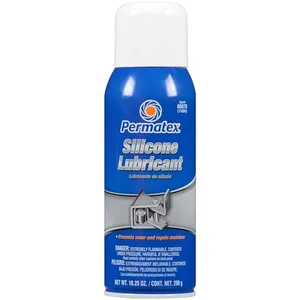 |
Permatex Silicone Spray Lubricant, 10.25 oz – $12.22 This is the silicone-based spray this guide recommends for tracks and weatherstripping – it will not gum up the channel or attract dust the way WD-40 does.
|
That noise is not random – it is friction, and it has a specific source. These are the causes that show up most often:
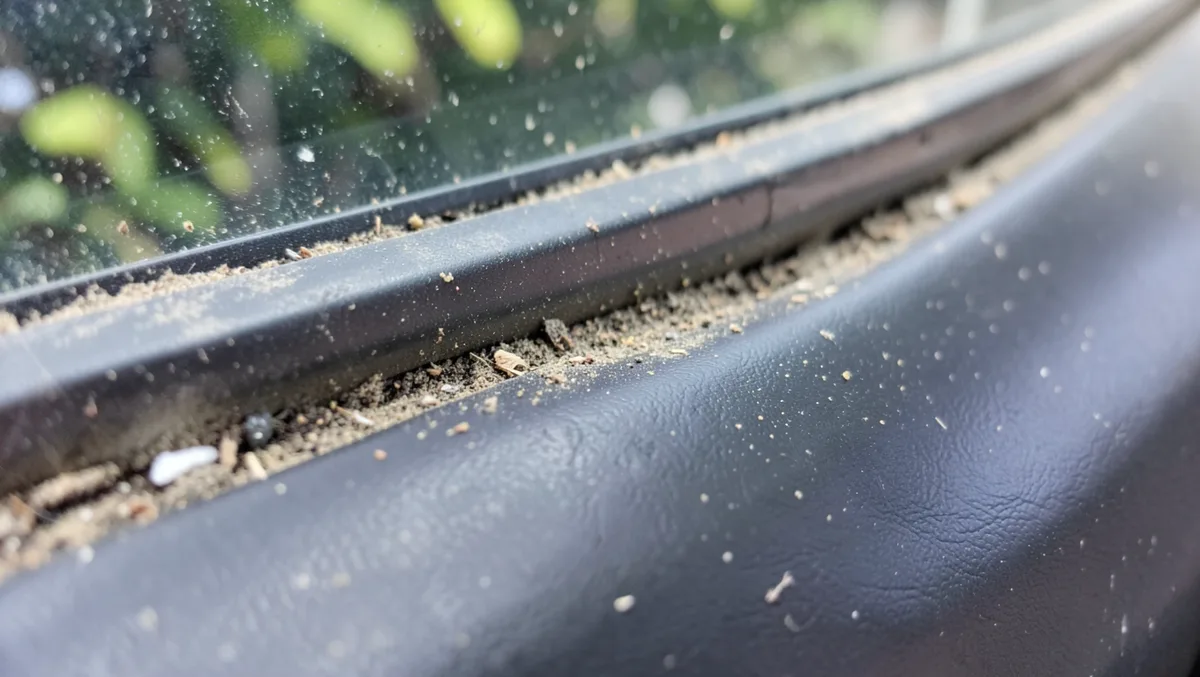
- Dirty window tracks: Dust, road grit, and dried leaves collect in the channel the glass slides through, so the window scrapes against it every time it moves.
- Dry or worn weatherstripping: The rubber seal around the glass hardens and cracks with age and UV exposure, and hardened rubber grips the glass instead of letting it glide.
- Not enough lubrication: Even clean tracks and healthy rubber need a light coat of silicone spray now and then, especially after a hot, dry stretch of weather.
- A loose or worn window regulator: The scissor mechanism or cable system that raises and lowers the glass can develop loose bolts or worn gears, which shows up as a grinding or squeaking noise rather than a smooth glide.
- Debris stuck in the track: A single piece of gravel or a twig fragment lodged in the channel is enough to make the glass squeal on every pass.
Narrowing down which one applies to your car takes a few minutes of listening and looking, and it saves you from spraying lubricant on a problem that lubricant cannot fix.
Why You Shouldn’t Ignore the Squeak
A squeaky window feels like a minor annoyance, but there are real reasons to deal with it sooner rather than later:
- It protects the window motor and regulator. Constant friction forces the motor to work harder every time you use the window, and that extra strain can shorten its life. A regulator or motor replacement typically runs $200-$500 with labor, while the fix for the friction itself usually costs under $15.
- It keeps the cabin quieter. A window that glides silently makes a real difference on long drives, especially with passengers in the car.
- It affects resale value. Buyers and appraisers notice small annoyances like a squeaky window, and it can read as a sign the car has not been well maintained.
- It can be an early warning sign. A regulator that is starting to fail often squeaks or grinds before it stops working entirely, so catching it early can mean a $10 fix instead of a $300 repair.
How to Diagnose a Squeaky Window
Before reaching for a screwdriver, spend about ten minutes narrowing down the source:
- Listen for when it happens. Roll the window up and down slowly and note whether the squeak occurs going up, going down, or both – a one-direction squeak often points to the track or a specific spot of debris.
- Inspect the tracks with a flashlight. Look inside the door channel for visible dirt, dust, or small debris.
- Run a finger along the weatherstripping. Rubber that feels hard, cracked, or chalky instead of slightly soft and pliable is likely the cause.
- Listen at the door for regulator noise. A faint grinding or clicking sound coming from inside the door as the window moves usually points to the regulator rather than the seal.
- Feel the glass for sticking points. Lightly touch the window while it moves to find the exact spot where it drags.
Tools and Supplies You’ll Need
Most squeaky-window fixes only need a handful of inexpensive items:
- Screwdriver set (flathead and Phillips) for removing the door panel if you need to reach the regulator.
- Plastic pry tools for popping off trim and door panel clips without scratching the plastic – a basic set runs about $10-$15.
- Microfiber cloths for cleaning tracks and glass without scratching the paint or window.
- Silicone spray lubricant, the single most useful item on this list. A single can costs around $10-$12 and lasts through several cars.
- All-purpose cleaner for scrubbing built-up grime out of the track, roughly $4-$5 a bottle.
- Soft-bristle brush (an old toothbrush works fine) for loosening dirt in tight corners of the track.
- Rubbing alcohol for cleaning grease and residue off the glass itself.
- Replacement weatherstripping (only if the rubber is cracked beyond saving), typically $15-$40 depending on the vehicle.
- Socket wrench (an 8mm socket fits most regulator bolts) if you end up needing to tighten anything inside the door.
One thing worth knowing before you start: WD-40 is not the right tool here. It is a water-displacing solvent, not a long-term lubricant, and it attracts dust and dries out rubber over time. Silicone spray is formulated to do the opposite.
Step-by-Step Fix for a Squeaky Window
Work through these steps in order – most squeaks are solved by the first two or three, and you only need to go further if the noise is still there.
Step 1: Clean the Window Tracks
Lower the window about halfway so you can reach the channel inside the door. Use a soft-bristle brush to loosen dirt, then spray all-purpose cleaner onto a microfiber cloth and wipe the track clean. For caked-on grime, dip the brush in the cleaner and scrub directly. A handheld vacuum with a narrow nozzle attachment makes quick work of loose debris once it is broken up. This single step resolves a large share of window squeaks on its own.
Step 2: Clean the Window Glass
Dirty glass creates friction of its own. Spray rubbing alcohol onto a microfiber cloth and wipe both sides of the window. Skip standard glass cleaner here – it tends to leave a residue that attracts more dust. For stubborn spots, a mix of equal parts water and white vinegar works well.
Step 3: Lubricate the Weatherstripping
Check the rubber seal for cracking or hardening. If it is still in reasonable shape, spray silicone lubricant onto a cloth and wipe the seal thoroughly rather than spraying it directly, then roll the window up and down a few times to work the lubricant into the rubber. If the seal is already cracked or brittle, replacement is the better fix – covered further down.
Step 4: Lubricate the Tracks
Apply silicone spray to a microfiber cloth and wipe it lightly along the tracks rather than spraying directly into the channel, which tends to attract more dirt over time. Roll the window a few times to distribute the lubricant evenly along the full length of the track.
Step 5: Inspect the Window Regulator
If the squeak is still there after cleaning and lubricating, the regulator itself may need attention. Remove the door panel with a screwdriver and plastic pry tools (search for your specific make and model beforehand, since clip locations vary). Look for loose bolts, worn gear teeth, or debris caught in the mechanism, and tighten any loose hardware with a socket wrench. A light coat of silicone spray on the regulator’s moving parts helps here too. Budget 30-45 minutes for this step.
Step 6: Test and Adjust
Reinstall the door panel and run the window up and down several times, listening for any remaining noise and checking that the glass moves smoothly through its full range. If it is still squeaking, go back and re-clean or re-lubricate the spot where the noise is loudest – it usually means a section of the track or seal was missed.
Step 7: Maintain to Prevent Squeaks
Once the window is quiet, a little upkeep keeps it that way: clean the tracks monthly, re-lubricate the seals every three to four months, and wipe the glass weekly to keep grime from building back up.
Replacing Worn Weatherstripping
If the rubber seal is too dried out or cracked to save, replacing it is usually a better fix than repeated lubrication:
- Find the right part. Weatherstripping is specific to your car’s make, model, and year, and typically costs $15-$40 online.
- Remove the old seal. Peel it off gently starting at one end, using a plastic pry tool to avoid scratching the paint or trim.
- Clean the channel. Wipe away old adhesive residue with rubbing alcohol before installing the new piece.
- Install the new seal. Press it into place, following the same path as the old one, and use automotive adhesive if the fit feels loose.
- Test the window. Roll it up and down a few times to confirm the new seal sits correctly and does not catch on the glass.
This job typically takes about an hour per window and permanently eliminates a squeak that lubrication alone could not fix.
Common Mistakes to Avoid
- Using WD-40 as a long-term lubricant. It attracts dust and grime and makes the problem worse within a few weeks.
- Over-lubricating. Too much silicone spray creates a sticky film that collects dirt just as fast as no lubricant at all – a light, even coat is enough.
- Skipping the regulator check. Cleaning and lubricating sometimes only mask a loose bolt or worn gear that will keep causing noise.
- Using paper towels or rough cloths. They can leave fine scratches on the glass – stick to microfiber.
- Rushing the door panel removal. Trim clips break easily if you pry too fast in the wrong spot; go slow and use plastic tools, not metal ones.
When to Get Professional Help
Most squeaky windows are a DIY job, but a few situations call for a shop:
- A stuck or non-moving window. If the glass will not move at all, the motor or regulator has likely failed and needs replacement, typically $200-$400 with labor.
- Complex electrical issues. Power windows with integrated anti-pinch sensors or one-touch modules can be tricky to diagnose without the right tools.
- Limited time. A shop diagnosis and basic fix typically runs $50-$150 and takes the guesswork out of it.
- Cracked glass or a bent track. These require specialized tools and are not a reasonable DIY repair.
How Much Does It Cost to Fix a Squeaky Window?
- DIY supplies: silicone spray ($10-$12), microfiber cloths ($8-$10), all-purpose cleaner ($4-$5), pry tools ($10-$15), a soft brush (a couple of dollars). Total upfront cost is roughly $35-$45, with about $10 a year in refills after that.
- Replacement weatherstripping: $15-$40 per window, depending on the vehicle.
- Professional diagnosis and fix: $50-$250, depending on what is actually wrong.
- Regulator or motor replacement: $200-$500 with labor, on the higher end if the part is dealer-only.
The DIY route covers the large majority of squeaks and costs a fraction of a shop visit.
Preventing Squeaks Long-Term
A little routine maintenance keeps most windows quiet indefinitely:
- Clean tracks and glass monthly. It only takes about 15 minutes and stops dirt from building up in the first place.
- Re-lubricate seals every three months. This keeps the rubber pliable instead of letting it dry out and harden.
- Check for debris after driving on gravel or dusty roads. A quick vacuum of the track prevents small stones from grinding against the glass.
- Check regulator bolts yearly. Catching a loose bolt early avoids a bigger repair down the line.
- Park under cover when possible. A garage or carport reduces the dust and UV exposure that dry out seals faster.
Climate plays a real role in how often maintenance is needed. In dry, dusty regions like Arizona or Nevada, tracks fill with grit fast, so weekly cleaning and more frequent lubrication help. In humid areas like Florida or Louisiana, seals stay sticky longer and can develop mold in the tracks, so monthly lubrication and a periodic mold check are worth it. In cold climates like Wisconsin or Colorado, rubber stiffens in freezing temperatures, so lubricating before winter and clearing ice from the tracks prevents cracking. In dense urban areas, pollution and road grime build up in the tracks faster than in rural areas, so more frequent cleaning and vacuuming keeps things moving smoothly – see our guide on deep-cleaning a car’s interior for the right tools.
Conclusion
A squeaky car window almost always comes down to a dirty track, dry weatherstripping, or a regulator that needs attention, and each of those is fixable with basic tools and under an hour of work in most cases. Clean the tracks and glass first, lubricate with silicone spray rather than WD-40, and check the regulator if the noise persists. Keep up with the light monthly maintenance afterward and the squeak should not come back.
Frequently Asked Questions
Why does my car window squeak when I roll it up or down?
Dirt in the track, dry or cracked weatherstripping, or a worn window regulator all create friction that makes the glass squeak as it moves. Cleaning the track and lubricating the seal with silicone spray solves most cases.
How can I stop my car window from squeaking?
Clean the window track and glass, apply a light coat of silicone spray to the weatherstripping and track, and check the window regulator for loose bolts if the noise continues. Most fixes take well under an hour.
What tools do I need to fix a squeaky window?
A screwdriver, plastic pry tools, microfiber cloths, silicone spray lubricant, an all-purpose cleaner, and a soft-bristle brush cover nearly every case. Total cost for the supplies is typically $35-$45.
Can a squeaky window damage my car?
Yes. The extra friction forces the window motor and regulator to work harder, which can shorten their lifespan and eventually lead to a $200-$500 repair. Fixing the friction early is far cheaper than replacing the motor.
How often should I clean my window tracks?
Once a month is enough for most drivers, or every two weeks in dusty or gravel-road conditions. It only takes about 15 minutes and prevents most squeaks before they start.
Is WD-40 okay to use on a squeaky car window?
No. WD-40 is a solvent, not a long-term lubricant, and it attracts dust and dries out rubber seals over time, which makes the squeak worse. Silicone spray lubricant is the correct product for window tracks and weatherstripping.
When should I call a professional for a squeaky window?
Call a shop if the window is stuck and will not move, if there are complex electrical or anti-pinch sensor issues, or if the glass or track is physically damaged. A basic professional diagnosis and fix typically runs $50-$250.
How much does it cost to fix a squeaky window?
DIY supplies run about $35-$45 upfront, with roughly $10 a year in refills. A professional fix ranges from $50-$250 depending on the cause, and a full regulator or motor replacement runs $200-$500. See our guide on general car repair costs for more context.
Products related to this article
Sponsored / affiliate links. As an Amazon Associate I earn from qualifying purchases. I may earn additional commission from eligible campaigns.