P0299 Chevy Cruze: Turbo Underboost Causes, Fixes & Cost
P0299 on a Chevy Cruze means Turbocharger/Supercharger “A” Underboost Condition — the ECM detected less boost than it commanded, based on MAF, RPM, and load readings. On the 1.4L turbo, it’s almost always a cracked charge pipe, a failed PCV check valve, or a worn wastegate — rarely a dead turbo. Left alone, it can trigger limp mode. This guide covers the real Cruze-specific causes, a cheapest-first diagnostic order, and repair costs from $75 to $1,500.
Quick Answer
P0299 on a Chevy Cruze is a Turbocharger/Supercharger “A” Underboost Condition — the ECM sees less boost than commanded. On the 1.4L turbo, check the charge pipe/hoses and the PCV check valve first (cheap, common); the turbo itself is rarely the actual cause. Diagnose before you buy parts — a full turbo swap averages $1,177–$1,511.
What Does the P0299 Code Mean on a Chevy Cruze?
P0299 is a generic OBD-II code — Turbocharger/Supercharger “A” Underboost Condition. Your Cruze’s engine control module (ECM) commands a specific boost pressure based on throttle position, engine load, RPM, and mass air flow (MAF) readings. When the manifold absolute pressure (MAP) or boost sensor reports actual pressure well below that commanded target for too long, the ECM logs P0299 and turns on the check engine light.
Most Cruze trims from 2011 through 2019 use a turbocharged 1.4L four-cylinder — the LUJ engine through 2016 and the LE2 engine from 2016 on. Both share the same basic turbo, charge-air piping, and PCV design, and both are prone to the same underboost causes described below.
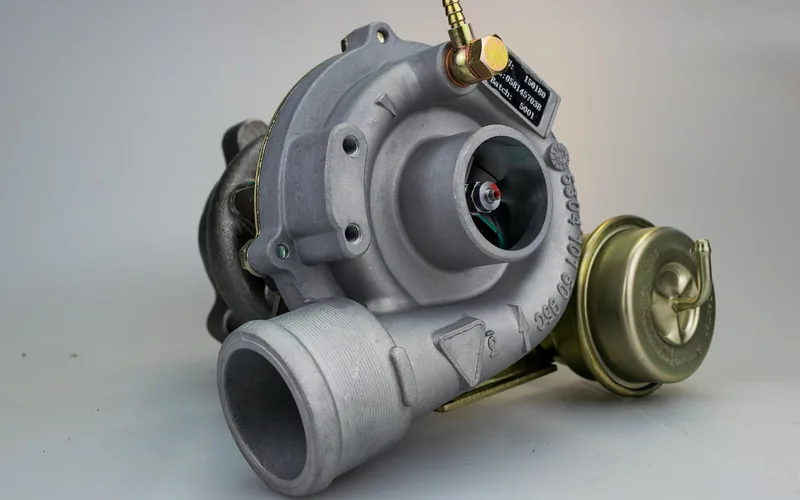
Common symptoms include a noticeable loss of power under acceleration, a check engine light, whistling or hissing noises from the engine bay, and occasionally a hard limit on RPM (limp mode) that the ECM imposes to protect the engine.
| Symptom | What It Feels Like |
|---|---|
| Loss of power | Sluggish acceleration, especially merging onto a highway |
| Check engine light | Illuminates as soon as the ECM confirms the underboost condition |
| Unusual noises | Whistling, hissing, or a rattling sound from the turbo or charge pipes |
| Reduced fuel efficiency | Engine works harder without gaining power, burning more fuel |
| Limp mode / RPM limit | ECM caps RPM and power to protect the engine until the code clears |
What Causes P0299 on the 1.4L Turbo? (4 Real Causes)
On the Cruze’s 1.4L turbo, P0299 traces back to one of four documented failure points — almost never a genuinely dead turbocharger.
- Charge pipe and hose leaks — The corrugated hose and plastic pipes running from the turbo to the intercooler and into the throttle body crack, go soft from heat and oil, or simply pop off their clamps. This is the single most common cause and the cheapest to fix.
- PCV check valve failure — The check valve built into the intake manifold and the diaphragm in the valve cover are a well-documented weak point on this engine. When the valve sticks or cracks, boost pressure leaks backward through the PCV line into the turbo inlet instead of building in the manifold.
- Bypass valve solenoid sticking — If this solenoid sticks open, it creates a manifold vacuum leak that mimics the same symptoms as a charge-pipe leak but lives inside the intake system instead.
- Turbocharger or wastegate wear — A worn wastegate pivot pin, a cracked turbo housing, or actual internal turbo wear can also cause underboost — but this is the least common cause and should be the last thing checked, not the first.
📊 The intake manifold’s PCV check valve on GM’s 1.4L turbo engine has a documented near-100% failure rate over the vehicle’s life — Source: CruzeKits.com, GM 1.4L Turbo PCV Fix Kit overview
The Right Way to Diagnose P0299 (Cheapest Fixes First)
Diagnose before you buy parts. Work through these steps in order — from cheapest and most common to most expensive and least common — instead of jumping straight to a turbo replacement.
- Visually inspect every charge pipe and hose: Trace the path from the turbo outlet to the intercooler and on to the throttle body, looking for cracks, soft or collapsed sections, oil residue, or a clamp that has worked loose. This alone resolves most Cruze P0299 cases.
- Smoke-test or soap-test the intake system: With the engine off and the system pressurized (a smoke machine or shop-air adapter works), spray soapy water on every joint and watch for bubbles, or watch for smoke escaping — this finds leaks a visual check misses.
- Check the PCV check valve and valve cover diaphragm: Remove the intake manifold’s check valve and inspect the valve cover diaphragm for cracking or sticking; on this engine, plan on this being the culprit more often than not.
- Test the bypass valve solenoid: Confirm it seats fully closed under boost and isn’t sticking open, which would leak manifold vacuum instead of holding pressure.
- Read live boost and MAP data with a scan tool: Use an OBD2 scanner to watch actual boost pressure against the commanded value at idle and under load, confirming the sensor itself is reading accurately.
- Inspect the turbo wastegate last: Only after ruling out the cheaper causes above, check the wastegate arm and actuator for play or a stuck pivot pin, and inspect the turbo housing for cracks.
“I’ve seen too many people install new turbos only to have the P0299 code reappear shortly afterward.”
— CruzeKits.com, GM 1.4L Turbo technical guide (specialty parts supplier for this exact engine’s PCV/underboost failure)
Best P0299 Diagnostic Tool Pick
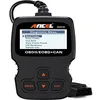
ANCEL AD310 Classic Enhanced OBD II Scanner
Reads and clears the P0299 code yourself, and shows live MAP/boost data so you can confirm a repair actually worked before driving away.
- Best for: confirming the code and watching live boost data during diagnosis
- Why we picked it: simple, reliable, and enough to verify the fix before paying a shop
- Main drawback: basic display, no smoke-test or pressure-leak capability on its own
Compare more P0299 diagnostic and repair options
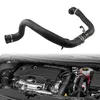 Option 1 Direct-Fit Cruze Intercooler Charge Pipe Hose (2016–2019)
|
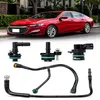 Option 2 Cruze 1.4L PCV Valve & Tube Repair Kit (2016–2019)
|
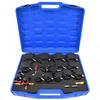 Option 3 19-Piece Turbo System Boost Leak Tester Kit
|
As an Amazon Associate we earn from qualifying purchases.
How to Fix P0299: Step-by-Step Repair Guide
Once the diagnostic steps above point to the actual cause, repair it in this order — cheapest, most likely fix first.
Fixing a Charge Pipe or Hose Leak
- Inspect every hose and pipe connection between the turbo, intercooler, and throttle body for cracks or damage.
- Tighten any loose clamps or fittings you find.
- Run a smoke test to confirm hidden leaks are actually sealed.
- Replace any cracked, soft, or collapsed section rather than just re-clamping it.
Replacing the PCV Check Valve
- Remove the intake manifold to access the internal check valve, or install an external PCV fix kit that relocates the valve for easier future service.
- Inspect the valve cover diaphragm at the same time — it fails on a similar timeline.
- Clear the code and test-drive under load to confirm boost holds steady.
Turbocharger Replacement (Last Resort)
- Disconnect the battery before starting any turbo work.
- Remove the intake and exhaust piping to access the turbocharger.
- Unbolt the old turbocharger and exhaust manifold assembly.
- Install and torque the new turbocharger assembly to spec.
- Reconnect all components, the battery, and clear the code before test-driving.
How to Prevent Turbo Trouble From Coming Back
Check the oil level regularly and use the manufacturer-specified oil — the turbo bearings depend on clean, adequate oil pressure. Replace the air filter on schedule, and inspect charge pipes and hoses at every oil change for early cracking or softening, since catching a hose before it fails is far cheaper than replacing it after a breakdown.
Listen for new whistling or hissing sounds and watch for any loss of power, and use an OBD2 scanner periodically to check for pending codes before they trigger the check engine light.
P0299 Chevy Cruze Repair Costs
Repair cost for P0299 depends entirely on which of the four causes above is the actual problem — which is exactly why diagnosing first matters.
| Repair | Typical Cost | Note |
|---|---|---|
| Charge pipe/hose replacement | $20–$80 DIY | Most common and cheapest fix |
| Intercooler tube replacement (shop) | $432–$504 | RepairPal average, parts + labor |
| PCV check valve fix kit | $75–$350 | External kit vs. OEM intake manifold |
| MAP/boost pressure sensor | $121–$219 | RepairPal/YourMechanic average |
| Wastegate actuator | ~$125 (part) | Usually sold only with the full turbo assembly |
| Full turbocharger assembly | $1,177–$1,511 | RepairPal average, parts + labor |
Because a full turbo assembly costs 8–15 times more than a charge pipe or PCV fix, working through the diagnostic order above before authorizing a turbo replacement is the single biggest way to control this repair’s cost.
Frequently Asked Questions
How Do You Fix the Code P0299?
Check for charge pipe or hose leaks first, then inspect the PCV check valve, since both are far more common than a bad turbo on the Cruze’s 1.4L engine. Repair or replace whichever component the diagnostic testing points to, clear the code, and test-drive to confirm boost holds steady before assuming the fix worked.
What Causes a P0299 Code on a Chevy Cruze?
A P0299 code on a Chevy Cruze most often comes from a cracked charge pipe or hose, a failed PCV check valve in the intake manifold, a sticking bypass valve solenoid, or — least commonly — a worn turbocharger wastegate. All four prevent the turbo from reaching commanded boost pressure.
What Is the Most Common Cause of P0299 on a Cruze?
The most common cause is a boost leak in the charge pipes or hoses between the turbo, intercooler, and throttle body. The PCV check valve in the intake manifold is the second most common cause and has a documented near-100% failure rate on the 1.4L turbo over the vehicle’s life.
Can I Still Drive My Car With a P0299 Code?
Driving is possible but not recommended for long. P0299 can trigger limp mode, which caps engine RPM and power to protect the engine, and prolonged underboost can strain the engine further. Diagnose and repair the underlying cause promptly rather than driving on it indefinitely.
Will P0299 Put My Cruze Into Limp Mode?
It can. When the ECM detects a sustained underboost condition, it may cap RPM and power output to protect the engine and turbo from further strain. Not every P0299 case triggers limp mode, but a persistent or severe underboost condition often does.
Is a Bad PCV Valve Really That Common on the 1.4L Turbo?
Yes. The check valve built into the intake manifold on GM’s 1.4L turbo engine (used in the Cruze, Sonic, Trax, and Buick Encore) has a documented near-100% failure rate over the vehicle’s life, making it one of the first components worth checking after the charge pipes.
How Much Does It Cost to Fix P0299 on a Chevy Cruze?
Cost depends on the cause: a charge pipe or hose fix runs $20–$80 DIY, a PCV check valve fix kit runs $75–$350, and a MAP/boost sensor runs $121–$219. A full turbocharger assembly replacement — only needed when the turbo itself has failed — averages $1,177–$1,511.
Conclusion
P0299 on a Chevy Cruze means the turbo isn’t reaching the boost pressure the ECM commanded — and on this 1.4L engine, that’s usually a cracked charge pipe or a failed PCV check valve, not a dead turbo. Work through the diagnostic order above before authorizing any repair, since a misdiagnosed turbo replacement can cost ten times more than the actual fix.
For a related Cruze boost-system code, see our guide to the P2227 barometric pressure sensor code, and browse more Chevy Cruze diagnostic guides or our roundup of the best OBD2 code readers for drivers for other Cruze-specific fixes.
Products related to this article
Sponsored / affiliate links. As an Amazon Associate I earn from qualifying purchases. I may earn additional commission from eligible campaigns.
 OBD2 Scanner Diagnostic Tool - Check Engine Light Code Reader, Reset Function, Data Stream, I/M Readiness, Full Features, Modes 6 & 8, for All 1996+ Vehicles, Automotriz Scanner
 OBD2 Scanner Diagnostic Tool - Check Engine Light Code Scanner Tool with Reset, DTC, Data Stream, I/M Readiness, Car & Truck Scan Tool for All Vehicles Since 1996, escaner automotriz