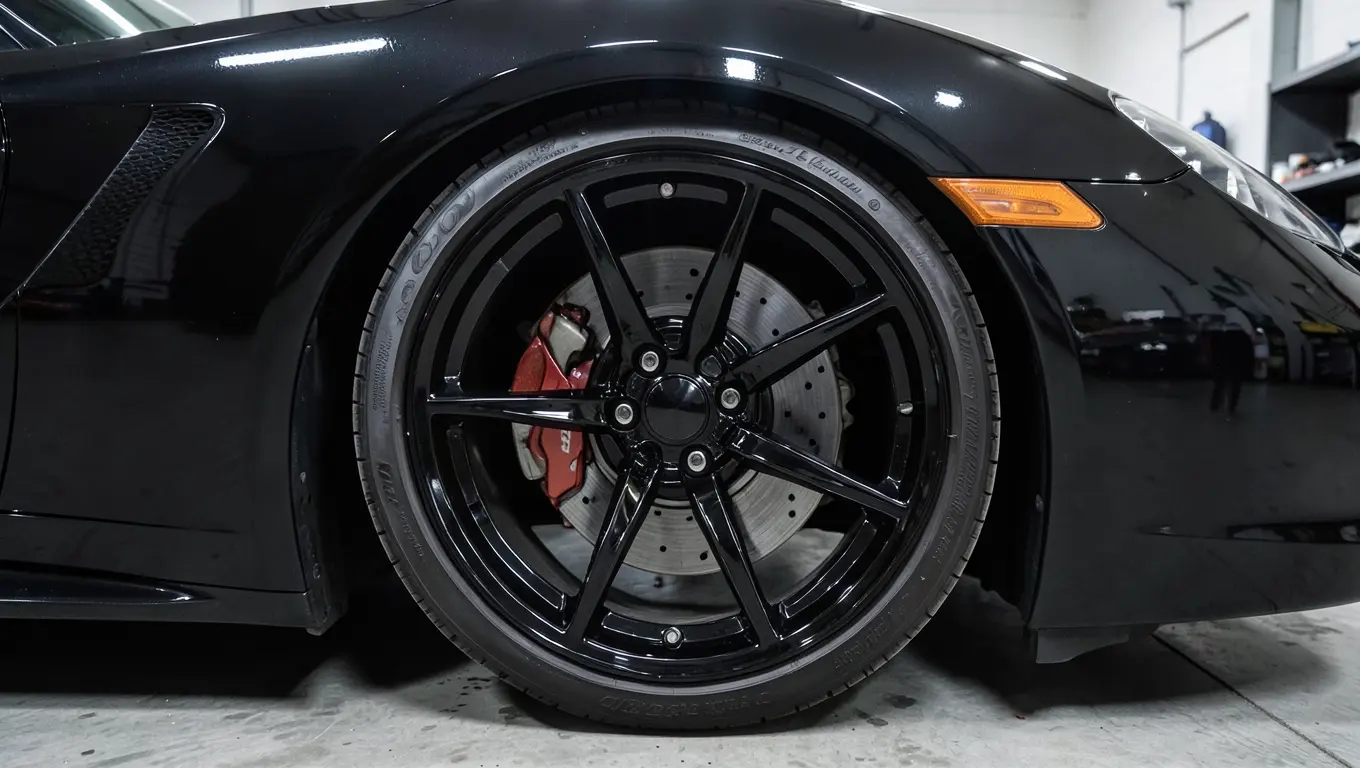
Best Paint for Car Rims: Types, Durability and How to Choose
The best paint for car rims is a wheel-specific acrylic enamel spray paint, such as Rust-Oleum’s High Performance Wheel Paint or Dupli-Color’s wheel line — both are formulated to resist brake dust, heat, and road salt in a way generic spray paint cannot. If you want a finish that survives daily driving for five to ten years instead of two to five, professional powder coating is the tougher (and pricier) alternative.
A single can of wheel paint costs $8 to $15 and can refinish one wheel in an afternoon. Professional powder coating runs $100 to $250 per wheel, or roughly $400 to $1,000 for a full set of four. Picking the wrong paint type, or skipping surface prep, is the single biggest reason a rim paint job peels or chips within months instead of years.
This guide compares the main paint types for car rims, explains how to match paint to your wheel material, walks through the application process, gives real durability numbers, and lists the mistakes that wreck most DIY rim paint jobs.
Types of Paint for Car Rims, Compared
Not every “car paint” on the shelf is meant for wheels. Rims sit closer to the brakes than any other painted part of the car, so they need a finish that can handle repeated heat cycles, brake dust, and road grit without lifting. Here is how the main options stack up.
| Paint Type | Typical Cost | Durability | DIY Difficulty | Best For |
|---|---|---|---|---|
| Acrylic enamel wheel spray paint | $8 – $15 per can | 2 – 5 years | Easy | Full wheel refinish, color changes |
| Wheel touch-up paint pen | $10 – $20 | Matches surrounding finish (spot repair only) | Very easy | Small scratches, curb rash chips |
| Professional powder coating | $100 – $250 per wheel | 5 – 10+ years | Shop job, not DIY | Long-term durability, daily drivers |
| Plasti Dip / rubberized peelable coating | $25 – $45 per kit | 6 months – 2 years | Easy | Temporary or seasonal color changes |
| Liquid vinyl wrap | $30 – $60 per wheel set | 1 – 3 years | Moderate | Custom colors that are easier to remove than paint |
For most drivers who just want their wheels to look new again and stay that way, an acrylic enamel wheel spray paired with a clear coat is the best balance of cost, durability, and DIY effort. Powder coating wins on lifespan but requires sending the wheels out to a shop; Plasti Dip and liquid wrap are the right call only if you want a look you can change again later.
Best All-Around Wheel Paint
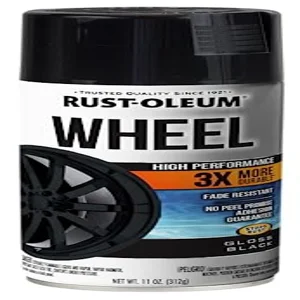 |
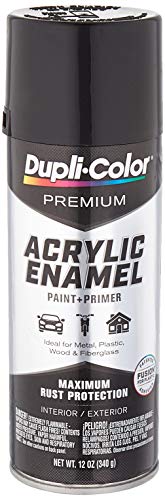
Rust-Oleum High Performance Wheel Spray Paint, 11 oz, Gloss Black – $8.27 This is the acrylic enamel wheel paint referenced in the comparison table above – it is formulated specifically to resist brake dust, fading, and heat cycling instead of just being generic spray paint.
|
How to Match Paint to Your Rim Material
The paint that works well on one wheel material can fail on another, so check what your rims are actually made of before buying anything.
- Steel wheels are the most forgiving surface. They accept most enamel and epoxy-based paints well, but rust is the real enemy — treat any rust spots with a rust-converting primer before painting, or the rust will bubble through the new finish within a season.
- Cast aluminum alloy wheels are the most common wheel type on modern cars. Their pores absorb brake dust and road grime deeper than steel, so a thorough degreasing pass (not just a car wash) is non-negotiable before you sand or prime. Use a paint labeled specifically “for wheels,” since it is formulated to resist the same chemicals and heat these wheels are exposed to.
- Chrome-plated wheels are the hardest to paint successfully. Standard paint will not bond to bare chrome, so most shops either strip the chrome first or use a dedicated chrome-etching adhesion primer. If you skip this step, expect the new paint to peel off in sheets within weeks.
- Forged or polished aluminum wheels need aggressive scuffing with 400- to 600-grit sandpaper to give the paint something to grip, since their factory finish is designed to be smooth and non-porous.
How to Paint Car Rims Yourself: The Short Version
Painting a set of rims is a realistic weekend project. Here is the process at a glance:
- Remove each wheel from the car. Working on the bench, rather than masking around a wheel still mounted on the vehicle, gives a far cleaner result.
- Wash and degrease the wheel to strip brake dust, road grime, and old wax.
- Give the surface a scuff with 400- to 600-grit sandpaper so the new paint has something to bite into, then wipe it down with a wax and grease remover.
- Mask the tire, valve stem, and any brake components with painter’s tape and paper — you do not need to demount the tire from the wheel, just protect it thoroughly.
- Apply a wheel-specific primer, then two to three thin coats of your chosen paint, letting each coat flash off before adding the next.
- Finish with a clear coat and let the wheel cure fully — usually 24 to 48 hours — before reinstalling it and driving on it.
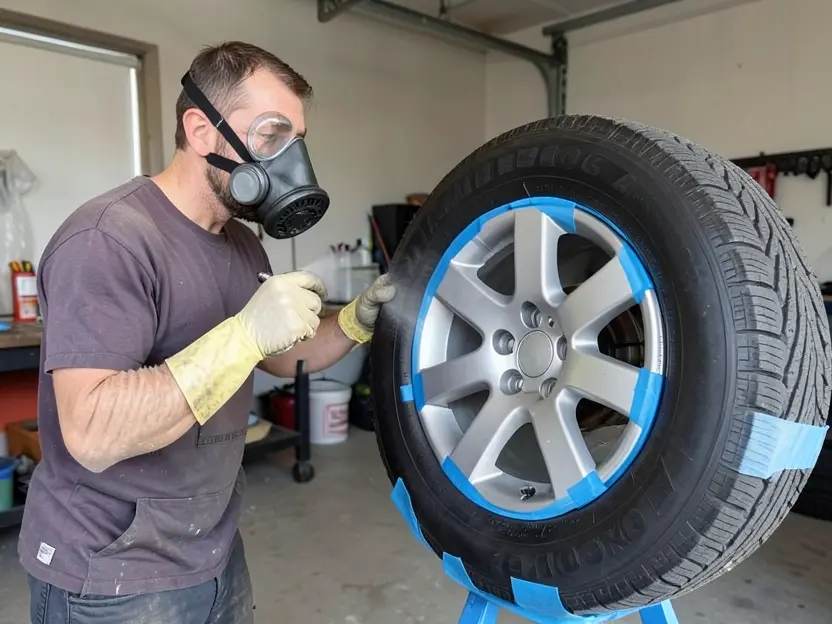
For a full step-by-step walkthrough with photos for every stage of the process, see our complete guide to painting your car wheels like a professional.
How Long Does Paint on Car Rims Actually Last?
A liquid or spray paint finish on wheels typically holds up for two to five years before visible wear sets in, and can wear closer to the two-year mark in hot, humid climates or on wheels that see hard, frequent braking. Powder coating, by comparison, commonly lasts five to ten years or more because the coating is baked on rather than air-dried, which lets it flex with the wheel’s heat cycles instead of cracking.
The paint brand matters less than most people assume. Cheap rim spray paint applied over a properly degreased, sanded, and primed surface will usually outlast an expensive paint sprayed straight onto a dirty or oily wheel. Skipping prep — not the price of the can — is the main reason DIY rim paint jobs fail early.
Common Mistakes That Ruin a Rim Paint Job
- Skipping the degreaser. A wash alone will not remove the baked-on brake dust and road oils embedded in the wheel’s surface; paint applied over them will peel.
- Painting over the old clear coat without scuffing it. New paint needs a rough surface to grip; a glossy factory clear coat is too smooth for good adhesion.
- Using generic spray paint instead of a wheel-specific formula. Regular automotive touch-up paint is not built to withstand the heat coming off the brakes and will fade or discolor faster.
- Spraying coats too thick. Heavy coats trap solvent underneath, causing runs, wrinkling, and a finish that stays soft and easily marked long after it looks dry.
- Skipping the clear coat. Without it, the color coat is directly exposed to brake dust and UV, and it will dull and chip much sooner.
- Driving on the wheel before it has fully cured. Brake heat on a paint job that has only “dried to the touch” but not fully cured will soften and mark the finish, sometimes permanently.
Frequently Asked Questions
What Type of Paint Is Best for Car Rims?
A wheel-specific acrylic enamel spray paint is the best all-around choice for a DIY job. It is formulated to handle brake heat, road salt, and chemical exposure better than generic automotive touch-up paint, and it is far more durable than a coating like Plasti Dip. If long-term durability matters more than cost, professional powder coating outlasts any spray-on option.
How Do I Prepare Car Rims for Painting?
Remove the wheel from the car, wash off surface dirt, then degrease it thoroughly to strip embedded brake dust and oils. Sand or scuff the surface (typically 400- to 600-grit) so the paint has something to grip, wipe it down with a wax and grease remover, and mask the tire, valve stem, and hub before priming.
Can I Paint Car Rims Without Removing the Wheel?
You do not need to demount the tire from the wheel to paint a rim — masking the tire well protects it from overspray. However, most guides (including this one) still recommend taking the whole wheel off the car and working on a bench or stand, since it is much easier to get an even coat and avoid overspray on the brake components, fender, and paintwork.
How Long Does Rim Paint Last?
A properly prepped and applied spray or liquid paint job typically lasts two to five years. Powder coating usually lasts five to ten years or longer. In both cases, the surface prep matters more to longevity than the specific product used.
Does Rim Paint Work on Chrome Wheels?
Not reliably without extra steps. Standard paint does not bond well to bare chrome. You will need heavy sanding and a chrome-etching adhesion primer designed for slick, non-porous surfaces, or the new paint is likely to peel off in sheets within weeks. Many shops recommend having chrome wheels stripped professionally before painting rather than attempting it as a DIY job.
Do I Need a Clear Coat Over Wheel Paint?
Yes. A clear coat protects the color coat from brake dust, UV exposure, and road chemicals, and it is a major factor in how long the paint job lasts. Skipping it will noticeably shorten the finish’s lifespan, even if you used a high-quality wheel paint underneath.
Conclusion
Choosing the right paint for car rims comes down to matching the product to your wheel material and how long you actually need the finish to last. A wheel-specific acrylic enamel spray paint is the best starting point for most DIYers — it is inexpensive, handles brake heat and road grime well, and can be applied in an afternoon. If you drive year-round in a harsh climate or want a finish that outlasts the rest of the car’s paint, professional powder coating is worth the extra cost.
Whichever paint you choose, the prep work — degreasing, sanding, and priming — determines whether it lasts two years or five. Skip a step and even the best paint on the market will chip early; do the prep right and even a budget can of wheel paint can hold up for years.
Products related to this article
Sponsored / affiliate links. As an Amazon Associate I earn from qualifying purchases. I may earn additional commission from eligible campaigns.