Proven Way: Check Car Battery Good
The proven way to check if a car battery is good involves a simple voltage test using a multimeter, looking for signs of physical damage, and testing its cranking power. For beginners, observing starting ease and checking terminal cleanliness are excellent first steps.
Is your car struggling to start? Do you hear a clicking sound instead of the engine roaring to life? A weak or dead car battery is a common culprit, and it’s a problem that can leave you stranded. Many people worry about dealing with car batteries, thinking it’s a job for a mechanic. But the truth is, you can easily check your car battery’s health yourself with just a few simple steps and tools. Knowing how to check your car battery good means you can avoid unexpected breakdowns, save money on unnecessary replacements, and drive with confidence knowing your vehicle is ready to go. Let’s dive into how you can become your own car battery expert!
Why Knowing Your Car Battery’s Health Matters
Your car battery is the powerhouse that starts your engine and keeps your vehicle’s electrical systems running, from the headlights and radio to your car’s computer. When it’s not performing well, it can cause a cascade of frustrating issues. A failing battery might give you warning signs like slow engine crank, dimming lights, or electrical glitches. Ignoring these signs can lead to a dead battery when you least expect it – a situation nobody wants to be caught in.
Regularly checking your battery’s condition is a key part of preventative maintenance, much like checking your tire pressure or oil level. It’s a proactive step that saves time, money, and a whole lot of hassle.
Understanding Your Car Battery
Before we learn how to check if a car battery is good, it’s helpful to know a little about what you’re looking at. Most cars today use a 12-volt lead-acid battery. These batteries have positive and negative terminals, usually marked with ‘+’ and ‘-‘ symbols. They consist of lead plates submerged in an electrolyte solution (diluted sulfuric acid and water). Over time, this chemical reaction can degrade, leading to a weaker battery. Batteries have a lifespan, typically between 3 to 5 years, but this can vary based on climate, driving habits, and battery quality.
You’ll also see a rating on your battery: Cold Cranking Amps (CCA). This number indicates how much power the battery can deliver to start the engine in freezing temperatures. A higher CCA means better starting power in the cold. Another important rating is the Reserve Capacity (RC), which tells you how long the battery can provide power if the alternator fails.
Simple Visual Checks: The First Line of Defense
Before you even grab a tool, a quick visual inspection can tell you a lot about your battery’s health. These are super easy checks that anyone can do.
1. Inspect for Physical Damage
Pop the hood and locate your battery. Look for any obvious signs of damage:
- Cracks or Bulges: If the battery case looks swollen, cracked, or leaking, it’s a definite sign of internal problems, often caused by overcharging or extreme temperatures. A damaged battery should be replaced immediately and handled with care, as the electrolyte is corrosive.
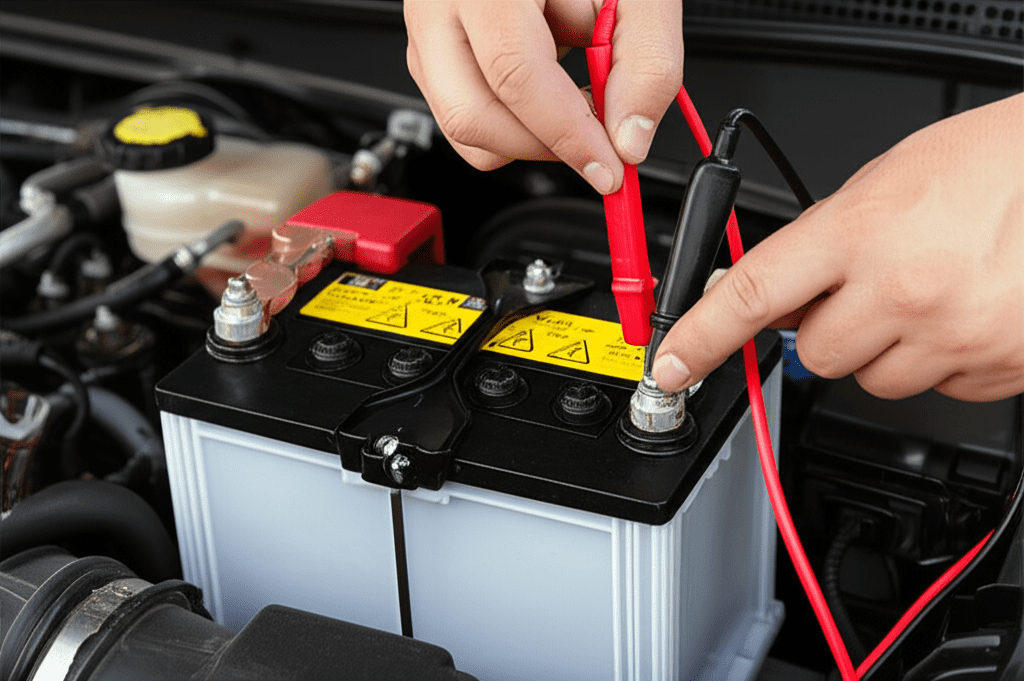
- Corrosion: Check the battery terminals (the posts where the cables connect) and the cable clamps. You might see a powdery, bluish-white or greenish substance. This is battery acid corrosion. While some corrosion can be cleaned, excessive buildup indicates poor contact and can hinder the battery’s performance and life.
- Loose Connections: Ensure the battery cables are tightly secured to the terminals. A loose connection can mimic the symptoms of a bad battery, causing intermittent starting issues or power loss.
2. Check the Fluid Level (if applicable)
Some batteries are sealed and non-serviceable, meaning you can’t check the fluid. However, older or certain types of batteries have removable caps on top. If yours does, carefully remove one of the caps (use gloves and eye protection!). The electrolyte level should be covering the lead plates inside. If it’s low, you can add distilled water (never tap water or acid!) to the correct level recommended by the battery manufacturer. Always wear safety glasses and gloves when checking battery fluid.
According to the U.S. Department of Energy, proper battery maintenance, including topping off fluid levels in serviceable batteries, can extend their lifespan.
How to Check Car Battery Good with a Multimeter
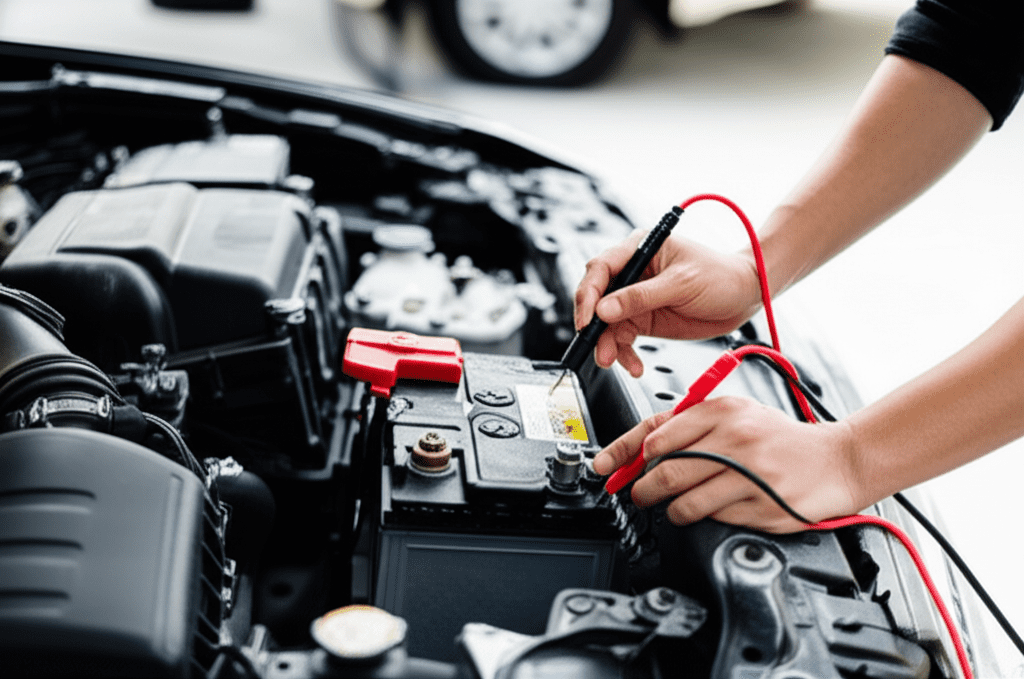
This is the most common and accurate way for a DIYer to check your car battery. A multimeter is an electrical testing tool that measures voltage, current, and resistance. You can find one at most auto parts stores or online for a reasonable price.
What You’ll Need:
- Digital Multimeter
- Gloves
- Safety Glasses
- Wire Brush or Terminal Cleaner
- Wrench (to disconnect battery cables if necessary)
Step-by-Step Guide to Testing Battery Voltage:
- Ensure the Car is Off: The engine should be completely off, and all accessories (lights, radio) should be turned off for at least a few hours for the most accurate reading. This allows the battery to rest.
- Locate the Battery: Open the hood and find your car battery. You’ll see the positive (+) and negative (-) terminals.
- Set Your Multimeter: Turn on your multimeter and set the dial to DC Voltage. Look for a setting that reads “20V” or a similar DC voltage scale.
-
Connect the Multimeter Probes:
- Touch the red probe of the multimeter to the positive (+) terminal of the battery.
- Touch the black probe of the multimeter to the negative (-) terminal of the battery.
Handle these probes carefully and ensure they make good contact with the metal of the terminals, not any corroded material.
- Read the Voltage: The multimeter display will show the battery’s voltage.
Interpreting the Voltage Readings:
Here’s a general guide to what the voltage reading means:
| Voltage Reading | Battery Condition | Action Needed |
|---|---|---|
| 12.6 volts or higher | Excellent – Fully Charged | No action needed at this time. |
| 12.4 volts | Good – About 75% Charged | Monitor, but generally okay. |
| 12.2 volts | Fair – About 50% Charged | Consider charging the battery soon. |
| 12.0 volts | Poor – About 25% Charged | Charge immediately. May indicate a problem. |
| Below 12.0 volts | Dead or Severely Discharged | May not start the car; needs immediate charging or replacement. |
A reading consistently below 12 volts, even after charging, often suggests the battery is no longer able to hold a charge and needs replacement. Keep in mind that temperature can affect readings; batteries show lower voltage in cold weather.
Testing Battery Cranking Power (Load Test)
While voltage test is great, it only shows the battery’s state of charge, not its ability to deliver power under load. A load test simulates starting the engine and checks how well the battery holds voltage when it’s working hard. This is often done using a dedicated battery load tester, which can be a bit more complex for beginners.
However, you can perform a simplified load test yourself:
- Perform the Voltage Test: Get a stable resting voltage reading as described above.
- Engage the Starter: Have a helper turn the ignition key to start the engine, but only for about 5-10 seconds. While they are cranking, watch the multimeter reading connected to the battery terminals.
-
Observe the Voltage Drop:
- If the voltage drops below 9.6 volts during cranking, the battery is likely weak and may not be able to start your car reliably, especially in cold weather.
- If the voltage stays above 10 volts, the battery is usually in good condition for starting.
Safety Note: Do not crank the engine for longer than 10 seconds at a time. Allow the starter motor to cool down for a minute or two between attempts to prevent overheating.
For a more precise load test, auto parts stores often offer free battery testing services. They use specialized equipment that applies a controlled load to the battery and gives detailed diagnostics.
When to Clean Battery Terminals and Cables
Corrosion on the battery terminals is a common problem that can severely impact performance. It creates resistance, preventing a good electrical connection. Regularly cleaning these terminals can significantly improve battery performance and longevity.
Tools Needed:
- Gloves
- Safety Glasses
- Wire Brush or Battery Terminal Cleaner Tool
- Baking Soda and Water Solution (optional, for cleaning)
- Petroleum Jelly or Battery Terminal Protectant Spray
Steps for Cleaning:
- Disconnect the Battery: Always disconnect the negative (-) cable first, then the positive (+) cable. This prevents accidental short circuits.
- Remove Corrosion: Use a wire brush or a dedicated battery terminal cleaner tool to scrub away any powdery corrosion from the battery posts and the inside of the cable clamps. You can use a paste made from baking soda and water for tough corrosion; apply it, let it bubble, then scrub.
- Rinse and Dry: If you used the baking soda paste, rinse the terminals with a small amount of clean water and dry them thoroughly with a rag.
- Apply Protectant: Once clean and dry, apply a thin layer of petroleum jelly or spray a battery terminal protectant onto the posts and clamps. This helps prevent future corrosion.
- Reconnect the Battery: Reconnect the positive (+) cable first, then the negative (-) cable. Ensure they are snug.
A good connection is vital. The Automotive Aftermarket Suppliers Association (AASA) emphasizes that clean and tight connections are crucial for optimal electrical system performance.
Signs of a Dying Car Battery
Beyond slow starts, your car might give other clues that the battery is on its way out:
- Dim Headlights and Interior Lights: Especially noticeable when the engine is off or idling.
- Clicking Sound When Turning the Key: This is a classic sign that the battery doesn’t have enough power to engage the starter motor.
- Warning Lights: Some cars have a battery warning light on the dashboard that illuminates when there’s an issue with the charging system or the battery itself.
- Electrical Issues: Power windows operating slowly, unexplainable power drains, or the car’s electronics glitching can all be battery-related.
- Gas Mileage Decrease: In some cases, a weak battery can indirectly affect engine performance and fuel efficiency as the alternator has to work harder.
- Unusual Smells: A rotten egg smell coming from the battery area could indicate overheating or a leaking battery.
When to Seek Professional Help
While DIY checks are empowering, there are times when you should call in the experts:
- If you’re unsure about any step: Safety first! If you’re at all hesitant about testing or working with a battery, it’s best to let a professional handle it.
- If the battery continues to fail after charging: This usually means the battery itself is bad and needs replacement.
- If you suspect charging system problems: Often, a failing battery can be caused by a malfunctioning alternator or voltage regulator. A mechanic can diagnose these issues more thoroughly.
- If you see significant damage or leaking: Handle with extreme caution and let a professional dispose of and replace it.
Reputable sources like AAA recommend professional diagnosis if you’re experiencing persistent starting problems or electrical issues that a simple battery test doesn’t explain.
Frequently Asked Questions (FAQ)
Q1: How do I know if my car battery needs replacing?
A1: Signs include slow engine cranking, dimming lights, clicking sounds when starting, frequent jump-starts, and a battery warning light on your dashboard. A voltage test showing below 12 volts, especially when it doesn’t hold a charge after charging, is another indicator.
Q2: Can I check my car battery without a multimeter?
A2: Yes, for a quick, less precise check, listen for a strong engine crank. Also, observe your headlights with the engine off – if they are dim and dim further when you try to start the car, your battery is likely weak. However, a multimeter provides a more accurate assessment of the battery’s health.
Q3: How often should I check my car battery?
A3: It’s a good idea to check your car battery at least once a year, and especially before long trips or during seasonal changes (like before winter). If you notice any potential issues, check it more frequently.
Q4: What is a good voltage for a car battery?
A4: A fully charged car battery should read around 12.6 volts or higher when the engine is off and the car has been idle for a few hours. Readings below 12.4 volts indicate it’s not fully charged.
Q5: What causes battery corrosion?
A5: Corrosion, a white or blue powdery substance, is typically caused by battery acid gas escaping the battery case due to overcharging, vibrations, or poor sealing. It also forms when moisture mixes with the battery acid. This buildup impedes the flow of electricity.
Q6: Can I use a different charger for my car battery?
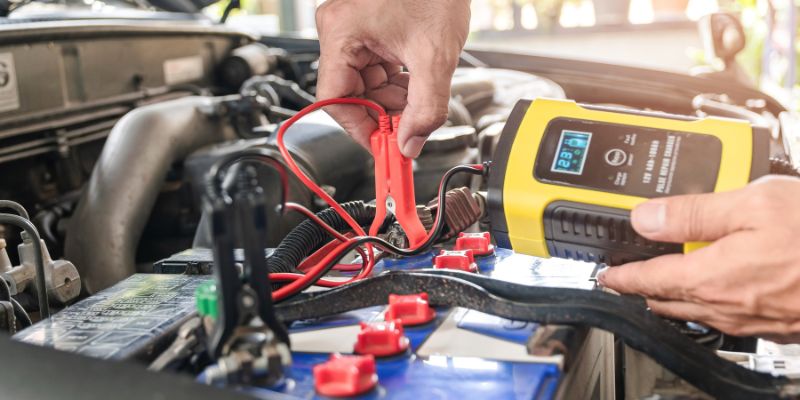
A6: It’s best to use a charger designed for your specific battery type (e.g., 12-volt lead-acid). Ensure the charger’s output matches your battery’s voltage and capacity. Using an incorrect charger can damage the battery.
Conclusion: Drive with Confidence
Taking charge of your car’s battery health is simpler than you might think. By performing these basic visual checks, using a multimeter for voltage readings, and understanding the signs of a weakening battery, you’re well-equipped to keep your car running smoothly. Remember, a healthy battery is essential for reliable transportation, and proactive maintenance can save you from unexpected trouble and costly repairs down the line. So, next time you notice a slight hesitation in your engine or want peace of mind, don’t hesitate to follow these steps. You’ve got this!