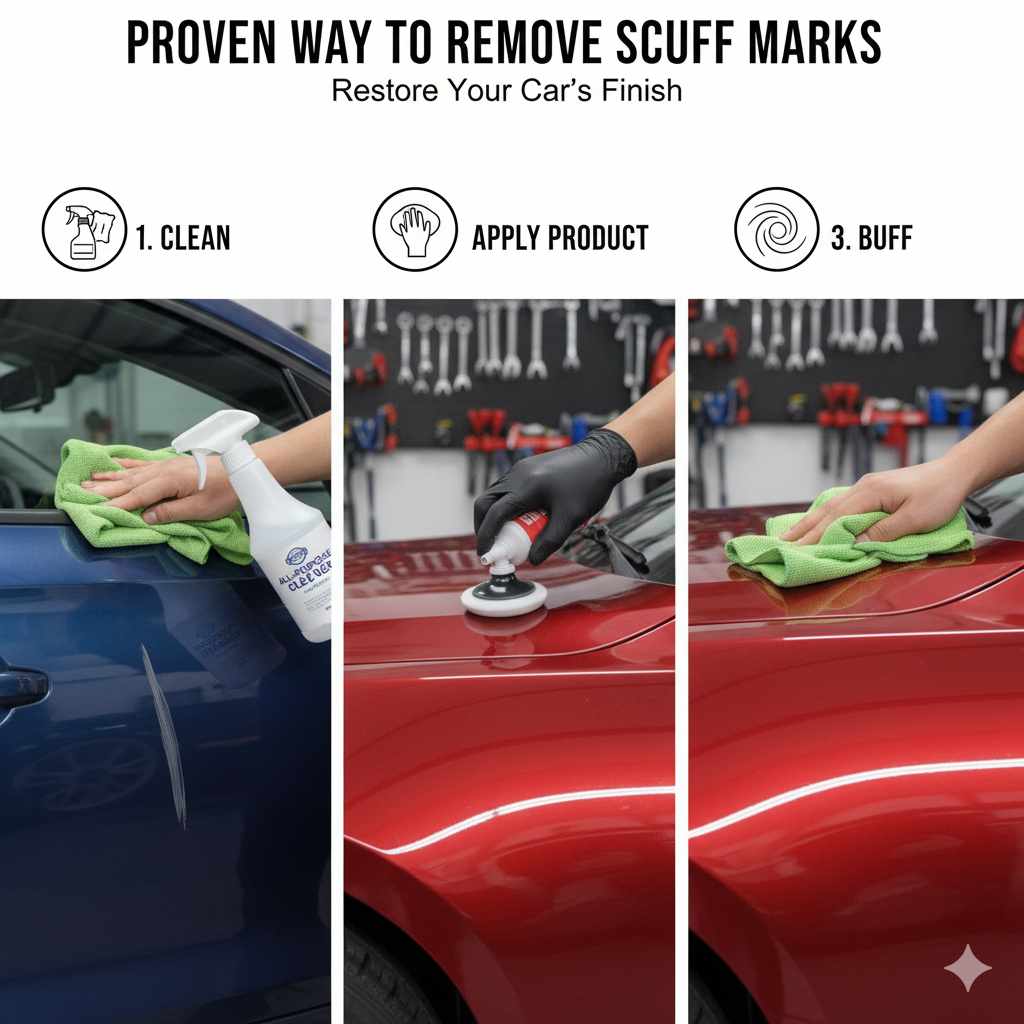
Proven Way to Remove Scuff Marks
Easily remove scuff marks from your car’s interior surfaces using common household items like a microfiber cloth and a gentle cleaner. For tougher marks, a magic eraser or a specialized interior cleaner can safely restore the look of your car’s dashboard, door panels, and trim.
Hey there, car owner! Ever notice those annoying scuff marks appearing on your car’s interior? They can really take away from that clean, fresh feeling you love. Whether it’s from shoes, gear, or just everyday use, scuffs are a common sight. But don’t worry! Getting rid of them is much simpler than you might think. You don’t need special tools or a trip to the mechanic. This guide will walk you through easy, proven methods to make those marks disappear, restoring your car’s interior to its former glory. Let’s get started on making your car look its best again!
Understanding Scuff Marks on Your Car’s Interior
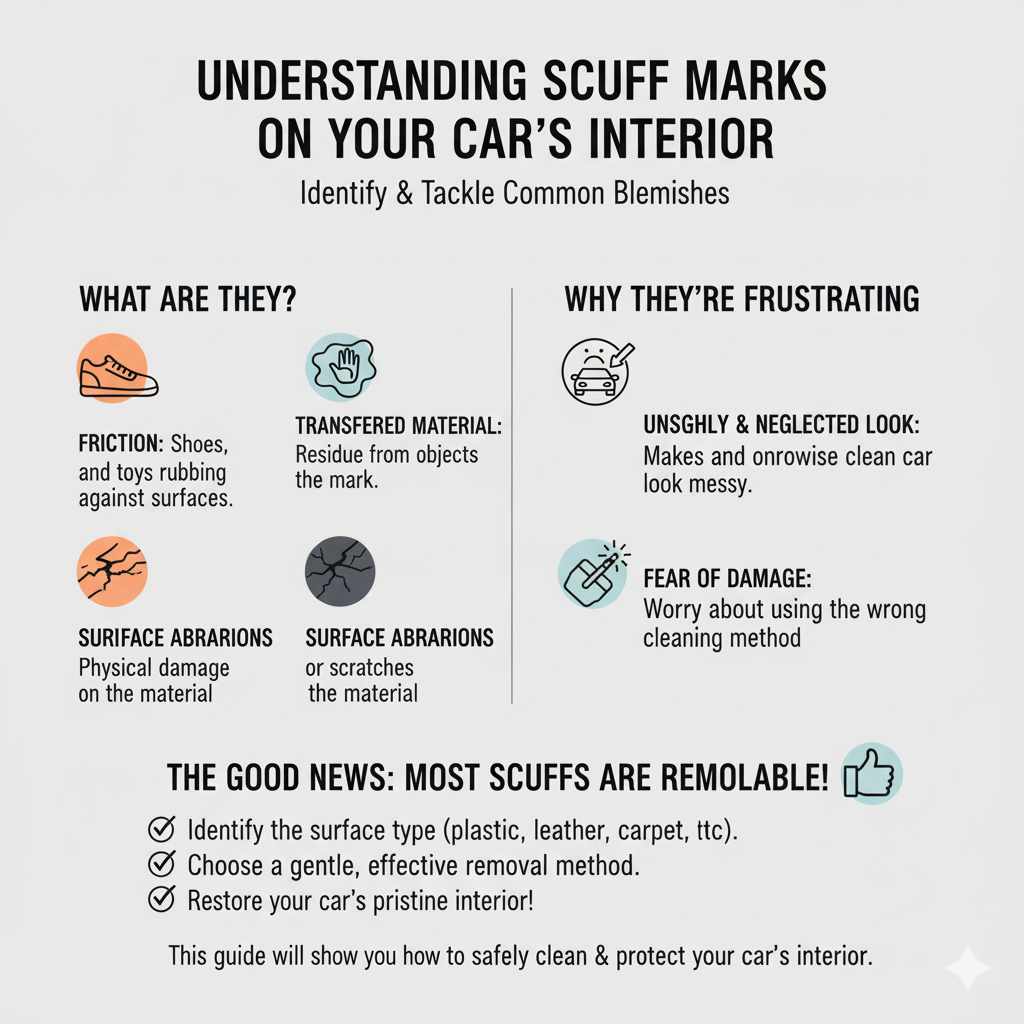
Scuff marks are those unsightly streaks or smudges that appear on various surfaces inside your vehicle. They’re often caused by friction – think shoes bumping against the door panels, bags rubbing against the seats, or even children’s toys leaving their mark. These marks can be made up of transferred material from whatever caused them, or they can be abrasions on the surface itself.
The frustration with these marks is understandable. They make a car look neglected, even if you keep it otherwise spotless. Fortunately, most interior scuffs are not permanent damage and can be buffed out with the right techniques and products. The key is to identify the type of surface you’re dealing with and choose a gentle, yet effective, removal method to avoid causing further damage.
This guide will break down the best ways to tackle these common interior blemishes, catering to different materials like plastic, vinyl, leather, and even carpet. We’ll cover everything from simple DIY solutions using items you probably already own to more specialized cleaners if needed. Ready to reclaim a pristine car interior?
Common Interior Surfaces Prone to Scuff Marks
Different materials in your car’s interior require slightly different approaches. Knowing what you’re cleaning helps a lot. Here are some of the most common spots where scuffs love to appear:
- Plastic and Vinyl Trim: This is probably the most common culprit. Door panels, dashboards, center consoles, and kick plates are all made of plastic or vinyl, which can easily pick up scuffs from shoes, luggage, or even just rubbing against clothing.
- Leather Seats and Upholstery: While durable, leather can also develop scuff marks, especially if it’s a lighter color. These might look like darker streaks that embed into the leather’s surface.
- Carpet and Floor Mats: Shoes track dirt and debris, which can lead to scuffs on your car’s carpeting. These often look like dark rubber streaks or ingrained dirt that won’t vacuum away easily.
- Painted Surfaces (e.g., Door Sills): Some car doors have painted sills that can get scuffed by shoes as you get in and out.
Essential Tools and Supplies for Scuff Mark Removal
You don’t need a garage full of professional gear to tackle scuff marks. Most of the time, items you have around the house will do the trick. Here’s a list of handy supplies that will help you get the job done:
- Microfiber Cloths: These are your best friend for interior cleaning. They are soft, absorbent, and won’t scratch surfaces. Have a few clean ones ready – one for cleaning, one for rinsing, and one for drying.
- Gentle All-Purpose Interior Cleaner: Look for a pH-neutral cleaner specifically designed for car interiors. Avoid harsh chemicals like bleach or ammonia, which can damage certain materials.
- Water: Sometimes, a little plain water is all you need to loosen up a scuff mark.
- Detergent (Dish Soap): A few drops of mild dish soap mixed with water can create an effective cleaning solution for many tough spots.
- Rubbing Alcohol (Isopropyl Alcohol): In specific cases and on certain surfaces, a diluted solution of rubbing alcohol can lift stubborn marks. Always test in an inconspicuous area first.
- Magic Eraser (Melamine Foam Sponge): These sponges are fantastic for gently abrading away marks on hard plastic and vinyl. Use with a light hand, and always dampen the sponge first.
- Interior Protectant/Dressing: After cleaning, applying a protectant can help prevent future scuffs and keep your interior looking new.
- Leather Cleaner and Conditioner: If you’re dealing with leather, a dedicated leather cleaner followed by a conditioner is essential.
- Soft Brush (e.g., Old Toothbrush or Detailing Brush): Useful for gently agitating a cleaning solution in textured areas or seams.
How to Remove Scuff Marks on Plastic and Vinyl Interior Surfaces
Plastic and vinyl are common materials in car interiors and are highly susceptible to scuffs. Here’s a step-by-step guide to clearing them away safely.
Step 1: Assess the Scuff and Surface
First, take a close look at the scuff mark. Is it a light, superficial mark, or does it seem engrained? Also, identify the exact type of plastic or vinyl. Is it a textured surface or smooth? This will guide your cleaning approach.
Step 2: Start with the Mildest Method
Always begin with the gentlest approach. Dampen a clean microfiber cloth with plain water. Gently rub the scuff mark in a circular motion. Often, simple dirt transferred onto the surface will come right off.
Step 3: Move to a Gentle Cleaner
If water doesn’t work, spray a small amount of your chosen interior all-purpose cleaner onto a clean microfiber cloth (not directly onto the surface if it’s near electronics). Gently rub the scuff mark. Work in small sections.
For a little extra cleaning power, you can create a DIY solution: Mix a few drops of mild dish soap with warm water in a small bucket or spray bottle. Apply this solution with your microfiber cloth to the scuff and rub gently.
Step 4: Trying a Magic Eraser (with Caution!)
For more stubborn scuffs on plastic and vinyl, a melamine foam sponge, often known as a “Magic Eraser,” can be very effective. These sponges work by creating a micro-abrasive surface.
- Dampen the Sponge: Thoroughly wet the Magic Eraser with water and squeeze out any excess. It should be damp, not soaking wet.
- Test in an Inconspicuous Area: Before tackling the main scuff, lightly rub a small, hidden section of the plastic or vinyl to ensure it doesn’t cause dulling or scratching.
- Gentle Rubbing: Lightly rub the scuff mark with the dampened sponge. Use minimal pressure. The motion should be gentle, not aggressive scrubbing.
- Wipe Clean: Immediately after removing the scuff, wipe the area with a clean, damp microfiber cloth to remove any residue from the sponge.
- Dry and Inspect: Dry the area with another clean microfiber cloth and inspect the results. For most scuffs, this will be highly effective.
Important Note: Melamine foam is abrasive, so use it sparingly and with very light pressure. Over-scrubbing can dull or damage the finish of your plastic or vinyl surfaces. Always follow up with a clean, damp cloth to rinse away residue.
You can find high-quality Magic Erasers from brands like Mr. Clean or store-brand equivalents. For more DIY cleaning tips on car surfaces, resources like Consumer Reports offer great advice.
Step 5: Addressing Stubborn Scuffs with Rubbing Alcohol (Diluted)
For extremely tough, ingrained scuffs on hard plastics and vinyl, a diluted rubbing alcohol solution can sometimes help. This method requires caution and testing. Alcohol can damage or discolor certain plastics, so it’s crucial to dilute it and test first.
- Dilute the Alcohol: Mix equal parts isopropyl alcohol (70% solution is fine) and water.
- Test: Apply a small amount of the diluted solution to an unseen area of the plastic or vinyl. Let it sit for a minute, then wipe. Check for any signs of discoloration or damage.
- Apply to Scuff: If the test area is fine, dampen a microfiber cloth with the diluted alcohol solution. Gently dab or lightly rub the scuff mark.
- Wipe Clean Immediately: Do not let the alcohol sit on the surface for too long. After the scuff lifts, wipe the area thoroughly with a clean, damp cloth to remove all alcohol residue.
- Dry: Pat the area dry with a clean microfiber cloth.
When to Avoid: Never use concentrated alcohol or on soft-touch plastics, rubberized coatings, or painted surfaces unless the manufacturer explicitly allows it. Always prioritize a less aggressive method first.
Step 6: Protect the Surface
Once the scuffs are gone and the surface is clean and dry, apply a quality interior protectant or dressing. This creates a barrier that can help prevent new scuffs and keeps the plastic or vinyl looking rich and new. Buff it in gently with a clean microfiber cloth.
How to Remove Scuff Marks on Leather Car Seats
Leather interiors add a touch of luxury, but scuffs can be a concern. The key with leather is to be gentle and use products specifically designed for it.
Step 1: Clean the Area
First, lightly clean the area around the scuff with a damp microfiber cloth to remove any surface dust or debris. This prevents you from grinding dirt into the leather.
Step 3: Use a Dedicated Leather Cleaner
Spray a small amount of a high-quality leather cleaner onto a clean microfiber cloth. Gently wipe the scuff mark. Work in a consistent direction, then gently buff in a circular motion. The cleaner should help lift the transferred color or residue causing the scuff.
For more challenging marks, you might need to use a soft-bristled brush (like an old toothbrush or a dedicated interior detailing brush) with the leather cleaner to gently agitate the area. Be very careful not to scrub too hard, as this can damage the leather’s finish.
Allow the cleaner to work for a minute, then wipe away any residue with a clean, slightly damp microfiber cloth.
Step 4: Test Rubbing Alcohol Carefully (If Necessary)
In rare cases, for very stubborn, darker scuffs on leather where a dedicated cleaner didn’t fully work, a very lightly dampened cotton swab with a 1:1 diluted isopropyl alcohol and water solution can be used. This is a last resort and requires extreme caution.
- Dip Lightly: Dip a cotton swab in the diluted alcohol solution and squeeze out almost all the liquid. It should be barely damp.
- Dab Gently: Gently dab the scuff mark. Do not rub aggressively.
- Wipe Immediately: Immediately follow with a clean, damp microfiber cloth to neutralize and remove any alcohol.
- Inspect: Check for any changes in the leather’s color or texture.
Warning: Alcohol can dry out and damage leather if used improperly or too frequently. Always test it in a hidden spot first.
Step 5: Condition the Leather
After cleaning, it’s crucial to condition the leather. Apply a quality leather conditioner to the entire seat or panel using a clean microfiber applicator pad. This replenishes moisture, keeps the leather supple, and helps protect it from future marks and damage. Buff off any excess conditioner with a separate clean microfiber cloth.
How to Remove Scuff Marks from Car Carpets and Floor Mats
Scuff marks on carpet and floor mats are usually caused by rubber from shoes. The good news is that carpet has a lot of resilience.
Step 1: Vacuum Thoroughly
Start by vacuuming the carpeted area or floor mat really well. This removes loose dirt and debris that could interfere with the cleaning process.
Step 2: Use a Carpet Cleaner or DIY Solution
Spray a dedicated automotive carpet cleaner onto the scuff mark. Alternatively, you can use a solution of warm water and a few drops of mild dish soap. Let the cleaner or solution sit for a minute or two to break down the mark.
Step 3: Agitate Gently
Use a stiff-bristled brush (like a carpet brush or even a firm toothbrush) to gently agitate the scuff mark. Work the cleaner into the carpet fibers. Scrubbing too hard can damage the fibers, so be moderate.
Step 4: Blot and Rinse
Use a clean, dry microfiber cloth or a white terry towel to blot up the dissolved scuff mark and the cleaning solution. It’s often helpful to then rinse the area by lightly spraying it with clean water and blotting it again with a dry towel to remove any soap residue. This prevents the carpet from attracting more dirt later.
Step 5: Repeat if Necessary
Some deep scuff marks might require a second application. Repeat the cleaning and blotting process until the mark is gone.
Step 6: Dry Completely
Ensure the carpet dries thoroughly. You can open the car doors and windows to let air circulate, or use a fan. Damp carpets can lead to mildew and unpleasant odors.
Table of Methods by Surface Type
Here’s a quick reference guide to help you choose the right method for different interior surfaces:
| Surface Material | Primary Recommended Method | Secondary/Stubborn Marks Method | Cautionary Notes |
|---|---|---|---|
| Plastic/Vinyl (Dashboard, Door Panels, Trim) | Microfiber cloth with water or mild interior cleaner. | Dampened Magic Eraser (gentle pressure); Diluted rubbing alcohol (test first, immediate wipe-down). | Avoid harsh abrasives. Magic Eraser can dull finishes if used too aggressively. Alcohol can discolor some plastics. |
| Leather (Seats, Trim) | Dedicated leather cleaner on microfiber cloth. Gentle agitation with soft brush if needed. | Very lightly dampened cotton swab with diluted rubbing alcohol (last resort, extensive testing and immediate wipe-down needed). | Never use abrasive cleaners or excessive scrubbing. Alcohol can dry out and damage leather. Always condition after cleaning. |
| Carpet/Floor Mats | Carpet cleaner or mild soap/water solution, then agitation with a stiff brush. | Repeat cleaning process; deeper carpet stain removers as a last resort. | Avoid over-wetting the carpet. Ensure thorough drying. |
| Painted Interior Surfaces (e.g., Door Sills) | Microfiber cloth with mild interior cleaner or a diluted car wash soap solution. | Very gentle application of a clay bar (if paint is sealed and very light scuff). NO Magic Eraser or alcohol unless explicitly stated safe by car manufacturer. | Treat these like exterior paint. Use the least abrasive method possible. Test in an inconspicuous area. |
Preventing Future Scuff Marks
The best way to deal with scuff marks is to prevent them from happening in the first place. Here are some tips to keep your car’s interior looking showroom new:
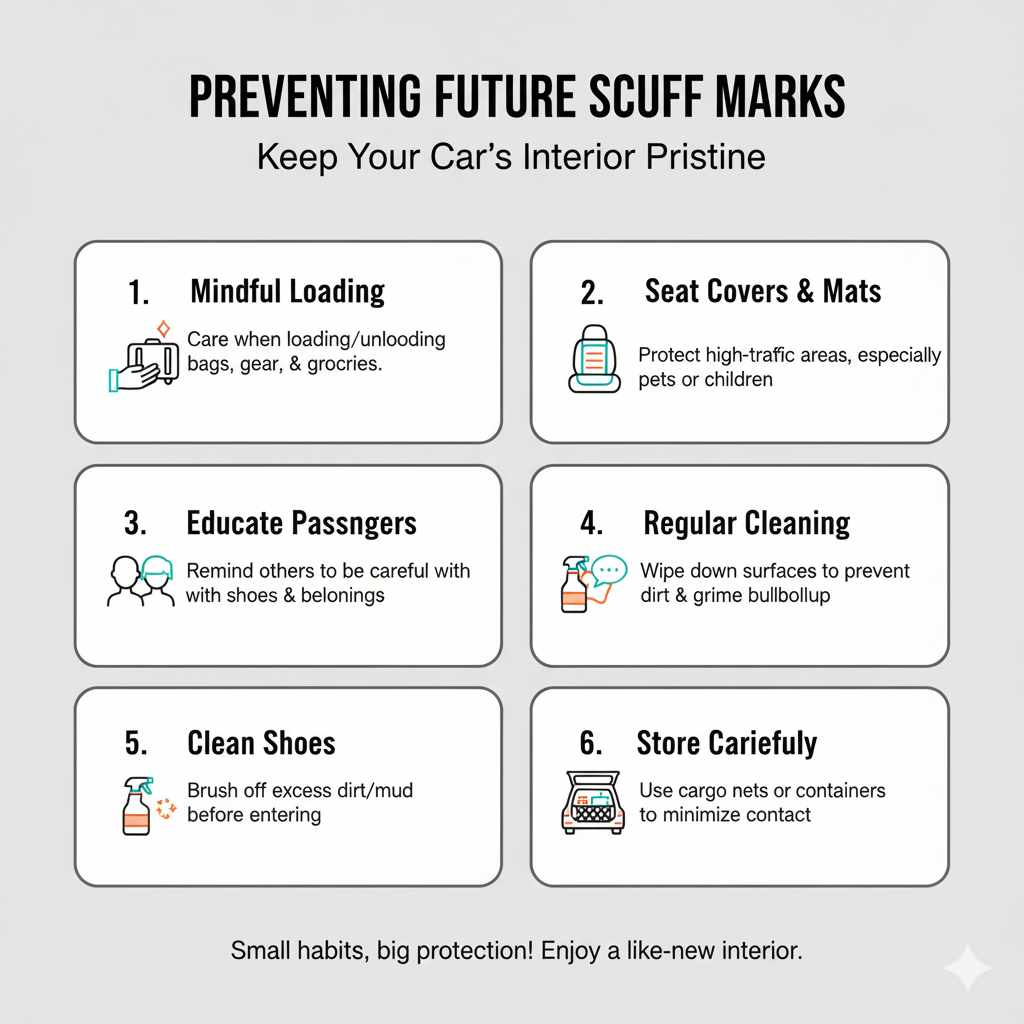
- Be Mindful When Loading/Unloading: Take extra care when putting in or taking out luggage, sports equipment, or groceries. Place items down gently rather than dropping or sliding them.
- Use Seat Covers or Mats: For frequently used areas like the back seats or cargo area, consider using protective seat covers or durable floor mats, especially if you often transport pets or gear.
- Educate Passengers: A gentle reminder to passengers, especially children, about being careful with their shoes and belongings can go a long way.
- Regular Cleaning and Protection: Wiping down your car’s interior regularly with a damp cloth or appropriate cleaner helps prevent dirt and grime from building up, which can contribute to scuffs. Applying interior protectants to plastic and vinyl surfaces creates a smoother finish that is less prone to marking.
- Keep Shoes Clean: If possible, brush off excess dirt and mud from your shoes before getting into the car.
- Store Items Carefully: If you often carry items in your car, try to store them in a way that minimizes contact with surfaces, perhaps in a cargo net or a container.
When to Seek Professional Help
While most interior scuff marks are DIY-friendly, there are times when it’s best to consult a professional detailer or automotive repair shop:
- Deep, Ingrained Abrasions: If a scuff mark appears to have deeply gouged or scratched the surface material, it might be beyond simple cleaning and could require professional repair or cosmetic touch-ups.
- Delicate or Unique Materials: If your car has very unique or delicate interior materials, or if you’re unsure about the best approach, professional advice is invaluable.
- Extensive Damage: If you’ve attempted to remove a scuff mark and inadvertently caused further damage (like thinning the material, discoloring it, or creating a dull patch), a professional may be able to rectify the situation.
- High-Value or Classic Cars: For vintage, classic, or luxury vehicles, it’s often wise to entrust interior cleaning and restoration to specialists who understand the materials and potential risks.
A professional detailer has access to a wider range of specialized products and techniques, and their experience can save you from potentially costly mistakes. For instance, a reputable auto detailing service can often perform paint correction on plastic trim if it’s been hazy or dulled from aggressive cleaning.
Frequently Asked Questions (FAQ) About Removing Scuff Marks
Q1: What is the easiest way to remove scuff marks from my car’s plastic dashboard?
The easiest way is to use a clean microfiber cloth dampened with plain water. For slightly tougher marks, a mild interior cleaner sprayed onto the cloth (not directly on the dashboard is best) will usually do the trick. Always test any cleaner in an inconspicuous spot first.
Q2: Can I use a regular household cleaner for car interior scuffs?
It’s best to stick to cleaners specifically designed for automotive interiors. Household cleaners, like Windex or all-purpose bathroom cleaners, can sometimes be too harsh, causing discoloration or a sticky residue on plastic, vinyl, or leather.
Q3: How do I remove black scuff marks from light-colored leather seats?
Start with a dedicated leather cleaner on a soft microfiber cloth. Gently wipe the scuff mark. If the mark persists, you can try using a soft detailing brush with the leather cleaner. For very stubborn marks, a tiny amount of diluted rubbing alcohol on a cotton swab can be used with extreme caution, followed immediately by a damp cloth and then leather conditioner. Always test in a hidden area first.
Q4: Will a Magic Eraser damage my car’s interior plastic?
A Magic Eraser (melamine foam sponge) can damage or dull the finish of plastic and vinyl if used too aggressively. Always dampen the sponge, use very light pressure, and avoid scrubbing vigorously. Test it in a hidden area first, and immediately wipe the area clean with a damp microfiber cloth afterward.
Q5: How can I prevent scuff marks from my shoes on the door panels?
Be mindful when entering and exiting your car, trying not to let your shoes rub against the door panels. Consider using door panel protectors or mats, especially for the lower sections where shoes tend to make contact. Regular cleaning and applying an interior protectant can also make the surface more resilient.
Q6: Is it safe to use rubbing alcohol on any car interior surface?
No, it’s not safe for all surfaces. Rubbing alcohol should be used with extreme caution, heavily diluted with water, and always tested in an inconspicuous area first. It is generally unsafe for most soft-touch plastics, rubberized coatings, and painted surfaces. It can cause discoloration or damage if used improperly.
Q7: My car carpet has some rubber scuff marks from tires. How can I clean them?
For rubber scuff marks on car carpet, vacuum first, then apply an automotive carpet cleaner or a mild soap and water solution. Use a stiff-bristled brush to gently agitate the mark. Blot the area with a clean microfiber cloth to lift the stain. Rinse with clean water and blot dry. Ensure the carpet dries completely to prevent mildew.
Conclusion
Keeping your car’s interior looking its best doesn’t have to be a daunting task. As you’ve seen, those frustrating scuff marks can typically be banished with simple, everyday items and a bit of careful technique. The key is always to start with the gentlest cleaning method and gradually move to stronger solutions only if necessary, always testing in an inconspicuous area first. By understanding the material you’re working with – be it plastic, vinyl, leather, or carpet – and using the right tools like microfiber cloths and appropriate cleaners, you can effectively restore surfaces and prevent future blemishes.
Remember that regular maintenance and the application of protective dressings are your best allies in keeping your car’s interior pristine and resilient against the wear and tear of daily life. Don’t shy away from tackling these common issues yourself; with this guide, you have the proven methods to confidently boost your car’s appearance and enjoy a cleaner, more pleasant driving experience. Happy cleaning!