Is Rubbing Alcohol Safe for Car Paint? (10-20% Dilution Rule)
Diluted rubbing alcohol — 10% to 20% isopropyl alcohol to water — is safe for cured car paint and won’t strip a factory clear coat. Used full-strength, in large amounts, or on paint less than 30 days old, it can strip wax, dull the finish, and cause discoloration. This guide covers the real dilution ratios, how to test paint type with alcohol, and what to use instead.
Affiliate Disclosure: This post may contain affiliate links. As an Amazon Associate we earn from qualifying purchases at no extra cost to you.
Quick Answer
Rubbing alcohol is safe for car paint only when diluted to 10%–20% isopropyl alcohol with distilled water — that’s the ratio detailers use for panel prep. Full-strength alcohol (70%+) used undiluted, with pressure, or on paint younger than 30 days can strip wax, dull the clear coat, and cause discoloration over repeated use.
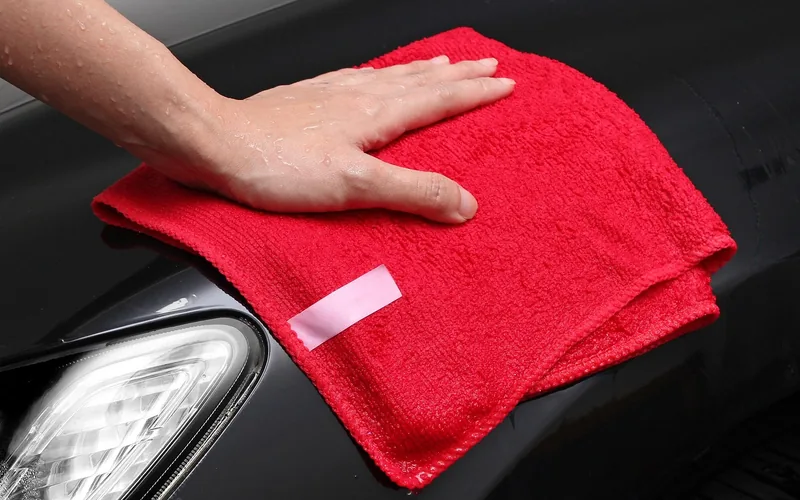
Rubbing Alcohol Basics
Rubbing alcohol sold in stores is almost always isopropyl alcohol (IPA), usually diluted to 70% with water at the factory. A separate product, ethyl alcohol, shows up mostly in hand sanitizers rather than bottled rubbing alcohol. Both are clear, fast-evaporating, and strong-smelling — properties that make them effective degreasers, but also mean they can dissolve wax, sealant, and old touch-up paint if used carelessly.
Around the house, rubbing alcohol disinfects wounds, cleans glass and mirrors, and strips sticky residue like tape or label glue. On a car, that same solvent strength is exactly what makes it useful for panel prep before wax, sealant, or ceramic coating — and exactly what makes concentration and dilution the deciding factor in whether it’s safe.
Car Paint Composition
Modern car paint is built in layers: a primer that helps everything stick to bare metal, a base coat that carries the color, and a clear coat on top that protects the color layer from UV light, scratches, and chemicals. The clear coat is the layer alcohol interacts with — it’s what gives a factory finish its shine, and it’s what strips wax and sealant off first when hit with a strong solvent.
Factory clear coat is baked on at the assembly plant at high heat, which makes it noticeably more chemical-resistant than air-dried touch-up paint, rattle-can respray, or a body shop repair that hasn’t fully cured yet. That resistance gap is also what makes alcohol useful as a rough diagnostic tool, covered in the next section. Read more about which household chemicals are riskiest for a finish in our guide to what liquids damage car paint.
Can You Use Isopropyl Alcohol to Test Paint Type?
Yes — rubbing a small amount of isopropyl alcohol on a hidden spot with a cotton swab or rag is a real, commonly used rag test for paint type. Because baked-on factory clear coat resists solvents far better than aftermarket repaints, single-stage paint, or rattle-can touch-up, alcohol that transfers color or softens the surface is a sign the panel isn’t original factory paint.
The test is quick: dab a white cotton cloth or swab with rubbing alcohol, rub gently on an inconspicuous spot for 10–15 seconds, and check the cloth. No color transfer and no softening usually means factory-cured clear coat. Color on the cloth, tackiness, or a change in sheen can point to a repaint, touch-up, or a coating that hasn’t fully cured.
The rag test isn’t a definitive verdict on its own, though. Professional used-car inspectors typically treat it as one data point alongside visual checks — tape lines along trim and seams, overspray inside door jambs and wheel wells, texture differences between panels, and mismatched panel gaps. If you’re shopping for a used car and want a fuller inspection checklist beyond the alcohol test, see our pre-purchase car inspection guide.
Best Paint-Type Checker Pick
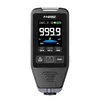
Car Paint Thickness Gauge (0–1400µm, Fe/nFe)
A digital thickness reading is more reliable evidence of a repaint than the alcohol rag test alone — extra-thick spots usually mean filler or an added coat of paint.
- Best for: used-car buyers checking each panel for repaint before purchase
- Why we picked it: pairs with the alcohol rag test to confirm findings with a real number, not just a guess
- Main drawback: budget models can read inconsistently on curved panels — hold it flat and take 2–3 readings per spot
Compare more alcohol-and-paint supplies
 Option 1 MaxTite 70% Isopropyl Alcohol, 32 fl oz
|
 Option 2 Chemical Guys Chemical-Resistant Spray Bottle, 32 oz
|
 Option 3 USANOOKS Microfiber Cleaning Cloths, 12-Pack
|
As an Amazon Associate we earn from qualifying purchases.
Impact On Car Paint
Used correctly, rubbing alcohol cleans grime, road film, and old wax off paint quickly — but that same cleaning power is what strips wax and sealant if you’re not trying to. That’s not a flaw; it’s the reason detailers use it as a pre-wax and pre-coating prep step. The problem only starts when it’s applied undiluted, in large amounts, or scrubbed in with a hard cloth instead of wiped gently with a soft microfiber towel.
Repeated, undiluted use is where real damage shows up: the clear coat can dry out, crack, or fade faster than normal, and hard cloths add fine scratches on top of that. If you’ve already stripped wax with alcohol and need to put protection back on the paint, see our guide on how to remove wax from a car without ruining the paint for the reapplication steps.
Safe Isopropyl Alcohol Dilution Ratios for Car Paint
The dilution ratio is what actually separates “safe panel prep” from “damaged clear coat” — and it’s the one number most articles on this topic skip. Detailers who use isopropyl alcohol as a pre-wax or pre-ceramic-coating panel wipe consistently land in the 10%–25% IPA-to-water range, mixed with distilled water to avoid mineral spotting.
| IPA Concentration | Effect on Cured Clear Coat | Best For |
|---|---|---|
| 10%–20% (1 part alcohol to 3–4 parts water) | Removes wax, oils, and fine residue without stripping the clear coat | Panel prep before wax, sealant, or ceramic coating |
| 25%–50% | Cuts through heavier residue but starts to strip more wax/sealant than needed | Spot-cleaning stubborn tar, sap, or adhesive — sparingly |
| 70%+ (undiluted, straight from the bottle) | Can dry, dull, or “choke” the clear coat with repeated or prolonged contact | Not recommended for routine paint cleaning |
A simple starting mix: 1 part 70% rubbing alcohol to 3–4 parts distilled water gets you roughly 15%–17.5% IPA — squarely in the range detailers use. Spray onto a microfiber cloth (not directly onto the panel), wipe with light pressure, and follow with a clean, damp cloth to rinse any residue away.
Myths And Misconceptions
A lot of drivers assume any contact with rubbing alcohol will fade, peel, or scratch car paint. That’s an overcorrection. Diluted alcohol is a genuinely useful spot cleaner — it’s one of the more effective options for lifting tar, tree sap, and sticker or decal residue that plain soap and water won’t touch. The real rule isn’t “never use it,” it’s “dilute it, and don’t use it often.” For a step-by-step on the residue side specifically, see how to remove sticker residue from a car without damage.
Safe Usage Practices
Here’s the safe process end to end, from mixing to drying:
- Mix the solution: Combine 1 part 70% isopropyl alcohol with 3–4 parts distilled water in a spray bottle for a roughly 15%–17.5% mix.
- Test a hidden spot: Apply to an inconspicuous area first and check for dulling or color transfer before treating a visible panel.
- Spray the cloth, not the panel: Mist the diluted solution onto a soft microfiber cloth rather than directly onto the paint, to control how much contacts the surface.
- Wipe with light pressure: Work in small sections with gentle strokes — pressing hard is what causes hairline scratches, not the alcohol itself.
- Rinse and dry immediately: Wipe the treated area with a clean, damp cloth to remove any leftover alcohol, then dry with a separate towel so nothing sits on the paint.
Is It Safe to Use Alcohol on Fresh or Repainted Car Panels?
No — this is the one situation where even properly diluted alcohol is riskier than usual, and most guides on this topic skip it entirely. Fresh clear coat keeps off-gassing solvent for roughly 30 to 90 days after it’s sprayed, and during that window it’s noticeably softer and more solvent-sensitive than fully cured factory paint. Alcohol applied to a panel that was painted or repaired inside that window can cause clouding, softening, or a hazy finish that doesn’t happen on paint that’s fully cured.
If a panel was painted, touched up, or repaired within the last month, skip the alcohol entirely — wash it with plain soap and water instead, and wait until the shop or paint manufacturer’s recommended cure time has passed before doing any alcohol-based panel wipe, wax, or ceramic coating prep.
📊 A car’s interior can climb roughly 50°F above the outside air temperature within an hour, even on a mild day in the 70s°F. Since 70% isopropyl alcohol has a flash point around 64–75°F, a sealed bottle left in a hot car sits well above the temperature range where it can ignite near an open flame or spark. Source: NHTSA, Summer Driving Tips
Alternatives To Rubbing Alcohol
Soap and water is still the safest everyday option for a full car wash — a pH-neutral car soap and soft sponge won’t touch wax or sealant the way alcohol can. See our full walkthrough in how to do a proper car wash at home if you want the complete process.
Diluted vinegar and water cuts through light dirt and water spots without stripping protection, though it shouldn’t replace alcohol for stubborn residue like tar or adhesive.
Dedicated “paint safe” car cleaning products, including branded degreasers like Purple Power, are formulated specifically for automotive clear coat rather than general household use — see our breakdown in is Purple Power safe on car paint for a direct comparison.
If the goal is long-term protection rather than a one-time clean, a ceramic coating adds a durable barrier that makes future cleanups easier and reduces how often you’d need a solvent like alcohol at all. If you already have a ceramic coating, check should you wax a car after ceramic coating before reaching for any alcohol-based cleaner on top of it.
Expert Opinions
Mechanics and detailers who use rubbing alcohol regularly treat it as a mild, controllable solvent rather than something to avoid outright — the deciding factor is concentration and frequency, not whether alcohol touches the paint at all. A roughly 2-parts-water-to-1-part-alcohol mix (about 23% IPA) is a common working ratio, always tested on a small spot first.
“Rubbing alcohol will only damage the clear coat if it’s used in high concentrations and large quantities.”
That lines up with how professional detailing brands talk about it too: diluted, occasional use is treated as routine panel prep, not a risk to the finish. The caution in most warnings is really about undiluted alcohol used often or left to sit — not about alcohol touching paint at all.
Frequently Asked Questions
Will Rubbing Alcohol Damage Car Paint?
Rubbing alcohol can damage car paint if used incorrectly. Dilute it with water before application. Always test on a small area first. Prolonged contact may strip wax or clear coat. Use sparingly and rinse thoroughly to minimize potential damage. Regular use is not recommended for maintaining car paint.
Can You Use Isopropyl Alcohol to Test Paint Type?
Yes. Rubbing diluted or full-strength isopropyl alcohol on a hidden spot with a cloth or cotton swab is a common “rag test” for paint type — factory-baked clear coat resists it, while repainted, touched-up, or single-stage paint often shows color transfer or softening. Treat it as one clue, not proof; pair it with a visual check for overspray and tape lines, or a paint thickness gauge, for a reliable answer.
What Percentage of Isopropyl Alcohol Is Safe for Car Paint?
A 10% to 20% isopropyl alcohol to water mix is the range detailers consider safe for routine panel prep on cured car paint. Mixing roughly 1 part 70% rubbing alcohol with 3 to 4 parts distilled water gets you into that range. Concentrations above 25%, and undiluted 70%+ alcohol used often or in large amounts, raise the risk of stripping wax and dulling the clear coat.
Does Rubbing Alcohol Remove Tree Sap and Tar From a Car?
Yes, diluted rubbing alcohol is effective at loosening tree sap, tar, and sticker or adhesive residue that plain soap and water can’t fully remove. Apply it to a cloth rather than directly on the paint, work the spot gently, then rinse and dry the area right away so no alcohol is left sitting on the clear coat.
Is It Bad To Leave Isopropyl Alcohol In A Hot Car?
Leaving isopropyl alcohol in a hot car is dangerous. It can evaporate and increase fire risk due to high temperatures. Store it in a cool, ventilated area to prevent hazards and preserve its effectiveness. Avoid direct sunlight exposure to maintain safety and product integrity.
Does Isopropyl Alcohol Damage Coating?
Isopropyl alcohol can damage some coatings, especially on electronics or certain plastics. Always test on a small area first.
Does Isopropyl Alcohol Damage Car Interior?
Isopropyl alcohol can damage some car interior materials. It may cause discoloration or degrade plastics and leather. Test a small area first. Use it sparingly and wipe with a damp cloth afterward. For best results, consult your car’s manual for recommended cleaning products.
Conclusion
Rubbing alcohol is safe for car paint when it’s diluted to 10%–20% isopropyl alcohol, applied sparingly with a soft microfiber cloth, and kept off panels painted or repaired in the last 30 days. Used undiluted, often, or with a hard cloth, it can strip wax and dull the clear coat over time. Diluted correctly, it doubles as a useful residue remover and a rough paint-type check when you’re buying a used car.
Products related to this article
Sponsored / affiliate links. As an Amazon Associate I earn from qualifying purchases. I may earn additional commission from eligible campaigns.