The Emotional Connection Between People and Cars, Explained
People form emotional attachments to their cars because a car becomes tied to memory, identity, and independence — not because of the vehicle itself. A 2025 Aviva survey found 78% of drivers say a car has been part of a major life event, and 23% still think about their first one. This guide covers the three types of car attachment researchers have identified, where the bond comes from, and why parting with a car can feel like losing a friend.
Quick Answer
Car attachment generally falls into three types: functional (little sentiment — the car gets replaced without much thought), identity or status (the car reflects who you are or what you’ve achieved), and nostalgic or legacy (tied to memory, milestones, or family history). Most people who describe a strong bond with a specific car are describing the nostalgic or identity type, not simple reliability.
Why Do People Feel an Emotional Connection to Their Cars?
A car becomes an emotional object the same way any possession does: through repeated use, shared experience, and its role in your own story. Consumer researcher Russell Belk’s “extended self” theory — one of the most cited concepts in consumer psychology since 1988 — describes this directly: people incorporate meaningful possessions into their sense of identity, so that losing the object can feel like losing part of yourself.
This isn’t limited to any one group of drivers. Cars are present for graduations, weddings, first solo drives, and new babies coming home — the vehicle becomes part of the memory itself, not just the transportation that got you there. That’s a large part of why the attachment can feel disproportionate to what the car is actually worth.
The Three Types of Car Attachment, Explained
Not everyone bonds with a car in the same way or for the same reason. Transportation researcher Linda Steg’s widely cited 2005 study on car use found that drivers’ motives split into three broad categories — instrumental (getting from A to B), symbolic (what the car communicates about you), and affective (how the car makes you feel) — and that symbolic and affective motives, not practicality, predicted the strongest attachment. Applied to how people actually talk about their cars, those three motives show up as three recognizable relationships.
| Attachment Type | What Drives It | What It Looks Like |
|---|---|---|
| Functional | Instrumental motives — cost, reliability, convenience | A commuter who trades in a car once it stops being cheap to run, with little sentiment attached |
| Identity / status | Symbolic motives — self-expression, image, achievement | A first sports car bought after a promotion, or a specific truck chosen to signal a lifestyle |
| Nostalgic / legacy | Affective motives — memory, milestones, inherited history | A parent’s old pickup kept running years after it stops making financial sense |
Most people are a mix of all three depending on the vehicle. A daily commuter car can sit firmly in the “functional” column while a weekend project car in the same driveway sits in “nostalgic.” The type of attachment — not just its strength — is what determines how a person reacts when it’s time to let a specific car go.
Freedom and the Open Road
For many drivers, a car represents the ability to leave whenever they want and go wherever they choose, without asking permission. That sense of self-directed movement is one of the “affective” motives Steg’s research identified — it has little to do with how fast or efficient the trip actually is, and everything to do with the feeling of control behind the wheel.
A Short History of America’s Emotional Bond With Cars
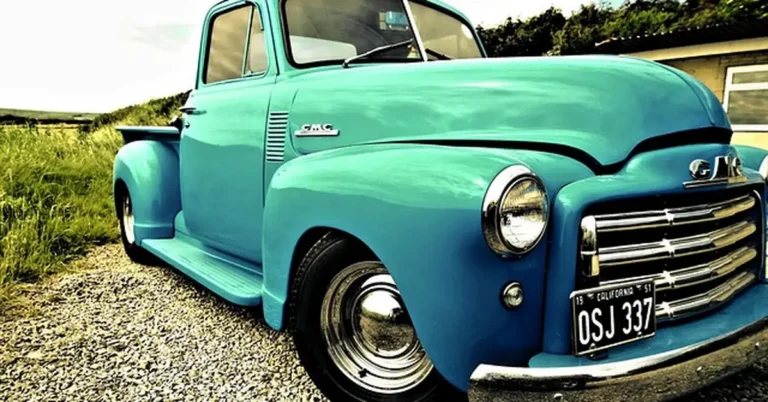
The emotional weight Americans put on car ownership isn’t accidental — it was built over a century. Henry Ford’s Model T, introduced in 1908 and mass-produced on the assembly line by the 1910s, made car ownership realistic for ordinary families for the first time. By the 1920s, the car had already become more than a machine: for women in small towns especially, it was a genuine tool of independence, making it possible to work, attend meetings, and move through public life on their own terms.
The mid-20th century cemented the shift. Growing suburbs, the new Interstate Highway System, and a culture built around drive-ins and road trips turned the automobile into a marker of freedom rather than just a way to get to work. By the muscle car era of the 1960s, the specific car a person drove had become shorthand for who they were — a pattern that still shows up today whenever someone describes a car as “part of the family.”
Milestones and Memories: Cars in Our Life’s Key Moments
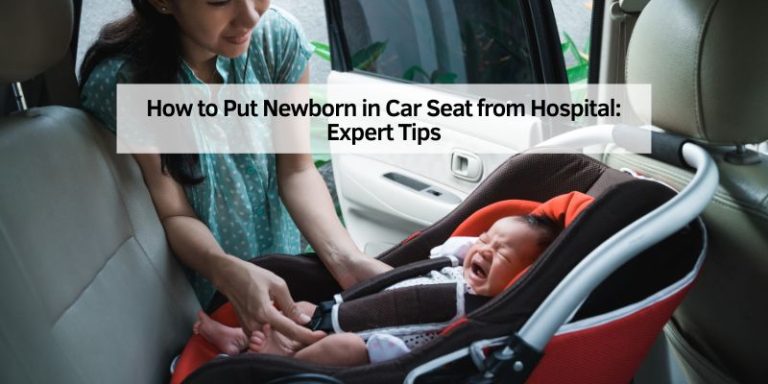
Cars often play a supporting role in the moments people remember most: a graduation drive home, a wedding getaway, bringing a new baby back from the hospital. Because the vehicle is physically present for the event, the memory and the object become linked — psychologists call this the autobiographical function of a possession, and it’s a major reason a specific car can feel irreplaceable even when a newer, better one is available.
Loss and Longing: When Parting With a Car Feels Like a Breakup
Selling or scrapping a car that carried you through real memories can trigger genuine grief, not just inconvenience. In a 2013 Autotrader survey of U.S. drivers, more than 70% said they felt “very” or “somewhat” attached to their car, 36% described it as an “old friend,” and over a quarter said they felt sad just thinking about parting with it. Dependability (65%) and comfort (52%) were the most commonly cited reasons for the attachment — though the emphasis differed by gender: women were more likely to point to a car’s appearance (48% vs. 29% of men), while men more often cited shared adventures (57% vs. 20% of women). The bond itself isn’t limited to one group; only what people focus on tends to differ.
📊 23% of UK drivers still think about their first car, and 78% say a car has been part of a major life event. — Source: Aviva plc, April 2025
“Our findings highlight just how much sentimental value our cars hold — they’re not just vehicles, but places where we create lasting memories.”
Restoring Old Cars: Why the Hobby Runs So Deep
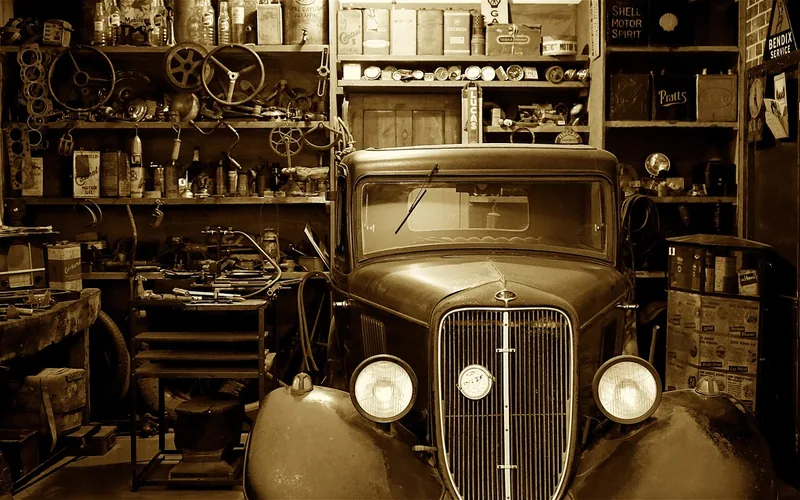
Classic car restoration is rarely just about the finished vehicle. Hobbyists often describe the process itself — tracking down a rare part, learning to read a decades-old carburetor, comparing notes with other owners of the same model — as the real reward. These communities tend to organize around skill, patience, and shared history rather than money, which is part of why a project car that’s been in a garage for ten years can carry more emotional weight than a brand-new one bought outright.
Community and Connection: Sharing the Love With Fellow Enthusiasts
For many owners, the emotional bond with a car doesn’t stay private. Car meets, owner forums, and local clubs turn an individual attachment into a shared one, and that sense of belonging can reinforce the original bond with the vehicle itself. If you want a deeper look at that broader hobbyist scene — car meets, clubs, and how enthusiasm gets passed between generations — see our guides on car culture as a lifestyle and how car culture grows from hobby to lifestyle. For the enthusiast-identity side specifically — collecting, modifying, and the psychology of belonging to a car community — see the psychology of car enthusiasts.
Sustainability and Sentiment: Balancing Emotional Ties With Eco-Consciousness
The shift toward electric and hybrid vehicles raises a real question for emotionally attached drivers: can a quieter, software-driven car create the same bond as an old combustion engine with a distinct sound and feel? Automakers have clearly bet the answer matters — many EVs now ship with synthetic engine or alert sounds specifically engineered to preserve a sense of driving feedback, rather than leaving the cabin silent. The bond itself isn’t going away; it’s being re-engineered around new technology instead of removed by it.
Frequently Asked Questions
Why Do People Feel an Emotional Connection to Their Cars?
Most people form emotional bonds with their cars because the vehicle becomes tied to memory, identity, and independence rather than just transportation. Researchers describe cars as part of the “extended self” — a possession people incorporate into their sense of who they are. A 2025 Aviva survey found 78% of UK drivers say a car has been part of a major life event, which is one reason the bond runs deeper than the vehicle’s function.
Is It Normal to Feel Sad When You Sell an Old Car?
Yes. In a 2013 Autotrader survey of U.S. drivers, more than a quarter said they felt sad thinking about parting with their car, and 36% described their vehicle as an “old friend.” Selling a car that carried you through specific memories can trigger a real sense of loss, similar to other meaningful transitions.
Do Women Feel the Same Emotional Attachment to Cars as Men?
Broadly, yes — attachment rates are similar between genders, though the reasons differ. In the same Autotrader survey, women were more likely to cite a car’s appearance (48% vs. 29% of men) as the reason for their attachment, while men more often pointed to shared adventures (57% vs. 20% of women). The connection itself isn’t gender-exclusive; only its emphasis shifts.
Why Do People Restore Old Cars Instead of Buying New Ones?
Restoration is less about the finished car and more about reclaiming a piece of the past. For many hobbyists, working on a vintage vehicle offers hands-on control, a tangible connection to an earlier era, and access to a tight-knit community built around shared skill rather than money. The process itself, not just the result, is often the real reward.
What’s the Difference Between Loving a Car and Feeling Emotionally Attached to It?
“Loving” cars is often about enthusiasm for performance, styling, or driving feel in general. Emotional attachment runs more specific: it’s tied to one particular vehicle’s history with you, not the model or brand as a whole. You can love sports cars generally while feeling attached to one specific car because of what it witnessed in your life.
Can Modern Car Technology Create an Emotional Bond?
It can strengthen one. Personalized features — a saved seat position, a voice assistant that recognizes your routine, driver-assistance systems that adapt to your habits — add a sense of familiarity that can deepen attachment over time, similar to how older drivers bonded with cars through shared memories rather than technology.
Conclusion
The emotional connection between people and their cars isn’t a quirk — it’s a well-documented pattern rooted in memory, identity, and independence. Whether the bond is functional, identity-driven, or deeply nostalgic, it explains why a specific car can matter far more than its market value suggests, and why letting one go can feel like closing a chapter rather than just replacing a machine.
Products related to this article
Sponsored / affiliate links. As an Amazon Associate I earn from qualifying purchases. I may earn additional commission from eligible campaigns.