The Influence of Automotive Design on Lifestyle Trends
Automotive design shapes lifestyle trends by signaling identity through proportions, materials, and tech; one clear rule is that visible cues outrank horsepower for status signaling. Ignore those cues, and cars miss the fashion cues, cabin signals, and status markers people use to read taste. This guide maps styling, cabin materials, and digital features to clothing choices, home decor, and consumer identity.
How automotive design sends lifestyle signals
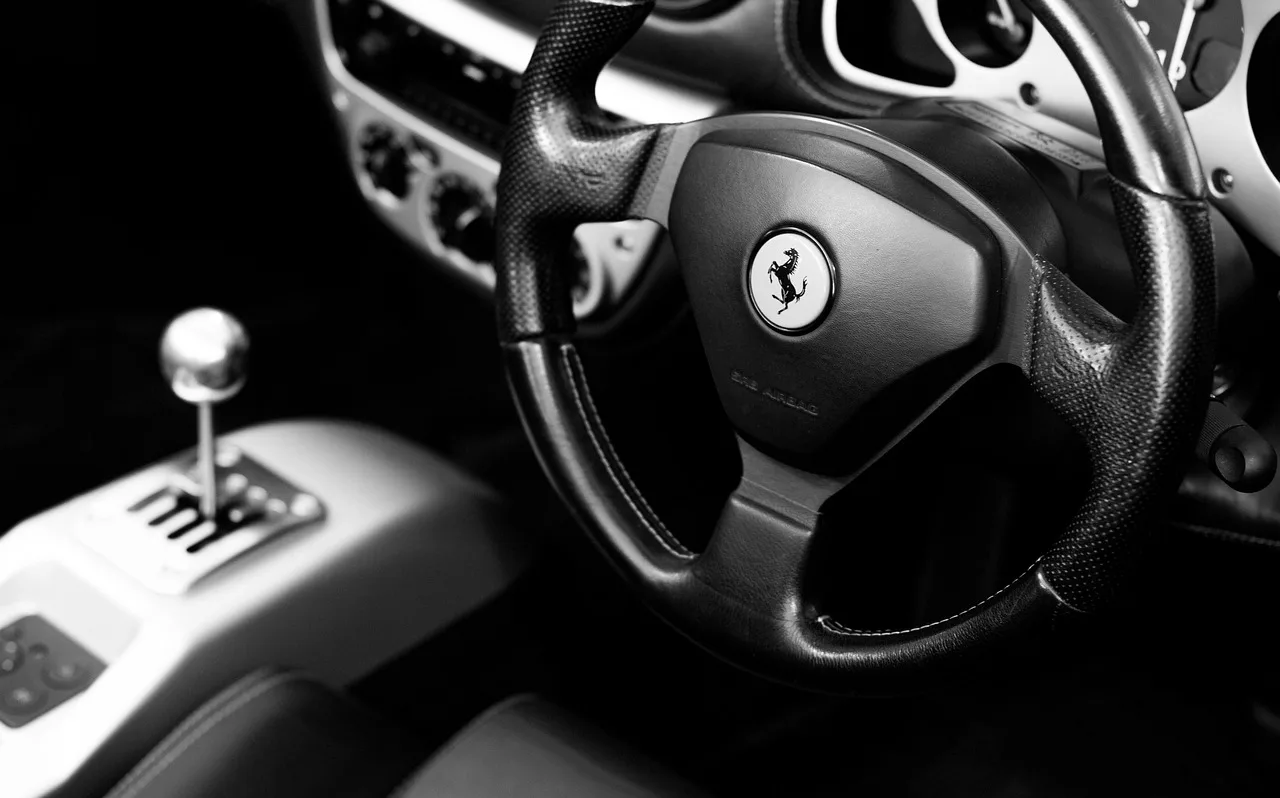
Automotive design works like a signaling system. Shape, stance, lighting, and surface finish tell viewers whether a vehicle reads as sporty, practical, premium, or future-facing before anyone opens a door. Those signals matter because they carry into clothing, interiors, and status consumption long before most buyers can explain the trim sheet.
What people read from shape, stance, and proportion
Low, wide proportions usually signal performance intent. Tall roofs, upright glass, and easy entry read as practical or family-oriented. Long hoods can suggest traditional prestige, while short overhangs and a high cabin often communicate urban efficiency or electric packaging. The message changes when the same form becomes common.
A sedan with a fastback roof may borrow a fashion cue from athletic tailoring: streamlined, fitted, a little less formal. A boxier crossover can read as everyday versatility, especially when the proportions are honest rather than exaggerated. Buyers often respond to what the shape implies about how the car will fit into their routines.
Why lighting signatures and surface details matter
Lighting can become a brand marker because it is visible from a distance and at night. Distinctive daytime running lights, thin rear lamps, and animated welcome sequences all communicate modernity. Once a lighting treatment spreads across many models, it loses that edge and becomes part of the category language.
Surface details do similar work. Flush door handles, blacked-out trim, exposed fasteners, and patterned grilles can signal high design intent or technical confidence. The signal is strongest when the detail looks functional, not decorative for its own sake.
Which cues feel personal versus purely brand-led
Personal cues are the ones buyers can translate into daily use: easier entry, quieter cabins, intuitive controls, and storage that fits real life. Brand-led cues are more symbolic, such as signature grilles or lighting that exists mainly for recognition. The strongest designs usually do both at once.
Design becomes a weaker lifestyle signal when the cue does not match the buyer’s routine. A dramatic coupe profile may look aspirational in a showroom, but it signals less to a parent loading child seats every morning. The lifestyle message breaks when form and use pull in opposite directions.
Why exterior design borrows from fashion and culture
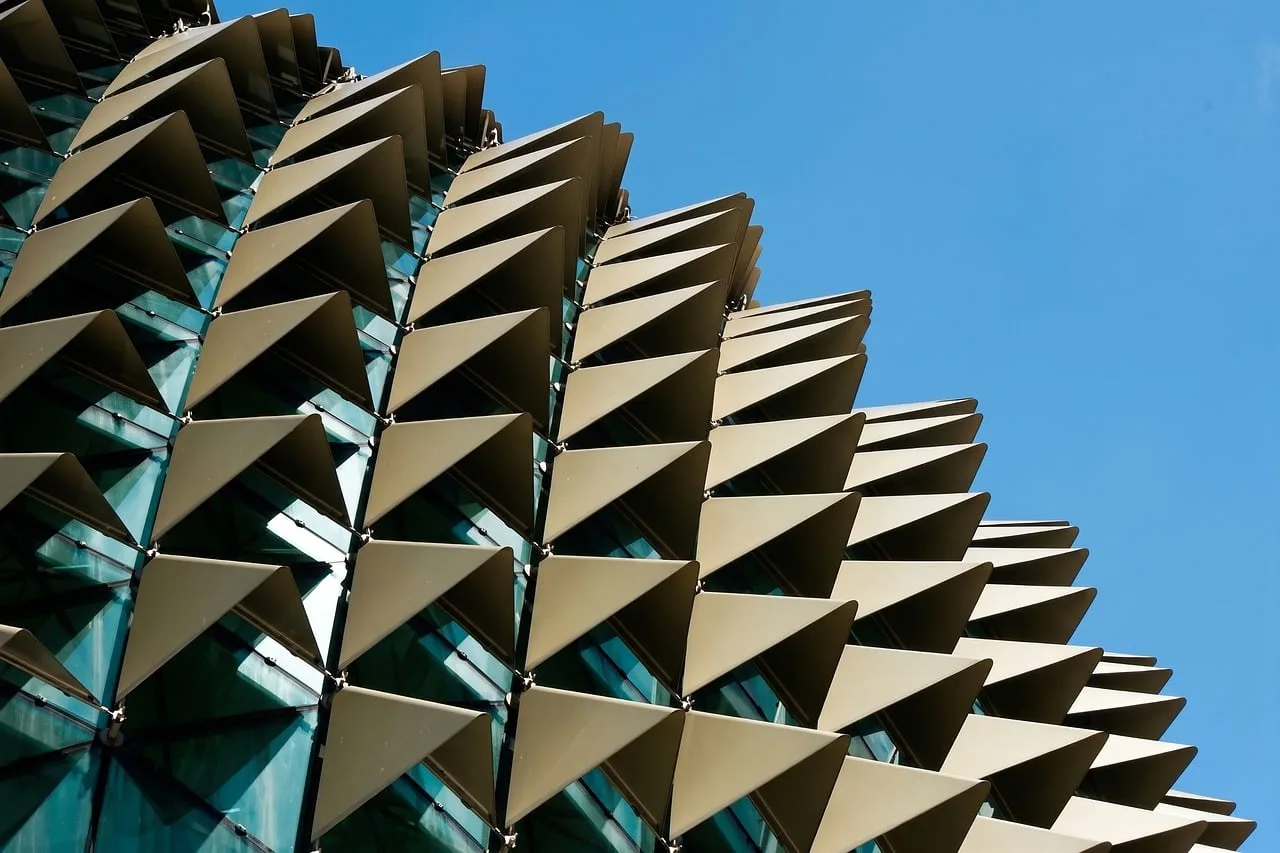
Exterior design borrows from fashion and culture because all three fields work through silhouette, texture, and trend timing. Automotive styling does not copy clothing directly, but it often translates runway proportions, street graphics, and social values into body shapes, trims, and color choices. The article links fashion and roadway aesthetics through a runway-to-roadway idea.
Streetwear influence in graphics, boldness, and casual luxury cues
Streetwear pushes automotive design toward contrast, visible branding, and relaxed confidence. That shows up in body cladding, two-tone paint, dark wheels, and oversized wheel arches. It also appears in interiors through contrast stitching, matte textures, and utility-minded layouts that still look curated.
Streetwear’s influence is strongest with younger buyers who use design to signal cultural awareness without looking formal. A compact EV with sharp graphics and simple surfaces can feel aligned with sneakers and technical outerwear. The car and the outfit speak the same visual language.
Haute couture influence in restraint, finish, and status signaling
Haute couture influences vehicles differently. It favors precision, restraint, and material quality that reads up close rather than loudly from across a parking lot. This is where paint depth, panel fit, stitched leather, and finely finished metal trim do the status work.
Luxury sedans and grand touring models often borrow that logic. The point is not visual noise. It is controlled exclusivity. The car signals status by implying that the owner notices details other people miss.
How cultural trends move from runway and street to road
Cultural trends move fastest when a vehicle already fits a broader shift in taste. Flat surfaces, clean lighting, and minimal ornament became more common as design culture moved toward digital simplicity. That is one reason EVs often look more modern: the drivetrain enables a body with fewer old packaging constraints.
Fashion and auto design are increasingly shaped by technology, which speeds the transfer of visual ideas. A trim line or color block that starts on apparel can move into vehicle accents once the shape language feels current. When enough brands repeat the cue, it becomes an era marker rather than a trend.
Why car interiors shape taste at home and on the road
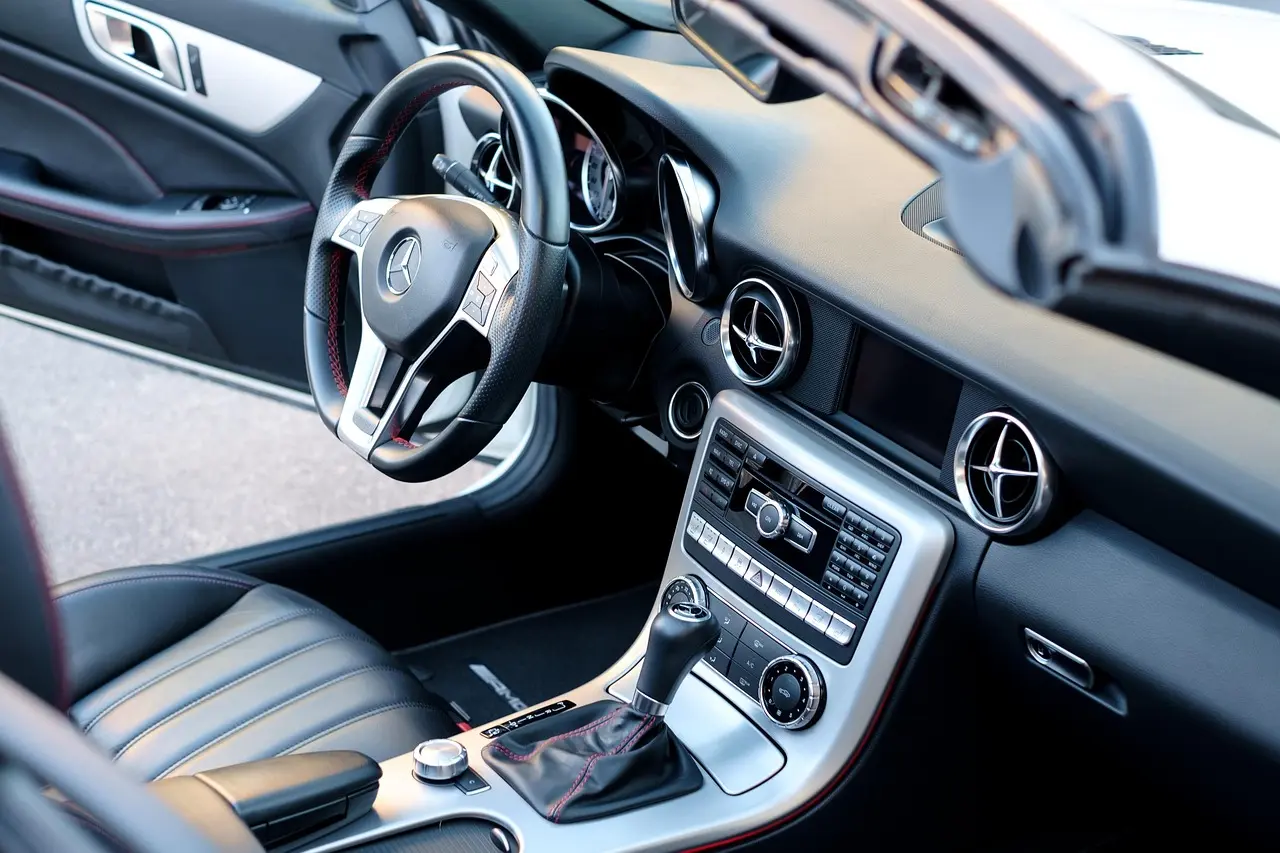
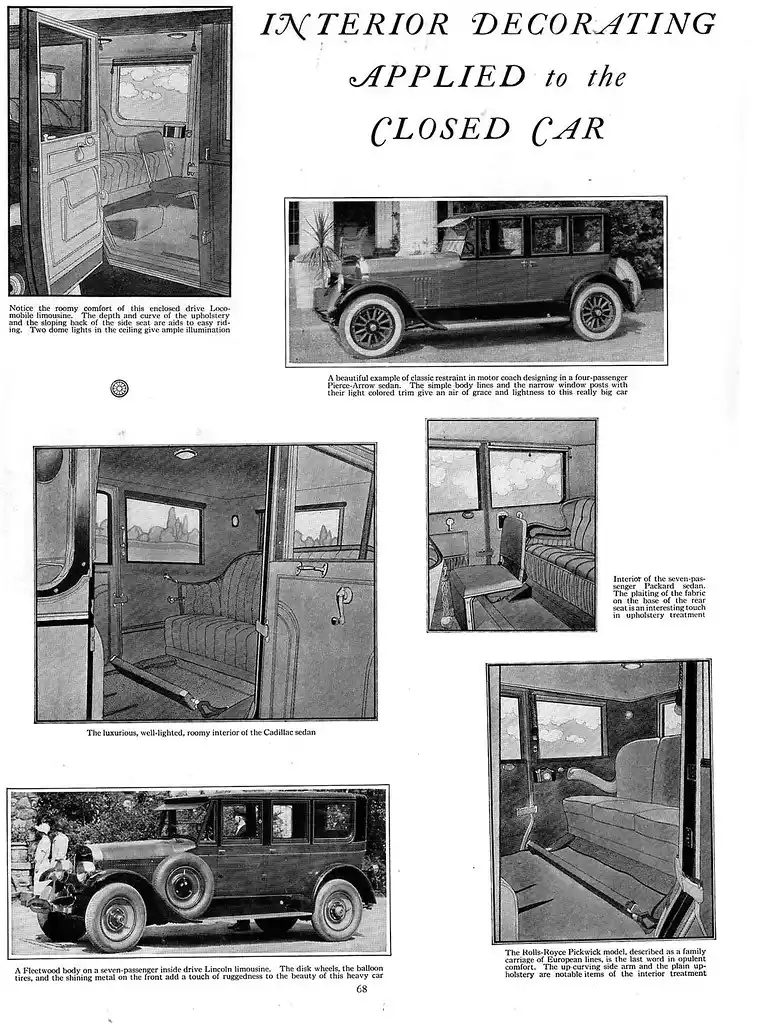
Car interiors shape taste because they are private, repeated environments. Cabin materials, lighting, and control layouts tell buyers what comfort should feel like, and those expectations often carry into furniture, home finishes, and device choices. Interior design also signals whether a vehicle supports commuting, family life, or performance use.
Cabin materials and what they suggest about value
Materials speak quickly. Soft-touch surfaces, open-pore wood, textured cloth, recycled fabrics, and visible stitching each send a different message about value and purpose. Glossy black surfaces can look high-tech, but they often signal more care at purchase than ease in daily use because they show fingerprints and dust.
Sustainable materials are now part of eco-innovation in interiors, but the signal depends on execution. Buyers notice whether recycled textiles, plant-based trim, or ethically sourced inputs feel durable and believable. If the material looks cheap or wears poorly, the ethical message can collapse into a cost-cutting message.
Layout, comfort, and the lifestyle each cabin supports
Layout is a status cue because it reveals how the vehicle expects to be used. A lounge-like cabin with reclining rear seats suggests chauffeured comfort or long-distance touring. A cockpit with bolstered seats and a high center console implies the driver’s role matters most. A flat-floor EV cabin may suggest flexible family or work use.
Picture a five-seat crossover with wide rear doors and underfloor storage. That layout tells a buyer the design prioritizes school runs, groceries, and weekend hauling over expressive driving posture. The interior becomes a lifestyle argument before the salesperson says a word.
Why interior design can signal family, commuting, or performance priorities
Family buyers read seat access, cargo flexibility, and durable fabrics as signs of respect for daily reality. Urban commuters notice compact controls, easy phone integration, and low-stress visibility. Performance buyers look for supportive seating, lower hip points, and controls that feel driver-centered rather than tablet-dominated.
Interior signals fail when the cabin looks premium but works poorly. A shiny, low-contrast dashboard can read well in photos and frustrate in traffic. That disconnect weakens lifestyle influence because buyers use the car every day, not only at delivery.
Which design cues map most clearly to lifestyle identity?
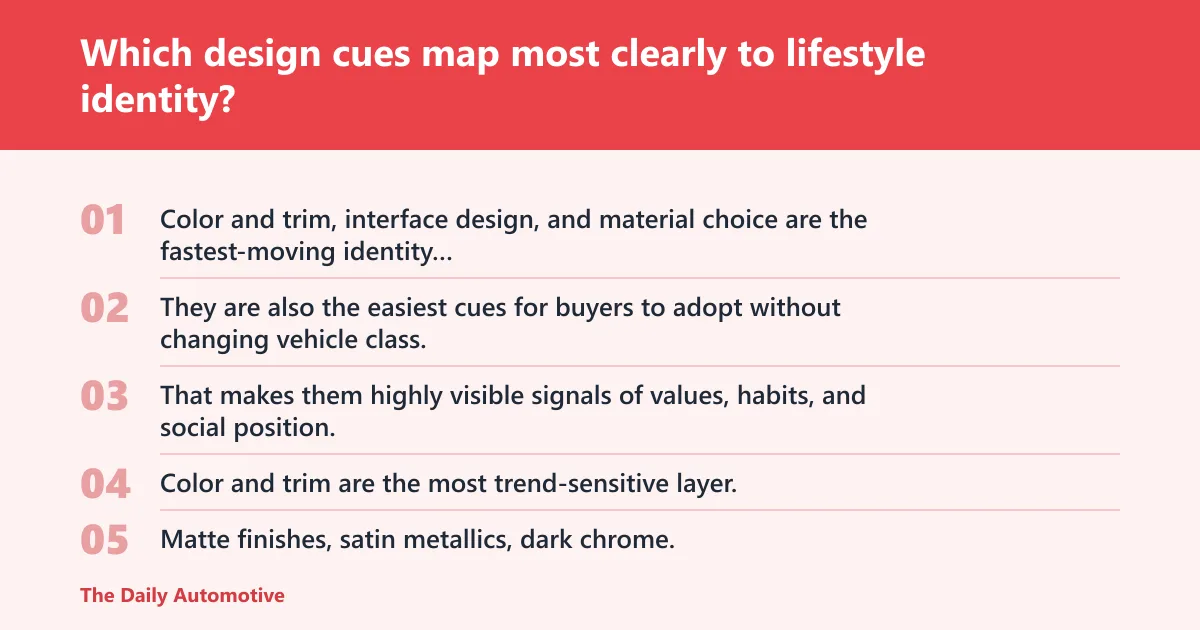
Color and trim, interface design, and material choice are the fastest-moving identity markers because they change with taste cycles and technology. They are also the easiest cues for buyers to adopt without changing vehicle class. That makes them highly visible signals of values, habits, and social position.
Color and trim as fast-moving trend markers
Color and trim are the most trend-sensitive layer. Matte finishes, satin metallics, dark chrome, and earthy tones can move from fashion and interiors into cars quickly. A palette can read modern one year and tired the next once enough models use it.
These choices often track wider cultural values. Neutral tones can signal calm and premium understatement. Brighter colors can signal youth, optimism, or a willingness to stand out. Surface finish matters as much as hue because it affects how formal or casual the car feels.
Interface design as a marker of digital habits
Interface design signals whether a buyer expects a car to behave like a device. Large central displays, app-like menus, voice control, and customizable screens can communicate digital fluency. Physical knobs and switches can signal clarity, speed, and a preference for tactile control over software depth.
Connected car technology is now a modern feature consumers demand, which means screens alone no longer feel special. The lifestyle signal comes from how the interface is organized. A clean, quick system feels premium. A laggy, cluttered one feels dated, no matter the badge.
Sustainable materials as a signal of values and taste
Sustainable materials signal ethics, but also taste. Buyers often read recycled textiles, low-impact coatings, or responsibly sourced trim as signs of informed consumption. The cue works best when the material still looks and feels expensive enough to justify its place in a premium cabin.
That signal can fail if the material clashes with the vehicle’s price. A high-cost model with visibly cheap-feeling eco trim can seem inauthentic. In that case, the buyer reads the material as a compromise rather than a statement.
How electric and autonomous tech reshape design expectations
Electric powertrains, autonomous driving, and connected car technology change design by changing what the cabin needs to do. Electric powertrains are a design-shaping technology because they free packaging space. Autonomous driving is a futuristic feature shaping design choices because it shifts attention from driving position to in-cabin use.
Electric powertrains and the new proportions they allow
Electric powertrains can shorten front ends, open up cabin space, and reduce the need for some traditional engine-related body cues. That creates a cleaner front fascia and a more modern profile. The lifestyle association is straightforward: efficiency, newness, and technical competence.
This is one reason EVs often serve as design symbols beyond their drivetrain. They suggest a buyer is aligned with newer mobility norms, not just lower tailpipe emissions. That association weakens when the EV looks like a conventional car with a battery swapped in underneath.
Autonomous driving and the case for rethinking cabin use
Autonomous driving pushes design toward flexible interiors. If the car handles more of the task, the cabin can shift toward reading, working, socializing, or resting. That means seating, storage, lighting, and display placement all have to support a broader range of uses.
Automakers already signal this future through swiveling concepts, lounge seating, and hidden controls. The signal is aspirational now because most buyers still spend real time driving. Once autonomy becomes normal, some current “futuristic” cabins may look cluttered rather than advanced.
Connected car technology and the rise of app-like interiors
Connected interiors borrow from phones and tablets. They favor personalization, live updates, and services that continue after purchase. That creates a stronger tie between vehicle design and daily digital habits, from navigation to media to remote climate control.
For lifestyle branding, this matters because the car no longer reads as a static object. It reads as part of a person’s digital system, similar to a laptop or smartwatch. The more consistent the software experience, the stronger the design signal.
Decision matrix: which cues still feel aspirational?
Some cues may hold aspirational appeal longer than others. The matrix below maps five common design cues to the lifestyle signal they send and shows when each cue starts to feel generic. A cue usually loses force once it becomes widespread, too expensive for its function, or detached from daily use.
| Design cue | Lifestyle signal | Common audience | When it stops feeling aspirational |
|---|---|---|---|
| Shape | Sport, utility, or premium restraint | Performance buyers, urban commuters, families | When every model in the segment adopts the same silhouette |
| Lighting | Modernity and brand recognition | Tech-oriented buyers, early adopters | When the signature becomes a standard regulatory or category pattern |
| Cabin materials | Value, ethics, and tactile quality | Luxury buyers, family buyers, eco-minded buyers | When the material feels synthetic, wears poorly, or appears cost-driven |
| Color palette | Fashion awareness and social positioning | Younger buyers, style-conscious commuters | When the palette spreads across mainstream trims and loses rarity |
| Interface design | Digital habits and ease of use | Connected-car users, commuters, tech buyers | When menus are cluttered, slow, or harder than physical controls |
How to read the matrix in practice
- Identify the cue the car is using most loudly.
- Ask whether that cue supports daily use or only visual impact.
- Check whether the same cue already appears across multiple brands.
- Compare the cue with the buyer’s actual routine, not the brochure language.
- Decide whether the signal still feels scarce, or whether it has become generic.
When design stops influencing lifestyle trends
Automotive design stops shaping lifestyle trends when price, practicality, or repetition breaks the message. A visually striking vehicle cannot influence taste if most buyers cannot afford it. It also fails if its layout makes daily use harder than the object it is trying to replace.
When pricing blocks adoption
Status signaling depends on reach. If a material, tech feature, or shape language only appears on a few expensive vehicles, it may influence aspiration without changing mainstream taste. Once the same cue appears in lower trims, its status effect often fades.
This is why premium features spread unevenly. Buyers may admire a large display or sustainable cabin material, but they only change their expectations when the feature becomes realistic at their budget level. Price determines whether a design cue stays symbolic or becomes normal.
When a layout feels impractical for daily use
A layout can look fashionable and still miss the market. Tight rear access, poor storage, awkward infotainment menus, or limited visibility turn style into friction. That is where design loses its power to shape lifestyle, because daily annoyance erodes the original appeal.
Suppose a compact crossover uses dramatic roof styling but cuts rear headroom enough to make child-seat installation awkward. The design may attract attention on the street, but family buyers quickly read it as a compromise rather than an upgrade.
When a once-fresh cue becomes generic
Trend language decays when too many brands repeat it. Thin lights, blacked-out trim, oversized screens, and minimalist cabins all started as signals of progress or restraint. Once they become default content, they stop marking taste and start marking category membership.
That is the key rule for identifying whether automotive design still influences lifestyle trends: ask whether the cue still separates the buyer from the crowd. If it no longer does, it has become background styling.
Frequently asked questions
How does automotive design influence fashion and lifestyle trends?
Automotive design influences fashion and lifestyle trends by translating silhouette, material, and color into mobile status cues. Runway-to-roadway ideas move fastest through trim, lighting, and proportion, then show up again in apparel, furniture, and accessories. The strongest influence appears when the car and the buyer’s visual culture already share the same mood.
Why do car interiors reflect consumer tastes and status?
Car interiors reflect consumer tastes and status because they are personal spaces with constant exposure. Materials, seating layout, and screen design tell others how a buyer wants comfort to look and feel. Premium materials and careful detailing signal discernment, while flexible layouts and durable surfaces signal practical priorities.
How do sustainable materials in cars affect lifestyle preferences?
Sustainable materials affect lifestyle preferences by linking ethics to texture, color, and perceived quality. Buyers increasingly read recycled fabrics and responsibly sourced trim as signs of informed taste. The signal only works if the materials still feel durable and worth the price, because weak execution reads as compromise instead of values.
What role does technology play in modern automotive design trends?
Technology shapes modern automotive design by changing the cabin from a driving room into a connected interface. Electric powertrains alter proportions, autonomous driving changes cabin use, and connected systems make the vehicle feel more like a digital device. The design signal comes from how well the hardware and software support daily habits.
Which design elements in cars signal identity the most?
The clearest identity signals are shape, lighting, color and trim, and cabin interface design. Shape shows how the vehicle wants to be used, lighting marks brand identity, and color and trim track fast-moving taste. Interface design signals digital habits and whether the buyer values tactile controls or screen-first interaction.
How do automotive trends influence home, apparel, and accessory design?
Automotive trends influence home, apparel, and accessory design through shared preferences for materials, color, and minimalism or utility. Matte finishes, earthy tones, technical fabrics, and clean surfaces often move across categories together. When car design changes, it can reset expectations for what feels modern in a chair, jacket, or bag.
How do exterior car designs borrow from fashion and culture?
Exterior car designs borrow from fashion and culture by adopting the same tools used in clothing: proportion, edge, surface, and color. Streetwear influences bold graphics and casual luxury cues, while haute couture informs restraint and finish quality. Those borrowings work only when the vehicle’s form supports the cultural message.
What is the connection between electric vehicles and lifestyle branding?
Electric vehicles connect to lifestyle branding because their packaging and proportions suggest a forward-looking identity. Shorter noses, cleaner fronts, and flexible interiors signal modernity and technical confidence. The effect is strongest when the design feels native to electric architecture rather than a conventional car wearing EV badges.
Products related to this article
Sponsored / affiliate links. As an Amazon Associate I earn from qualifying purchases. I may earn additional commission from eligible campaigns.