Tools for Unlocking Car Doors: Which Ones Actually Work
The two tools that actually get a locked car door open on most modern vehicles are an inflatable air wedge and a long-reach hook rod — not a slim jim. The wedge creates a small gap at the top corner of the door frame, and the rod reaches through that gap to hit the unlock button or pull the interior lock lever.
Getting locked out is common, and not every tool sold for the job is a good idea to use on your own car. Some of the classic advice — coat hangers and slim jims especially — can scratch paint, tear weatherstripping, or hit wiring for power locks and side airbag sensors on newer vehicles. Below is what each tool actually does, which ones are worth keeping in your trunk, and which ones to skip.
Car Door Unlock Tools Compared
| Tool | Best For | Damage Risk | Typical Price |
|---|---|---|---|
| Inflatable air wedge | Creating a gap at the top door frame | Low | $10–$40 |
| Long-reach hook rod | Reaching the unlock button or lock lever through an open gap | Low, if aimed carefully | $10–$50 |
| Slim jim | Older cars (pre-2000s) with an exposed manual lock rod | High on modern cars | $10–$25 |
| Auto jiggler key set | Cars with simple wafer-tumbler door locks | Low to medium | $10–$20 |
| All-in-one lockout kit | One kit that covers most situations | Low (non-marring pieces) | $20–$40 |
MOST COMPLETE LOCKOUT KIT
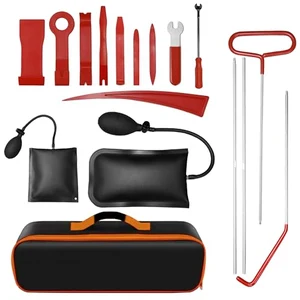 |
17 PCS Stainless Steel Car Lockout Kit with Air Wedge & 68″ J-Hook – $29.99 Covers the two tools that actually work on most cars — an inflatable wedge and a long-reach rod — plus non-marring trim tools, in one case instead of three separate purchases.
|
Inflatable Air Wedges (How They Work)
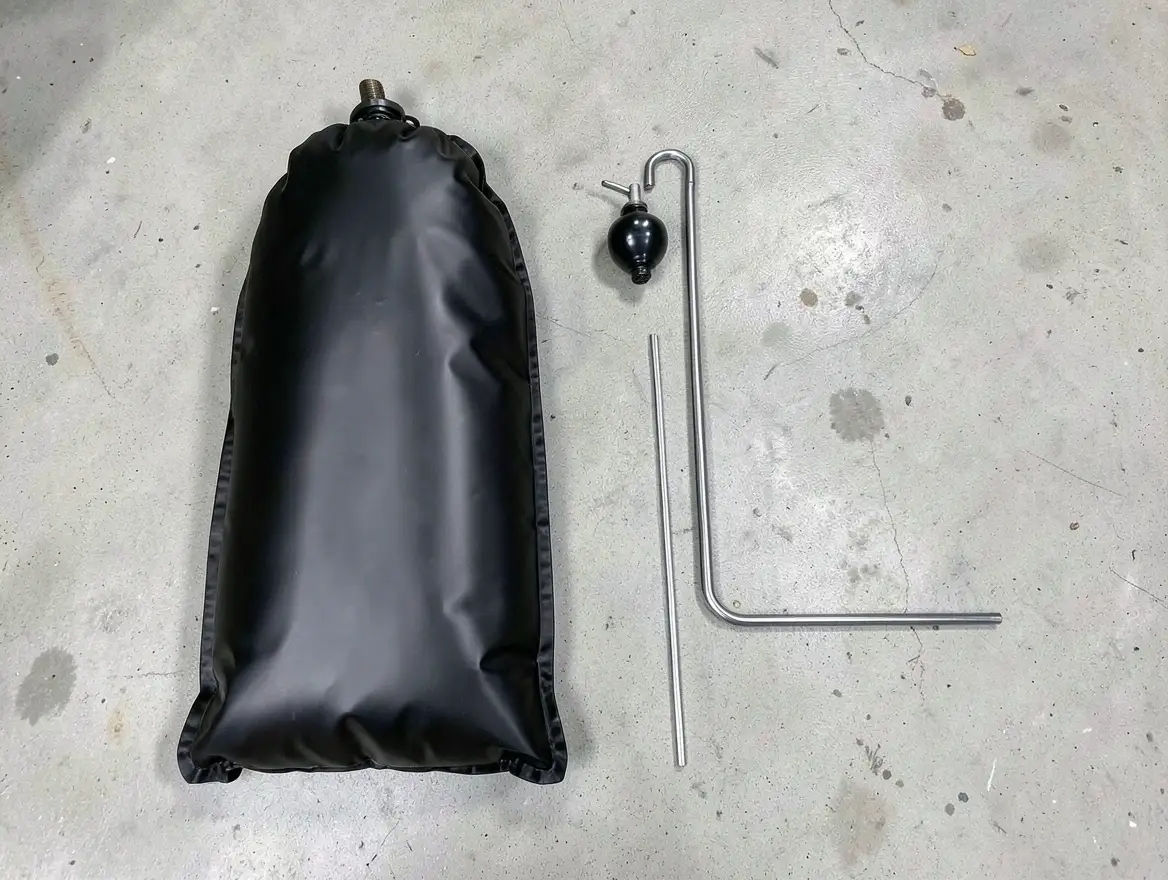
An air wedge is a flat, deflated rubber or vinyl bag that slides into the top corner of the door frame, next to the window glass. A small hand pump attached to the bag inflates it gradually, and as it expands it gently pushes the door frame and window glass apart by a fraction of an inch. That small gap is enough to slide a long-reach tool through without forcing anything.
Because you control the inflation by hand, an air wedge is one of the gentler tools on this list. It will not scratch paint or crack window trim the way a rigid plastic or metal wedge can if it is forced in at the wrong angle.
Long-Reach Hook Rods
A long-reach tool is a thin metal rod, usually 24 to 68 inches long, with a hook or loop bent into one end. Once an air wedge has opened a small gap, the rod slides through that gap and down inside the door to catch the interior lock lever, the unlock button, or the door handle itself.
These rods work on the widest range of cars because most vehicles still have some kind of interior lock control within reach of the window gap, even on models with power locks. The main skill involved is patience: you are working blind, by feel, so it usually takes a minute or two of gently probing to catch the right lever.
Slim Jims: Why They Are a Bad Idea on Most Modern Cars
A slim jim is a thin, flat metal strip that slides down between the window glass and the weatherstripping to catch an exposed manual lock rod. It works well on many cars built before the early 2000s, which used a simple mechanical rod-and-lever locking system.
Most cars built since then route wiring for power locks, power windows, and side-impact airbag sensors through roughly the same space inside the door panel that a slim jim passes through. Sliding a rigid metal strip down blind risks catching that wiring — in the best case that disables the power windows or locks, and in a worse case it can damage an airbag sensor or its wiring, which is expensive to repair and, if it goes unnoticed, means the airbag may not deploy correctly in a real collision. Most professional locksmiths have moved away from slim jims for exactly this reason and use wedge-and-rod methods instead.
If your car is a genuinely older model with a known manual rod, a slim jim can still be appropriate. For anything from roughly the last two decades, an air wedge and long-reach rod is both safer and more likely to actually work.
Auto Jiggler Keys
Auto jiggler keys are sets of pre-cut, generic key blanks shaped to fit the general pattern of common wafer-tumbler door locks, rather than one specific car’s exact key cut. You insert one, jiggle and apply light turning pressure, and try the next blank in the set if it does not catch. They work through the lock cylinder itself instead of through a door gap, so there is no risk to window trim or interior wiring, but they only work on locks that use a simple wafer-tumbler design, and results vary by lock and manufacturer.
All-in-One Lockout Kits
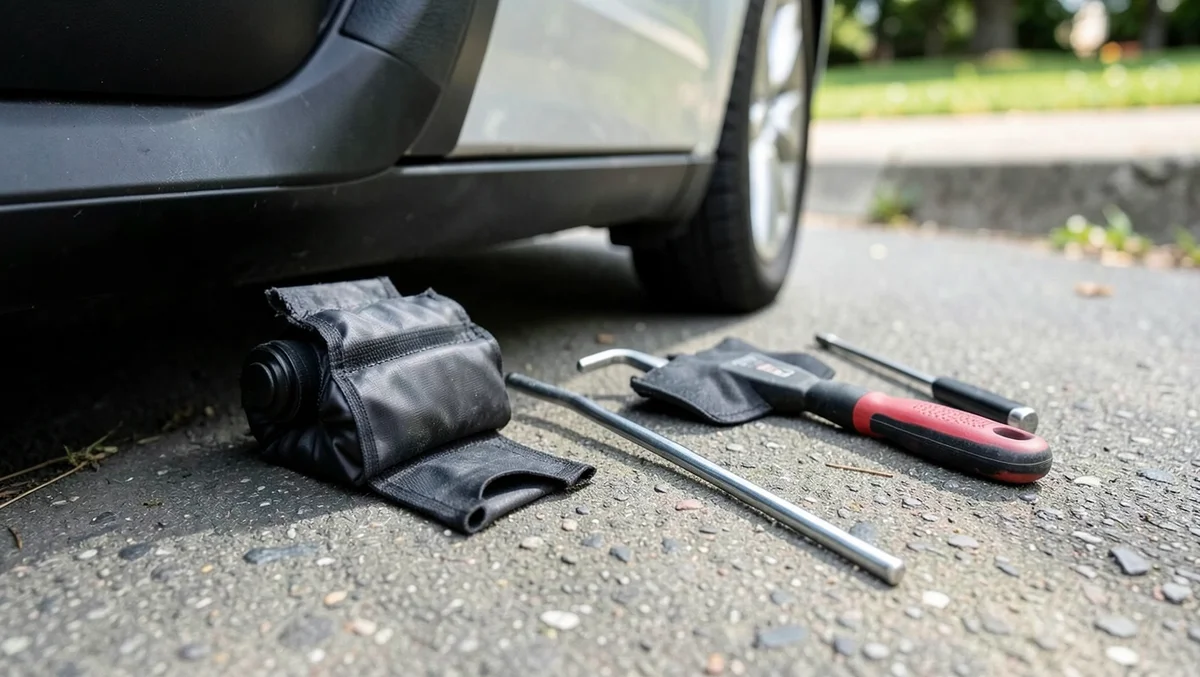
A lockout kit bundles an air wedge, a long-reach rod, and usually a few non-marring wedges or trim tools into one case, instead of buying each piece separately. For most drivers this is the more practical option to actually keep in a trunk or glovebox, since it covers the two tools that work on the widest range of cars — the wedge and the rod — without also having to shop for a slim jim you probably should not use anyway.
Tools and Tricks to Avoid
- Wire coat hangers — thin and rigid enough to scratch paint or tear weatherstripping, and they will not do anything on a car with power locks. Only a genuine last resort on an older car.
- Rigid plastic or wood wedges forced in by hand — without a pump controlling the gap, it is easy to crack window trim or bend the door frame. An inflatable wedge does the same job with far more control.
- Screwdrivers or pry bars in the door seam — these can permanently bend the door frame or crack paint at the seam, and still may not reach the lock mechanism.
When to Call a Locksmith Instead
If your car has no exposed manual lock rod, uses a keyless entry system, or you simply are not confident using these tools, a locksmith is usually the safer call. A standard car lockout typically costs $60 to $150 during regular business hours, while after-hours or emergency calls commonly run $150 to $250 per hour plus a separate service fee. Newer vehicles with more complex locking systems can land at the higher end of that range.
If you would rather walk through the exact wedge-and-rod technique step by step before you try it, our guide to opening a locked car door without damaging anything covers the process in detail, including what to do if the first attempt does not work.
Frequently Asked Questions
What Is The Best Tool To Unlock A Car Door Without A Key?
For most cars built after the early 2000s, an inflatable air wedge paired with a long-reach hook rod is the best combination. The wedge creates a small gap at the top corner of the door frame, and the rod reaches through that gap to hit the interior unlock button or pull the lock lever.
Do Slim Jims Still Work On Newer Cars?
Rarely, and it is not worth the risk. Slim jims were designed for older cars with an exposed metal lock rod. Most cars made since the early 2000s route wiring for power locks, windows, and side airbag sensors through the same space inside the door panel, so sliding a metal strip down blind can trigger a costly airbag fault or disable other electronics.
Are Inflatable Air Wedges Safe For Car Doors?
Yes, when used correctly. An air wedge is inflated gradually with a hand pump, so you control exactly how much of a gap it creates. That makes it far gentler on the weatherstripping and door frame than a rigid plastic wedge or a metal tool forced into the gap.
Is It Legal To Own A Car Lockout Tool Kit?
Owning lockout tools to get into your own vehicle is legal everywhere in the United States. The tools themselves are the same ones locksmiths and roadside assistance technicians use. Using them to enter a car you do not own or have permission to access is a separate matter and can be treated as attempted theft or burglary.
How Much Does It Cost To Call A Locksmith Instead?
A standard car lockout call from a locksmith typically runs $60 to $150 during regular business hours. After-hours or emergency calls commonly run $150 to $250 per hour, plus a separate service call fee, so newer vehicles with advanced locking systems can push the total higher.
Can A Coat Hanger Unlock A Car Door?
A wire coat hanger can sometimes work as an improvised slim jim on older cars with an exposed manual lock rod, but it is a last resort. The wire is thin and rigid enough to scratch paint, tear weatherstripping, or slip and jab into wiring, and it will not do anything on a car with power locks.
Bottom Line
Keep an inflatable air wedge and a long-reach hook rod in your car, or buy them together as a lockout kit, and skip the slim jim unless you genuinely know your car has an old-style manual lock rod. It is the combination that works on the most vehicles with the least risk of damage — and if it does not work in a couple of tries, a locksmith call is worth the $60 to $150 rather than forcing it.
Products related to this article
Sponsored / affiliate links. As an Amazon Associate I earn from qualifying purchases. I may earn additional commission from eligible campaigns.