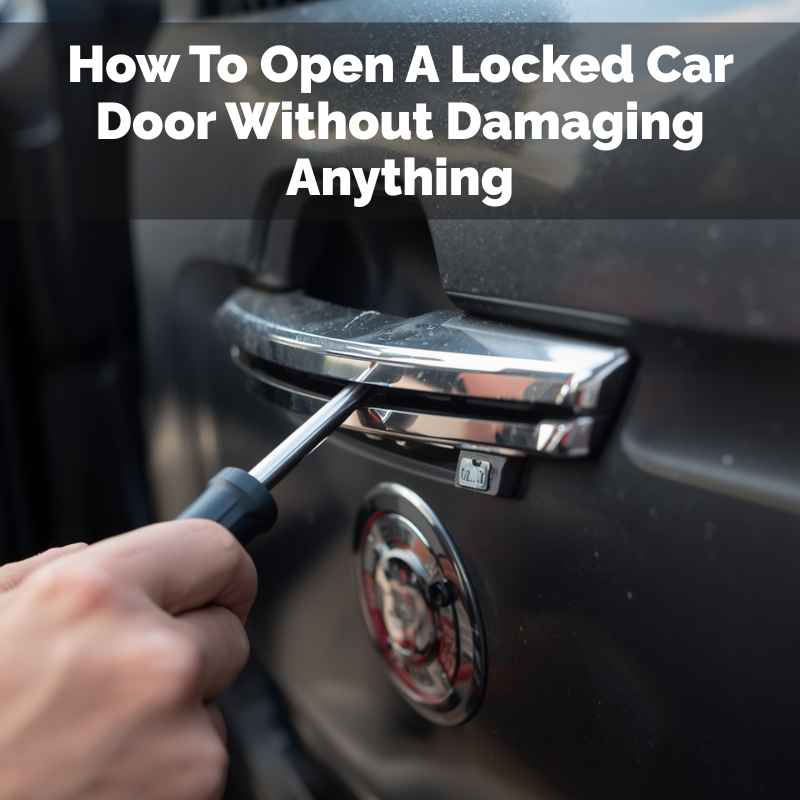
How To Open A Locked Car Door Without Damaging Anything
It’s a sinking feeling. You’re standing by your car, bag in hand, and realize your keys are locked inside. Maybe the doors just clicked shut on their own.
Or perhaps the battery died, and your remote won’t work. This common problem can cause a lot of stress. You need your car, and you don’t want to break a window.
Fortunately, there are ways to handle this. We’ll look at how to get back into your car safely. We’ll cover simple tricks and what to do if they don’t work.
Opening a locked car door without damage usually involves using a slim jim tool, a wedge, and a long reach tool, or calling a locksmith. These methods require careful manipulation to unlock the door mechanism from the inside. Always consider your car’s specific locking system.
Understanding Your Car’s Locks
Cars have different ways of locking. Newer cars often have complex electronic systems. Older cars might have simpler mechanical locks.
Most modern cars use central locking. This means one button or remote action locks all doors. Sometimes, a car might have a security feature.
This can prevent doors from opening if it detects a problem. Knowing your car’s model helps. It can tell you what kind of lock system it has.
The basic idea behind manual locks is a metal rod. This rod connects the door handle to the latch. A lock cylinder or a power actuator moves this rod.
When you lock the door, the rod is moved into a position that prevents the latch from opening. To unlock it, you need to move that rod back. This can be done with a key or an electronic signal.
If your keys are inside, you need to find a way to move that rod manually.
Many cars also have an internal locking knob or lever. This is often on the armrest or door panel. This is what you usually push or pull to lock and unlock.
Some cars have a small slot near the handle. You can use a key or a small tool to manually disengage the lock there. Understanding this simple mechanism is the first step.
It helps you see how to bypass it without causing harm.
My Own Locked-Out Nightmare
I remember one sweltering summer day. I was loading groceries into my trunk. I had my hands full.
My keys were in my pocket. I put the bags in the trunk and closed it. Then, the strangest thing happened.
My car beeped. All the doors locked. My keys were still in my pocket.
But they were now locked inside the car. Panic started to set in. The sun was beating down.
My ice cream was melting.
I tried the trunk release. It didn’t work. I tried the door handles.
They were all locked tight. I felt a wave of frustration. I thought about breaking a window.
But I knew that was expensive. And I didn’t want to deal with the mess. I sat on the curb for a minute.
I took a deep breath. Then, I remembered a trick a friend told me. It involved a shoelace.
I didn’t have a shoelace. But I had my jacket drawstrings.
I pulled out the drawstrings. I made a slip knot. This knot is key.
It tightens when you pull on one end. I carefully slid the knot down between the door frame and the rubber seal. It was tricky.
I had to work it past the window. My goal was to loop it around the lock button. Many cars have a small button on the armrest.
Or sometimes it’s a pull-up knob. I wiggled the drawstring around. I could see the lock button.
I managed to loop the knot over it. Then, I pulled gently on the other end. The knot tightened.
It pulled the lock button up. Click. The door unlocked.
I was so relieved. It wasn’t a fancy tool, but it worked. I learned that day that simple solutions can exist.
DIY Lock Picking (Carefully!)
The Shoelace/Drawstring Method: This works on cars with pull-up lock knobs. Make a slip knot. Slide it down the door seam.
Loop it over the lock knob. Pull tight to lift the knob.
Coat Hanger Trick: For some older cars with vertical lock rods. Straighten a wire coat hanger. Make a small hook at one end.
Gently pry open the top of the door frame a little. Slide the hook inside. Try to snag the lock rod to pull it up.
Important Note: These methods require patience. You can scratch paint or damage seals if you’re not careful. Always go slow.
The “Slim Jim” Approach
A slim jim is a tool designed for this very problem. It’s a thin, flat piece of metal. It has a hook or notch on the end.
This tool slides down between the window and the door panel. It works by manipulating the internal lock linkage. You can buy one at auto parts stores.
But using it correctly is important. A wrong move can damage your car’s electrical wiring. Or it can bend the linkage rod.
The idea is to get the hook of the slim jim to catch the lock rod. This rod connects to the lock button or lever inside the door. Once hooked, you lift the rod.
This unlocks the door. It’s not always easy. Cars have different internal designs.
Some lock rods are hard to reach. Others are protected by plastic covers. You might need to watch videos for your specific car model.
For older cars, it might be a metal rod. You can often see it if you look closely. For newer cars, it might be a plastic component.
Or it could be part of an electronic actuator. Be aware of where wires are located. You don’t want to cut or damage them.
Many people try this method. Some succeed. Others find it too difficult or risky.
If you’re not comfortable, it’s best to stop. Professional help is an option.
Slim Jim Usage: Key Steps
Access Point: Identify where to insert the tool. Usually between the glass and the rubber weather stripping.
Locate the Rod: Feel for the lock rod or linkage inside the door panel. This takes practice.
Hook and Lift: Gently maneuver the tool to hook the rod. Lift upwards to unlock the door.
Caution: Modern cars have complex wiring. Damaging it can be costly. Avoid forcing the tool.
Using a Wedge and Reach Tool
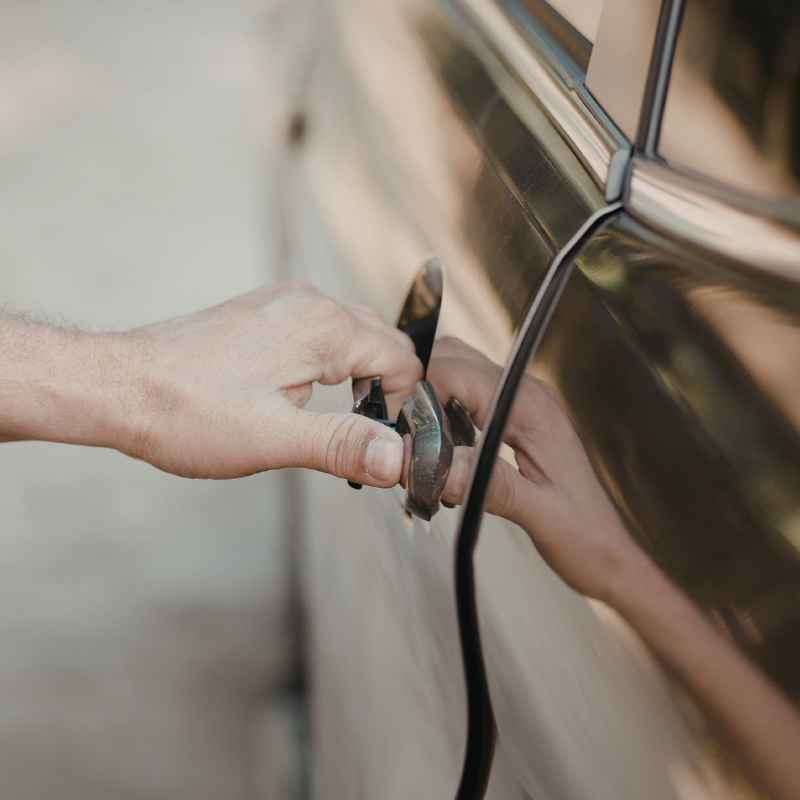
This method is common for many modern cars. It involves creating a small gap. You use an inflatable wedge or a plastic wedge.
This gap allows you to insert a long reach tool. This tool is like a long, thin rod with a hook or loop on the end. The wedge gently pushes the top of the door frame away from the car body.
This creates just enough space to slide the tool in.
Once the tool is inside, you guide it towards the internal door lock button or lever. You then use the hook or loop to manipulate the lock. This might mean pulling up a knob or pushing a button.
The advantage of this method is it’s less intrusive than a slim jim. You’re not trying to slide a tool deep into the door panel. You’re working from the outside edge.
The inflatable wedge is useful. You pump it up slowly. This allows you to control the gap size.
Too much force can bend the door frame. Too little force won’t create enough space. The long reach tool needs to be flexible but strong.
You need to be able to feel what you’re doing inside the door. This can be hard because you can’t see directly. Many locksmiths use this technique.
It’s considered one of the safer DIY or professional methods.
Wedge and Reach Tool in Action
Gap Creation: Use an air wedge or plastic wedge to carefully open the door frame slightly. Pump slowly.
Tool Insertion: Slide a long, thin pole with a hook through the gap.
Lock Manipulation: Guide the tool to the interior lock button or handle. Use the hook to activate the unlock mechanism.
Watch for Wires: Be mindful of power window and lock wires within the door.
When to Call a Professional
Sometimes, the DIY methods seem too risky. Or maybe you’ve tried them and they just won’t work. That’s when it’s time to call a locksmith or roadside assistance.
Professionals have specialized tools. They also have the experience to use them correctly. They know the common locking mechanisms.
They can often open a locked car door in minutes.
A locksmith is trained for this. They understand the delicate balance. They need to open the car without causing any damage.
This includes paint scratches, bent frames, or damaged electronics. Roadside assistance services, like AAA, often offer lockout services. They might have their own technicians or contract with local locksmiths.
Check your membership details to see what’s covered.
Calling a pro might seem like an extra cost. But it can save you money in the long run. Avoiding damage to your car is key.
A smashed window or a damaged door lock can be very expensive to fix. Professionals also offer peace of mind. You know the job will be done right.
They can often get you back in quickly. This means less waiting time and less stress for you.
Signs It’s Time for a Pro
Uncertainty: If you’re unsure about how your car’s locks work.
Complex Systems: For cars with advanced security or electronic locks.
Failed Attempts: If DIY methods haven’t worked or you’re worried about damage.
Urgency: When you need immediate access and can’t risk further issues.
Dealing with Specific Car Models
Different car brands and models have their own quirks. For example, some luxury cars have very tight seals. This makes it hard to insert even a slim jim.
Others have reinforced door frames. This makes creating a gap with a wedge very difficult. Older American sedans might have simple pull-up knobs.
These are often easier to target with a shoelace or coat hanger.
Some European cars might have a slightly different lock rod design. Japanese cars can vary widely. It’s helpful to know your car’s make, model, and year.
When you call for help, provide this information. If you’re attempting a DIY fix, search online for your specific car. Many forums and YouTube channels offer detailed guides.
They show exactly where to insert tools and what to look for.
For instance, a common issue with some older Ford models is the lock rod might be shorter. This makes it harder to grab. With a newer Honda, the electronic actuator might be integrated.
This means you’re not just pulling a rod, but interacting with a small motor. Understanding these differences is crucial. It saves you time and prevents accidental damage.
Model-Specific Considerations
Honda Civic: Often requires a wedge and long reach tool. Lock knob is inside the door panel.
Ford F-150: Older models might be accessible with a coat hanger. Newer ones are more complex.
Toyota Camry: Typically responds well to the wedge and reach tool method.
BMW/Mercedes: Advanced systems often necessitate professional locksmith services.
Preventing Future Lockouts
The best way to handle a locked car door is to avoid getting locked out in the first place. Simple habits can make a big difference. Always keep a spare key.
You can hide one in a magnetic key box outside your home. Or give one to a trusted friend or family member. This is a lifesaver.
Be mindful when getting out of your car. Make sure you have your keys with you. This is especially true when your hands are full.
Or when you have children with you. Many cars have a “walk-away locking” feature. This locks the doors automatically when you leave.
While convenient, it can also be a trap if your keys are still inside. Be aware of this setting.
Check your car’s battery regularly. A dead car battery can disable electronic locks. This can leave you stranded if you rely on your key fob.
For older cars, ensure the lock mechanisms are working smoothly. If a door lock feels stiff, get it checked. Small problems can become big ones.
Being proactive can save you a lot of trouble.
Preventative Habits
Spare Key: Always have a backup key accessible.
Key Awareness: Double-check you have your keys before closing doors.
Battery Health: Keep your car battery in good condition.
Lock Maintenance: Address any stiff or unusual lock behavior promptly.
What If the Battery is Dead?
When your car battery dies, your key fob won’t work. Your automatic door locks also won’t function. This is a common scenario.
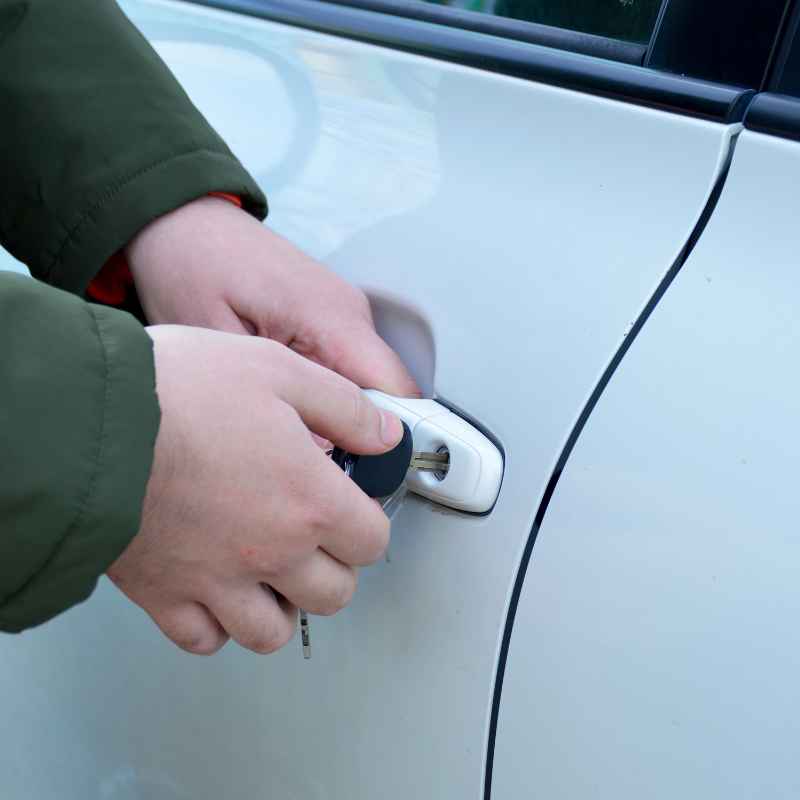
Many people forget about the physical keyhole. Most car doors still have a traditional keyhole. It might be hidden under a small cap.
You’ll need your physical key to open it. This key is usually part of your car key fob. Or it might be a separate key.
Look for a small slot on the door handle. Or sometimes it’s near the handle. You might need to pry off a small plastic cover.
Use the tip of your key or a small flathead screwdriver. Be gentle so you don’t scratch the paint. Once you find the keyhole, insert your physical key.
Turn it as you would normally. This should unlock the door. You may have to unlock each door manually.
If your car uses a push-button start, the physical key might be hidden inside the fob. Many fobs have a small release button on the side. Press it and slide the back cover off.
Inside, you’ll find a metal key. This is for emergencies like a dead battery. If you can’t find the keyhole or the physical key, you might need roadside assistance.
They can help you access the car or jump-start the battery.
Dead Battery Lockout Guide
Locate Keyhole: Search for a hidden keyhole on the door handle or frame.
Access the Key: Use your physical car key (often inside the fob).
Unlock Manually: Insert and turn the key in the lock cylinder.
Consider Jump Start: If the issue is just the battery, a jump-start may be needed after entry.
When It’s Not Just a Lockout
Sometimes, what seems like a lockout is actually a more serious problem. If your car doors won’t unlock even with the key, it could be a system malfunction. This is especially true for electronic systems.
A failing door lock actuator can prevent manual or electronic unlocking. A short circuit in the wiring harness can also cause issues.
If you’ve tried the physical key and it won’t turn, don’t force it. This can break the lock cylinder. It might also indicate a problem with the door linkage.
In such cases, professional help is definitely needed. Auto mechanics or specialized locksmiths can diagnose these issues. They can repair or replace faulty parts.
Ignoring these signs could lead to more expensive repairs later.
Consider if your car has been involved in an accident. Even minor impacts can misalign door components. This can affect how locks function.
If you notice anything unusual with your car’s locks before this happened, make note of it. This information can be helpful for a mechanic. It helps them pinpoint the cause faster.
It’s always better to be safe than sorry.
Beyond a Simple Lockout
Key Won’t Turn: Do not force it. This suggests a mechanical issue.
Multiple Doors Affected: If several doors are unresponsive, it might be a system-wide electrical problem.
Post-Accident Issues: Alignment problems can affect lock function.
Warning Lights: Check your dashboard for any related error messages.
Conclusion: Back in the Driver’s Seat
Getting locked out of your car is a common frustration. But it doesn’t have to be a disaster. With the right knowledge and tools, you can often regain access.
Remember to stay calm. Assess your situation. Consider the simplest methods first.
Always prioritize not damaging your vehicle. If in doubt, professional help is available. It’s there to get you back on the road safely and quickly.
Products related to this article
Sponsored / affiliate links. As an Amazon Associate I earn from qualifying purchases. I may earn additional commission from eligible campaigns.