What Are Wheel Bearings on a Car? A Complete Guide
Hey there! So, you’re wondering what wheel bearings are on a car? I get it—car parts can sound like a foreign language sometimes. I remember the first time I heard my mechanic mention wheel bearings when my old sedan started making a weird humming noise.
It left me scratching my head, but after diving into the topic and even replacing a few myself, I’ve got a solid handle on what they do and why they’re so important. In this guide, I’m going to break it all down for you, like we’re chatting in your garage with a cup of coffee. We’ll cover what wheel bearings are, how they work, signs they’re going bad, and how to deal with them. Whether you’re a car newbie or a DIY pro, I’ve got you covered. Let’s roll into it!
What Exactly Are Wheel Bearings?
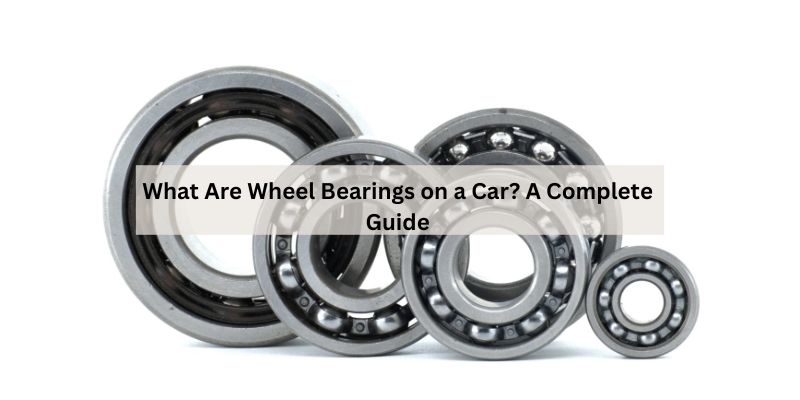
Let’s start with the basics. Wheel bearings are small, metal components that let your car’s wheels spin smoothly. Think of them as the unsung heroes hiding inside your wheel assembly. They’re usually steel balls or rollers packed in a metal ring, surrounded by grease to keep things moving. I like to picture them as tiny skate bearings that help your wheels turn without grinding or sticking.
Each wheel on your car has a set of bearings, usually inside a hub assembly. They sit between the wheel and the axle, reducing friction so your car can roll effortlessly. Without them, driving would feel like pushing a shopping cart with a stuck wheel—jerky and rough. I learned their importance when my truck’s bearings started failing, and the ride got bumpy fast.
Why Wheel Bearings Matter
You might not think about wheel bearings much, but they’re critical for a safe and smooth ride. They do three big jobs: support the weight of your car, let the wheels spin freely, and keep everything aligned. When I first had a bad bearing, I noticed my steering felt off—it was like the car didn’t want to go straight. That’s because bearings also help with stability.
If they fail, you’re in for trouble. Bad bearings can cause your wheel to wobble, damage other parts like the brakes, or even make the wheel seize up. I had a friend whose bearing locked up on the highway—scary stuff! Keeping them in good shape keeps you safe and saves you from expensive repairs.
How Wheel Bearings Work
So, how do these little guys do their job? Picture a wheel spinning on an axle. Without bearings, the metal-on-metal contact would create tons of friction, heat, and wear. Wheel bearings are packed with grease and sealed in a hub to reduce that friction. They let the wheel rotate smoothly while handling the weight of the car and the forces from turning or braking.
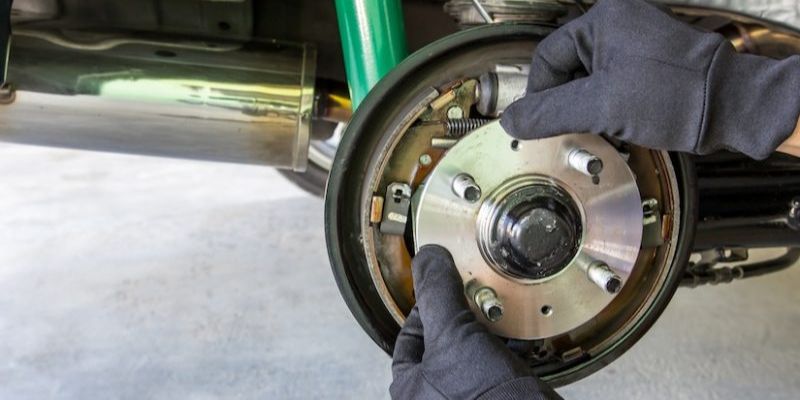
I got a close look at this when I helped a buddy replace his bearings. We pulled the wheel off, and there was this compact hub with bearings inside, slick with grease. The bearings roll inside their housing, making sure the wheel spins without grinding against the axle. It’s simple but genius engineering.
Types of Wheel Bearings
Not all wheel bearings are the same. I learned this when shopping for replacements—there are a few types, and each has its quirks. Here’s what I’ve come across:
- Ball Bearings: These use small steel balls. They’re common in smaller cars because they’re lightweight and handle moderate loads well. My sedan had these, and they were easy to replace.
- Tapered Roller Bearings: These use conical rollers and are built for heavier loads. You’ll find them in trucks or SUVs. My truck’s bearings were this type, and they felt sturdier.
- Sealed Bearings: Most modern cars use sealed hub assemblies, where the bearings are pre-packed and non-serviceable. I like these because they’re low-maintenance, but you replace the whole hub if they go bad.
Each type is designed for specific vehicles, so check your car’s manual to know what you’ve got. I made the mistake of buying the wrong type once, and it was a hassle to return.
Signs of Bad Wheel Bearings
Wheel bearings don’t last forever, and they’ll let you know when they’re failing. I’ve had a couple go bad, and the signs are hard to miss once you know what to look for. Here’s what I watch for:
Strange Noises
The most common sign is a humming, growling, or grinding noise from the wheel. I first noticed this in my sedan—it sounded like a low drone that got louder with speed. The noise might change when you turn or swerve, since that shifts weight on the bearings.
Steering Issues
If your steering feels loose or your car pulls to one side, bad bearings could be the culprit. I had this happen in my truck, and it felt like the wheel was wobbling slightly. It’s subtle at first, but gets worse over time.
Vibration
A bad bearing can make your steering wheel or whole car vibrate, especially at higher speeds. I felt this on the highway once, and it was like driving over a rumble strip. It’s a sign the bearing isn’t spinning smoothly.
Uneven Tire Wear
Check your tires for odd wear patterns. If one side is wearing faster, the bearing might be misaligned the wheel. I caught this early on my wife’s car and saved us from buying new tires too soon.
ABS Light
Some cars have sensors tied to the wheel bearings. If the bearing fails, it can trigger the ABS or traction control light. I saw this on my friend’s SUV, and sure enough, the bearing was shot.
How to Diagnose Bad Wheel Bearings
If you suspect a bad bearing, you can check it yourself. I’ve done this a few times, and it’s not too hard with the right approach. Here’s how I do it:
Listen for Noise
Drive your car at low speed and listen for that humming or grinding sound. I roll down the windows to hear better. Swerve gently left and right—if the noise changes, it’s likely a bearing on the side that gets quieter when you turn.
Check for Wheel Play
Jack up the car and grab the tire at the top and bottom. Try to wiggle it. If it moves more than a tiny bit, the bearing might be worn. I found a loose bearing this way on my truck—it wobbled way too much.
Inspect the Hub
If you’re comfortable, remove the wheel to look at the hub. Look for signs of damage, like pitting or discoloration. I saw rust on a bearing once, and it confirmed it was failing.
Use a Mechanic’s Stethoscope
A stethoscope (or even a long screwdriver) can help pinpoint the noise. Hold it against the hub while someone spins the wheel. I borrowed a stethoscope from a mechanic friend, and it made the bad bearing obvious.
If you’re not sure, take it to a shop. I’ve had mechanics confirm my suspicions for about $50, which is worth it for peace of mind.
Tools You’ll Need for Diagnosis or Replacement
If you’re tackling this yourself, you’ll need some tools. Here’s what I keep in my garage:
| Tool | Purpose |
|---|---|
| Jack and jack stands | To lift and secure the car safely. |
| Lug wrench | To remove the wheel. |
| Socket set | To disassemble the hub assembly. |
| Torque wrench | To tighten bolts to the right specs. |
| Bearing puller (optional) | To remove old bearings if not in a sealed hub. |
| Grease | To lubricate new bearings (if not pre-sealed). |
| Gloves | To keep your hands clean and safe. |
I got most of these at an auto parts store for under $100 total. A torque wrench was my best investment—it ensures everything’s tightened just right.
How to Replace Wheel Bearings
Replacing wheel bearings can be a DIY job, but it’s not for beginners. I’ve done it twice, and it’s satisfying but takes patience. Here’s how I approach it:
Step 1: Gather Supplies
Get the right replacement bearing or hub assembly for your car. I check my car’s manual or ask at the auto parts store. A new hub assembly for my sedan costs about $80, but prices vary.
Step 2: Lift the Car
Jack up the car and secure it with jack stands. Remove the wheel using a lug wrench. I always double-check that the car is stable before crawling underneath.
Step 3: Remove the Hub Assembly
Take off the brake caliper and rotor (you might need a socket set). Then, unbolt the hub assembly. In my truck, the hub was held by three bolts, but some cars have more. If it’s a sealed hub, you replace the whole unit. If not, you’ll need a bearing puller to remove the old bearings.
Step 4: Install the New Bearing
If you’re replacing just the bearings, pack them with grease and press them into place. For a sealed hub, bolt the new one on. I use a torque wrench to tighten everything to the manual’s specs—overtightening can damage the bearing.
Step 5: Reassemble and Test
Put the rotor, caliper, and wheel back on. Lower the car and take it for a test drive. I listen for any remaining noise and check for smooth steering. My first replacement felt like a victory lap when the hum was gone.
If this sounds too complex, a mechanic can do it for $200-$500 per wheel, depending on labor rates. I paid a shop once when I didn’t have time, and it was worth it.
When to Call a Professional
Not everyone’s up for replacing bearings themselves, and that’s okay. I took my wife’s car to a shop when the job looked too tricky. If you hear loud noises, see smoke, or aren’t comfortable with tools, get a pro. A diagnostic check usually costs $50-$100, and they’ll pinpoint the issue fast. I always ask for a detailed explanation so I know what’s going on.
Maintaining Wheel Bearings
Good maintenance can make your bearings last longer. I learned this after neglecting mine and paying for it. Here’s what I do now:
- Check for noises: Listen for hums or grinds every few months.
- Inspect tires: Uneven wear can point to bearing issues. I caught a problem early this way.
- Avoid rough roads: Potholes and curbs can stress bearings. I drive carefully on bad roads.
- Keep hubs clean: Dirt and water can damage bearings. I clean around the hubs during oil changes.
Some bearings need repacking with grease every 30,000 miles, but sealed hubs are maintenance-free. My sedan’s sealed hubs have lasted over 100,000 miles with no issues.
Costs of Wheel Bearing Replacement
The cost depends on whether you DIY or go to a shop. Here’s what I’ve seen:
| Option | Cost Range |
|---|---|
| DIY (parts only) | $50-$150 per wheel |
| Professional repair | $200-$500 per wheel |
| Diagnostic fee | $50-$100 |
I saved about $300 by doing it myself once, but shop labor is worth it if you’re not confident.
Why Wheel Bearings Are Worth Caring About
Healthy wheel bearings keep your car safe, smooth, and efficient. Ignoring them can lead to dangerous situations, like a wheel seizing up. I learned this when a bad bearing made my truck hard to control—it was a wake-up call. Fixing them early also saves you from bigger repairs, like replacing brakes or axles. Plus, a quiet, smooth ride is just more fun.
Conclusion
There you have it—everything you need to know about wheel bearings on a car! I hope this guide has cleared up what they are, why they’re important, and how to spot and fix problems. From that telltale humming noise to a wobbly wheel, you’re now ready to tackle wheel bearing issues like a pro. I still remember the satisfaction of replacing my first bearing and hearing the hum disappear—it’s a great feeling. Whether you’re checking your car yourself or calling a mechanic, you’ve got the knowledge to keep your ride safe and smooth. So, pop the hood, listen for those noises, and take care of those bearings. Got more questions? Check out the FAQs below, or drop a comment on the blog—I’d love to hear how it goes!
FAQs
What’s the first sign of a bad wheel bearing?
The most common sign is a humming or grinding noise that gets louder with speed. I noticed this in my sedan—it sounded like a low drone that changed when I turned.
Can I drive with a bad wheel bearing?
It’s risky. A bad bearing can make your wheel wobble or seize up, which is dangerous. I drove a short distance once, but I wouldn’t recommend it—get it fixed ASAP.
How long do wheel bearings last?
Most last 85,000-150,000 miles, but it depends on driving conditions. My truck’s bearings lasted 100,000 miles, but rough roads can wear them out faster.
Can I replace wheel bearings myself?
Yes, if you’re handy with tools. I’ve done it with a jack, socket set, and torque wrench. But if you’re unsure, a mechanic is safer and costs $200-$500 per wheel.
How do I know which wheel bearing is bad?
Listen for noise and swerve gently while driving—if the noise quiets when turning left, it’s likely the right bearing, and vice versa. I confirmed this by jacking up the car and checking for wheel play.