How to Get Paint Splatter Off a Car: Fresh vs. Dried Paint
Fresh paint splatter comes off a car with a damp microfiber cloth and mild soap — but once it dries, it needs a clay bar, isopropyl alcohol, or a dedicated overspray remover. Reaching for acetone or paint thinner too soon can strip a factory clear coat only 40 to 70 microns thick, turning a five-minute fix into a repaint. This guide covers spotting fresh versus dried splatter, safe removal by paint type, and when overspray needs a body shop.
Quick Answer
Wipe fresh, wet paint splatter immediately with a damp microfiber cloth and mild soap — never scrub. For dried splatter, test a hidden spot first, then use a clay bar for light overspray or isopropyl alcohol on water-based paint. Oil-based enamel needs a dedicated overspray remover. Skip acetone or thinner on clear coat; call a body shop for large, bonded areas.
What You’ll Need
- Microfiber cloths (at least two — one for cleaning, one for buffing dry)
- Mild car soap and water in a bucket
- 70% isopropyl alcohol (for water-based/latex splatter)
- Detailing clay bar with clay lubricant spray (for bonded overspray)
- Dedicated automotive overspray remover (for oil-based paint)
- Car wax or sealant for aftercare
- Nitrile gloves and eye protection if using any solvent
Best Paint Overspray Remover Pick
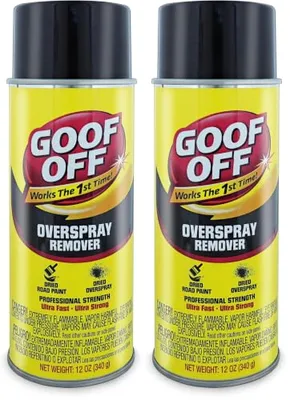
KLEAN-STRIP Goof-Off Pro Strength Overspray Remover, Automotive and Glass Paint Remover, Effective o
Formulated specifically for automotive basecoat and clearcoat, unlike generic household solvents.
- Best for: dried overspray and paint splatter safe on clear coat
- Why we picked it: purpose-built for cars instead of a repurposed shop solvent
- Main drawback: aerosol needs good ventilation and a well-lit test spot first
Compare more paint splatter removal options
 Option 1 Meguiar’s Smooth Surface Clay Kit
|
 Option 2 Chemical Guys VSS Scratch & Swirl Remover
|
 Option 3 Chemical Guys Microfiber Towels (12-Pack)
|
As an Amazon Associate we earn from qualifying purchases.
What Causes Paint Splatter on a Car?
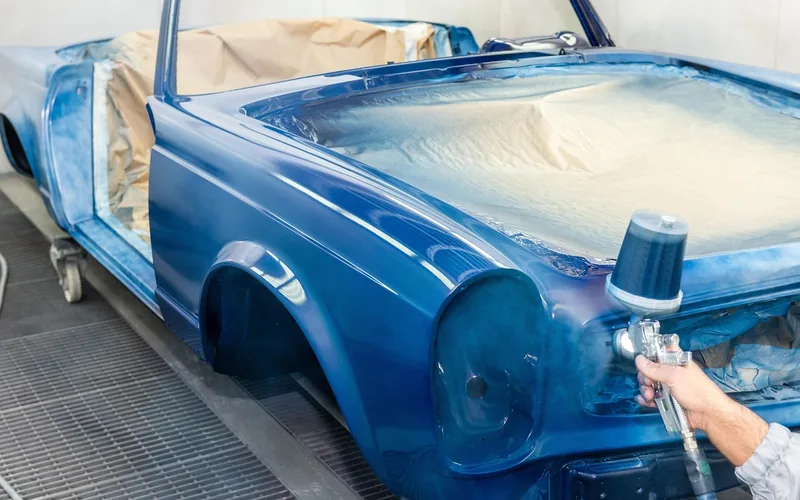
Paint splatter usually comes from nearby work, not your own car. Wind can carry droplets from a fence-painting or house-painting project onto a parked vehicle, and road crews repainting lane markings can fling fine overspray onto anything driving past. Improperly covered vehicles parked near a spray-painting job are the single most common source.
The moment you notice it matters more than the method you use. Rinse the area with water as soon as you can and avoid scrubbing — most of the damage from paint splatter comes from letting it cure in the sun, not from the paint itself.
Is the Paint Splatter Fresh or Dried? Why It Matters
Fresh (wet) paint splatter is paint that hasn’t had time to cure — it’s typically still glossy, tacky to the touch, and less than a few hours old. Dried (cured) paint splatter has hardened and bonded to the clear coat, usually after 24 hours or more, and needs a stronger method to lift.
The distinction changes your entire approach. Fresh splatter can be wiped away with almost no risk using just soap and water. Dried splatter has already formed a mechanical bond with the surface, so removing it means either dissolving it (solvents) or physically lifting it (a clay bar) — both of which carry more risk to the clear coat than a simple wipe-down.
How to Remove Fresh, Wet Paint Splatter
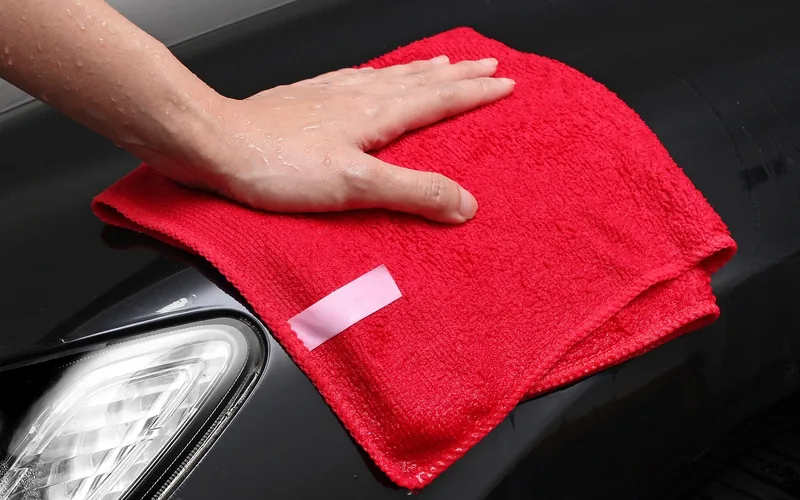
If the paint still looks wet or comes off on your finger when you touch it, act immediately. Dampen a microfiber cloth with water and mild car soap, then gently wipe the splatter in one direction — never circular scrubbing, which can grind still-soft paint into micro-scratches. Rinse the cloth frequently so you aren’t rubbing lifted paint back into the surface.
Most fresh splatter lifts completely with this method alone. If a faint residue remains after it dries, treat it as dried splatter and move to the methods below rather than scrubbing harder.
How to Remove Dried Paint Splatter by Paint Type
Not all dried paint splatter responds to the same method. A quick damp-cloth test on a small spot tells you which category you’re dealing with before you commit to a solvent.
| Paint Type | How to Identify It | Best Removal Method |
|---|---|---|
| Latex / water-based (house paint) | Softens or smears when dabbed with a damp cloth | Mild soap and water, or isopropyl alcohol if dried |
| Oil-based enamel (trim, road paint, some spray cans) | Stays hard and glossy even when dampened | Clay bar first; dedicated overspray remover if bonded |
| Spray paint overspray (aerosol/rattle can) | Fine, dusty speckles across a wide area | Clay bar or overspray remover; body shop if extensive |
| Unknown / can’t tell | No reaction to a damp-cloth test | Start with the gentlest method (soap and water) and work up |
Step-by-Step: The Safe Removal Method for Any Paint Type
- Rinse the area: Hose off loose dirt and grit so it doesn’t scratch the paint while you work.
- Test a hidden spot: Dab your chosen product on an inconspicuous area, like inside a door jamb, and wait a minute to confirm it doesn’t dull or discolor the finish.
- Work from the outside in: Apply the solvent or clay bar around the edge of the splatter first, then move toward the center, so you’re not spreading paint onto clean panels.
- Wipe, don’t scrub: Use straight-line strokes with a microfiber cloth or gentle clay bar passes — circular scrubbing is what causes swirl marks.
- Rinse and re-wax: Wash the area with soap and water once the splatter lifts, then apply a coat of wax or sealant to protect the exposed paint.
Mechanical Removal Methods
A plastic razor blade (never metal) can lift raised, dried splatter without scratching the clear coat if you keep the blade angle low and work in small sections. This works best on isolated drips rather than fine overspray.
A clay bar is the safer choice for fine overspray spread across a wider area. Spray the section with clay lubricant first, then glide the clay bar over the surface in straight lines — it physically traps paint particles in its surface without solvents.
Chemical Removal Techniques (Use With Caution)
Solvents remove dried paint splatter faster, but they carry real risk to a car’s finish. Isopropyl alcohol is the safest starting point and works well on water-based paint. A dedicated automotive overspray remover — formulated to dissolve paint without attacking clear coat — is the next step up for oil-based paint.
Acetone, mineral spirits, and paint thinner will remove almost any dried paint, but they can also soften wax, penetrate the clear coat, and eat into the base coat underneath, leading to hazing or permanent discoloration — especially on a clear coat that’s already thin from age or prior polishing. Treat these as a last resort, applied briefly with a cloth (never poured directly on the panel), and always tested on a hidden spot first.
📊 OSHA sets acetone’s permissible exposure limit at 1,000 ppm averaged over an 8-hour workday — a reminder that even a small automotive solvent job needs an open garage door or a window fan, not a sealed space. Source: OSHA Annotated PELs, Table Z-1
- Test the solvent on a small, hidden area first.
- Apply with a soft cloth or sponge — never pour it directly on the panel.
- Work in a well-ventilated area, ideally outdoors or with the garage door open.
- Wear nitrile gloves and safety goggles.
- Gently dab and lift; stop the moment the paint softens rather than scrubbing longer than needed.
Natural and Eco-Friendly Solutions
White vinegar diluted with equal parts water can loosen light, fresh splatter — spray it on, let it sit a few minutes, and wipe with a soft cloth. A baking soda paste (mixed with a little water) works on some dried splatter, but baking soda is a mild abrasive, so use light pressure and a soft cloth only, and avoid it on paint that’s already thin or heavily polished.
Aftercare and Prevention
Once the splatter is gone, wash the area with soap and water and apply a fresh coat of wax or sealant — this protects the exposed clear coat and makes any future splatter easier to wipe off before it bonds.
- Park away from active construction, painting, or road-striping work whenever possible.
- Use a breathable car cover if you must park near a paint job.
- Inspect your car after any nearby painting project and address splatter within a day or two, before it cures.
- Keep a microfiber cloth in the car for a same-day wipe-down.
When Paint Splatter Needs a Body Shop
Most paint splatter is a DIY job, but overspray removal becomes a professional job when it covers a large section of the car, has bonded to the clear coat for weeks or longer, or doesn’t respond to a clay bar and solvent attempt. Professional overspray removal — typically a clay bar and machine buffing process followed by a protective wax or sealant — generally runs $500 to $1,500 depending on how much of the car is affected, or around $100 an hour at shops that bill hourly.
“Overspray left in the sun for even a week becomes significantly harder to remove.”
If a DIY attempt has already dulled the paint’s sheen, a body shop or detailer can use paint correction or wet sanding to restore it safely — something worth doing before it gets worse, not after.
Frequently Asked Questions
How do you get dried paint splatter off a car?
Use a plastic scraper to gently lift raised edges, then apply isopropyl alcohol or a dedicated overspray remover on a soft cloth and dab the area until the paint softens. Wipe clean with a microfiber cloth. Always test in a hidden spot first, and re-wax the area afterward.
Does WD-40 remove paint transfer from a car?
Yes, WD-40 can loosen light paint transfer and overspray. Spray it on the affected area, let it sit for a few minutes, then wipe gently with a clean microfiber cloth. Test on a small, hidden spot first to confirm it does not affect the clear coat.
Does rubbing alcohol remove paint splatter?
Isopropyl alcohol (around 70 percent) effectively softens dried, water-based paint splatter without harming a healthy clear coat. Apply it to a cloth, not directly on the paint, and gently rub the area. Test a hidden spot first and work in a ventilated area.
Can you use acetone or nail polish remover on car paint?
It is risky. Acetone can soften wax, penetrate the clear coat, and eat into the base coat, causing hazing or permanent discoloration, especially if the clear coat is already worn. Isopropyl alcohol or a dedicated overspray remover is a safer first choice.
How do I know if paint splatter is water-based or oil-based?
Dab a hidden spot with a damp cloth. If any color transfers or softens, it is likely latex or another water-based paint and will usually respond to soap and water or isopropyl alcohol. If the spot does not budge, it is probably oil-based enamel and needs a stronger solvent or overspray remover.
How to remove road paint splatter from a car?
Road marking paint is typically oil-based and bakes on in sunlight, so it often needs a clay bar or a dedicated remover rather than soap and water alone. Because road paint has its own removal quirks, see our dedicated guide on getting road paint off a car for the full method.
When should I take my car to a body shop for paint splatter?
See a professional if the splatter covers a large area, has bonded to the clear coat for more than a few weeks, or does not lift after a clay bar and solvent attempt. A detailer or body shop can use paint correction or wet sanding without risking the finish.
Conclusion
Paint splatter is one of the more forgiving car-paint problems as long as you match the method to the paint’s condition: a damp microfiber cloth for anything still wet, and a clay bar, isopropyl alcohol, or a dedicated overspray remover for anything that’s cured. Skip acetone and paint thinner unless nothing gentler has worked, and hand it to a body shop once the area is large or the finish is already dulled from a DIY attempt.
For paint issues on a different surface, see our guide on getting window paint off a car, or check what liquids damage car paint before reaching for a solvent.
Products related to this article
Sponsored / affiliate links. As an Amazon Associate I earn from qualifying purchases. I may earn additional commission from eligible campaigns.