What Bumper Scratches Will Budget Rental Ignore
Trying to figure out what little dings and scuffs are okay when you rent a car can feel tricky, especially if it’s your first time. People often wonder, What Bumper Scratches Will Budget Rental Ignore? It’s a common worry that can make you nervous before you even drive off the lot. But don’t stress!
We’ve got a straightforward guide to help you understand it all, piece by piece. Let’s make renting a car much simpler and less confusing for you.
Understanding Bumper Scratches and Rental Companies
Rental companies like Budget have policies about vehicle condition. They need cars to be returned in a similar state to when they were rented, accounting for normal wear and tear. However, defining what constitutes “normal” can be a gray area.
This is where confusion often arises for renters who want to avoid unexpected charges. We will explore the specifics of their policies and what to look out for.
Budget Rental’s Stance on Minor Damage
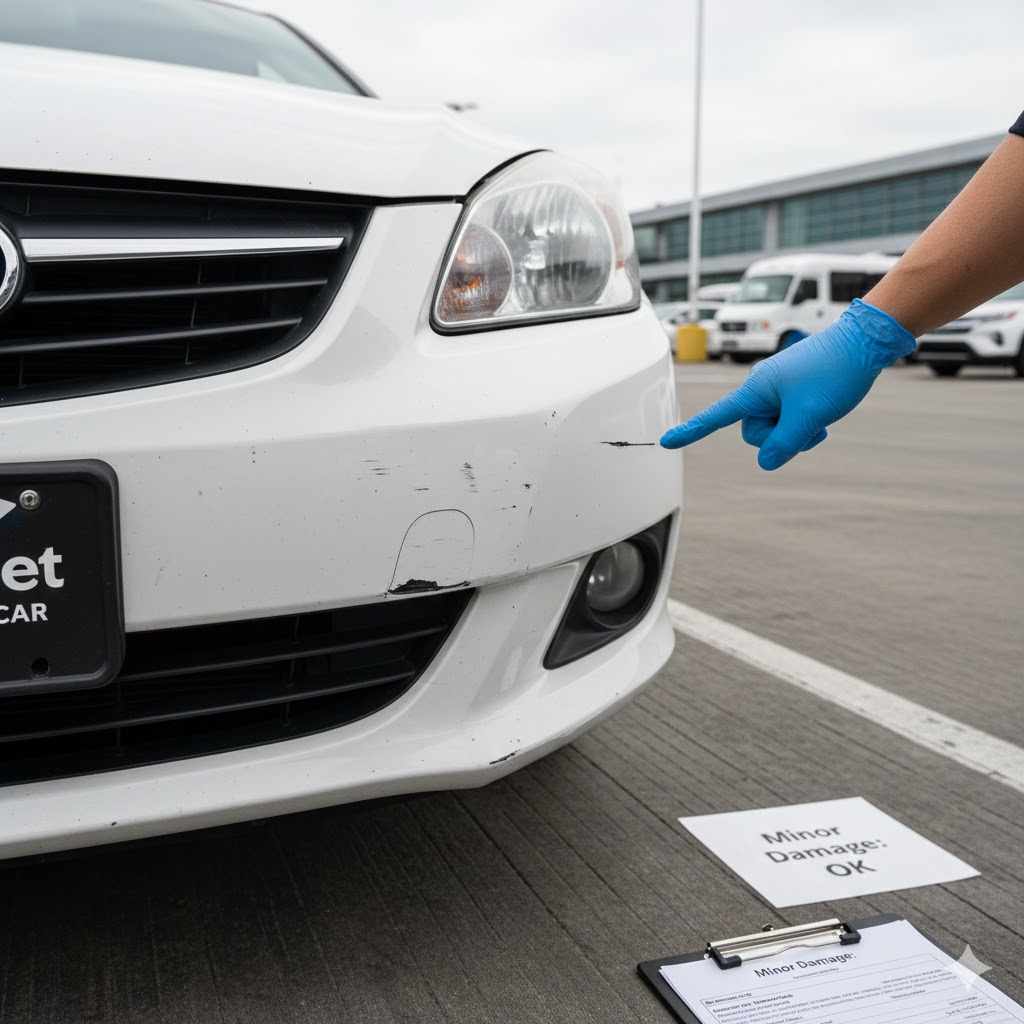
Budget Rental, like most car rental agencies, expects vehicles to be returned with only minor imperfections. They understand that small chips, light scratches, and superficial scuffs can happen during everyday use. These are often considered part of the cost of doing business and are not typically charged to the renter.
The key is usually whether the damage is cosmetic or affects the structural integrity or safety of the vehicle.
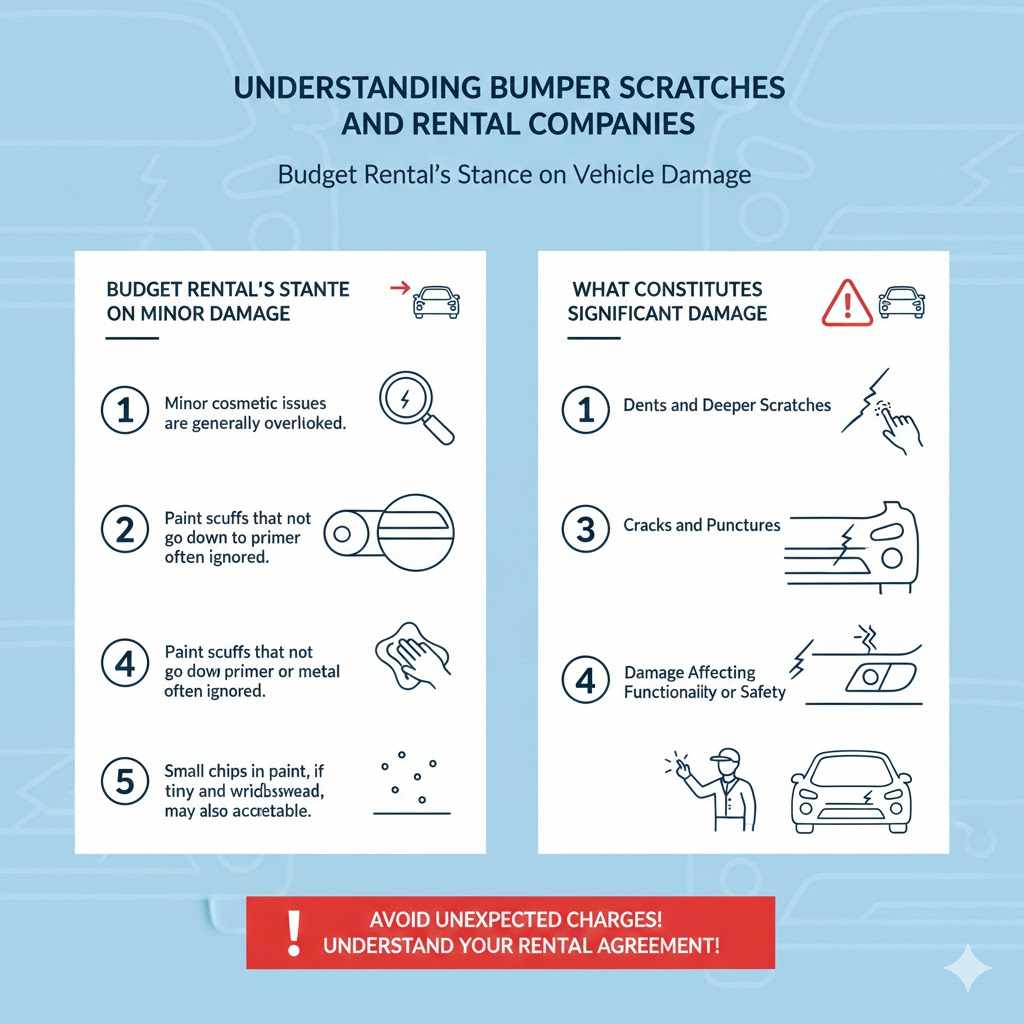
- Minor cosmetic issues are generally overlooked. This includes very light scratches that you can barely feel with your fingernail. Think of those almost invisible marks that appear after parking in a tight spot or from brushing against bushes. Budget understands these happen and are usually not a cause for concern. They want renters to feel comfortable using the car without constant worry about every tiny imperfection.
- Paint scuffs that do not go down to the primer or metal are also often ignored. If you scrape a plastic bumper on a curb and it leaves a white or gray mark, but the plastic itself is not damaged or gouged, this might be considered superficial. The important factor here is that the underlying material is intact. These marks are usually fixable with a simple polish.
- Chips in the paint, if very small and not widespread, might also fall into the category of acceptable wear and tear. These could be from small stones on the road. If the chip is tiny and doesn’t expose metal or cause further damage, it’s less likely to be an issue. Large or numerous chips would, of course, be a different story.
What Constitutes Significant Damage
Significant damage goes beyond minor cosmetic flaws. It includes anything that impacts the car’s functionality, safety, or requires more than a quick buff to fix. Budget Rental will likely charge for damage that involves dents, deep scratches that expose metal, cracks, or structural issues.
This is because these types of damages are more costly and time-consuming to repair.
Dents and Deeper Scratches
A noticeable dent in a bumper is a clear sign of damage that will likely incur charges. Even if the paint isn’t broken, a dent alters the shape of the bumper. Similarly, a scratch that you can easily feel with your fingernail and that goes deep into the paint layer, potentially exposing the primer or the actual metal of the car, is usually considered significant.
These require professional repair, which can be expensive.
Cracks and Punctures
Any crack or puncture in a bumper is considered serious damage. This compromises the bumper’s protective function. A cracked bumper needs to be replaced, which is a costly repair.
Renters should be aware that even small cracks can lead to substantial charges.
Damage Affecting Functionality or Safety
If a scratch or dent affects how the bumper attaches to the car, or if it impairs any sensors or lights located within the bumper, it will be charged. For example, a scratch that causes a parking sensor to malfunction or a light to be obscured is no longer just cosmetic. This type of damage impacts the car’s safety features and requires immediate attention and repair.
Documenting Vehicle Condition Before You Drive
The most crucial step to avoid disputes is to thoroughly inspect the rental car before you leave the lot. This documentation serves as your protection against claims of damage that you did not cause. Take your time and be thorough.
This process is simple and can save you a lot of hassle later.
Pre-Rental Inspection Checklist
When you pick up your rental car, never skip the walk-around. It’s your opportunity to identify any existing damage. Look at the bumpers, sides, roof, and hood.
Use your phone to take clear pictures and videos.
- Inspect all four bumpers carefully. Look for any dents, deep scratches, scuffs, or cracks. Pay attention to the edges and lower parts of the bumpers where damage is common.
- Check the paintwork along the sides of the car. Look for scratches, dings, or paint transfer from other vehicles or objects.
- Examine the windshield and mirrors for chips or cracks. Even small ones should be noted.
- Ensure all lights are working. Turn them on to check headlights, taillights, turn signals, and brake lights.
Taking Photos and Videos
Your smartphone is your best friend here. Before you even start the engine, walk around the entire vehicle and take a series of clear photos and videos.
- Take wide shots of each side of the car to show its overall condition. Then, zoom in on any areas with potential damage.
- Make sure to capture close-ups of any existing scratches, dents, or chips. Ensure the lighting is good so the damage is clearly visible.
- If there’s any damage, take a photo that shows its context on the car, as well as a close-up. This proves it was pre-existing.
- Record a video walking around the car, panning slowly so all angles are covered. You can also verbally note any existing issues in the video. This comprehensive visual record is your strongest defense.
Reporting Existing Damage
If you find any damage, no matter how small, it’s important to report it. This usually involves filling out a damage report form with the rental agency.
- Inform the rental agent immediately if you find any damage. Do not just take pictures and assume it’s fine.
- Ask for a damage claim form or a designated section on your rental agreement to note the existing damage. Have the agent sign it.
- If possible, have the agent confirm the damage with you and sign off on your photos or notes. This official acknowledgment is vital.
Common Scenarios and Budget Rental’s Policies
Rental companies have to balance recovering costs for damages with providing a good customer experience. Understanding typical scenarios can help you anticipate what might be flagged. Budget Rental aims to be fair, but clarity is key for both parties.
Scenario 1 A Minor Paint Scuff
Imagine you lightly brush a plastic bumper against a concrete pillar while parking. It leaves a gray or white mark on the bumper’s surface.
- The Situation: A scuff mark on the plastic bumper, about the size of a quarter. The plastic is not gouged or cracked.
- Likely Outcome with Budget Rental: This is usually considered minor cosmetic damage. Many rental agencies, including Budget, will likely overlook such a scuff if it’s superficial and can be buffed out easily. The key is that it hasn’t damaged the underlying material of the bumper. They often factor in such minor cosmetic wear.
Scenario 2 A Small Stone Chip
While driving on a highway, a small pebble flies up and creates a tiny chip in your bumper’s paint.
- The Situation: A very small chip in the paint, maybe the size of a pinhead. No surrounding paint is lifted, and no metal is exposed.
- Likely Outcome with Budget Rental: A single, tiny paint chip is typically seen as normal wear and tear from road debris. Budget Rental is unlikely to charge for this unless there are many such chips or if the chip is significant enough to cause further deterioration. They often view these as unavoidable occurrences.
Scenario 3 A Slight Scratch from a Shopping Cart
You return the car and notice a faint scratch on the bumper, likely caused by a rogue shopping cart in a parking lot.
- The Situation: A light scratch that’s barely noticeable and you can’t feel it with your fingernail.
- Likely Outcome with Budget Rental: If the scratch is truly superficial, meaning it’s only in the clear coat and not deep enough to reach the paint color or primer, Budget Rental will most likely not charge you for it. They understand that minor abrasions are part of using a vehicle. It’s the depth of the scratch that usually determines if it’s billable.
Scenario 4 A Noticeable Dent
You accidentally misjudge a parking space and your bumper makes contact with a pole, leaving a visible dent.
- The Situation: A clear indentation in the bumper, even if the paint isn’t broken.
- Likely Outcome with Budget Rental: A dent is generally considered significant damage. Budget Rental will likely charge for repairs. Dents affect the car’s appearance and can sometimes lead to more serious structural issues over time. It’s important to have documented any pre-existing dents to avoid being blamed for them.
Scenario 5 A Deep Scratch that Exposes Material
You scrape against something sharp, creating a deep scratch that you can feel with your fingernail and see the primer beneath.
- The Situation: A scratch where the paint is significantly removed, exposing the layer underneath the color coat.
- Likely Outcome with Budget Rental: This type of damage is almost certainly going to be charged. Deep scratches require repainting and potentially filler, which are expensive repairs. Budget Rental’s policy will cover the cost of restoring the bumper to its original condition, minus the impact of any pre-existing damage you’ve documented.
What to Do If You Cause Damage
Accidents happen. If you do cause damage to a Budget Rental vehicle, the best course of action is to be upfront and honest.
Immediate Reporting
The moment you realize you’ve caused damage, report it to Budget Rental. Delaying can sometimes lead to higher charges or complicate the process.
- Inform the rental desk as soon as possible. This shows good faith and allows them to start the claims process promptly.
- Be prepared to describe the incident. Honesty and clear communication are appreciated and can help streamline the resolution.
Understanding the Damage Waiver
When you rent a car, you are often offered a Collision Damage Waiver (CDW) or Loss Damage Waiver (LDW). It’s important to understand what this covers.
- The CDW/LDW is not insurance, but an agreement that the rental company will waive its right to charge you for damage to the vehicle, provided you meet certain conditions.
- Typically, these waivers have a deductible amount. You will be responsible for paying up to this deductible amount for any damage. The specific terms and conditions can vary, so it’s wise to read them carefully.
- Some credit cards offer secondary rental car insurance, which can cover the deductible amount for damage if you use that card to pay for the rental. It’s worth checking your card benefits.
Repair Costs and Billing
Budget Rental will assess the damage and bill you accordingly. The cost will depend on the extent of the damage and the repair estimates.
- Budget Rental will typically charge you for the cost of repairs. This can include parts, labor, and sometimes a loss of use fee (if the car cannot be rented while being repaired).
- Always compare the billed amount with your documented pre-rental condition. If you believe you are being unfairly charged, present your evidence to dispute the claim.
- Keep all rental agreements, damage reports, and repair invoices. These documents are essential if you need to make an insurance claim or dispute a charge.
Budget Rental’s Inspection Process Upon Return
When you return a rental car, Budget Rental staff will inspect it for new damage. This process is designed to ensure vehicles are returned in good condition.
The Return Inspection
The inspection at return is similar to the one you should have done at pickup. It’s a visual check for any new dents, scratches, or other damage.
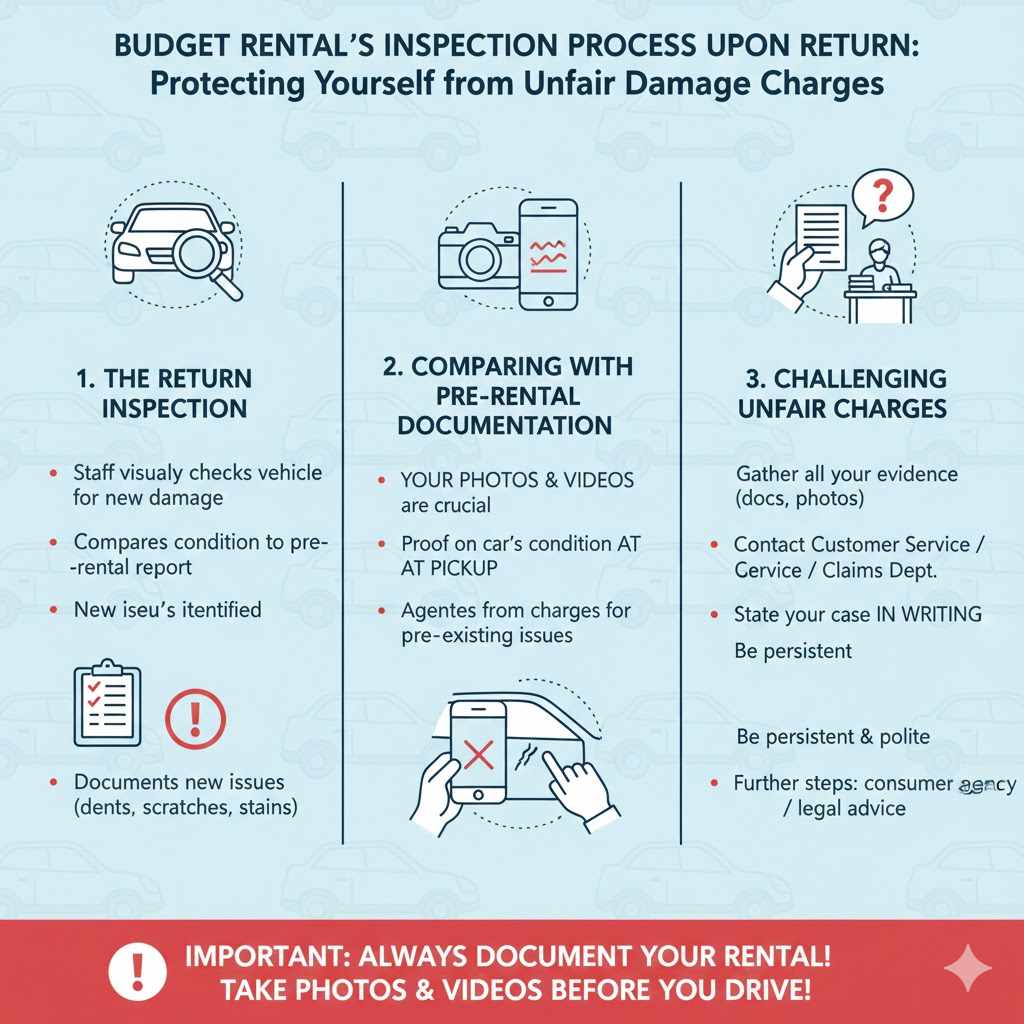
- Staff will walk around the vehicle, looking for any changes since it was rented out to you. They compare the current condition against the pre-rental inspection report.
- They check for body damage, interior stains or damage, and tire condition. Any new issues identified are documented.
- If new damage is found that wasn’t on the initial report, the renter will be held responsible for the repair costs, subject to the terms of their rental agreement and any waivers purchased.
Comparing with Pre-Rental Documentation
Your detailed photos and videos from pickup are critical at this stage. They serve as undeniable proof of the car’s condition when you took possession.
- If Budget Rental claims new damage, you can refer to your documentation to show it was already there. This protects you from being charged for pre-existing issues.
- The rental agent will typically review the damage report you filled out at pickup. If the damage you are being charged for is noted on that report, they cannot hold you liable.
- This comparison ensures fairness. It confirms that you are only responsible for damage that occurred during your rental period, not for what was already present.
Challenging Charges
If you believe you have been unfairly charged for damage, you have the right to challenge it.
- Gather all your evidence: rental agreement, pre-rental photos/videos, damage report signed at pickup, and any correspondence with Budget Rental.
- Contact Budget Rental’s customer service or claims department in writing. Clearly state your case and provide your supporting documentation.
- Be persistent and polite. If you can’t resolve it directly, you may need to consider further steps, such as filing a complaint with a consumer protection agency or seeking legal advice if the amount is substantial.
Final Thoughts
So, What Bumper Scratches Will Budget Rental Ignore? Generally, minor cosmetic flaws like light scuffs or tiny paint chips are overlooked. Focus on documenting everything before you drive. Taking clear photos and reporting any existing damage at pickup is your best defense.
This simple process ensures you have proof and can enjoy your rental without unnecessary worry about small imperfections.