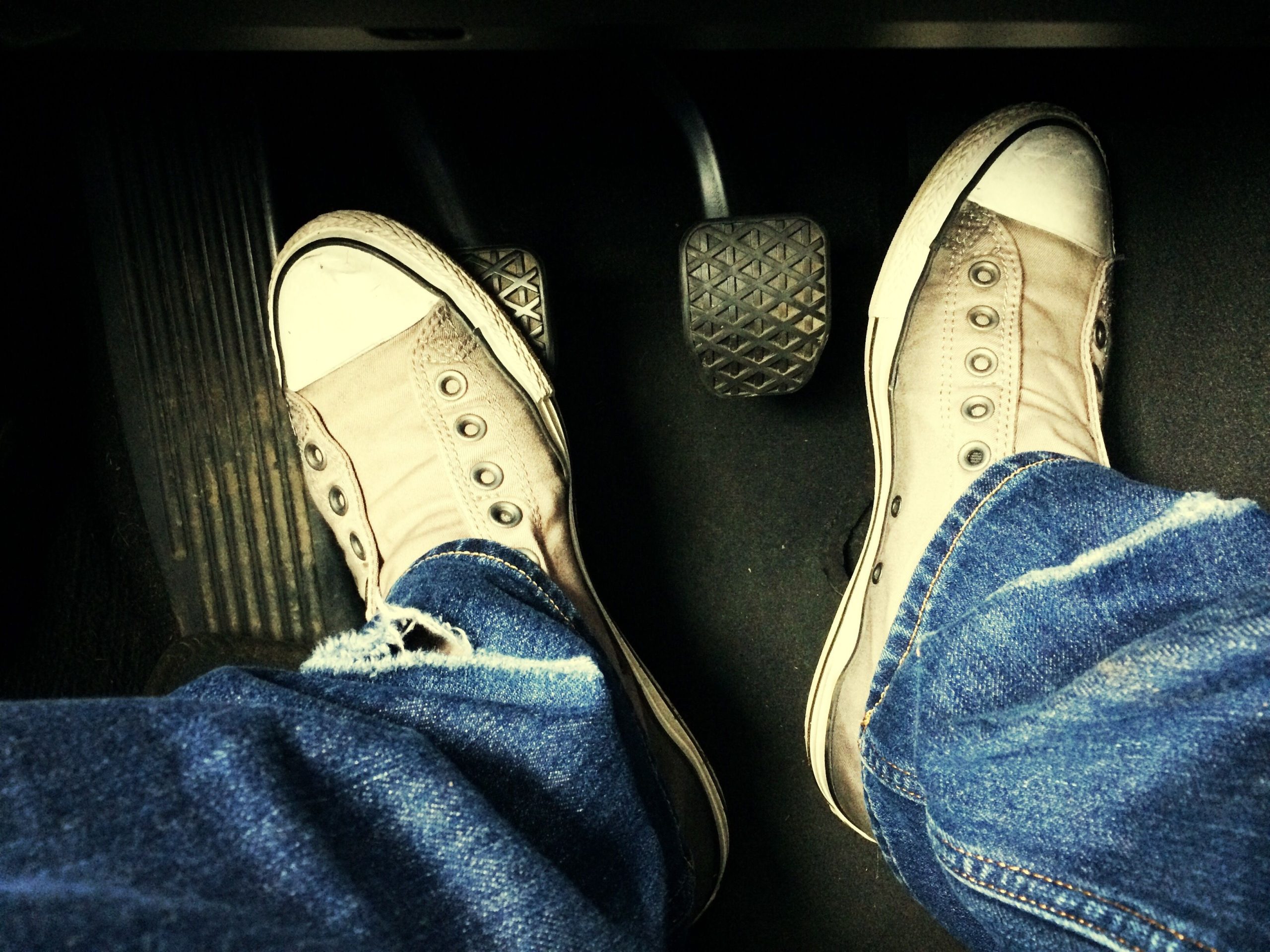
What’s the Clutch in a Car? Parts, Function & How It Works
The clutch in a car connects and disconnects the engine from the wheels. It allows you to change gears smoothly.
Driving a car involves many parts working together. One key part is the clutch. Understanding the clutch helps you drive better and take care of your car. The clutch plays a vital role in the operation of a manual transmission vehicle.
It engages and disengages the engine, making gear shifting possible. Knowing how the clutch works can enhance your driving experience. It can also help you avoid costly repairs. In this blog, we will explore what the clutch is, how it functions, and why it is essential for your car. Stay tuned to learn more about this crucial component.
Introduction To Car Clutches
Quick Answer
The clutch is the mechanical connection between a manual transmission car’s engine and its wheels. Pressing the clutch pedal disengages this connection so you can change gears without stalling or grinding; releasing it re-engages the engine’s power to the wheels. The core parts are the flywheel, clutch disc, pressure plate, and release bearing.
A clutch is a mechanical device in a car. It connects and disconnects the engine from the wheels. This allows you to change gears smoothly. When you press the clutch pedal, the clutch disengages. This stops power from the engine going to the wheels. You can then change gears easily.
Clutches help cars start and stop without stalling. They make it easier to change gears. This helps the car run smoothly. Without a clutch, driving would be hard. The car would jerk and stall often. Clutches also help the engine last longer. They reduce the strain on the engine when changing gears.
Components Of A Clutch System
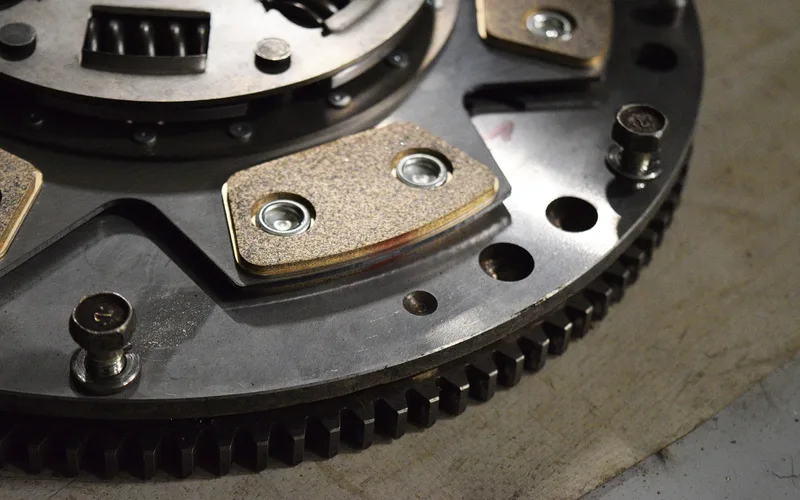
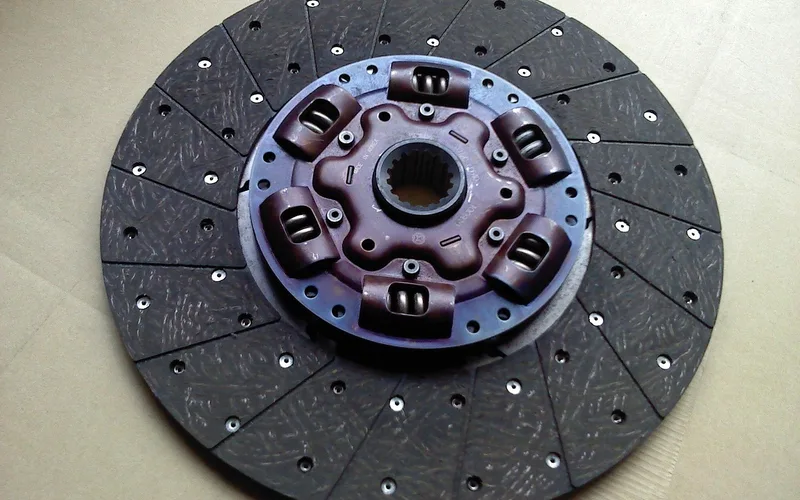
The clutch disc connects the engine to the transmission. It has friction material like brake pads. When you press the clutch pedal, the disc moves away. This stops power from going to the wheels. It helps in changing gears smoothly.
The pressure plate is a metal plate. It pushes against the clutch disc. This creates the needed friction. It helps transfer power from the engine to the wheels. The pressure plate is essential for smooth driving.
The release bearing helps in disengaging the clutch. It pushes the pressure plate away from the clutch disc. This stops the power flow. It makes gear changes easy. The release bearing must work well for smooth operation.
The flywheel is the fourth core piece, though it’s often left out of clutch component lists. Bolted directly to the engine’s crankshaft, it’s the surface the clutch disc actually clamps against — the pressure plate squeezes the disc onto the flywheel to transmit power, and pulls away from it when the pedal is pressed.
📊 A traditional manual clutch has three core mechanical parts that clamp together — the flywheel, the friction disc, and the spring-loaded pressure plate — plus the release bearing that pulls them apart when the pedal is pressed.
How A Clutch Works
The clutch links the engine and the wheels. Engagement means the engine and wheels work together. Disengagement separates them. This helps change gears smoothly. Press the clutch pedal to disengage. Release the pedal to engage.
The clutch uses friction to connect the engine and wheels. Over time, the friction material wears down. This is called wear. Regular checks are needed to keep the clutch working well. Avoid riding the clutch to reduce wear.
Types Of Clutches
Friction clutches are common in cars. They use friction to connect parts. They have high torque capacity. They are simple in design. They wear out over time. Regular checks are needed. They are reliable and cost-effective.
Hydraulic clutches use fluid pressure. They are easy to operate. They provide smooth engagement. They need less force to use. They are more expensive than friction clutches. They are found in modern cars. They require maintenance of fluid levels.
Electronically-actuated clutches are the more accurate name for what many call “electric clutches.” Rather than a driver pressing a pedal, an actuator engages and disengages the clutch based on electronic signals. This is the technology behind dual-clutch transmissions (DCT) and automated manual transmissions (AMT), which use two clutch packs so the next gear is pre-selected before the shift happens, making changes faster than a human driver could manage manually. See our list of cars that use dual-clutch transmissions if you want real examples.
“A dual-clutch transmission is an automated system that uses two clutches for seamless gear shifts.”
Common Clutch Problems
A slipping clutch means the clutch doesn’t grip well. The engine revs, but the car doesn’t move fast. This can happen if the clutch is worn out or if there’s oil on it. It can also be caused by poor adjustment. A slipping clutch can make driving hard and unsafe.
Clutch drag happens when the clutch doesn’t fully disengage. This makes shifting gears hard. The car may even move slightly with the clutch pedal pressed. Clutch drag can be due to low hydraulic fluid or a damaged clutch plate. Proper adjustment and maintenance can help prevent this issue.
Clutch noise can be a sign of a problem. A squeaking or grinding noise when pressing the clutch pedal is bad. This could mean worn-out clutch parts or a need for lubrication. Clutch noise can affect driving comfort and may lead to bigger issues. Regular checks can keep the clutch working well.
Best Clutch Replacement Kit Pick
A-Premium Transmission Clutch Kit with Release Bearing
Bundles the disc, pressure plate, and release bearing this article describes into one kit for a full clutch replacement.
- Best for: Replacing a worn clutch disc, pressure plate, and release bearing together
- Why we picked it: Bundles the 3 wear parts this article describes into one kit instead of sourcing them separately
- Main drawback: Confirm exact vehicle fitment before ordering — clutch kits are highly model-specific
Compare more clutch maintenance essentials
 Option 1 Orion Motor Tech Clutch Alignment Tool Kit
|
 Option 2 Red Line MT-90 75W-90 Manual Transmission Fluid
|
 Option 3 Ram Clutches Clutch Alignment Tool
|
As an Amazon Associate we earn from qualifying purchases.
Maintaining Your Clutch
Always check your clutch regularly. Look for signs of wear. Listen for unusual sounds. Ensure there is no slipping. Check the clutch fluid level. A healthy clutch leads to a smoother ride.
Do not ride the clutch. Use the clutch pedal correctly. Press it fully to change gears. Release it smoothly. Avoid holding it down for too long. This prevents wear and tear.
Replace the clutch if it feels spongy. Replace if it slips often. Check for burning smells. Notice any difficulty in shifting gears. These are signs the clutch needs replacing.
Driving With A Manual Transmission
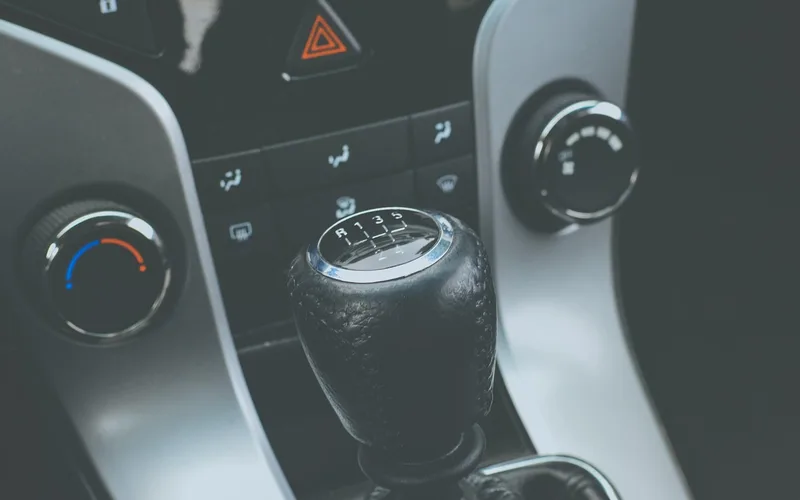
To shift gears, press the clutch pedal. Move the gear stick to the next gear. Release the clutch pedal slowly. This is crucial for smooth driving. Never skip gears. It can harm the engine. Practice makes it easier over time.
Good clutch control is key. Press the clutch fully when changing gears. Release it slowly to avoid jerking. In traffic, use the clutch to inch forward. Do not rest your foot on the clutch pedal. It wears out the clutch faster. Always use the handbrake on hills. This prevents rolling back. For a full walkthrough of the entire process, see our beginner’s guide to shifting a manual car.
Frequently Asked Questions
What Is The Function Of A Car Clutch?
A car clutch connects and disconnects the engine from the transmission. It allows for smooth gear changes.
How Does A Clutch Work?
A clutch engages and disengages the engine’s power to the wheels. This happens through friction plates.
When Should You Press The Clutch?
Press the clutch when changing gears or stopping. This helps prevent stalling.
Why Do Clutches Wear Out?
Clutches wear out due to friction and heat. Over time, the material degrades.
Conclusion
Understanding the clutch in a car is essential for every driver. It helps manage power from the engine to the wheels. Learning how to use it properly can save wear and tear. The clutch ensures smooth gear changes and a better driving experience.
Practice and patience will improve your skills. Always remember to press the clutch fully when changing gears. This simple action can prevent many common issues. Happy driving and stay safe on the road!
Products related to this article
Sponsored / affiliate links. As an Amazon Associate I earn from qualifying purchases. I may earn additional commission from eligible campaigns.