What Car Can Install Carseat Middle Seat? Local Guide
Finding the right car for a car seat in the middle can be tricky. Many parents wonder, “What car can install carseat at middle seat? Local guide” This question pops up a lot, especially for new drivers or families trying to fit more than one car seat.
It seems complicated, but we’re here to make it super simple. We’ll walk you through exactly what you need to know, step by step, so you can feel confident about your choice. Get ready to find the perfect spot for your little one.
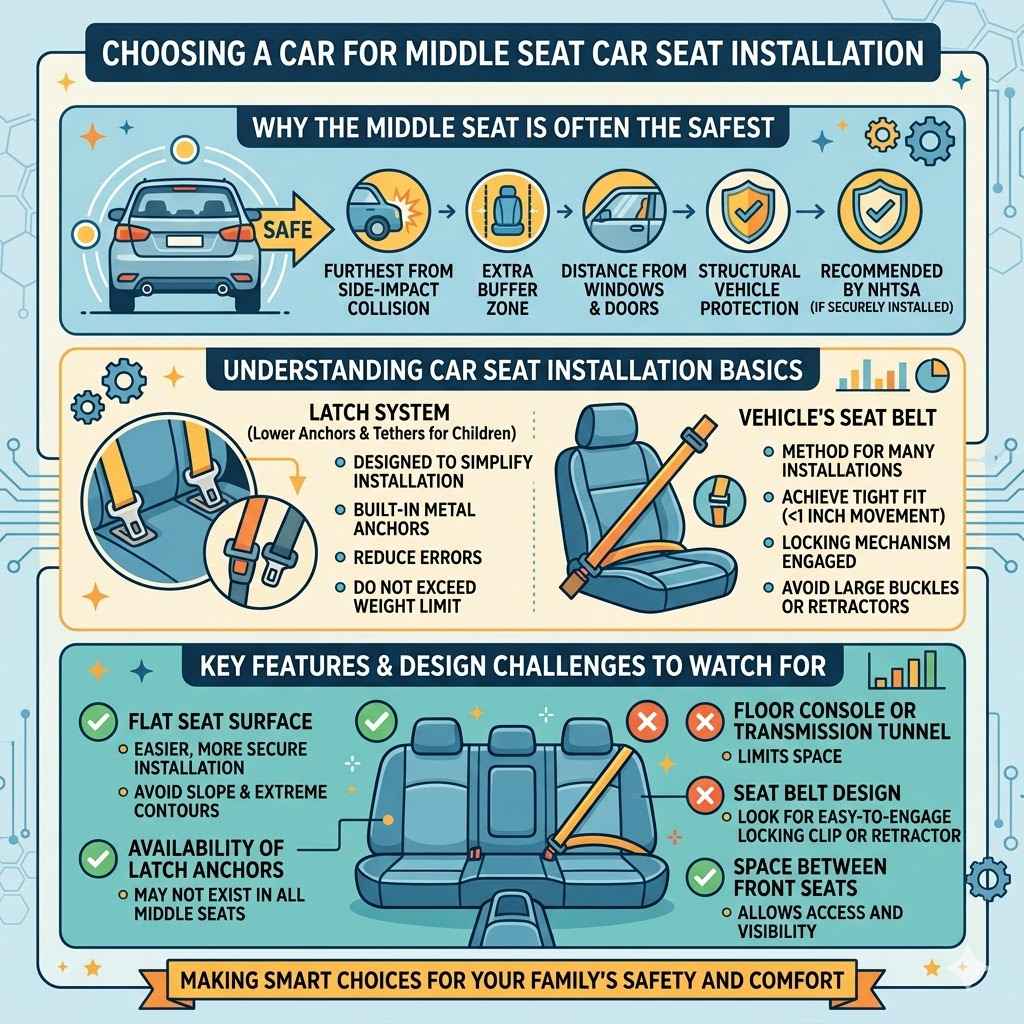
Choosing A Car For Middle Seat Car Seat Installation
This section helps you understand the basics of picking a car that makes installing a car seat in the middle possible and safe. We’ll look at why some cars are better than others and what features to watch out for. It’s all about making smart choices for your family’s safety and comfort.
Understanding Car Seat Installation Basics
Installing a car seat correctly is super important for your child’s safety. The middle seat is often the safest spot, but not all cars allow for easy installation there. We’ll explain why this is the case and what makes a car seat fit well.
Car seats use either the LATCH system (Lower Anchors and Tethers for Children) or the vehicle’s seat belt to secure them. Some cars might not have LATCH anchors in the middle seat, or the seat belt design can make it hard to get a tight fit. This is a common issue that many people face when trying to find the perfect spot.
The LATCH system is designed to simplify car seat installation and reduce the chance of errors. It uses metal anchors built into the car’s seat and a set of straps on the car seat. When using LATCH, it’s crucial to ensure the car seat’s weight limit for LATCH use is not exceeded.
Always check your vehicle’s owner’s manual for specific instructions on LATCH system usage and any restrictions for the middle seat.
The vehicle’s seat belt is another way to install a car seat. This method requires a tight fit, meaning the car seat shouldn’t move more than one inch side to side or front to back at the belt path. Some car seat belt designs, like those with large buckles or retractors, can make achieving this secure fit challenging in the middle.
Securing the car seat with a seat belt involves threading the belt through the designated belt path on the car seat. You’ll need to ensure the seat belt is locked to prevent it from loosening. Many vehicles have a locking clip or a built-in locking mechanism for the seat belt retractor that you must engage for a secure installation.
A proper installation means the car seat is firmly attached and does not shift excessively.
When considering the middle seat, vehicle design plays a big role. Some cars have a hump or console that interferes with car seat placement. Others have seats with contours that make it hard for a car seat to sit flat and secure. It’s not just about the anchors; it’s how the whole seat area is shaped.
The shape of the car’s rear seat can significantly impact car seat installation. Seats that are too contoured or have a significant slope might prevent a car seat from sitting flush. A flat seat surface generally makes installation easier and more secure.
If the middle seat has a floor console or a transmission tunnel that protrudes, it can limit the space available or prevent the car seat from being positioned correctly.
Why The Middle Seat Is Often The Safest
The middle seat is usually the safest because it’s the furthest from potential side-impact crashes. This distance provides an extra buffer, offering greater protection for your child. However, this benefit is only realized if the car seat can be installed correctly and securely in that spot.
Being away from windows and doors is a key safety factor. In a side-impact collision, the forces are often absorbed by the car’s structure. The middle seat, being central, has more of the vehicle’s body between the car seat and the point of impact. This structural protection is invaluable.
The structural integrity of a vehicle varies, but generally, the areas furthest from the exterior panels are considered the safest. For side impacts, the doors and windows are the most vulnerable points. Placing a child in the middle seat maximizes the distance from these areas, providing an enhanced layer of protection against the direct forces of a collision.
The National Highway Traffic Safety Administration (NHTSA) often recommends the middle seat as the safest if a secure installation is possible. This recommendation is based on extensive crash data and analysis. However, it’s essential to remember that a poorly installed car seat in the safest position is less safe than a correctly installed one in a side seat.
NHTSA provides guidelines and safety tips for parents to ensure child passenger safety. Their recommendations are informed by research and real-world accident scenarios. The emphasis is always on correct installation, regardless of the seating position.
They also stress the importance of using the right car seat for the child’s age, weight, and height.
What Car Features Aid Middle Seat Car Seat Installation
Certain car features make installing a car seat in the middle much easier. Knowing what to look for can save you a lot of frustration. We’ll explore the specific design elements that make a difference.
Seat Belt Design And Accessibility
The design of the seat belt in the middle seat is crucial. Some cars have a seat belt that retracts from the roof or the side, which can be easier to manage than one that comes from the floor. The buckle’s position and shape also matter.
Seat belts that retract from the roof are often longer and more flexible, making it easier to route them around a car seat and get a tight fit. This type of anchor point can provide a straighter pull, which helps in securing the car seat without awkward angles.
A roof-mounted seat belt retractor means the belt extends from above the seat. This can be advantageous because it allows for a more direct path for the seat belt to wrap around the car seat. It also often means the belt is longer, giving you more slack to work with during installation.
A seat belt buckle that is not too tall or positioned too close to the seat can prevent interference with the car seat’s base. If the buckle is rigid and close to the seat cushion, it might not allow the car seat to sit flush. A flexible buckle or one positioned further back can be more accommodating.
The buckle design can be a hidden but significant obstacle. A stiff, short buckle can push against the car seat, preventing it from seating properly. This can lead to a loose installation or the inability to achieve the required snugness.
Some cars have buckles that can be tethered to the seat to keep them out of the way during installation.
Look for cars where the middle seat belt has a built-in locking mechanism. This could be a latch plate that locks onto the seat belt webbing or a retractor that locks automatically. This feature ensures the seat belt stays tight once you’ve secured the car seat, preventing it from loosening over time.
Many modern vehicles have seat belt locking mechanisms to aid in car seat installation. These mechanisms allow the seat belt to be locked in place after it has been tightened. This is essential for a secure car seat installation as it prevents the seat belt from becoming slack as the child moves or due to vibrations during driving.
Always consult your car’s manual to understand how to engage this feature.
LATCH System Availability In The Middle Seat
Not all cars have LATCH anchors in the middle seat. If they do, the spacing and accessibility can vary. Understanding if and how your car supports LATCH in the middle is vital.
Some vehicles are equipped with LATCH anchors specifically for the middle seat. These are usually indicated by small symbols on the seat edge or in the owner’s manual. However, it’s important to note that not all vehicles that have LATCH in the side seats also have it in the middle.
The LATCH system is designed to make car seat installation easier and more consistent. When LATCH anchors are available in the middle seat, it significantly simplifies the process of securing the car seat. Always verify the availability and location of these anchors in your specific vehicle’s manual.
If LATCH anchors are not available in the middle seat, you will need to rely on the seat belt for installation. This is perfectly safe, but as mentioned earlier, it can sometimes be more challenging to achieve a secure fit. The key is to ensure you can get a belt path that allows for a tight installation.
When LATCH anchors are absent, the vehicle’s seat belt becomes the primary method for securing the car seat. This is a perfectly valid and safe option when done correctly. The focus shifts to ensuring the seat belt is properly routed, locked, and tightened to achieve the required one-inch movement test.
The spacing of LATCH anchors can differ between vehicles. If the car seat’s LATCH connectors are too wide or too narrow for the vehicle’s anchors, installation can be difficult or impossible. This is less common with modern car seats and vehicles designed to standardized specifications, but it’s worth being aware of.
Anchor spacing is a critical design element of the LATCH system. Manufacturers design car seats with specific LATCH connector widths, and vehicles have corresponding anchor points. While standards exist, subtle differences can arise.
Always check that the car seat’s LATCH connectors are compatible with the vehicle’s anchor points.
Seat Shape And Flatness
The contour of the rear seats can greatly affect how well a car seat fits. Seats that are too sloped or have deep contours might not allow a car seat to sit level and securely. A flatter seat is generally better.
Many modern cars have sculpted seats for comfort, which can be a problem for car seats. A deeply contoured seat can make it hard for the car seat to make full contact with the seat back, leading to a less stable installation. A flatter seat offers a more stable platform.
Seat contouring is designed for passenger comfort, but it can create challenges for car seat placement. Deep bolsters or significant curves can create an angle for the car seat, making it difficult to achieve a level position. A flatter seating surface ensures the car seat base is evenly supported.
When the middle seat is flatter, it provides a more stable and level base for the car seat. This is especially important for infant car seats, which often have a level indicator to ensure they are installed at the correct recline angle. A flat seat makes it easier to meet this requirement.
The flatness of a seat is particularly important for rear-facing infant car seats. These seats require a specific recline angle for safety, to keep the baby’s airway open. A perfectly flat seat allows parents to easily achieve the correct recline without needing excessive padding or adjustments that could compromise safety.
If your car has significantly contoured seats, you might need to use a pool noodle or a rolled-up towel (if permitted by your car seat manufacturer and vehicle manual) to create a flatter surface. However, always check your car seat manual first, as some manufacturers prohibit this. A properly installed car seat on a slightly less than perfect surface is still better than a poorly installed one.
Some parents resort to minor modifications to achieve a better fit, such as using a pool noodle. This is typically placed under the front edge of the car seat base to help level it on a sloped seat. However, it is paramount to consult both the car seat and vehicle manuals.
Unauthorized modifications can void warranties and compromise safety.
Popular Cars Known For Middle Seat Car Seat Installation
When you’re looking for a new car or even considering your current one, some models are frequently recommended for their suitability for middle seat car seat installations. These often have specific design features that make the job easier.
SUVs and Minivans
SUVs and minivans are often good choices because they generally offer more spacious rear seating areas. Their design often prioritizes family use, which includes easier car seat fitting.
Minivans are built with families in mind. They typically have wide, flat rear seats and excellent access, making them prime candidates for easy middle seat car seat installation. The ample legroom and headroom also contribute to a comfortable fit.
Minivans are renowned for their family-friendly features. This often includes spacious second-row seating with ample legroom and a relatively flat seat base, which is ideal for car seat installation. The sliding doors also provide wide openings, making it easier to place a car seat and child into the vehicle.
Many larger SUVs also offer comfortable and accessible middle seats. The rear benches in these vehicles are often designed to accommodate car seats well, with good seat belt access and LATCH anchor availability.
Larger SUVs often boast spacious rear cabins. Their bench seats are frequently designed with car seat compatibility in mind, offering a good balance of comfort and practicality. This means easier access to seat belts and LATCH anchors for a secure installation.
Some SUVs and minivans have captain’s chairs in the second row, which may or may not allow for a middle seat car seat installation. If there’s a gap between captain’s chairs, a car seat might not be able to be installed safely there. Always check the specific configuration.
When SUVs or minivans have captain’s chairs, the middle seating area is often an open space between the two seats. This space might not be designed for a car seat installation using either the seat belt or LATCH system. It’s important to confirm if the vehicle manufacturer specifies that a car seat can be installed in this area, often referred to as the “jump seat” area if there is one.
Sedans With Generous Rear Space
While SUVs and minivans are often the go-to, some sedans can also be surprisingly good. This depends heavily on the specific model and its rear-seat design.
Certain mid-size and full-size sedans have wider rear seats and well-designed seat belts that can make middle seat installation feasible. Models with flatter rear seats are preferable.
Some sedans offer a surprisingly spacious rear seat that can accommodate a car seat in the middle position. These vehicles often have a design that minimizes seat contouring in the center, allowing for a more stable fit. Access to the seat belt is also usually straightforward.
It’s crucial to check the car seat and vehicle manuals for sedans, as some might have seat belt designs or seat contours that complicate installation. A test fit is often the best way to confirm.
For sedans, it’s particularly important to cross-reference the car seat’s manual with the vehicle’s owner’s manual. The manuals will detail specific instructions for installation in the middle seat. A physical test installation is the most reliable way to ensure a secure fit.
Specific Model Examples (General Trends)
While specific model years can change, certain vehicle types tend to perform well. For example, models with a bench seat in the second row, ample width, and accessible seat belts are often good candidates.
Vehicles like the Honda Odyssey, Toyota Sienna, and Chrysler Pacifica are frequently praised for their family-friendly interiors, which often include good middle seat car seat accessibility.
Minivans like the Honda Odyssey, Toyota Sienna, and Chrysler Pacifica are popular for their spacious interiors and versatile seating arrangements. Their second-row seats are often designed with car seat installation in mind, providing ample space and straightforward access to seat belts and LATCH anchors.
Larger SUVs such as the Chevrolet Tahoe, Ford Expedition, and Toyota Highlander often have wide rear benches that can work well for middle seat car seats.
Full-size SUVs such as the Chevrolet Tahoe, Ford Expedition, and Toyota Highlander typically offer generous rear seating capacity. The wide bench seats in these vehicles often make them suitable for installing car seats in the middle position, providing a good balance of space and safety.
Even some well-designed sedans, like the Subaru Outback (often considered a wagon/SUV crossover), can offer a usable middle seat for car seats due to their flatter seats and accessible seat belts.
Vehicles like the Subaru Outback, which blurs the line between a wagon and an SUV, can be excellent choices. Their spacious rear seating area and relatively flat seats, combined with accessible seat belts, often make them suitable for middle seat car seat installations.
How To Test Fit A Car Seat In The Middle Seat
Even if a car is known to be good for middle seat installations, a test fit is essential. This ensures your specific car seat works safely and securely in your specific vehicle.
The One-Inch Rule
This is the golden rule of car seat installation. Once installed, the car seat should not move more than one inch in any direction (side to side or front to back) at the belt path.
After installing the car seat using either LATCH or the seat belt, grasp the car seat at the belt path (where the LATCH strap or seat belt goes through). Try to move it side to side and front to back. If it moves more than one inch, it’s not tight enough.
The one-inch movement test is a critical safety check. It ensures the car seat is securely fastened to the vehicle’s seat. Any significant looseness can allow the car seat to move excessively in a crash, reducing its protective capabilities.
Always perform this check at the belt path, not at the top of the car seat.
If the seat moves too much, you’ll need to try tightening the LATCH strap or the seat belt. Sometimes, rerouting the strap or belt can help achieve a better fit. Don’t be afraid to loosen it completely and start over if needed.
If the car seat fails the one-inch test, the installation needs to be redone. This might involve adjusting the tension on the LATCH strap or seat belt, or trying a different installation method if your car seat allows for both. Patience is key, as a secure fit is paramount.
Checking The Angle For Rear-Facing Seats
For rear-facing car seats, ensuring the correct recline angle is vital. Most car seats have a level indicator to help with this. The middle seat’s angle can sometimes make it harder to achieve the correct recline.
Most infant car seats have a built-in level indicator that shows if the seat is at the correct angle. If the middle seat is angled steeply, you might have trouble getting the indicator into the green zone.
The level indicator on a rear-facing car seat is a visual guide to ensure the seat is reclined correctly. This is crucial for infant safety, as it helps keep the baby’s airway open. An incorrect recline angle can be dangerous for newborns.
If the middle seat angle is too shallow or too steep, consult your car seat manual. Some manuals suggest using a tightly rolled towel or a pool noodle under the front edge of the car seat to adjust the recline, but only if the car seat manufacturer permits it.
Adjusting the recline angle can sometimes be achieved with accessories like pool noodles or rolled towels. However, these should only be used if explicitly permitted by the car seat manufacturer. Improper use of such items can create instability and compromise safety.
Always refer to the car seat manual for guidance.
Using Vehicle And Car Seat Manuals
Your vehicle’s owner’s manual and your car seat manufacturer’s manual are your best friends. They contain specific instructions and restrictions for your car and car seat.
Always read the section in your vehicle’s manual that pertains to child restraint systems. It will tell you where the LATCH anchors are located, if they can be used in the middle seat, and any specific seat belt locking mechanisms.
The vehicle owner’s manual is an indispensable resource for understanding how to properly install child safety seats within that specific car. It details the location of LATCH anchors, seat belt configurations, and any weight or usage restrictions for different seating positions.
Similarly, your car seat manual will guide you on how to install the seat using both LATCH and the seat belt. It will also specify any restrictions, such as whether it can be installed in the middle seat or if certain vehicle seat belt designs are incompatible.
The car seat manufacturer’s manual provides detailed instructions for installing their product. It covers methods of installation, weight limits for LATCH use, and compatibility information with various vehicles. Adhering to these instructions is non-negotiable for ensuring the child’s safety.
If your car seat manual says it can be installed in the middle seat but your vehicle manual says it cannot, prioritize the vehicle manual’s restriction. The vehicle manufacturer knows the structural limits and design of their car best.
In cases of conflicting information between the car seat manual and the vehicle manual, the vehicle manual’s restrictions always take precedence. The vehicle manufacturer has specific knowledge about the safety systems and structural integrity of their car.
Common Pitfalls To Avoid
Several common mistakes can make installing a car seat in the middle seat difficult or unsafe. Being aware of these can help you avoid them.
Over-tightening the LATCH strap or seat belt can sometimes prevent a secure fit. It can cause the seat to pivot rather than stay firmly in place. The goal is snug, not necessarily as tight as humanly possible.
It is a misconception that tighter is always better when installing a car seat. Over-tightening can actually compromise the installation by creating too much rigidity or causing the car seat to deform. The one-inch rule is the correct measure of tightness.
Using the wrong belt path for the LATCH system or seat belt can lead to an insecure installation. Always ensure you are using the designated path as shown in both manuals.
Each car seat has specific belt paths for both the LATCH system and the vehicle seat belt. Using the incorrect path can result in an insecure fit or improper functionality of the car seat. Always refer to the manuals for the correct routing.
Forgetting to lock the seat belt is a very common and dangerous mistake. If the seat belt is not locked, it can loosen over time, compromising the car seat’s security.
Ensuring the vehicle seat belt is locked is a critical step in the installation process. Many vehicles have a locking mechanism on the retractor or require a locking clip. If the seat belt is not locked, it can slip and loosen, rendering the car seat unsafe.
Finding Local Resources For Car Seat Installation Help
Sometimes, even with the best manuals, you might need a little extra help. Fortunately, there are local resources available to assist you.
Certified Child Passenger Safety Technicians (CPSTs)
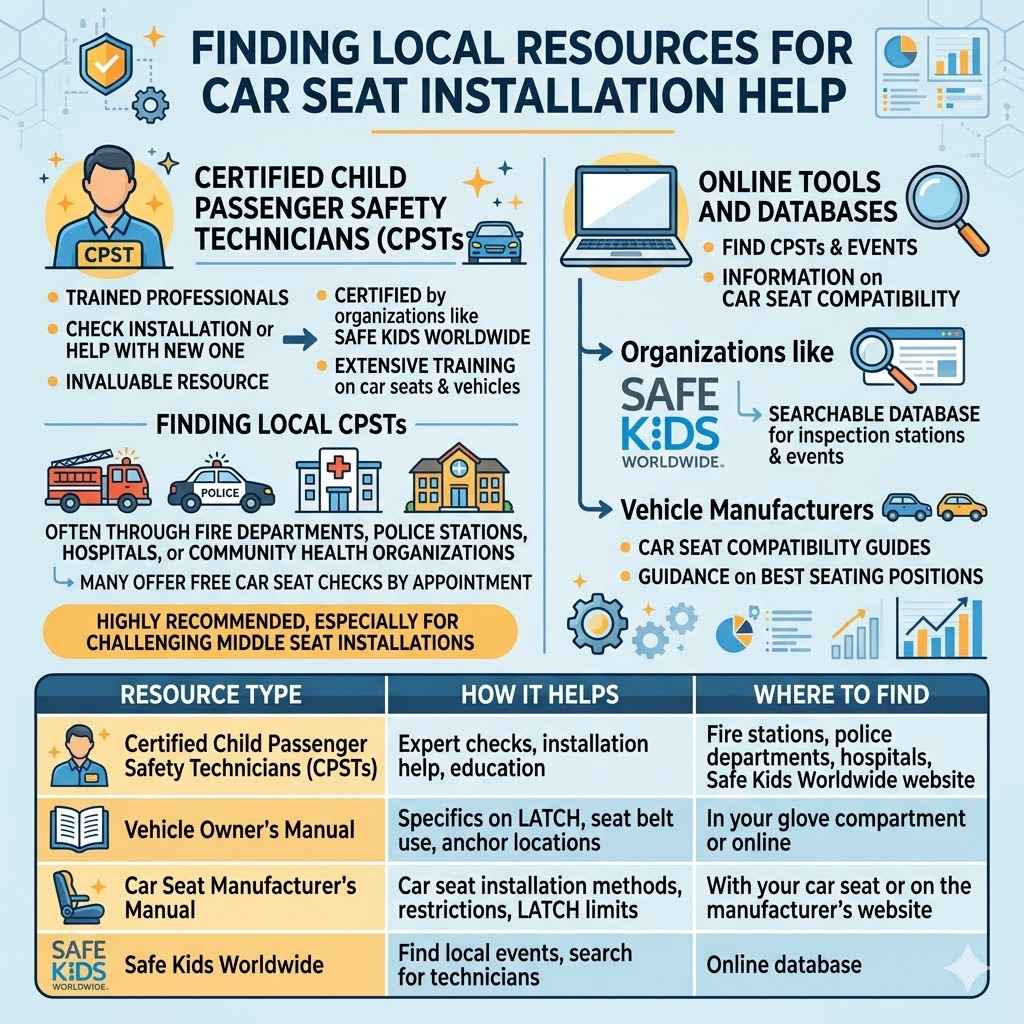
These are trained professionals who can check your car seat installation or help you with a new one. They are an invaluable resource.
CPSTs are certified by organizations like Safe Kids Worldwide. They have extensive training on how to correctly install various types of car seats in different vehicles.
Child Passenger Safety Technicians (CPSTs) undergo rigorous training and certification to ensure they can provide accurate guidance on car seat safety. They are experts in the field and can help parents install car seats correctly.
You can often find local CPSTs through fire departments, police stations, hospitals, or community health organizations. Many offer free car seat checks by appointment.
Local fire departments and police stations often host car seat check events or have CPSTs on staff who can assist parents. These services are typically offered free of charge, making expert help accessible to all families.
A CPST can help you determine if your car seat is installed correctly, especially in the challenging middle seat position. They can also educate you on best practices and answer any questions you might have.
A car seat check by a CPST is highly recommended, especially for challenging installations like the middle seat. They can identify potential issues, demonstrate proper techniques, and ensure the car seat is fitted snugly and safely for your child.
Online Tools And Databases
There are websites that can help you find CPSTs or provide information on car seat compatibility.
Organizations like Safe Kids Worldwide have online tools where you can search for car seat check events or technicians in your area. This is a convenient way to find local help.
Safe Kids Worldwide offers a searchable database on its website that allows parents to find local car seat inspection stations and upcoming events. This resource helps connect families with certified technicians for safety checks.
Some car manufacturers also provide online resources or car seat compatibility guides that can give you a head start on knowing which of their models might be suitable.
Vehicle manufacturers often provide online resources or dedicated sections in their owner’s manuals regarding child restraint systems. These can include compatibility charts or guidance on the best seating positions for car seats in their vehicles.
| Resource Type | How It Helps | Where To Find |
|---|---|---|
| Certified Child Passenger Safety Technicians (CPSTs) | Expert checks, installation help, education | Fire stations, police departments, hospitals, Safe Kids Worldwide website |
| Vehicle Owner’s Manual | Specifics on LATCH, seat belt use, anchor locations | In your glove compartment or online |
| Car Seat Manufacturer’s Manual | Car seat installation methods, restrictions, LATCH limits | With your car seat or on the manufacturer’s website |
| Safe Kids Worldwide | Find local events, search for technicians | Online database |
Frequently Asked Questions
Question: Can any car seat be installed in the middle seat?
Answer: Not all car seats can be safely or easily installed in the middle seat of every vehicle. It depends on the car seat’s design, the vehicle’s seat belt system, and whether LATCH anchors are available or suitable in the middle position. Always consult both the car seat and vehicle manuals.
Question: How do I know if my car has LATCH in the middle seat?
Answer: Check your vehicle’s owner’s manual. It will usually indicate the location and availability of LATCH anchors. Sometimes, there are small labels on the car seats themselves, but the manual is the most reliable source.
Question: Is the middle seat always the safest for a car seat?
Answer: The middle seat is generally considered the safest due to its distance from side impacts, but only if a secure and correct installation is possible. A properly installed car seat in a side seat is safer than an improperly installed one in the middle.
Question: What if my car seat doesn’t fit snugly in the middle?
Answer: If the car seat moves more than one inch at the belt path, it’s not installed securely. You may need to try rerouting the seat belt or LATCH strap, or seek help from a Certified Child Passenger Safety Technician (CPST).
Question: Are there cars specifically designed for middle seat car seats?
Answer: While no car is exclusively designed for middle seat car seats, vehicles like minivans and larger SUVs often have rear seats with flatter contours and more accessible seat belts or LATCH systems that make middle seat installations more feasible and safer.
Summary
Figuring out What Car Can Install Carseat at Middle Seat? Local Guide is manageable. Focus on vehicle design, seat belt accessibility, and LATCH availability.
Always test fit using the one-inch rule and check recline angles. Utilize your manuals and local CPSTs for expert help.