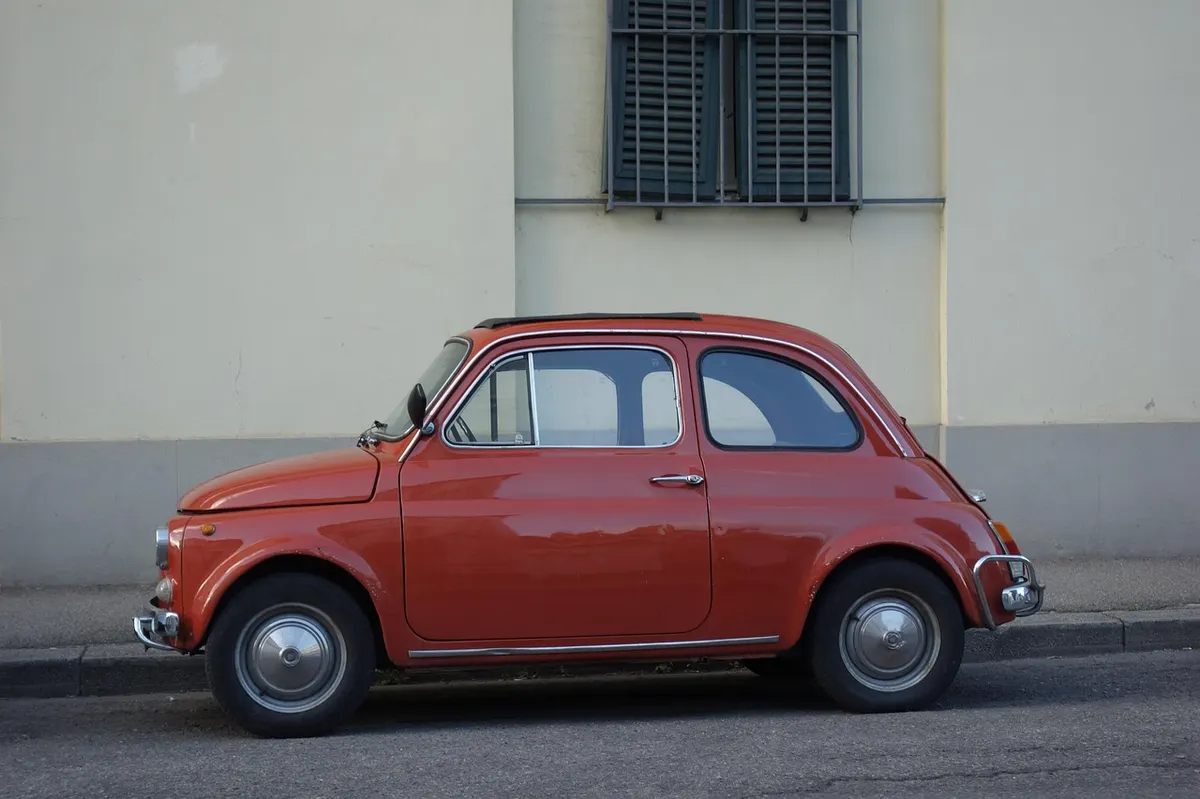
What Car Companies Does Fiat Own? All 14 Stellantis Brands (2026)
Fiat does not own other car brands on its own anymore. Fiat is itself one of 14 car brands owned by Stellantis, the company created when Fiat Chrysler Automobiles (FCA) and the French Groupe PSA merged. So when people ask what car companies Fiat owns, the working answer is the Stellantis list: Abarth, Alfa Romeo, Chrysler, Citroën, Dodge, DS Automobiles, Fiat, Jeep, Lancia, Maserati, Opel, Peugeot, Ram and Vauxhall. Ferrari is not on it. This page was rebuilt in October 2026 from Stellantis’s own brand pages and its January 2021 merger filing, and every brand below is marked with which side of the merger it came from.
What Car Companies Does Fiat Own?
Best Stellantis Brand History Read
|
Jeep: The History of America’s Greatest Vehicle, $12.83 Jeep is one of the Stellantis brands listed on this page, and it is the American side of the group that most readers recognize, so a history of the marque is a natural next read.
As an Amazon Associate we earn from qualifying purchases. Price and availability change; check the listing. |
Short answer: through its parent Stellantis, Fiat sits in the same group as 13 other car brands. Stellantis’s own About Us page calls the group “a constellation of 14 iconic vehicle brands and two mobility brands,” and its brand page lists the same 14 car names. Here they are in four groups, as of October 2026:
- American: Chrysler, Dodge, Jeep, Ram
- Italian: Abarth, Alfa Romeo, Fiat, Lancia, Maserati
- French: Citroën, DS Automobiles, Peugeot
- German and British: Opel and Vauxhall
Fiat is not the owner of any of these in the legal sense. Stellantis N.V. is. Per its About Us page, Stellantis is publicly traded on the New York Stock Exchange, Euronext Milan and Euronext Paris, and its SEC filing from January 2021 lists its principal executive offices in Lijnden, the Netherlands. Older versions of this page placed the headquarters in Amsterdam, which we could not confirm, so we dropped it.
Who Owns Fiat? A Brand Inside Stellantis
Fiat the car brand is owned by Stellantis N.V. Stellantis’s Fiat page says the brand was “founded in Turin in 1899” and holds leadership positions in Italy, Brazil, Turkey and Algeria. That last detail matters if you wonder why Fiat looks different in different countries: the Fiat sold in Brazil is a very different lineup from the one in Europe. The current models Stellantis names on that page are the 500 Hybrid, the Grande Panda, the Topolino and the Strada.
The group itself came together on January 16, 2021. The merger of FCA and Groupe PSA, to quote the press release filed that day, “became effective today,” and the new company’s shares began trading in Paris and Milan on January 18 and in New York on January 19. That is the date to remember: before it, Fiat was part of FCA. After it, FCA and PSA were one group.
Every Stellantis Brand: Which Side of the Merger and What It Sells Now
This table is the part older “brands owned by Fiat” pages skip. The “came from” column uses the two company descriptions in the January 2021 merger filing: FCA listed Abarth, Alfa Romeo, Chrysler, Dodge, Fiat, Fiat Professional, Jeep, Lancia, Ram and Maserati; Groupe PSA listed five car brands, Peugeot, Citroën, DS, Opel and Vauxhall. The models column is only what each brand’s Stellantis page names today, so a note like “none named” means the page lists nothing current.
| Brand | Came from | Home country | Models named on Stellantis page |
|---|---|---|---|
| Abarth | FCA side | Italy | Abarth 500e, Abarth 600e |
| Alfa Romeo | FCA side | Italy | Junior, Tonale, Giulia, Stelvio, 33 Stradale |
| Chrysler | FCA side | United States | Pacifica minivan |
| Citroën | PSA side | France | C5 Aircross |
| Dodge | FCA side | United States | Charger, Durango |
| DS Automobiles | PSA side | France (founded in Paris in 2014) | DS 3, N°4, N°7, N°8 |
| Fiat | FCA side | Italy (founded in Turin in 1899) | 500 Hybrid, Grande Panda, Topolino, Strada |
| Jeep | FCA side | United States | None named on its page |
| Lancia | FCA side | Italy | Current range not named; page cites Aurelia, Flaminia, Delta, Stratos heritage |
| Maserati | FCA side | Italy | GranCabrio, Grecale, GT2 Stradale |
| Opel | PSA side | Germany (cars since 1899) | Astra, Mokka, Corsa |
| Peugeot | PSA side | France | 408 |
| Ram | FCA side | United States | Ram 1500, 2500/3500, Chassis Cab, ProMaster |
| Vauxhall | PSA side | United Kingdom | Grandland, Frontera, Vivaro |
Count it and you get nine brands from the FCA side and five from the PSA side, which is 14. If you remember the headline “Fiat bought Chrysler,” the table shows why that is only half the story: more than a third of today’s lineup, Peugeot, Citroën, DS, Opel and Vauxhall, never belonged to Fiat at all.
Does Fiat Own Dodge, Ram, Jeep and Chrysler?
Yes, in the sense that all four sit in the same corporate group as Fiat. They came over on the FCA side, and Stellantis now runs them as separate brands with their own chief executives. Stellantis’s brand pages give each a different pitch:
- Jeep: described as a global SUV leader for “nearly 85 years,” with combustion, hybrid and all-electric drivetrains.
- Ram: a pickup and commercial-van brand with the Ram 1500, heavy-duty 2500/3500 trucks, chassis cabs and the ProMaster van.
- Dodge: “America’s performance brand,” now selling the Charger in multi-energy form and the Durango.
- Chrysler: marked its “Century of Innovation” in 2025 and builds its story around the Pacifica minivan.
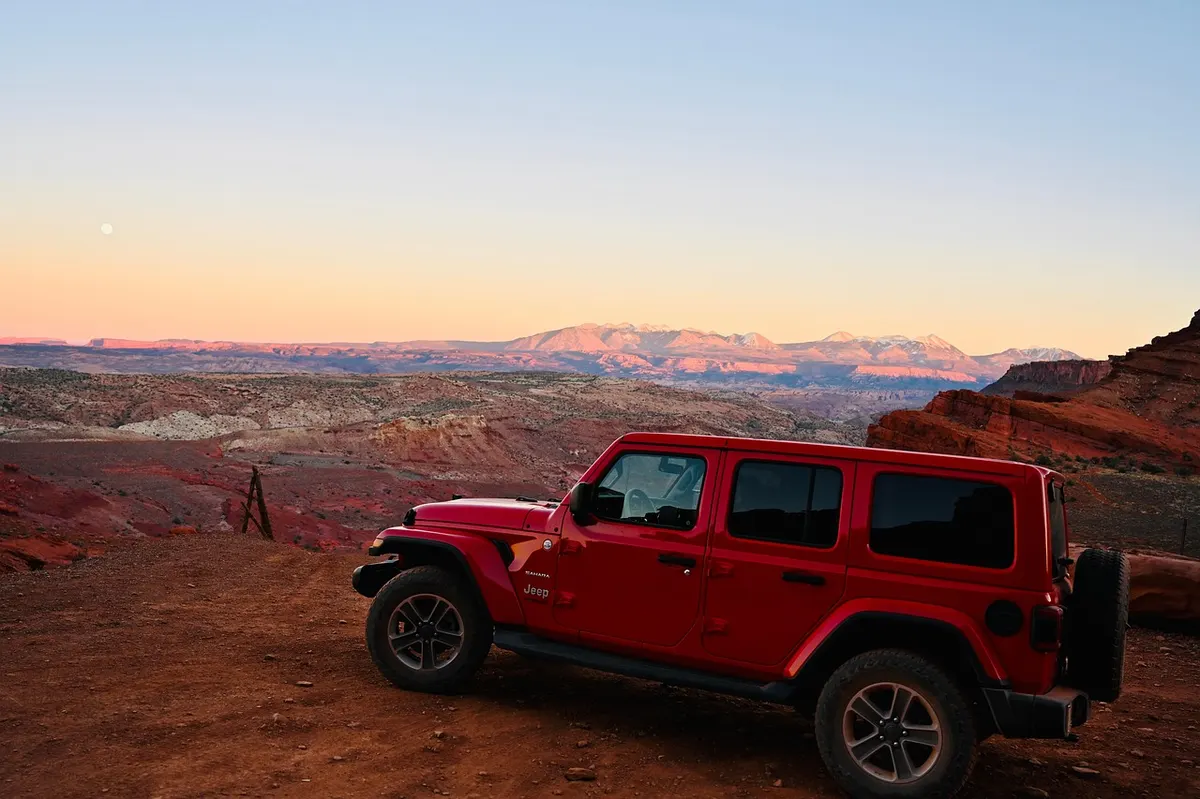
If you are choosing between these brands rather than just tracing ownership, our guides on whether Dodge is a good car brand, whether the Dodge Charger counts as a sports car and what type of car a Jeep is go further.
The Italian Brands: Fiat, Abarth, Alfa Romeo, Lancia and Maserati
Five Stellantis brands are Italian. Fiat is the volume brand. Abarth is the performance one, and Stellantis’s page says it has stood for performance “for more than 75 years,” with the Abarth 500e and 600e as today’s electric models. Alfa Romeo is pitched as a premium brand with “pure Italian style and sporting legacy,” and its page lists the Junior, Tonale, Giulia, Stelvio and the 33 Stradale. Lancia has “118 years of history” by its own count and is described as starting a “Renaissance” under a 10-year strategic plan. Maserati is the most exclusive name of the five, with the GranCabrio, Grecale and GT2 Stradale on its page.
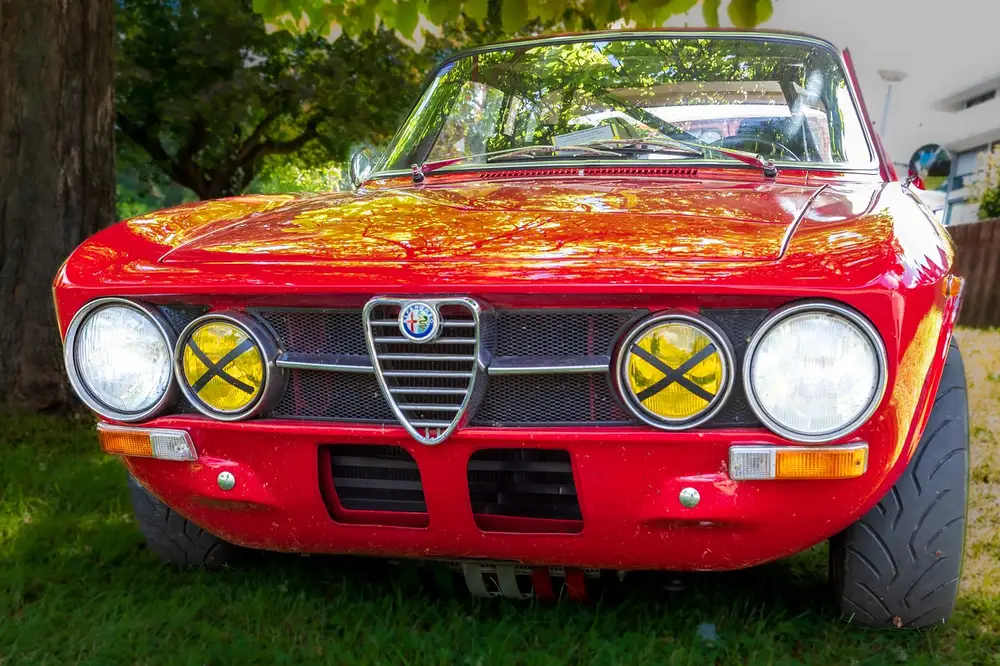
Whether Alfa Romeo and Maserati count as luxury is a separate question, and we cover it in is Alfa Romeo a luxury car brand.
The French, German and British Side: Peugeot, Citroën, DS, Opel and Vauxhall
This is the Groupe PSA half. Peugeot’s page says it is established in over 140 countries and offers “the widest EV lineup of any European mainstream brand.” Citroën describes itself as an innovation-driven brand “since 1919.” DS was “founded in Paris in 2014” and builds on the 1955 DS. Opel “started building automobiles in Germany in 1899” and, with its British sister Vauxhall, is represented in more than 60 countries. Opel and Vauxhall share one chief executive on Stellantis’s site, which is why many people describe Vauxhall as the British version of Opel. For a buyer’s view of the French side, see are Peugeot cars good.
Brands Stellantis Lists That Are Not Car Brands
Stellantis’s brand page adds two names to the 14: Free2move and Leasys, which it calls its “two mobility arms.” They sell mobility services and leasing, not cars, so they do not belong in a list of car companies. Three more names show up in the 2021 FCA description but are not car brands either: Mopar (parts and service), Comau (production systems) and Teksid (components).
Two cases cause the most confusion. First, Fiat Professional appeared as its own brand in FCA’s 2021 description, but it is not among the 14 on Stellantis’s brand page today, so we do not count it as a separate brand. Second, Leapmotor, the Chinese electric-car company that Stellantis has shown at motor shows, is not on the brand page either, so it is not one of the 14.
| Name | What it is | Counted among the 14 car brands? |
|---|---|---|
| Free2move | Mobility brand | No |
| Leasys | Mobility brand | No |
| Mopar | Parts and service name used by FCA | No |
| Comau | Production systems brand named by FCA | No |
| Teksid | Components brand named by FCA | No |
| Fiat Professional | Listed by FCA in 2021, absent from the current brand page | No, not listed separately today |
| Leapmotor | Chinese EV company shown by Stellantis; not on its brand page | No |
| Ferrari | Not in the Stellantis or FCA 2021 brand lists | No |
Does Fiat Own Ferrari?
No. Ferrari does not appear in Stellantis’s list of 14 brands, and it was already missing from the brand list FCA published on the day the merger closed in January 2021. Ferrari did once belong to the Fiat group, which is why the myth persists. It was listed on the New York Stock Exchange in October 2015 and separated from FCA in early January 2016, with the Agnelli family’s holding company Exor ending up as its largest shareholder. Since then it has been a separate company, and a Ferrari buyer is not buying into Stellantis.
How Old Is Each Brand? Ages as Stellantis States Them
Another way to read the group is by age, using only the figures printed on Stellantis’s own brand pages (read in October 2026, so each “years” figure counts from that date):
| Brand | What Stellantis says about its age | Where it started |
|---|---|---|
| Fiat | Founded in Turin in 1899; over 125 years | Italy |
| Opel | Started building automobiles in Germany in 1899 | Germany |
| Citroën | Innovation and creativity “since 1919” | France |
| Lancia | “118 years of history” | Italy |
| Dodge | “112 years,” tied to brothers John and Horace Dodge | United States |
| Chrysler | Marked a “Century of Innovation” in 2025 | United States |
| Jeep | “Nearly 85 years” as an SUV leader | United States |
| Abarth | “More than 75 years” | Italy |
| DS Automobiles | Founded in Paris in 2014; builds on the 1955 DS | France |
The oldest car brands in the group, Fiat and Opel, both date to 1899, and the youngest, DS, is not yet 15 years old. That spread is why Stellantis behaves less like one company with one product philosophy and more like a collection of separate histories under one roof.
What the Group Looks Like Today
Stellantis says it has manufacturing facilities in enlarged Europe (including France, Germany, Italy, Spain, Poland and the UK), North America (the United States, Canada and Mexico), South America (Brazil and Argentina) and Africa (Morocco). It reports customers in more than 130 markets and “nearly 260,000” employees across five regions, a figure that excludes employees of joint arrangements, associates and unconsolidated subsidiaries. If you want a wider comparison, our guide to who owns the most car companies ranks the biggest groups, and what car brands own what maps the other big parents. For another corporate parent, see what car brands General Motors owns or our look at who manufactures Audi cars.
What We Removed From the Older Version of This Page
An earlier version of this page contained several figures we could not confirm from a company source, so they are gone rather than repeated. These include a “fourth-largest automaker” ranking, a claim that every brand would be electric by the early 2030s, a date for Alfa Romeo going fully electric, a Lancia relaunch year, specific acquisition years for the Italian brands, an Amsterdam headquarters and the origin of the Stellantis name. If a number matters to you, check it against Stellantis’s investor pages, because group rankings and plans change every year.
Frequently Asked Questions
Does Fiat own Ferrari?
No. Ferrari is not one of the 14 brands on Stellantis’s brand page. It was listed on the New York Stock Exchange in October 2015 and separated from FCA in early January 2016, so it has been a separate company for years.
What is the difference between Fiat and Stellantis?
Fiat is a car brand founded in Turin in 1899. Stellantis is the company that owns Fiat and 13 other car brands. It formed when FCA and Groupe PSA merged on January 16, 2021.
Does Fiat own Jeep, Dodge and Ram?
Through Stellantis, yes. Jeep, Dodge, Ram and Chrysler all came from the FCA side of the 2021 merger and are listed among Stellantis’s 14 car brands.
Does Fiat own Peugeot?
Through Stellantis, yes. Peugeot was one of Groupe PSA’s five car brands and is now one of Stellantis’s 14, alongside Citroën, DS Automobiles, Opel and Vauxhall.
How many car brands does Stellantis own?
Stellantis lists 14 car brands: Abarth, Alfa Romeo, Chrysler, Citroën, Dodge, DS Automobiles, Fiat, Jeep, Lancia, Maserati, Opel, Peugeot, Ram and Vauxhall. It also lists two mobility brands, Free2move and Leasys. This is as of October 2026.
Does Fiat own Maserati and Alfa Romeo?
Through Stellantis, yes. Both came from the FCA side of the merger and are in the same group as Fiat today.
Products related to this article
Sponsored / affiliate links. As an Amazon Associate I earn from qualifying purchases. I may earn additional commission from eligible campaigns.