Most Fuel Efficient Cars
You pull up to the pump, watch the dollars tick past $50, and wonder if your car is secretly drinking gas. The truth is, your driving habits and your vehicle’s design matter more than you think. Some cars squeeze 50 miles from a gallon of gas, while others struggle to reach 25. The difference is not just about the car you buy—it’s about how you use it.
This guide covers the most fuel efficient cars in different categories, explains why hybrids beat conventional engines in city traffic, and gives you concrete numbers to compare. You’ll also learn what actually improves fuel economy without swapping your vehicle. By the end, you’ll know exactly what to look for when you shop or how to get more miles out of what you already drive.
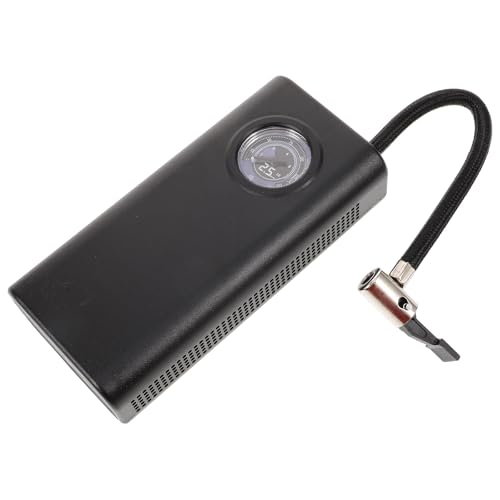
If you’re not ready to replace your car, a small plug-in device can help your current vehicle burn fuel more efficiently. The 2026 Fuel Sync Gas Saver Device plugs into your car’s port and works with gas and diesel engines to support smoother fuel use during everyday driving. It’s a low-cost option for people who want better mileage without a mechanic visit.
What Makes a Car Truly Fuel Efficient?
Fuel efficiency is not a single number. It changes with the type of driving you do. A car that gets 40 mpg on the highway might drop to 30 in stop-and-go traffic. The opposite happens with hybrids. They shine in the city because the electric motor handles the stop-start work that wastes gas in a conventional engine.
Here are the main factors that decide how much fuel a car uses:
- Weight: Every 100 pounds you remove from a car improves fuel economy by about 1–2 percent. Lighter cars simply need less energy to move.
- Aerodynamics: A boxy SUV fights the wind at 70 mph. A sleek sedan cuts through it. Drag matters most at highway speeds.
- Engine type: A turbocharged four-cylinder often beats a V6 for fuel economy. Diesels deliver strong highway numbers but cost more at the pump.
- Transmission: More gears or a continuously variable transmission (CVT) keeps the engine in its most efficient rpm range.
- Driving conditions: Cold weather, hilly terrain, and heavy traffic all hurt mileage. The EPA ratings assume ideal conditions, so your real numbers will vary.
One thing people forget: the EPA’s city and highway ratings are estimates, not promises. Real-world tests from owners often show numbers 5–10 percent lower than the sticker. That’s normal. It comes down to tire pressure, cargo weight, and how hard you press the accelerator.
The Most Fuel Efficient Cars by Category
Let’s look at the actual numbers. These are the vehicles that consistently top the efficiency charts for the 2026 and 2026 model years. Prices vary by trim, so check current listings before you commit.
| Vehicle | Type | City MPG | Highway MPG | Combined MPG |
|---|---|---|---|---|
| Toyota Prius | Hybrid sedan | 57 | 56 | 57 |
| Hyundai Ioniq 6 | Electric sedan | 153 MPGe | 127 MPGe | 140 MPGe |
| Honda Civic | Compact car | 31 | 40 | 35 |
| Toyota RAV4 Hybrid | Compact SUV | 41 | 38 | 40 |
| Ford Maverick Hybrid | Pickup truck | 42 | 33 | 37 |
| Mitsubishi Mirage | Subcompact car | 36 | 43 | 39 |
The Prius remains the king of hybrid efficiency, but it’s not the only option. The RAV4 Hybrid proves you can haul a family and still get 40 mpg combined. The Ford Maverick Hybrid is a truck that gets better city mileage than most sedans, which sounds backwards until you realize the electric motor handles all the low-speed work.
Electric vehicles like the Ioniq 6 use MPGe, which stands for miles per gallon equivalent. That number compares the energy in electricity to the energy in gasoline. EVs cost less per mile to drive, but they require charging infrastructure and have range limits. If you don’t have a home charger, a hybrid is often the more practical choice.
Hybrid vs. Plug-In Hybrid vs. Electric: Which Saves More?
People ask this all the time. The short answer: it depends on your driving patterns and access to charging. Let’s break it down.
Hybrid (HEV)
A hybrid like the Prius charges its battery through regenerative braking and the gas engine. You never plug it in. The electric motor assists during acceleration and handles low-speed driving. You get the best of both worlds—gas range with electric efficiency in the city. The downside is that highway mileage is not dramatically better than a good conventional car.
Plug-In Hybrid (PHEV)
A plug-in hybrid like the Toyota RAV4 Prime has a larger battery you charge at home. It can drive 30–40 miles on electricity alone before the gas engine kicks in. If your commute is under 30 miles, you might use almost no gas. The trade-off is a higher purchase price and the need to plug in regularly. Skip the charging and you’re hauling a heavy battery for no benefit.
Electric Vehicle (EV)
An EV costs about 3–5 cents per mile to drive, compared to 15–20 cents for a gas car. But the purchase price is higher, and you need reliable charging. Cold weather cuts EV range by 20–30 percent, which is a real concern for northern drivers. If you have a garage charger and a commute under 200 miles, an EV is hard to beat.
Here’s a quick comparison to help you decide:
- Hybrid: Best for city drivers who don’t want to think about charging. No range anxiety, no plugging in.
- Plug-in hybrid: Best for commuters with a short daily drive and occasional long trips. You get electric efficiency plus gas backup.
- Electric: Best for homeowners with a charger and predictable daily driving. Lowest per-mile cost, but the biggest upfront investment.
One honest caveat: the battery in a hybrid or EV will degrade over time. Most automakers warranty them for 8 years or 100,000 miles, but replacement costs are thousands of dollars. Factor that into your long-term budget.
Driving Habits That Improve Fuel Economy Right Now
You don’t need a new car to save gas. Small changes in how you drive can improve your mileage by 10–20 percent. Here’s what works, based on real driving data.
- Smooth acceleration: Jackrabbit starts burn up to 30 percent more fuel. Ease onto the throttle like there’s an egg under your foot.
- Maintain steady speed: Use cruise control on the highway. Every time you speed up and slow down, you waste energy.
- Check tire pressure monthly: Under-inflated tires increase rolling resistance. One tire 10 psi low can cost you 3 percent in fuel economy.
- Remove roof racks: An empty roof rack creates drag that cuts highway mileage by 5 percent. Take it off when you’re not using it.
- Combine short trips: A cold engine uses more fuel than a warm one. Run all your errands in one loop instead of several separate trips.
- Use the right fuel: Your owner’s manual recommends a specific octane. Using premium in a car that takes regular is wasted money. Using regular in a car that needs premium can damage the engine.
You might also consider a fuel stabilizer if your car sits for weeks at a time. Stale gas burns less efficiently. Check out our guide on the best fuel stabilizer if you store a vehicle seasonally.
Another overlooked factor: your fuel gauge. Many drivers let the tank run low, which forces the fuel pump to work harder and can pick up sediment from the bottom of the tank. Keeping your tank above a quarter full helps the pump stay cool and prevents debris from clogging the filter. Learn more about fuel pump maintenance to avoid expensive repairs.
Frequently Asked Questions
What is the most fuel efficient car you can buy right now?
The Toyota Prius LE holds the top spot with a combined 57 mpg rating. If you want an electric vehicle, the Hyundai Ioniq 6 and Tesla Model 3 both exceed 130 MPGe. For a non-hybrid gas car, the Mitsubishi Mirage gets 39 mpg combined, though it’s a very small car with limited power.
Do fuel-saving devices actually work?
Some do, many don’t. Simple plug-in devices that claim to “ionize” fuel or alter magnetic fields are usually gimmicks. However, devices that stabilize voltage or optimize the engine’s electronic control unit (ECU) can have a small positive effect, especially on older vehicles. The Fuel Sync device works by smoothing the electrical signal to the fuel system, which can help with consistent combustion. Realistic expectations: you might see a 5–10 percent improvement, not a 50 percent miracle.
Is it better to buy a hybrid or a regular gas car?
If you drive more than 10,000 miles a year, mostly in the city, a hybrid pays for itself in fuel savings within 3–5 years. If you drive mostly on highways or fewer than 8,000 miles a year, the higher purchase price of a hybrid may never be recouped. A conventional car with a small turbocharged engine is often the smarter buy for highway commuters.
Does premium gas improve fuel economy?
Only if your car requires it. Premium fuel has a higher octane rating, which prevents engine knock in high-compression engines. If your car is designed for regular, using premium does nothing for fuel economy. Check your owner’s manual. If it says “premium recommended” rather than “required,” you can safely use regular.
How much does idling waste fuel?
Idling burns about 0.1–0.2 gallons of fuel per hour for a typical car. That doesn’t sound like much, but if you idle for 10 minutes a day, that’s over 60 gallons a year wasted. Modern engines don’t need to warm up in cold weather—they warm up faster when you drive. Turn off the engine if you’ll be stopped for more than a minute.
What to Do With This Information
You now have the numbers and the strategies. Here’s the practical takeaway list:
- If you’re shopping, the Toyota Prius is the efficiency benchmark. Test drive one before you dismiss it—the new models look much better than the old ones.
- For SUV buyers, the RAV4 Hybrid offers the best blend of space and fuel economy in its class.
- Don’t buy an EV unless you have a home charger. Relying on public charging stations will cost you time and money.
- Check your tire pressure this week. It’s the cheapest and fastest way to improve your current car’s mileage.
- If your car is older or high-mileage, a plug-in fuel sync device might help, but keep your expectations realistic. A 5–8 percent gain is a win.
- Drive like you have a full cup of coffee on the dash. Smooth inputs save gas and reduce wear on brakes and tires.
- Track your fuel economy for two weeks. Use an app or just note your odometer readings. You can’t improve what you don’t measure.
The most fuel efficient cars are not always the ones with the highest sticker MPG. They’re the ones that match your driving style, your budget, and your willingness to maintain them. A Prius is efficient. A well-maintained older Civic is efficient too. The best car is the one you’ll actually drive smoothly and keep in good shape.
Products related to this article
Sponsored / affiliate links. As an Amazon Associate I earn from qualifying purchases. I may earn additional commission from eligible campaigns.