Do Car Tires Deflate In Cold Weather? Here’S Why
It’s that time of year again. The air outside bites, and everything seems to get a little…smaller. You notice it with your breath puffing out in white clouds.
You might see it in the slight sag of a forgotten garden hose. And then, there it is. That little orange light on your car’s dashboard.
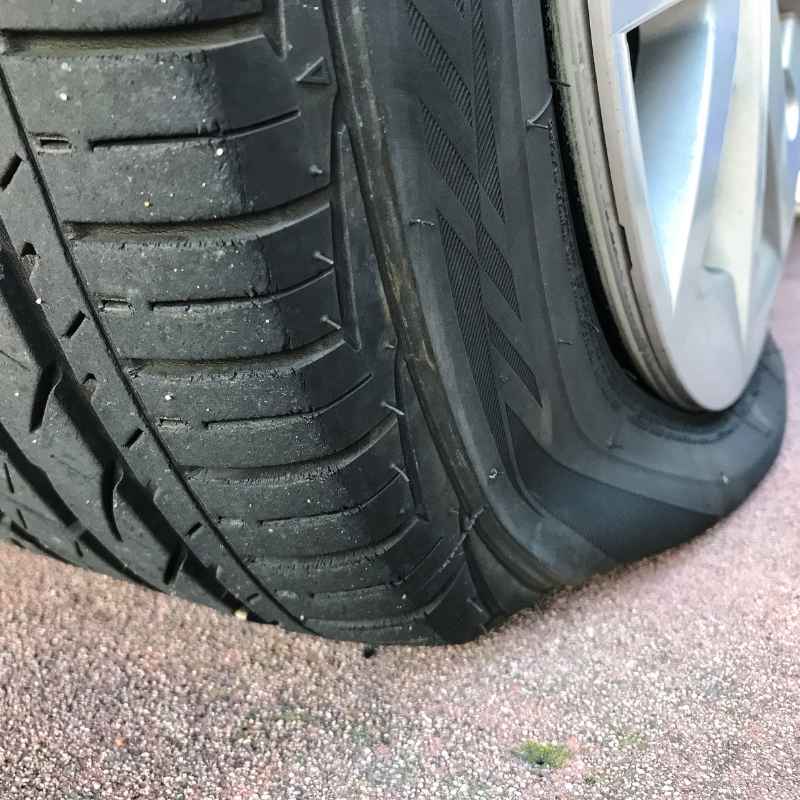
The one that tells you your tires might be a bit low. It’s a common worry: Do car tires deflate in cold weather? Yes, they often do. It can feel frustrating, especially when you’re trying to get out the door on a chilly morning.
Let’s break down exactly why this happens and what you can do about it. We’ll make sure you understand the science behind it in a way that’s easy to grasp. You’ll also learn simple steps to keep your tires properly inflated and your drives safe.
It’s a fact of physics: colder temperatures cause the air inside your car tires to contract, leading to a drop in tire pressure. This is a normal occurrence and usually means you’ll need to add a bit of air to maintain optimal pressure for safe driving.
Understanding Tire Pressure and Temperature
So, why does this happen? It all comes down to something called gas law. Think about air as tiny little balls bouncing around inside a container, like your tire.
When it’s warm, these balls have more energy. They bounce around faster and hit the sides of the container more often. This pushes outward, creating pressure.
When it gets cold, these tiny balls lose energy. They slow down. They don’t bounce as much.
This means they don’t push outward as hard. The pressure inside the tire drops.
This change in pressure is predictable. For every 10 degrees Fahrenheit the temperature drops, you can expect your tire pressure to decrease by about 1 pound per square inch (PSI). That might not sound like much, but it adds up.
If the temperature drops 30 degrees, your tires could lose 3 PSI. For a tire that needs 35 PSI, losing 3 PSI is noticeable. It’s enough to trigger that dashboard light.
This isn’t a flaw in your tires. It’s just how air and temperature behave.
Your car’s Tire Pressure Monitoring System (TPMS) is designed to alert you. It’s a safety feature. It helps you know when pressure is too low.
Low tire pressure can affect how your car handles. It can also make your tires wear out faster. And it can hurt your gas mileage.
So, while it’s a normal part of cold weather, it’s something you’ll want to manage.
My Own Cold Tire Story
I remember one winter morning a few years back. It was brutally cold. I think it was about 15 degrees Fahrenheit.
I walked out to my car, ready to head to a client meeting. As I unlocked the door, I saw it. The dreaded low-pressure light.
It was blinking insistently. My stomach dropped a little. I was already running late.
My mind raced: Did I hit something? Is there a slow leak? I pulled out my phone, checked the weather app, and then it hit me.
Of course, it’s cold! I’d forgotten about the temperature effect.
I grabbed my portable air pump and a gauge. It took me about ten minutes to add air to all four tires. It was a small hassle.
But standing there in the biting wind, watching the PSI numbers climb, I felt a sense of accomplishment. It was a good reminder. Cold weather means checking your tires.
It’s not a sign of damage. It’s just physics at work. This experience taught me to be proactive.
Now, I check my tire pressure at least once a month, especially when the seasons change.
What is Tire Pressure?
Tire pressure is the amount of air inside your car’s tires. It’s measured in pounds per square inch (PSI). It’s really important for safety and performance.
Properly inflated tires help your car handle better. They also help you stop more effectively. Plus, good tire pressure means better fuel economy.
It also makes your tires last longer. Always check the sticker on your driver’s side door jamb for the correct PSI. Don’t just use the number on the tire itself.
That number is the maximum pressure the tire can hold, not the recommended pressure for your car.
Why Air Contracts in the Cold
Let’s dive a little deeper into the science. Air is made up of molecules. These molecules are constantly moving.
In a tire, they bounce off the inner walls. This bouncing creates pressure. When the temperature drops, these molecules lose energy.
They move slower. This means they hit the tire walls less forcefully. The overall pressure goes down.
This is true for any gas. It’s a fundamental part of thermodynamics.
Imagine a balloon. If you inflate it on a warm day and then take it inside to a cool room, you’ll notice it deflates slightly. The air inside has cooled and contracted.
The same thing happens with your car tires, but on a larger scale. The air trapped inside the rubber casing is sensitive to temperature changes. The cooler it gets, the more the air molecules slow down and pack closer together.
This reduces the outward push on the tire walls. This leads to a decrease in PSI.
The material of the tire itself also plays a role, though it’s secondary to the air inside. Rubber can become more rigid in the cold. This can affect its ability to hold air perfectly.
However, the primary reason for pressure loss is the air inside. It’s the gas molecules that are most affected by temperature. Understanding this relationship helps demystify why your tires might seem to be losing air when the thermometer dips.
Cold Weather Tire Pressure Drop Chart
Factors That Influence Pressure Loss
While temperature is the main culprit, other things can play a part. The type of tires you have matters. Some tires are better at maintaining pressure in various conditions.
Tire age can also be a factor. Older tires might have tiny, almost invisible cracks in the rubber. These can allow air to escape more easily, especially when the rubber becomes less flexible in the cold.
The seals around your tire valve stems are also important. If these seals are old or damaged, they can let air out. This is especially true when the rubber contracts in the cold.
It’s like a tiny gap opening up. Even a small leak can become more noticeable when the outside temperature causes the air inside to shrink. So, a slow leak that you barely notice in summer can become a more significant problem in winter.
Road conditions also affect tire wear and tear. Hitting potholes or curbs, even at low speeds, can damage your tires or wheels. This can lead to leaks.
While not directly caused by cold, these impacts can make your tires more vulnerable when the temperature drops. It’s a combination of factors that can lead to that low-pressure light turning on.
The TPMS Warning Light Explained
Most modern cars come with a Tire Pressure Monitoring System. You’ve seen the little icon. It looks like a flat tire with an exclamation mark inside.
When this light comes on, it means the system has detected a significant drop in tire pressure. This is usually when one or more tires are at least 25% below their recommended PSI.
The TPMS is a great safety feature. It’s designed to alert you before a tire becomes critically underinflated. Underinflated tires are dangerous.
They can overheat, leading to blowouts. They also reduce your car’s ability to steer and brake effectively. So, when that light pops on, don’t ignore it.
It’s a direct signal that your tires need attention.
Sometimes, the TPMS light might come on briefly when it’s very cold. Then, it might go off later in the day if the temperature rises. This is normal.
It reflects the air contracting and expanding with temperature. However, if the light stays on, or if it comes on and off frequently, you should check your tire pressure manually. You might have a slow leak that needs fixing.
The TPMS is a guide, not a replacement for regular checks.
Myth vs. Reality: Cold Weather and Tires
| Myth | Reality |
|---|---|
| Cold weather magically makes tires leak air faster. | The cold causes the air molecules inside to slow down and contract, reducing pressure. It’s physics, not magic. |
| If the TPMS light comes on, I have a flat tire. | The light usually means pressure is at least 25% low. It could be a slow leak or just temperature-related contraction. |
| I only need to check tire pressure in the summer. | Tire pressure is affected by temperature year-round. Cold weather drops are significant. |
| Adding air in the cold is a temporary fix. | Adding air to the correct PSI is the correct fix. The pressure will fluctuate with temperature, but maintaining the right PSI is key. |
How Temperature Affects Different Tire Types
While the basic principle applies to all tires, some types might behave slightly differently. All-season tires are designed to work reasonably well in a range of temperatures. However, even they are subject to the laws of physics.
Their rubber compounds might stiffen more than dedicated winter tires in extreme cold.
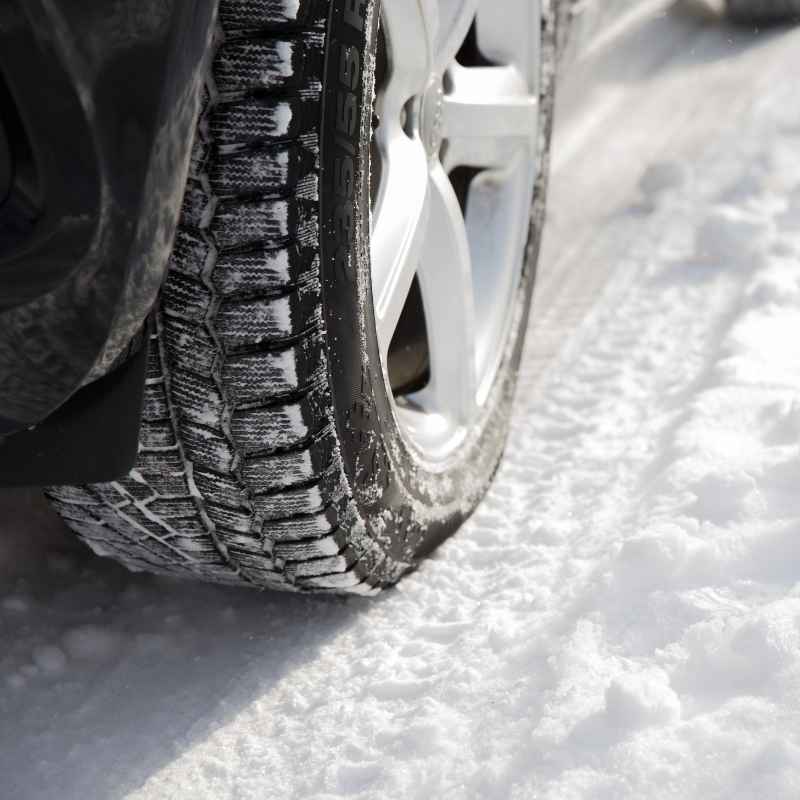
Winter tires are specifically made with rubber compounds that stay more flexible in low temperatures. This flexibility helps them maintain better contact with the road for traction. Because they stay more supple, they might be slightly less prone to the rigidity-induced air loss that can happen with older or less flexible all-season tires.
However, the air inside them still contracts. So, even winter tires will see a pressure drop.
Performance tires, often found on sports cars, use different rubber compounds. They prioritize grip at higher speeds and in dry conditions. In very cold weather, these compounds can become quite stiff.
This can make them more susceptible to pressure drops and reduced flexibility, impacting ride comfort and handling. Regardless of tire type, temperature remains the primary driver of pressure change.
Checking Your Tire Pressure Correctly
Knowing your recommended tire pressure is step one. You can find this information on a sticker inside your driver’s side door jamb. It will list the front and rear tire PSI.
It’s usually around 30-35 PSI for most passenger cars. Never use the maximum PSI listed on the tire sidewall itself. That’s the tire’s limit, not your car’s recommendation.
You’ll need a reliable tire pressure gauge. These are inexpensive and widely available at auto parts stores or even large retailers. Digital gauges are often easiest to read.
Make sure your tires are cold when you check them. This means the car hasn’t been driven for at least three hours. Or, it has been driven less than a mile at a moderate speed.
To check, unscrew the valve cap on one tire. Firmly press the gauge onto the valve stem. You’ll hear a slight hiss of air.
The gauge will then show you the current PSI. If it’s low, you’ll need to add air. Most gas stations have air pumps.
You can also use a portable air compressor if you have one. Add air in short bursts, checking the pressure frequently with your gauge until you reach the recommended PSI.
Quick Guide: Adding Air to Your Tires
Look on the sticker inside your driver’s side door jamb.
Use a reliable tire pressure gauge.
Use a gas station pump or portable compressor. Add in short bursts.
Continue adding air until you reach the recommended PSI.
This keeps dirt and moisture out.
When to Worry About Tire Pressure
A small, predictable drop in tire pressure when it gets cold is normal. You should worry if the pressure drop is sudden or excessive. If you have to add air every few days, it’s likely you have a leak.
This could be a nail in the tread, a faulty valve stem, or damage to the wheel rim.
Also, keep an eye on your tires even when it’s cold. Look for any visible signs of damage. Are there bulges or cracks in the sidewall?
Is the tread unevenly worn? These are signs that your tires might be compromised and need professional inspection. Driving on damaged tires is very dangerous.
It puts you at risk of a blowout.
The TPMS is a helpful tool, but it’s not perfect. If you notice your car is pulling to one side, or if the steering feels off, check your tire pressure immediately. Don’t rely solely on the dashboard light.
Your own senses are important. A trained eye can spot potential issues before the TPMS even registers them. If you’re ever unsure, it’s always best to visit a tire shop.
They can inspect your tires and wheels thoroughly.
Quick Tips for Cold Weather Tire Care
Here are some simple things you can do to stay on top of your tire pressure during the colder months. Make these part of your routine. They take only a few minutes but can make a big difference in safety and your car’s performance.
- Check pressure regularly: Aim for at least once a month. Check more often during significant temperature swings.
- Use a good gauge: Invest in a quality tire pressure gauge. It gives you accurate readings.
- Know your PSI: Always refer to your car’s recommended PSI, not the tire’s max PSI.
- Inspect visually: Look for any damage, bulges, or embedded objects in your tires.
- Consider winter tires: If you live in an area with harsh winters, winter tires offer superior traction and safety.
- Don’t forget the spare: Your spare tire also needs to be properly inflated. It’s no good if you need it and it’s flat.
- Clean valve stems: Make sure valve caps are on and clean. This prevents grit from damaging the seal.
Frequently Asked Questions About Cold Weather Tire Pressure
Why does my TPMS light come on when it gets cold?
When the outside temperature drops, the air inside your tires cools down. As air cools, its molecules move slower and take up less space. This causes the pressure inside the tire to decrease.
If the pressure drops by about 25% or more, your car’s Tire Pressure Monitoring System (TPMS) will activate the warning light.
How much does tire pressure typically drop in cold weather?
A good rule of thumb is that for every 10 degrees Fahrenheit the temperature falls, you can expect about a 1 PSI drop in tire pressure. So, if the temperature drops 30 degrees, your tires could lose around 3 PSI.
Is it safe to drive with low tire pressure in the cold?
Driving with significantly low tire pressure is not safe. Underinflated tires can cause poor handling, longer braking distances, reduced fuel efficiency, and increased tire wear. They can also overheat, leading to a dangerous blowout.
It’s important to maintain the recommended tire pressure.
How often should I check my tire pressure in winter?
It’s best to check your tire pressure at least once a month. However, during periods of drastic temperature changes, you might want to check them more often, perhaps weekly. Keeping an eye on it after the first cold snap is especially important.
What is the difference between the recommended PSI and the max PSI on a tire?
The recommended PSI is the ideal air pressure for your specific vehicle, found on the sticker inside your driver’s side door jamb. This PSI ensures optimal performance, handling, and tire wear. The max PSI, found on the tire sidewall, is the maximum pressure the tire can safely hold, not the recommended pressure for your car.
Can I just add air when the TPMS light comes on, or should I check all tires?
You should always check the pressure in all four tires when the TPMS light comes on. The system is designed to alert you when any tire is significantly underinflated. While one tire might be the primary cause, temperature changes affect all tires, and it’s good practice to ensure they are all at the correct pressure.
Conclusion
It’s perfectly normal for car tires to deflate in cold weather. This happens because the air inside them contracts when it gets cold. It’s a simple matter of physics.
While this can trigger your TPMS light, it doesn’t mean your tires are damaged. Taking a few minutes to check and add air can keep you safe and your car running efficiently. Regular checks are your best bet for peace of mind on chilly days.
Products related to this article
Sponsored / affiliate links. As an Amazon Associate I earn from qualifying purchases. I may earn additional commission from eligible campaigns.