What Amp Should A Car Battery Be Charged At? Safe Guide
For most standard car batteries, charging at 10% of the battery’s amp-hour (Ah) rating is a good starting point. For a typical 50 Ah battery, this means about 5 amps. However, many modern smart chargers adjust automatically. Always check your battery and charger manual for specific recommendations.
Understanding Car Battery Charging Amps
When we talk about charging a car battery, the “amp” refers to amperage. Amperage is the rate at which electrical current flows. Think of it like the speed of water flowing through a pipe.
A higher amp number means more electrical current is going into the battery at any given moment.
Car batteries are rated in amp-hours (Ah). This tells you how much power the battery can deliver over time. A 50 Ah battery, for example, could theoretically deliver 1 amp for 50 hours, or 5 amps for 10 hours.
This rating is important because it helps us figure out a safe charging rate.
Charging too fast, with too many amps, can actually hurt your battery. It’s like trying to fill a delicate glass with a fire hose. It can cause the battery to overheat.
It can also damage the internal plates. This leads to a shorter battery life. On the other hand, charging too slowly might take a very long time.
Why Amperage Matters for Battery Health
The goal of charging is to replenish the energy your battery has lost. You want to do this without causing any damage. The right amperage is key to this balance.
It ensures the charging process is effective and safe for the battery’s internal components.
Batteries have a specific capacity, usually measured in amp-hours. A general rule of thumb is to charge at a rate that is about 10% of the battery’s amp-hour rating. So, if you have a battery rated at 50 Ah, a charge rate of around 5 amps is often recommended.
This 10% rule is a good starting point. It allows the battery to accept the charge steadily. It also helps to avoid generating excessive heat.
Heat is the enemy of batteries. It can warp internal parts and break down the battery’s chemicals.
Personal Experience: The Overheated Battery Scare
I remember one particularly cold morning a few years back. My car wouldn’t start. I was already running late for a big meeting.
I pulled out my old battery charger. It had a dial for different amp settings. I just cranked it up to the highest setting, thinking “faster is better.”
I plugged it in and went to make some coffee. After about 15 minutes, I heard a faint hissing sound coming from the garage. A little whiff of something sharp and unpleasant, like rotten eggs, tickled my nose.
I hurried out there, and the battery was visibly hot. It was even bulging slightly on the sides. Panic set in.
I quickly unplugged the charger and let the battery cool down for hours. Thankfully, it didn’t explode, but that experience taught me a huge lesson about respecting battery charging limits.
What Amp Should a Car Battery Be Charged At?
For most standard 12-volt automotive batteries, a charging rate between 1 to 10 amps is generally considered safe. However, the ideal amperage depends on several factors:
Understanding Charging Amperage
Typical Range: 1 to 10 amps for most car batteries.
The 10% Rule: A common guideline is to charge at 10% of the battery’s amp-hour (Ah) rating. For a 50 Ah battery, this means a 5-amp charge.
Battery Type: Different battery chemistries (like lead-acid, AGM, gel) may have specific requirements.
Older batteries might benefit from a slower charge. This is often around 2-4 amps. Newer batteries, especially those designed for faster charging, might handle up to 10 amps.
It’s crucial to consult your battery’s manual for its specific recommendations.
Modern battery chargers, often called “smart chargers” or “trickle chargers,” are designed to be very user-friendly. They automatically detect the battery’s voltage and health. They then adjust the amperage accordingly.
These chargers are excellent because they prevent overcharging and overheating.
How Different Chargers Work
There are a few types of battery chargers you might encounter. Each has its own way of delivering power. Understanding these can help you choose the best one for your needs.
Types of Battery Chargers
Trickle Chargers: These provide a very low and constant charge. They are good for maintaining a battery’s charge over long periods. They typically output 1-2 amps.
Smart Chargers: These are the most advanced. They monitor the battery’s state and adjust charging speed. They often have multiple stages of charging.
They can bring a dead battery back to life safely.
Manual Chargers: These allow you to set the amperage manually. They require more attention from the user to avoid damage. They are best suited for experienced users.
If you have a manual charger, it’s wise to start with a lower amperage setting. You can always increase it if needed. For most people, a smart charger is the easiest and safest option.
They take the guesswork out of the process.
Factors Influencing Charging Amperage
The ideal amperage isn’t a one-size-fits-all number. Several things affect how your battery should be charged. Thinking about these will help you make a better choice.
Key Charging Factors
- Battery Age: Older batteries are more fragile. They need gentler charging.
- Battery Condition: A deeply discharged battery might need a slightly higher initial charge. However, it still needs careful monitoring.
- Battery Type: AGM and Gel batteries have different charging needs than standard flooded lead-acid batteries.
- Ambient Temperature: Very cold or very hot temperatures can affect charging.
For instance, charging a battery in freezing cold weather is different from charging it on a hot summer day. Extreme temperatures can make the battery more susceptible to damage from incorrect charging. Always try to charge your battery in a moderate temperature environment if possible.
When Is It Okay to Charge at a Higher Amperage?
In some very specific situations, a slightly higher amperage might be used, but this is usually managed by a smart charger. For instance, some chargers use a higher amperage in the initial “bulk” charging phase. This is when the battery is most discharged.
The charger then automatically reduces the amperage as the battery’s state of charge increases. This multi-stage charging process is very efficient. It also protects the battery from damage.
If you’re using a manual charger, it’s almost always best to err on the side of caution.
Charging at a rate that is too high can lead to what’s called “gassing.” This is when the battery produces hydrogen gas. This gas is highly flammable. It can also cause internal damage and reduce the battery’s lifespan.
This is why following recommended amperage is so important.
The Dangers of Overcharging
Overcharging is a serious risk. It happens when a battery receives too much current for too long. It can cause significant damage.
As mentioned before, it creates excessive heat. It can also lead to the battery plates being damaged or corroded.
One of the most dangerous outcomes of overcharging is the production of hydrogen gas. If this gas builds up in an enclosed space, it can explode if it encounters a spark. This is why charging in a well-ventilated area is always advised.
It’s a safety precaution you should never skip.
Signs of overcharging include a hot battery, a strong sulfuric smell, and even visible damage like bulging or leaking. If you notice any of these, stop charging immediately. Disconnect the charger and the battery.
Seek professional advice.
Signs Your Battery Needs Charging
How do you know your car battery needs a charge? There are usually clear signs. Paying attention to these will save you from being stranded.
Battery Low Signs
Slow Engine Crank: The engine sounds sluggish when you try to start it.
Dim Lights: Headlights, interior lights, or dashboard lights appear dimmer than usual.
Clicking Sound: You hear a rapid clicking sound when you turn the key, but the engine doesn’t turn over.
Warning Lights: The battery warning light on your dashboard illuminates.
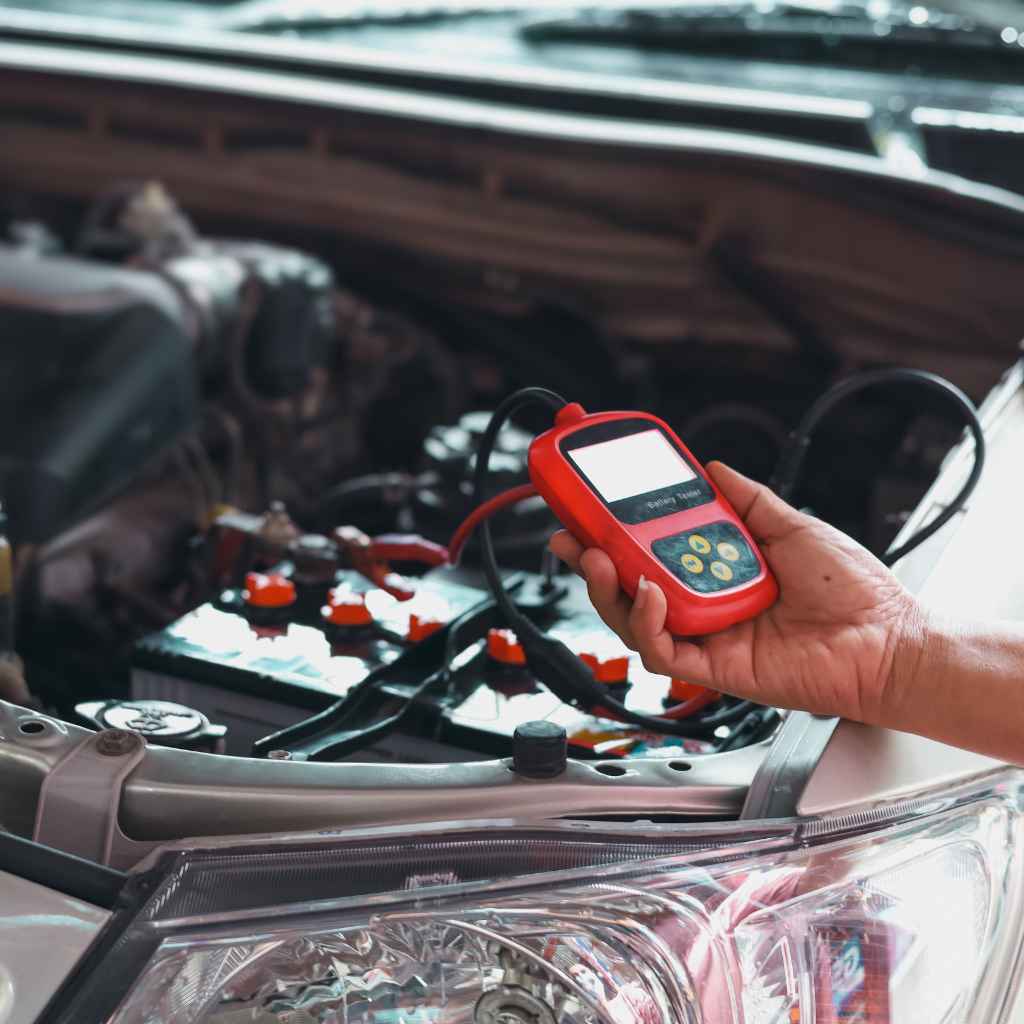
If you experience any of these symptoms, it’s time to check your battery. It might need a charge or it could be nearing the end of its life. A battery tester can help you determine its overall health.
How to Check Your Battery’s Amp-Hour Rating
Finding your battery’s amp-hour (Ah) rating is usually straightforward. Look for a label on the battery itself. It might be printed on the side or top.
The label might say something like “50 Ah” or “70 Ah.” Sometimes, it’s listed as “Reserve Capacity” (RC) in minutes. If you can’t find it directly on the battery, check your car’s owner’s manual. The manual will often list the original battery specifications.
If you’re still unsure, you can often find the specifications online by searching for your car’s make, model, and year. Many auto parts stores also have databases that can help you identify the correct battery details.
Using a Smart Charger Effectively
Smart chargers are designed to be incredibly user-friendly. They take most of the guesswork out of charging. Here’s how to use one:
Smart Charger Steps
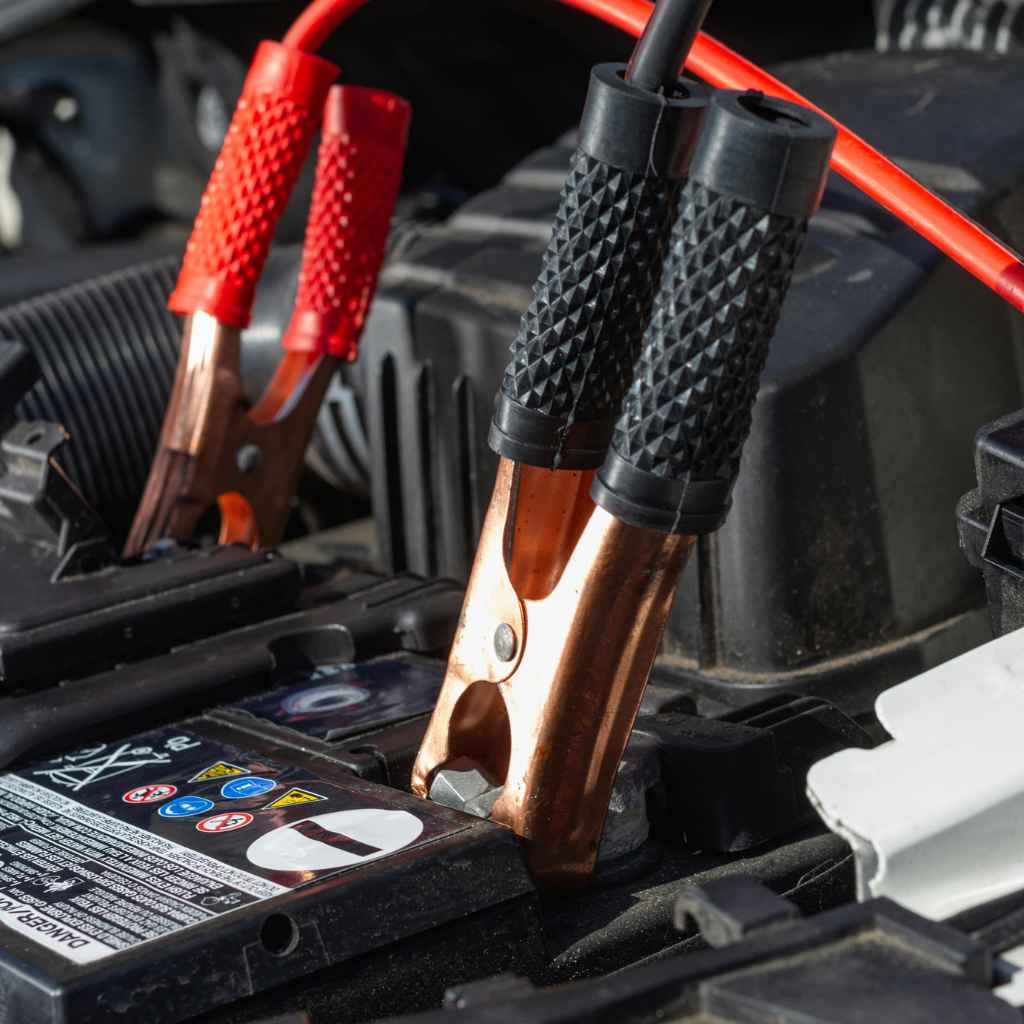
Step 1: Connect Safely Connect the charger’s positive (+) clamp to the battery’s positive terminal. Connect the negative (-) clamp to a good ground point on the car’s chassis, away from the battery.
Step 2: Plug In Plug the charger into a power outlet.
Step 3: Let It Work The charger will analyze the battery and begin charging. It will usually indicate when charging is complete or if it’s in maintenance mode.
Step 4: Disconnect Safely Once charging is complete, unplug the charger from the outlet first. Then, disconnect the negative clamp, followed by the positive clamp.
Smart chargers often have different modes for various battery types. Make sure you select the correct mode if your charger offers options. For example, AGM batteries require a slightly different charging profile than standard flooded batteries.
When to Seek Professional Help
While charging a car battery is often a DIY task, there are times when you should call in the experts. If you’re unsure about any step, or if your battery shows signs of serious damage, it’s best to get professional advice.
An auto repair shop or a battery specialist can test your battery properly. They can determine if it needs charging,
Also, if your car battery is very old (typically 3-5 years) and failing to hold a charge, it might be time for a new one. A technician can help you choose the right replacement battery for your vehicle.
Maintaining Your Car Battery
Proper charging is part of battery maintenance, but there are other things you can do. Regular maintenance can extend the life of your battery. It also helps ensure your car starts reliably.
Battery Maintenance Tips
Keep Terminals Clean: Corrosion on the terminals can interfere with electrical flow. Clean them with a wire brush and a mixture of baking soda and water.
Check for Damage: Regularly inspect the battery case for cracks or leaks.
Secure Mount: Ensure the battery is securely fastened in its mount. A loose battery can be damaged by vibrations.
Avoid Frequent Short Trips: Short trips don’t allow the alternator to fully recharge the battery. If possible, take longer drives periodically.
Think of your battery like any other part of your car. A little regular care goes a long way. It can save you money and hassle down the road.
Frequently Asked Questions
What does “charging at 10% of the amp-hour rating” mean?
It means you should set your charger’s output to 10% of your battery’s total amp-hour (Ah) capacity. For example, a 60 Ah battery would be charged at 6 amps (60 x 0.10 = 6).
Can I charge a car battery indoors?
Yes, but always ensure the area is well-ventilated. Charging produces hydrogen gas, which is flammable. Avoid charging near open flames or sparks.
Many modern chargers are designed for indoor use with safety features.
How long does it take to charge a car battery?
This varies greatly. A full charge can take anywhere from 4 to 24 hours, depending on the battery’s condition, its capacity, and the charger’s amperage. Smart chargers often have indicator lights to show progress.
What is the difference between a trickle charger and a smart charger?
A trickle charger provides a constant, low-level charge, ideal for maintenance. A smart charger is more advanced, analyzing the battery and adjusting its charging rate through multiple stages for optimal charging and battery health.
Is it bad to charge a car battery with the engine running?
No, you should never try to charge a car battery with the engine running using an external charger. The car’s alternator is designed to maintain the battery’s charge while the engine is running. External chargers are for when the battery is discharged and the car is off.
My battery died again after charging. What could be wrong?
This could mean the battery is old and can no longer hold a charge, or there’s an issue with your car’s charging system (like a faulty alternator) or a parasitic draw draining the battery. A mechanic can help diagnose this.
Final Thoughts
Understanding the right amperage for charging your car battery is crucial. It helps keep your battery healthy and your car running. Most modern chargers do a great job on their own.
Just remember to check your battery’s manual. Safety first is always the best approach.
Products related to this article
Sponsored / affiliate links. As an Amazon Associate I earn from qualifying purchases. I may earn additional commission from eligible campaigns.