What Cars Do Red Bull Use? Essential Insights for F1
Red Bull Racing runs a Red Bull-built RB-series Formula 1 chassis, and the engine supply is said to change from Honda RBPT to Red Bull Powertrains-Ford for 2026. Mix up the team name, the car, and the power unit, and you get the wrong answer fast. This guide separates the chassis, engine supplier, and branding, then explains what changes for 2026.
What cars do Red Bull use in Formula 1?
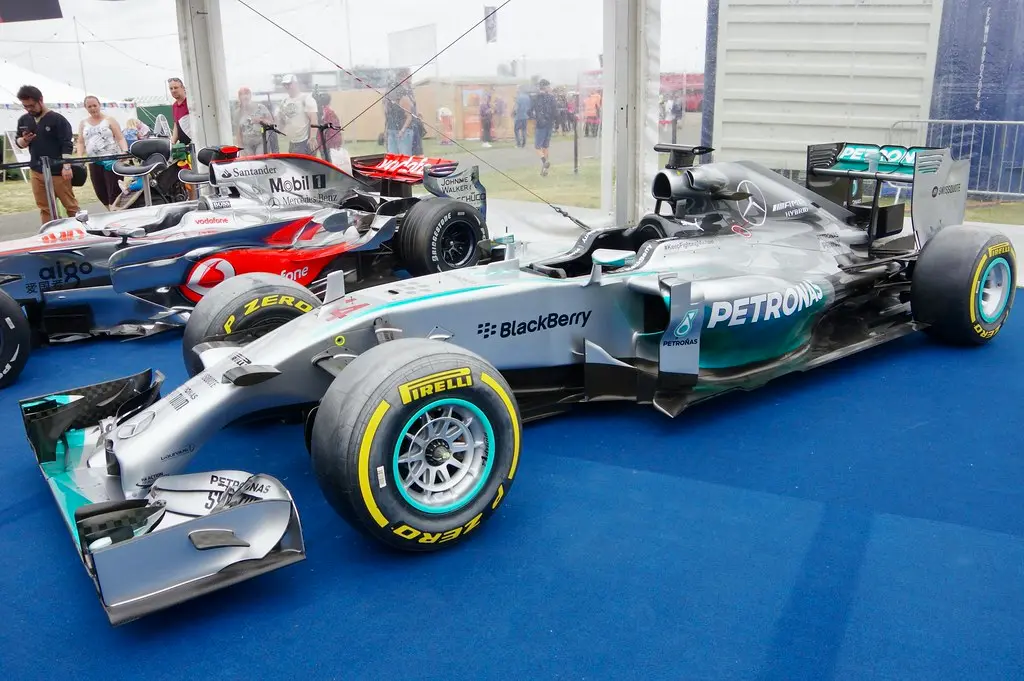
Red Bull uses Formula 1 race cars, not road cars: a team-built chassis paired with a separate power unit package. The current car line is the RB21, and the team’s identity is Oracle Red Bull Racing. The energy-drink brand sits behind the team, but it is not a car maker. (en.wikipedia.org)
Why the search often mixes up the team, the car, and the brand
People search “What cars do Red Bull use?” because the brand is everywhere on TV and social media. That leads to three different things getting blurred together: Oracle Red Bull Racing, Red Bull Powertrains, and Honda’s role in recent engine supply. Only one of those is the race team.
Say your question is about a Grand Prix entry sheet. Then the answer is a chassis name, a power unit supplier, and a driver pairing. Say your question is about road cars. Then Red Bull is mostly a sponsor, not a manufacturer with a showroom range.
What is Oracle Red Bull Racing?
Oracle Red Bull Racing is the Formula 1 team. It is not the same thing as Red Bull the drinks company, and it is not a road-car brand. The team fields the cars, signs the drivers, and races under Red Bull’s motorsport banner. (en.wikipedia.org)
How the race car naming convention works
Red Bull’s cars appear to follow an RB naming pattern, with models such as RB19, RB20, and RB21. That number identifies the chassis generation, not the engine maker. The car you see on a race weekend is usually referred to by the team name, the chassis code, and the driver number if you want a specific entry.
What engine does Red Bull Racing use?
Red Bull Racing has used Honda-based power units in the current era, with the supply branded as Honda RBPT in recent seasons. From 2026, Red Bull Powertrains-Ford is expected to become the new engine path. The direct point is this: the chassis and the power unit are separate pieces of the package. (en.wikipedia.org)
Honda’s current and recent role
Honda supplied the hybrid power unit architecture that helped Red Bull through the current competitive run. The Honda name stayed visible even after Honda’s formal factory-team commitment shifted, because the company remained technically involved and its intellectual property still mattered in the transition period.
What the post-2025 power unit change means
The 2026 rules reset is a big deal because it changes both the technical formula and the partner map. Red Bull Powertrains is taking a larger in-house role, while Ford returns to Formula 1 as the branding and technical partner on the power unit side. That is a new arrangement, not a continuation of the old one.
What car does Max Verstappen drive?
Max Verstappen drives the Red Bull Racing Formula 1 car assigned to his race number, typically car 1 since he is the reigning champion in recent seasons. On the timing screens and official documents, that entry is the team’s RB-series chassis with the same core package as the other Red Bull seat.
Why both Red Bull cars are usually the same spec
F1 teams normally run the same chassis specification for both drivers, with setup choices adjusted for each weekend. The second car is not a different model by default. Sergio Perez, in the recent Red Bull driver structure, was in the sister car rather than a separate machine.
Race-weekend naming in plain English
On a weekend entry list, Verstappen’s car may be labeled as the Red Bull Racing RB21 with his race number attached. The second car carries the same team and chassis identity, with only the driver name changing. Fans see one superstar driver and assume he has a one-off car.
What is the difference between Red Bull Racing and Red Bull Powertrains?
Red Bull Racing is the race team that builds and runs the Formula 1 car. Red Bull Powertrains is the power unit operation that develops, assembles, and manages the engine side of the project. They are related, but they do different jobs.
What Red Bull Racing does
Red Bull Racing handles the chassis, aerodynamics, race operations, strategy, pit stops, and the car’s overall integration. In practical terms, that means everything you see at trackside except the engine itself and the supplier relationship behind it.
What Red Bull Powertrains does
Red Bull Powertrains exists to control more of the engine program in-house. That matters because Formula 1 power units are tightly regulated, expensive to develop, and difficult to source on equal terms from outside suppliers. The goal is technical control before the 2026 formula lands.
How partner manufacturers fit into the picture
Partner manufacturers are not the race team. They can contribute branding, technical input, or official supply support. Honda and Ford sit in that category at different points in Red Bull’s recent story, but neither one is the same entity as Oracle Red Bull Racing.
Does Red Bull use Honda engines?
Yes, Red Bull has used Honda power units in the modern hybrid era, and Honda remains central to the team’s recent engine story. The current and recent supply has carried Honda branding through the Honda RBPT arrangement, but that role changes after 2025 as Red Bull shifts to its new power unit setup.
What changed after Honda’s factory exit
Honda stepped back from being the headline factory partner, but the technical relationship did not vanish overnight. That is why many fans still say “Honda engine” when they mean Red Bull’s recent power unit package. The shorthand is understandable, but it is not the full organizational picture.
What 2026 changes
From 2026, the relevant name is Red Bull Powertrains-Ford. That matters because the chassis concept, power unit packaging, fuel, battery deployment, and cooling philosophy all have to fit the new regulations. The old Honda-based setup will no longer define the car.
What chassis does Red Bull use in Formula 1?
Red Bull uses an RB-series Formula 1 chassis, with the RB21 as the current-designation car in the recent cycle. The chassis is the physical race car without the separate engine supplier story attached. It is the aerodynamic and mechanical platform the team designs around.
What the RB21 concept is built to do
The RB21 follows Red Bull’s recent philosophy: efficient airflow management, strong downforce, and packaging that leaves room for the hybrid system and cooling hardware. In Formula 1, that packaging matters as much as raw power because every duct, radiator, and bodywork surface affects the lap time.
Why the power unit packaging matters
A power unit is not only an engine. It also affects fuel tank shape, cooling requirements, electrical deployment, and the rear of the chassis. Red Bull’s job is to make the car work around the supplier’s hardware while keeping the car narrow, stable, and fast through corners.
What road cars does Red Bull own or sponsor?
Red Bull is best known for sponsoring motorsport, not for making road cars. If someone asks this question, they often mean the F1 team, but the actual answer is that Red Bull Racing is a racing operation backed by a beverage company, not a conventional automotive brand.
Why the road-car question comes up
Branding is the trap. Red Bull appears on racing liveries, junior programs, and special projects, so readers sometimes assume there must be a Red Bull street-car lineup. There isn’t a mainstream Red Bull road-car range tied to this F1 question.
What to check instead if you meant a car company
If the goal is to find a specific road car with Red Bull branding, look for a special-edition tie-in or a sponsor logo on another manufacturer’s vehicle. That is very different from asking which car Red Bull Racing runs in Formula 1.
Red Bull F1 car and engine timeline
Red Bull’s recent F1 story runs from customer engines to the Honda era and then into a new in-house power unit direction for 2026. What changed most often was the engine partnership. What stayed the same was the team’s chassis-first identity and the RB naming pattern.
- Early Red Bull Racing seasons used customer engines from established suppliers.
- The hybrid era brought a closer technical link to Renault, then a shift away from that partnership.
- Honda became the key power unit partner in the modern competitive run.
- Red Bull Powertrains was created to bring more of the engine work in-house.
- Ford enters the picture for 2026, when the new regulations make the power unit reset matter most.
Picture a fan who only remembers the livery. They may ask, “Is it a Honda car or a Red Bull car?” The correct answer is both and neither: Red Bull runs the car, Honda has supplied the power unit in the recent era, and the chassis name tells you which generation of race car it is.
What changes as the regulations reset
The 2026 formula changes the balance between combustion power, electrical deployment, and efficiency targets. That is why Red Bull’s move to Red Bull Powertrains-Ford matters so much. The team is not simply swapping logos, it is adapting to a new technical rulebook.
Comparison table: Red Bull chassis, power unit, and drivers by season
| Season | Chassis, power unit, and drivers | What changed |
|---|---|---|
| 2021 |
Chassis: RB16B Power unit: Honda RBPT Drivers: Max Verstappen, Sergio Perez |
Honda-backed hybrid package became central to Red Bull’s title push. |
| 2022 |
Chassis: RB18 Power unit: Honda RBPT Drivers: Max Verstappen, Sergio Perez |
New ground-effect rules changed the car, but the driver pairing stayed the same. |
| 2023 |
Chassis: RB19 Power unit: Honda RBPT Drivers: Max Verstappen, Sergio Perez |
The chassis concept evolved, while the power unit relationship stayed familiar. |
| 2024 |
Chassis: RB20 Power unit: Honda RBPT Drivers: Max Verstappen, Sergio Perez |
The car moved to a more aggressive aero direction; Honda branding remained in place. |
| 2025 |
Chassis: RB21 Power unit: Honda RBPT for the current cycle Drivers: Max Verstappen, second seat context varies by season |
The chassis name changed again, while the engine story still carried the Honda-era link before 2026. |
| 2026 |
Chassis: New RB-series car under the 2026 rules Power unit: Red Bull Powertrains-Ford Drivers: Team lineup subject to the season’s confirmation |
The biggest reset is the power unit partnership and the new technical formula. |
Frequently asked questions
What cars do Red Bull use?
Red Bull uses Formula 1 race cars, not road cars. The team’s current chassis line is the RB-series, with the RB21 naming the latest generation in the recent cycle. The car is built as a chassis-and-power-unit package for Grand Prix competition, not as a consumer vehicle.
What engine does Red Bull Racing use?
Red Bull Racing has used Honda-linked hybrid power units in the recent era, carried under the Honda RBPT name. That arrangement applies to the current cycle before the 2026 reset. From 2026, the team moves to Red Bull Powertrains-Ford, which is a different supplier setup.
Who supplies Red Bull’s F1 power unit?
For the recent hybrid era, Honda has been the key power unit supplier and technical partner behind the Red Bull package. The important distinction is that Red Bull Racing runs the car, while the power unit side comes from the separate engine program. The 2026 supply arrangement changes to Red Bull Powertrains-Ford.
What car does Max Verstappen drive?
Max Verstappen drives Red Bull Racing’s RB-series Formula 1 car, identified by the current chassis code and his race number on weekend entry lists. In practical terms, that means the team’s car with Verstappen in the cockpit, built to the same base spec as the other Red Bull seat unless a race weekend update changes the package.
What is the difference between Red Bull Racing and Red Bull Powertrains?
Red Bull Racing is the team that designs the chassis, races the car, and manages strategy. Red Bull Powertrains is the engine-side operation, focused on power unit development and integration. They work together, but they are not the same organization and do not do the same job.
Does Red Bull use Honda engines?
Yes, Red Bull has used Honda-related power units in the current era, and Honda remains part of the recent engine story. The relationship matters through the current cycle, but it does not continue in the same form after 2025. The next chapter is Red Bull Powertrains-Ford.
What road cars does Red Bull own or sponsor?
Red Bull is primarily a sponsor and racing operator, not a road-car manufacturer with a consumer lineup. If someone is asking about road cars, they are usually mixing up the F1 team with the broader Red Bull brand. The Formula 1 answer is separate from any street-car branding or special edition tie-in.
Products related to this article
Sponsored / affiliate links. As an Amazon Associate I earn from qualifying purchases. I may earn additional commission from eligible campaigns.
![iPhone Car Charger,USB C Fast Car Charger[Apple MFi Certified] Apple Car Charging 38W Dual Port CarCharger Cigarette Lighter Adapter 2x3ft PD&QC 3.0 Lightning Cable for iPhone 14/13/12 Pro/11/Airpods](https://m.media-amazon.com/images/I/41XizrssoiL._SL500_.jpg)