
Do You Put Gas In A Hybrid Car? Yes, Here’S Why
Yes, you do put gas in a hybrid car. Most hybrids use gasoline to power a traditional internal combustion engine. This engine can either directly drive the car or charge a battery. The battery then powers an electric motor to assist or even fully drive the car. This combination helps save fuel.
How Your Hybrid Car Works: More Than Just Electric
Understanding your hybrid car starts with knowing its dual nature. It’s not just an electric car that happens to have a gas tank. Instead, it’s a smart blend of two power sources working together.
This partnership is what makes hybrids so efficient.
Most hybrid vehicles have two main power systems. One is a gasoline engine, just like in a regular car. The other is an electric motor powered by a battery pack.
These two systems are controlled by a computer. This computer decides which motor to use or how to combine them.
The goal is always to use energy wisely. This means using the electric motor when it’s most efficient. That’s often at lower speeds or when starting from a stop.
The gasoline engine kicks in when you need more power. This could be at higher speeds or when climbing hills. It also helps recharge the battery when it gets low.
Think of it like having two helpers. One is super strong but gets tired quickly. The other is steady and can go for a long time.
You use the strong one for short bursts of work. You use the steady one for longer tasks. Your hybrid car’s computer is the smart manager deciding who does what.
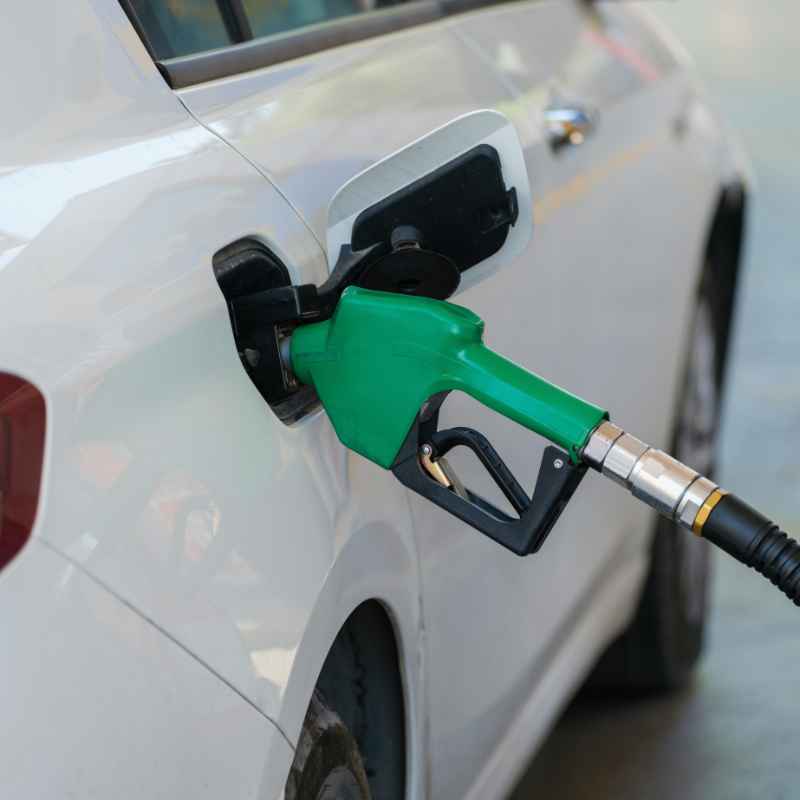
The Gas Tank’s Role: It’s Crucial
So, where does the gasoline fit into this picture? The gas tank is essential for the gasoline engine. This engine is a core part of most hybrid systems.
It’s not just there as a backup. It plays an active role in how your car runs and recharges.
The gasoline engine serves several key functions. First, it provides power. When you accelerate hard, the gas engine often works alongside the electric motor.
This gives you the power you need. It’s like both helpers working together for a big push.
Second, it recharges the battery. When the battery’s charge gets low, the gasoline engine can run a generator. This generator then sends power to the battery.
This process is vital. It ensures your electric motor always has enough energy to assist or drive the car.
Third, it can directly power the wheels. In some situations, especially at higher speeds, the gasoline engine might be the primary source of power. It can directly turn the wheels.
This is more efficient at highway speeds than relying solely on the electric motor.
Without gasoline, the gasoline engine cannot run. If the engine can’t run, it can’t help recharge the battery. It also can’t provide extra power when needed.
This would significantly limit your hybrid car’s performance and its ability to operate as designed.
Why You Can’t Just Rely on Electric Charging
Many people ask if they can just charge their hybrid like an electric car and skip the gas. For most standard hybrids, the answer is no. Plug-in hybrids (PHEVs) are a bit different, but we’ll get to that.
Standard hybrids have a battery that is designed to be charged by the gasoline engine and regenerative braking. Regenerative braking is a clever system. When you slow down, the electric motor acts like a generator.
It captures energy that would normally be lost as heat. This energy then goes back into the battery.
However, this charging system has limits. It can’t always keep the battery fully charged, especially if you do a lot of driving. Long highway trips, for example, use a lot of energy.
The gasoline engine needs to be ready to step in and provide that energy.
If you ran out of gas, the gasoline engine would stop. The car would then rely solely on the battery’s remaining charge. Once that charge is depleted, the car would likely stop running.
It wouldn’t be able to move forward.
So, while hybrids offer electric driving, that electric power is a supplement. It’s an enhancement to the gasoline engine, not a complete replacement for it in most cases.
Hybrid Car Charging: What’s Really Happening
Standard Hybrids:
- Battery charged by gasoline engine.
- Battery charged by regenerative braking.
- No external plug-in charging needed.
Plug-in Hybrids (PHEVs):
- Can be plugged in to charge a larger battery.
- Can drive longer distances on electric power alone.
- Still have a gasoline engine for extended range.
- Require gasoline for when the electric charge runs out or for more power.
My Own “Uh-Oh” Moment with My First Hybrid
I remember my first hybrid. It was a shiny sedan, and I was so proud of its fuel economy. I’d heard all about how I’d barely visit the gas station.
For the first few weeks, I barely did. I’d see the gas gauge barely move.
Then, one weekend, I decided to take a spontaneous road trip. I was visiting a friend about three hours away. I looked at the gas gauge, which was still showing pretty full.
I thought, “Plenty of gas for that short trip.” I completely forgot about the engine part of the hybrid.
About halfway there, I was cruising on the highway. The car suddenly felt… sluggish. The engine seemed to be working harder, and the electric assist wasn’t as strong.
I started to feel a little worried. The dashboard lights hadn’t warned me about low fuel, but something felt off.
I finally looked down at the fuel gauge properly. It was much lower than I’d thought. I realized then that the gas engine was a crucial part of my journey.
It wasn’t just a little helper; it was the workhorse for highway miles and recharging. I had to find a gas station, and fast. It was a humbling lesson in understanding how these amazing cars truly function.
Understanding Different Types of Hybrids
It’s important to know that not all hybrids are the same. The way they use gasoline can vary quite a bit. This is mainly between standard hybrids and plug-in hybrids (PHEVs).
Standard Hybrids (HEVs)
These are the most common type. Think of cars like the Toyota Prius or the Honda Insight. They have a gasoline engine and an electric motor — see our related guide, Honda Insight EX vs LX: Which Trim Should You Buy?.
The battery in these cars is relatively small.
The car’s computer manages everything. It will use electric power for short trips, starting from a stop, or when coasting. When you need more power, or when the battery is low, the gas engine turns on.
It also charges the battery through regenerative braking and by running a generator.
You do not plug these cars in to charge them. They are designed to be fully self-sufficient. They rely on gasoline to keep the system running and the battery topped up.
Plug-In Hybrid Electric Vehicles (PHEVs)
PHEVs are a step closer to being fully electric. They have a larger battery pack than standard hybrids. This larger battery allows them to travel a significant distance on electric power alone.
This range can be anywhere from 20 to 50 miles or even more.
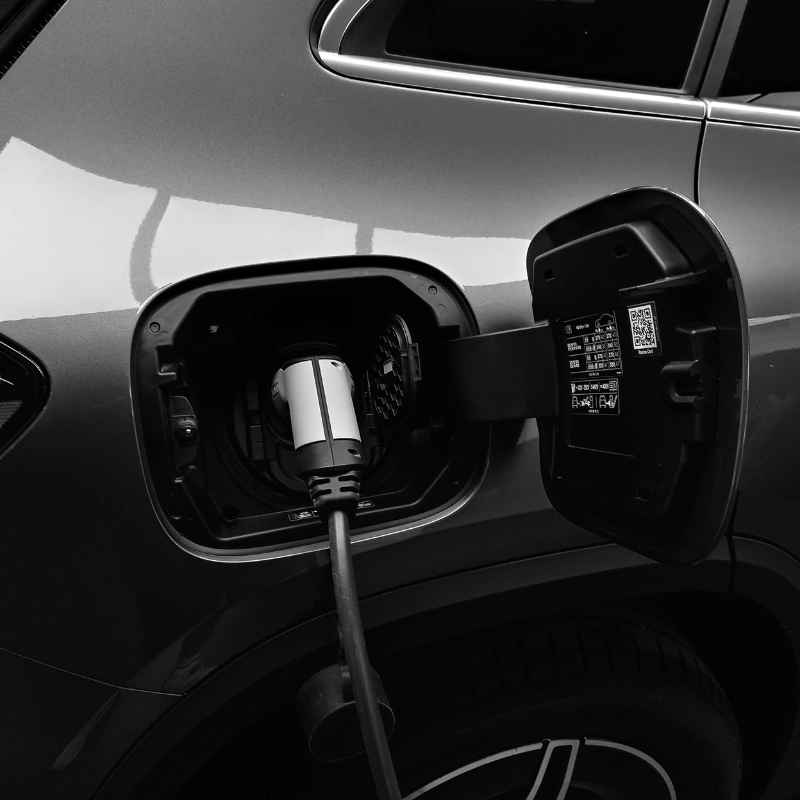
The key difference is that PHEVs have a charging port. You can plug them into a wall outlet or a charging station. This allows you to fully charge the battery from external power.
If you have a short commute, you might be able to drive on electric power most of the time.
However, PHEVs also have a gasoline engine. This engine is there for longer trips. When the electric charge runs out, or when you need extra power for acceleration or climbing hills, the gasoline engine takes over.
You still need to put gas in a PHEV. It’s for when the electric range isn’t enough or for convenience.
PHEV vs. Standard Hybrid: Key Differences
Standard Hybrid (HEV):
- Gasoline Engine: Primary power source, also recharges battery.
- Electric Motor: Assists engine, powers car at low speeds.
- Battery: Small, charged by engine and braking.
- Refueling: Gasoline only.
Plug-In Hybrid (PHEV):
- Gasoline Engine: Backup power, for extended range.
- Electric Motor: Powers car for significant distances.
- Battery: Larger, can be plugged in to charge.
- Refueling: Gasoline AND external charging.
What Happens If You Don’t Put Gas in Your Hybrid?
This is a common fear: what if I forget, or the gas station is closed? For standard hybrids, running out of gas has consequences similar to a regular car, but with a bit of a twist.
First, the gasoline engine will shut off. This means you lose your main source of power. The car will then try to run on electric power alone, using the battery’s stored energy.
This electric-only mode is usually quite limited. It’s meant for very short distances at low speeds.
You will likely see a warning light on your dashboard. This light will indicate that you are low on fuel. It will also likely show a message about the electric system being engaged.
The car may also go into a “limp mode.” This mode significantly reduces its speed and power. This is to conserve the remaining battery charge.
Once the electric battery is depleted, the car will stop. You will be stranded. You will need to have gasoline added to the tank.
You cannot simply wait for it to magically recharge itself electrically. The gasoline engine is needed to get it going again.
For PHEVs, running out of gas means the gasoline engine will kick in. If you haven’t plugged it in for a while, it will operate like a standard hybrid. You won’t be stranded immediately.
However, you’ll lose the benefit of electric-only driving until you can recharge the battery.
Running Low on Gas: What to Expect
Standard Hybrid:
- Engine shuts off.
- Car runs on limited electric power.
- Reduced speed and power (limp mode).
- Will stop once battery is depleted.
Plug-In Hybrid (PHEV):
- Gasoline engine engages automatically.
- Operates like a standard hybrid.
- Electric range is lost until recharged.
- No immediate risk of being stranded.
My Friend’s “Electric Only” Dream Falls Flat
My neighbor, Mark, was really excited about his new PHEV. He read all the articles about saving money and the environment. He declared he was going to drive on pure electric power 99% of the time.
He even set up a charging station in his garage.
For the first month, he was a hero. He’d charge it every night. He’d zip around town on electricity.
He’d brag about his gas mileage (which was technically infinite because he wasn’t using gas). He felt like he was living in the future.
Then came the annual family reunion. It was a three-day event, about 200 miles away. Mark planned to charge up fully before leaving and just use electric power for the whole trip.
He figured he’d charge it again when he got there.
Well, the reunion ended up being a day longer than planned. And the charging station at his family’s house? It wasn’t compatible with his car.
He was stuck driving the last 50 miles on his gasoline engine. He had to find a gas station in a rural area. It was a bit of a panic.
He learned that day that while PHEVs are great, that gas tank is still your lifeline for those unexpected trips or charging issues.
Fueling Your Hybrid: Best Practices
Since you do need to put gas in your hybrid, let’s talk about how to do it right. It’s not much different from a gas-only car, but a few things can help keep your hybrid happy.
1. Use the Recommended Fuel Grade
Check your owner’s manual. Most hybrids recommend regular unleaded gasoline. Some high-performance models might suggest premium, but this is less common for hybrids focused on fuel economy.
Using the wrong fuel can cause problems. It can affect engine performance and potentially damage the engine over time. Stick to what the manufacturer advises.
2. Keep the Tank from Running on Empty Too Often
While hybrids are great at saving gas, it’s still a good idea not to let the tank get completely empty regularly. The gasoline pump needs to be submerged in fuel to stay cool and function properly.
Also, if you run the tank completely dry, you might draw sediment from the bottom of the tank into the fuel system. This could cause issues down the line.
For standard hybrids, the gasoline engine is your backup charger. If it runs out of fuel, it can’t do its job. This leaves you stranded.
It’s wise to refuel when the low fuel light comes on or the gauge is nearing empty.
3. Understand Your Car’s Fuel Gauge
Hybrid fuel gauges can sometimes seem a bit different. Because the engine shuts off at times, you might not see the gauge move for a while. Then, when the engine is running more, it might drop faster.
Get to know your car. Pay attention to how many miles you can typically go once the low fuel light comes on. This will help you avoid surprises, especially on longer trips.
Smart Hybrid Fueling Habits
Do:
- Use the recommended fuel grade (usually regular unleaded).
- Refuel when the low fuel light appears.
- Understand your car’s fuel gauge behavior.
Don’t:
- Regularly run the tank completely dry.
- Use a fuel grade not recommended by the manufacturer.
When to Worry About Your Hybrid’s Fuel System
Most of the time, your hybrid’s fuel system will work seamlessly. However, there are a few signs that might indicate a problem you should look into.
1. Persistent Check Engine Light
The “Check Engine” light is a universal signal for car trouble. If it comes on and stays on, especially if it’s blinking, it needs attention. For a hybrid, this could relate to the gasoline engine, the fuel system, or even the complex hybrid control system.
Don’t ignore this light. Get it diagnosed by a qualified mechanic. They can read the error codes and tell you exactly what the issue is.
2. Difficulty Starting or Idling
If your hybrid’s gasoline engine struggles to start, or if it idles roughly, it could be a fuel delivery issue. This might involve dirty fuel injectors, a clogged fuel filter, or problems with the fuel pump itself.
Even though the electric motor often starts the car, the gasoline engine is still critical for many functions. A struggling engine means the hybrid system can’t operate at its best.
3. Strange Smells
A strong smell of gasoline, especially when the car is parked or at low speeds, can indicate a fuel leak. This is a safety concern and should be addressed immediately.
Less commonly, you might smell something like burnt rubber or electrical components. While not directly fuel-related, these smells can point to underlying issues within the hybrid system that might indirectly affect fuel usage or performance.
4. Significant Drop in Fuel Economy
If you notice your hybrid isn’t getting the miles per gallon it used to, it could be a sign of a problem. This could be related to the fuel system, the engine, or the hybrid components not working in sync.
Keep track of your mileage. If you see a sudden or significant drop, it’s worth having your car checked. A healthy hybrid should maintain its expected fuel efficiency.
Signs of Fuel System Issues in Your Hybrid
Concerns to Watch For:
- Check Engine Light (solid or flashing).
- Engine hesitates to start or idles poorly.
- Strong gasoline smell.
- Noticeable decrease in miles per gallon.
Action: Consult a qualified hybrid mechanic.
The Future of Hybrids and Fuel
As car technology advances, the lines between electric and gasoline vehicles continue to blur. Hybrids are a bridge technology.
They offer the benefits of electric driving for short trips. This helps reduce emissions and fuel costs. But they also retain the convenience and range of gasoline engines.
This means you don’t have to worry about finding a charger on a long road trip.
The industry is pushing towards more electric vehicles (EVs). However, hybrids are likely to remain popular for many years. They offer a practical solution for people who aren’t ready to go fully electric.
They also cater to those who need the flexibility of a gas engine.
So, yes, you will continue to put gas in your hybrid car. It’s a necessary part of its innovative design. This design allows you to enjoy better fuel economy and a smoother driving experience.
Frequently Asked Questions About Hybrid Fuel
Do I need to put gas in a plug-in hybrid (PHEV)?
Yes, you do. While PHEVs have larger batteries and can be plugged in to drive on electric power for many miles, they also have a gasoline engine. This engine is used for longer trips or when the electric charge runs out.
You will need to put gasoline in the tank for the engine to run.
How often do I need to put gas in a hybrid car?
This depends greatly on the type of hybrid and your driving habits. Standard hybrids use much less gas than conventional cars, so you’ll visit the gas station less often. Plug-in hybrids can be driven on electric power for significant distances, meaning you might use very little or no gas if your daily driving is within the electric range and you charge regularly.
Can I put regular unleaded gas in my hybrid?
Most hybrid cars are designed to run on regular unleaded gasoline. Always check your owner’s manual for the specific fuel recommendation for your vehicle. Using a higher octane fuel than recommended is generally not necessary and won’t provide any extra benefit.
What happens if my hybrid runs out of gas?
If a standard hybrid runs out of gas, the gasoline engine will shut off. The car will then attempt to run on electric power alone, but this range is very limited. The vehicle will likely enter a reduced power mode and eventually stop.
You will need to add gasoline to restart the engine and recharge the battery.
Can I just charge my hybrid at home instead of using gas?
For standard hybrids (HEVs), no. Their batteries are charged by the gasoline engine and regenerative braking only. They do not have an external charging port.
For plug-in hybrids (PHEVs), you can charge them at home, and if your daily driving is short enough, you might use very little gas. However, for longer trips or when electric charge is depleted, the gasoline engine will still require fuel.
Will my hybrid’s gas mileage decrease over time?
Like any car, a hybrid’s fuel efficiency can decrease slightly over time due to normal wear and tear. However, if you notice a significant or sudden drop in your hybrid’s gas mileage, it could indicate an issue with the fuel system, engine, or hybrid components. It’s a good idea to have it checked by a mechanic.
Final Thoughts on Hybrid Fueling
So, to put it simply, yes, you absolutely need to put gas in your hybrid car. It’s not an electric car in the full sense. The gasoline engine is a vital component.
It provides power, recharges the battery, and ensures you have the range you need. Understanding how your specific hybrid works will help you use it most effectively and keep it running smoothly for years to come.
Products related to this article
Sponsored / affiliate links. As an Amazon Associate I earn from qualifying purchases. I may earn additional commission from eligible campaigns.