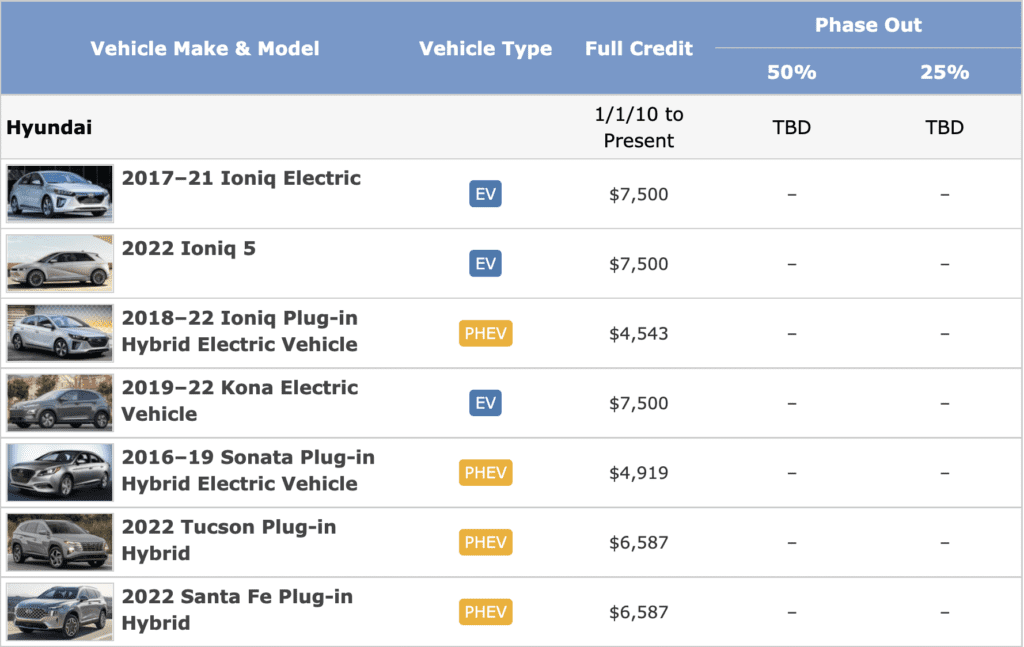
What Cars Qualify for Ev Tax Credit: Comprehensive Guide
Electric vehicles (EVs) are becoming more popular. Many people want to take advantage of tax credits for EVs.
Understanding which cars qualify for the EV tax credit can save you money. The government offers these credits to encourage the use of eco-friendly cars. Not all electric cars qualify, and the rules can be tricky. In this blog, we’ll explore the types of cars that qualify for the EV tax credit.
We’ll also break down the requirements and how to know if your car is eligible. Stay tuned to learn how you can benefit from this tax incentive. This guide will help you make an informed decision when buying an electric vehicle.
Introduction To Ev Tax Credit
EV tax credits help people buy electric cars. These credits make electric cars cheaper. More people can afford them. Electric cars are good for the environment. They reduce pollution. This helps the planet stay clean.
EV tax credits started many years ago. The government wanted to reduce pollution. They wanted to help people buy electric cars. So, they created the tax credit. Many people used it. Electric cars became popular. The credits helped the market grow.
Eligibility Criteria
To qualify, electric vehicles must meet certain standards. The car must be new. It should be from a recognized manufacturer. The battery capacity should be at least 4 kWh. The gross vehicle weight should not exceed 14,000 pounds. The vehicle must be purchased for use, not for resale. Buyers must use the car primarily in the U.S.
Some states have additional rules. These can vary widely. In California, cars must be zero-emission. In New York, vehicles must meet certain emissions standards. Some states offer extra credits. These can stack with federal credits. Check your local rules to know more. States like Colorado and Oregon offer extra incentives.
Types Of Eligible Vehicles
Electric vehicles (EVs) use only electricity. They have no gas engine. EVs are quiet and clean. Tesla and Nissan Leaf are popular EVs. They help reduce pollution. EVs need charging stations. These stations are growing in number. EVs can save money on fuel. They qualify for tax credits.
Plug-in hybrids use both gas and electricity. They can drive on battery power alone. Chevrolet Volt and Toyota Prius are common plug-in hybrids. They offer flexibility. You can charge them at home. They switch to gas when the battery is low. This extends their range. They also qualify for tax credits.
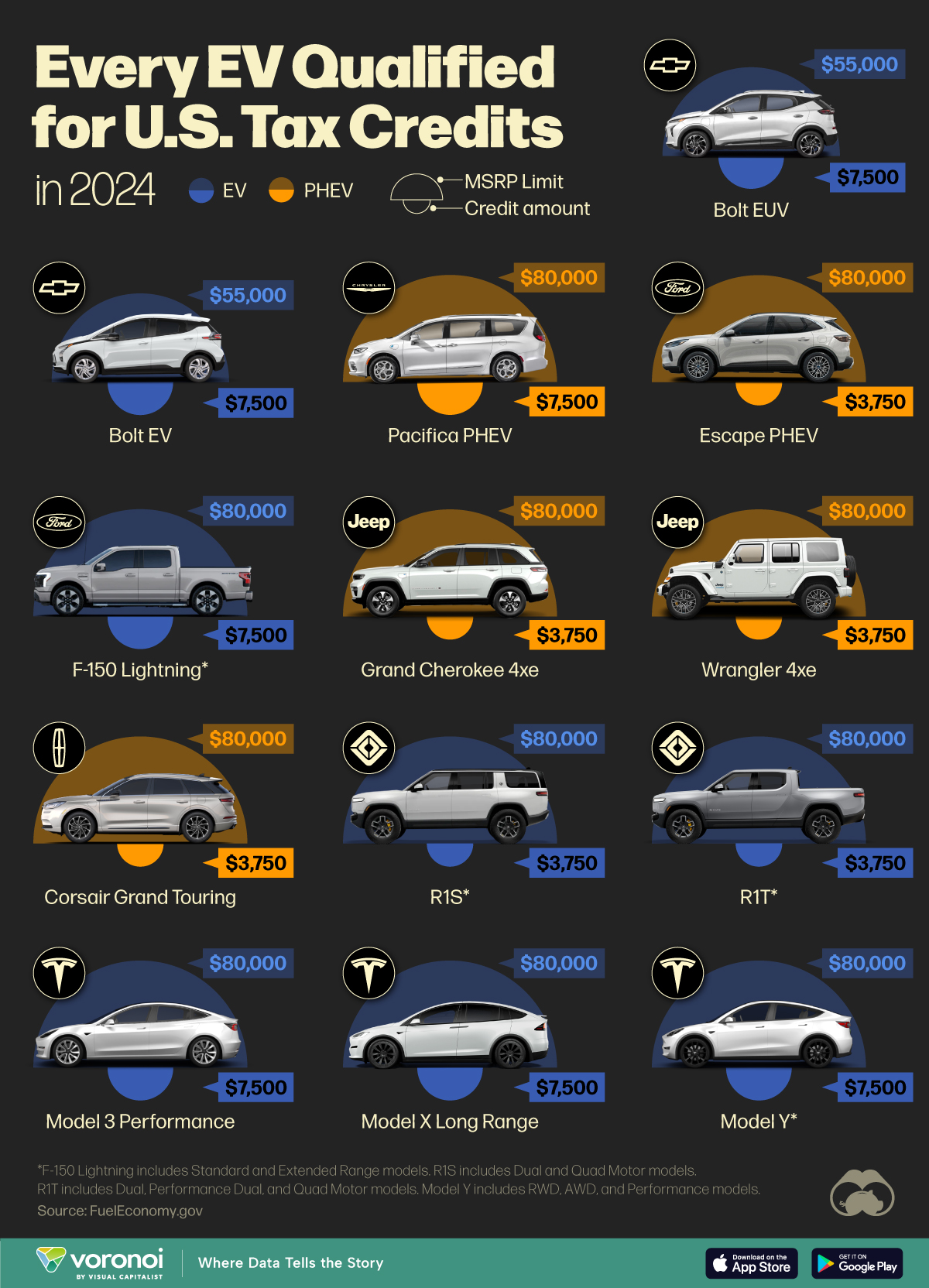
Credit: www.visualcapitalist.com
Top Brands Offering Tax Credit
Tesla cars often qualify for the EV tax credit. Models like the Model 3 and Model Y are popular choices. These cars have long range and advanced features. Tesla’s Supercharger network helps with long trips. Always check the latest updates on credits.
Chevrolet offers the Bolt EV and Bolt EUV. These cars are affordable and have good range. They are easy to charge and reliable. Many drivers like the Bolt for daily use. Check if your model gets the tax credit.
The Nissan Leaf is a well-known EV. It’s been around for years. The Leaf is compact and great for city driving. It often qualifies for the EV tax credit. The Leaf is a budget-friendly option. Always verify eligibility for the latest credits.
Application Process
To apply for the EV tax credit, gather key documents. You will need your vehicle purchase receipt. Also, get the Manufacturer’s Certificate of Origin. This certifies your car’s make and model. Another important document is the IRS form 8936. Fill this form correctly. You may also need proof of address. This can be a utility bill. Ensure all documents are complete and accurate.
- First, purchase a qualified electric vehicle.
- Next, collect all required documents.
- Then, fill out IRS form 8936.
- Submit your form with other documents.
- Lastly, wait for your application to be processed.
Financial Benefits
Buying an electric car can lead to tax savings. The government offers credits for electric vehicles. This can reduce the amount you owe in taxes. These savings can be significant. They make electric cars more attractive to buyers. Check the latest rules for the exact amount.
Electric cars have lower running costs. Electricity is cheaper than gasoline. Maintenance costs are also lower. Electric cars have fewer moving parts. This means fewer repairs. Over time, you save more money.
Common Misconceptions
Many believe only new electric cars get tax credits. This is not true. Used electric cars can qualify too. Another myth is all electric cars get the same credit. The credit amount varies by model and battery size. Some think only expensive cars qualify. In fact, some affordable models are eligible. People also think the credit reduces the car price directly. It actually reduces your tax bill.
Tax credits for electric cars help the environment. They make clean energy more affordable. The credits encourage people to buy electric cars. This reduces air pollution and dependence on oil. Using less oil helps the planet. Cleaner air means healthier lives. These benefits help everyone. Electric car credits are good for the future.

Credit: insideclimatenews.org
Future Of Ev Tax Credits
EV tax credits might change soon. Policymakers are discussing new rules. These changes could affect many electric car buyers. Current credits help buyers save money. New policies might increase or decrease savings.
The EV market is growing fast. Tax credits play a big role. Changes in tax credits can impact sales. More credits mean more buyers. Fewer credits might slow growth. The market depends on these policies.

Credit: evboosters.com
Frequently Asked Questions
Which Evs Are Eligible For $7500 Tax Credit?
EVs eligible for the $7500 tax credit must be assembled in North America. They must have a battery capacity of at least 7 kWh. The manufacturer’s sales cap should not be exceeded. Certain income limits apply to buyers. Specific models may vary, so check current eligibility.
What Cars Qualify For A Used Ev Tax Credit?
Used electric vehicles must be at least two years old to qualify for a tax credit. They should also meet specific battery capacity requirements.
Who Is Not Eligible For Ev Tax Credit?
Individuals with high incomes, non-qualified vehicles, or those who lease instead of purchase, are not eligible for the EV tax credit.
How Does The $4000 Ev Credit Work?
The $4000 EV credit is a federal tax incentive. It reduces the tax you owe when purchasing a qualifying electric vehicle. This helps lower the overall cost of the EV.
Conclusion
Choosing the right car can save you money with the EV tax credit. Many electric and hybrid cars qualify. Check the latest list to find the best options. Remember to consider your budget and needs. This credit can make owning an eco-friendly car more affordable.
Stay informed and enjoy the benefits of driving green.