Best Auto Repair in Bakersfield: A Smart Owner’s Guide
The best Bakersfield auto repair shop depends on the job: collision specialists for body damage, ASE-certified mechanics for warning lights and maintenance, and insurer-network shops when claim handling matters most. Pick the wrong lane, and you can pay twice for diagnostics, wait on parts, get a poor paint match, or fight claim disputes. This guide shows how to compare Bakersfield shops by repair type, estimate quality, certifications, insurance coordination, and convenience.
How do you choose the right repair shop?
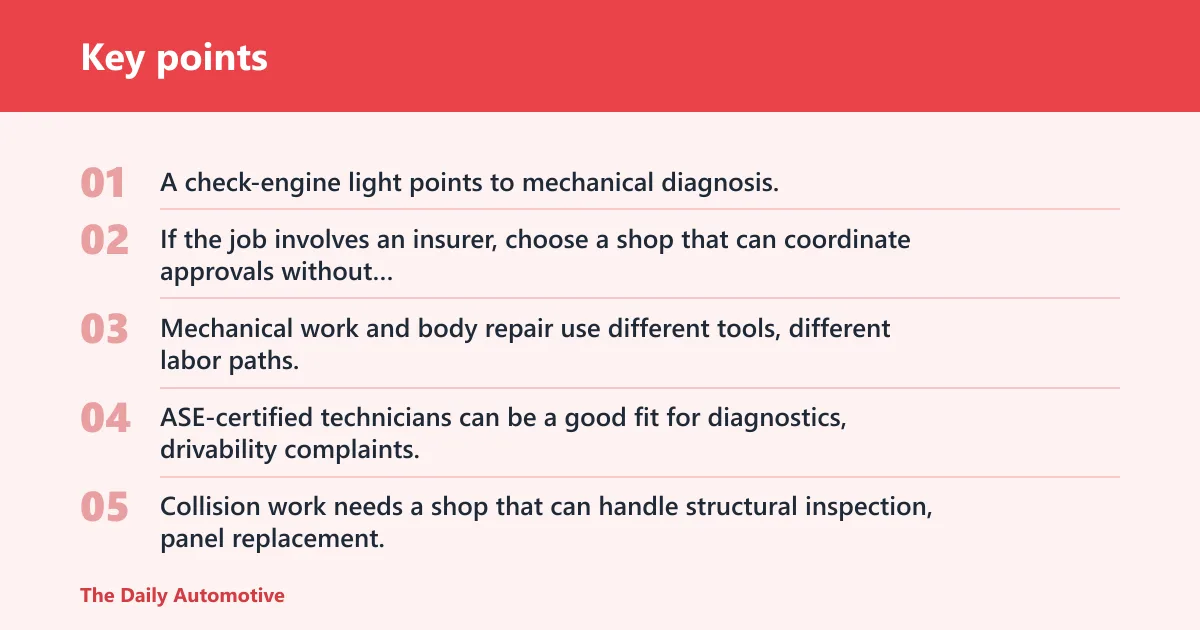

Start with the repair itself. A check-engine light points to mechanical diagnosis, while a crumpled quarter panel calls for collision repair, frame checks, or refinishing. If the job involves an insurer, choose a shop that can coordinate approvals without treating the insurer’s first estimate as the final word.
Match the shop to the job
Mechanical work and body repair use different tools, different labor paths, and different quality checks. ASE-certified technicians can be a good fit for diagnostics, drivability complaints, and maintenance because ASE credentials signal tested technical knowledge and current certification is generally verifiable. Collision work needs a shop that can handle structural inspection, panel replacement, paint matching, and alignment checks.
Use convenience only after capability
Rental help, towing, and a comfortable lobby matter, but they should not outrank competence. If your car is not drivable, 24/7 towing can help shorten downtime. If you need an insurer to approve hidden damage, direct claims handling can reduce delays. Convenience matters most after the shop has the right repair lane.
Auto repair table
| Repair type | Certifications to verify | Estimate red flags | Parts policy | Insurance handling | Rental and towing support | Turnaround questions to ask |
|---|---|---|---|---|---|---|
| Mechanical diagnosis | ASE-certified technicians; ask for current proof | “Diagnostic fee” with no written findings; vague labor hours; no scan results | OEM parts preferred when fit, calibration, or compatibility matters | Ask whether the shop documents findings for warranty or claim review | Ask if towing is available for non-start or overheating cases | How long for diagnosis, parts ordering, and final verification? |
| Collision repair | Certified collision center status; brand program proof if applicable | No frame or alignment line items; paint work quoted before structural inspection | OEM parts often preferred after impact damage for fit and safety | Ask who submits supplements when hidden damage appears | Rental arrangements help when repairs take several days or longer | Will hidden damage change the schedule after teardown? |
| Insurance-driven repair | Collision credentials plus documented insurer workflow | Low estimate with omitted blend, teardown, or calibrations | Confirm whether OEM, aftermarket, or used parts need approval | Ask if the shop works with all major insurance providers and how supplements are approved | Ask whether towing and rental are arranged before teardown begins | How long from estimate approval to parts arrival? |
What should you look for in a shop?
Look for proof, not slogans. A good shop can show current certification, explain whether parts will be OEM or aftermarket, and put labor, materials, and supplemental approvals in writing. If the estimate is vague, the final bill is harder to challenge later.
Ask for current ASE proof
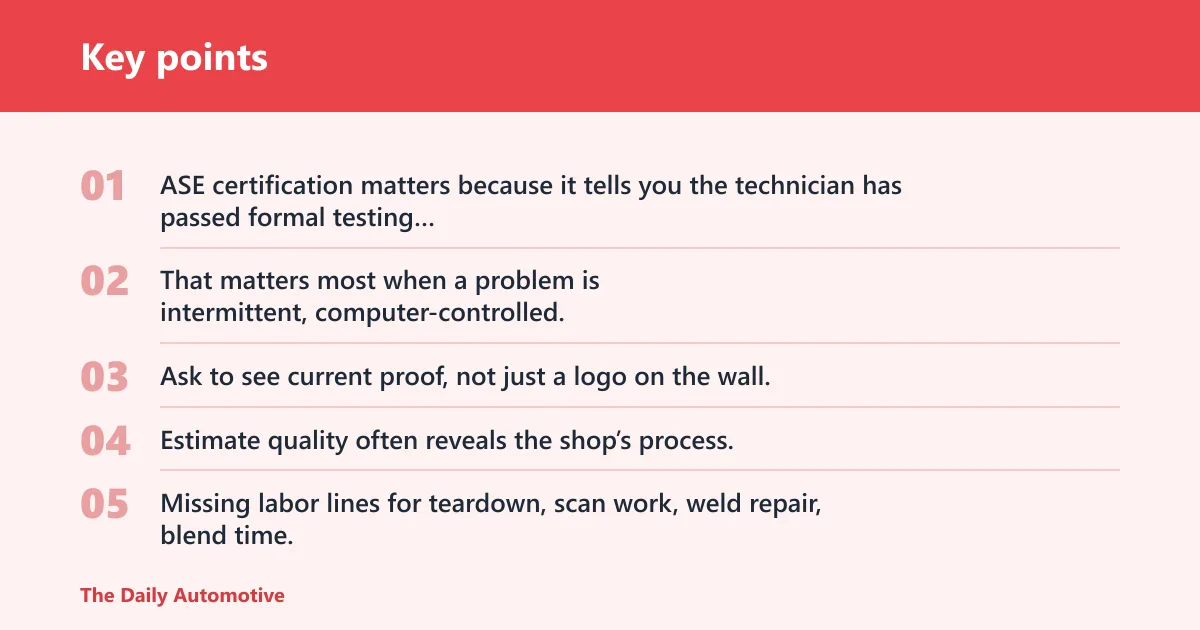
ASE certification matters because it tells you the technician has passed formal testing in specific repair areas. That matters most when a problem is intermittent, computer-controlled, or tied to diagnostics. Ask to see current proof, not just a logo on the wall.
Read the estimate line by line
Estimate quality often reveals the shop’s process. Missing labor lines for teardown, scan work, weld repair, blend time, or calibrations are warning signs. If the car has impact damage, a cosmetic quote without structural inspection is incomplete. A common first-timer mistake is approving a bumper cover repair when the underlying reinforcement or alignment needs attention too.
Compare OEM and aftermarket parts
OEM parts are original manufacturer components made for the vehicle’s fit and compatibility. They are often preferred after collision repair, and they can be a smarter choice when sensors, mounting points, or panel gaps matter. After a mechanical repair, OEM parts can also reduce fit issues that lead to repeat visits.
Check warranty terms and approval rules
Ask what the shop guarantees, how long the labor warranty lasts, and what happens if a part fails after installation. Also ask whether any extra work needs written approval before the shop proceeds. That protects you from surprise charges and makes the estimate easier to compare across Bakersfield shops.
When does collision repair need more than bodywork?
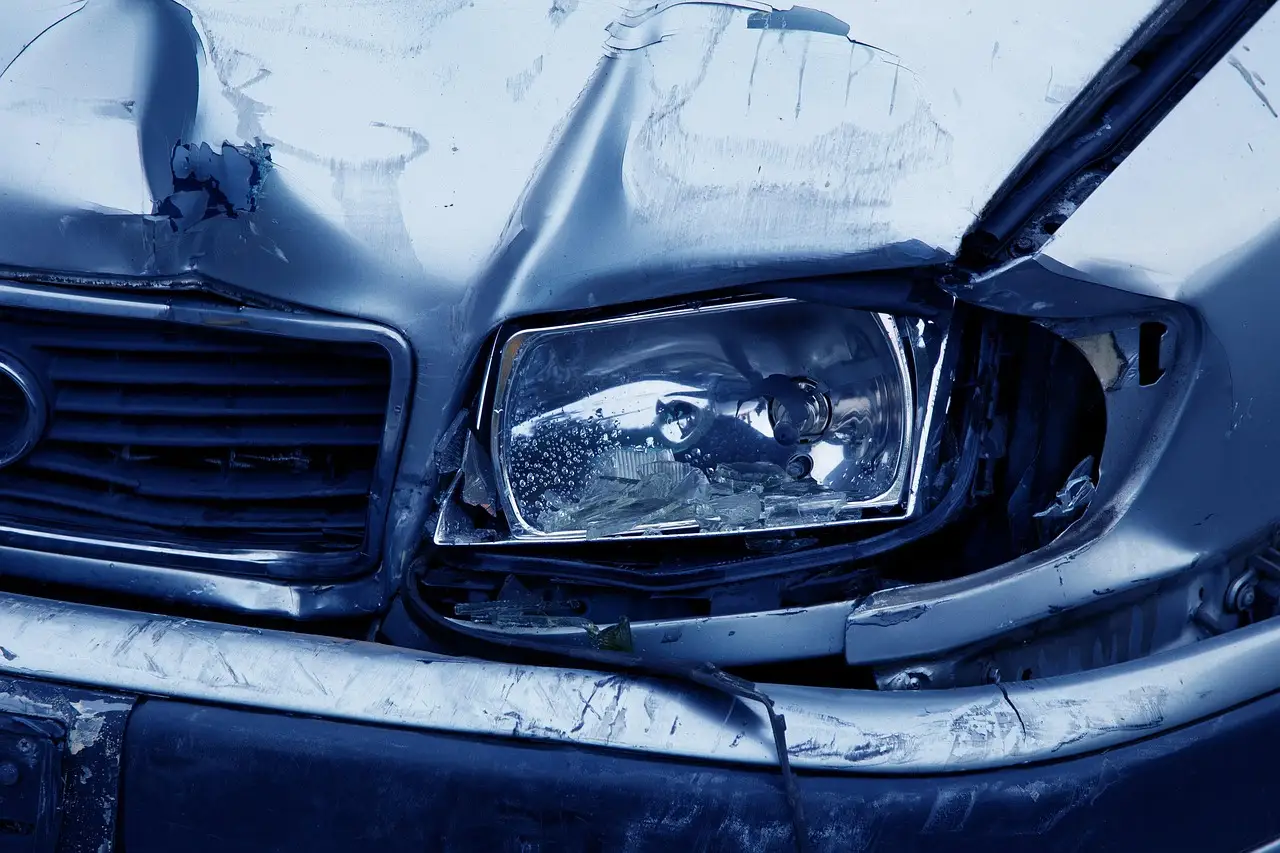
Collision repair is more than replacing bent panels. If the hit reached the frame, suspension points, or mounting structures, the shop should inspect alignment and measure the vehicle before paint begins. Cosmetic work alone can hide a safety problem.
Frame restoration and alignment checks
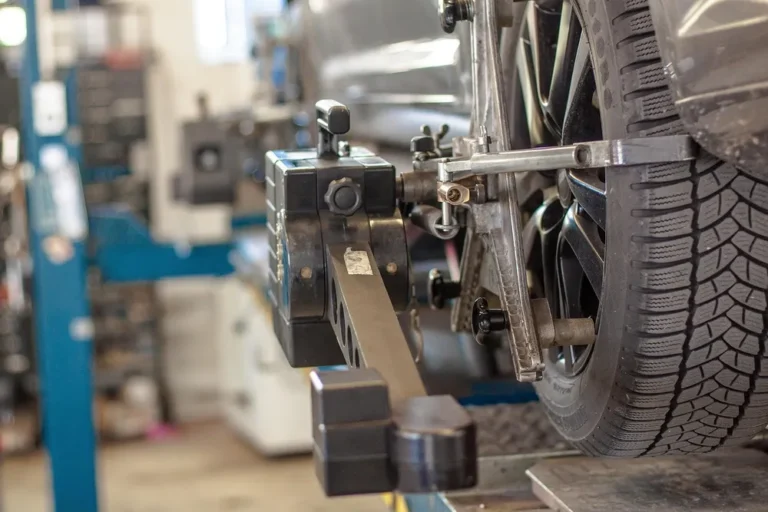
After a significant impact, a shop may need to restore frame geometry, check wheel alignment, and verify that doors, hoods, and hatch panels close correctly. If the car pulls, sits unevenly, or has uneven tire wear after a crash, structural inspection matters more than a quick paint quote.
Panel replacement and hidden damage
Damage behind a bumper or quarter panel can include brackets, sensors, absorbers, and mounting tabs. Those parts are easy to miss before teardown. If a shop refuses to inspect hidden areas, you can end up with a repair that looks finished but still drives poorly or triggers warning lights.
Paint refinishing and color matching
Refinishing should blend with the factory finish, not merely cover damage. Ask how the shop matches color, whether it uses durable coatings, and what it does to control overspray and finish texture. Some shops also discuss lower-emission or eco-friendly products, which can matter if you want modern paint systems with better shop control.
Suppose a rear door has about a 10-inch crease and the quarter panel edge is pushed in. A proper collision estimate should include panel replacement or repair, a blend on the adjacent panel, and a check for hidden damage, not only sanding and repainting the visible dent.
Should you use an insurance-approved shop?
An insurer-approved or preferred shop can simplify paperwork, but that approval should not replace your own comparison. What matters is whether the shop can document damage, submit supplements quickly, and keep you informed when the insurer’s first estimate misses hidden work.
How claims handling usually works
In a typical claim, the shop inspects the vehicle, writes an estimate, sends photos or line items to the insurer, and waits for approval before expanding the job. A shop that works with all major insurance providers can often move that workflow faster, but the quality of the estimate still matters more than the brand list.
What to confirm before you book
Ask whether the shop coordinates directly with adjusters, how it handles supplemental approvals, and whether it will explain any added labor before work continues. Also confirm whether the shop can work with all carriers or only selected ones. That difference can affect speed and communication.
When insurer approval should not decide for you
If the insurer pushes for a quick cosmetic fix when the car may have structural damage, pause and compare. A shop should refuse a shortcut when the repair needs teardown, frame measurement, or alignment checks. Your priority is a safe repair, not the first number an adjuster sends.
How do certification and parts choices affect repairs?
Brand certification changes the repair procedure. A certified collision center is generally expected to follow the automaker’s methods, equipment requirements, and material choices for that brand. That matters when panels, welds, sensors, or calibration steps must meet manufacturer procedures rather than generic collision standards.
Certified collision center example
An official Porsche Certified Collision Center is one example of brand-specific certification. The shop also describes itself as Tesla Certified and Aluminum Certified. Those labels matter because aluminum repairs, high-voltage systems, and brand procedures can require different tooling and repair steps than standard bodywork.
When OEM parts are the safer choice
OEM parts are often the safer choice when the replacement part affects fit, crash performance, sensor placement, or calibration. That can apply to mechanical repairs as well as collision work. If a shop proposes aftermarket parts, ask how the part matches the factory dimensions and whether the swap could affect warranty or alignment.
Say your sedan needs a front bumper after a minor collision. If the bumper houses radar or parking sensors, OEM parts and brand-specific procedures may reduce fit problems and calibration delays compared with a generic part that needs extra adjustment.
What convenience details should you ask about?
Convenience should reduce downtime, not hide weak repair planning. Ask whether the shop arranges rental cars, offers towing when the vehicle cannot safely move, and serves your area without adding needless transport delays. Location and support details should fit the repair timeline.
Rental car assistance
Rental car assistance matters when the vehicle will sit in the shop for days. Ask whether the shop arranges the rental or only points you to a provider, and whether the rental starts while approvals are pending. That can reduce missed work and repeated rides across town.
24/7 towing support
24/7 towing support matters when a vehicle will not start, has cooling problems, or cannot be driven after a crash. Confirm the service area and how far the truck will go before extra charges apply. A nearby tow can keep a damaged car from sitting in a driveway or shoulder lane.
Location and waiting area basics
For Bakersfield drivers, access off major freeways or routes can save time during drop-off and pickup. The Bakersfield location at 6916 McCutchen Rd. Suite 100 is described as being off the 5 Freeway and State Route 99. It also reports a comfortable lobby with complimentary snacks and soft drinks, which helps if you are waiting for a quick estimate or pickup.
The shop says it serves major makes and models, including Porsche, Land Rover, BMW, Maserati, Mercedes Benz, Lexus, Honda, and Subaru. That breadth is useful only if the shop can still prove model-specific procedures for your exact car.
Frequently asked questions
How do I find the best auto repair in Bakersfield?
Start by matching the shop to the problem. Use ASE-certified mechanics for diagnostics and maintenance, a collision center for body damage, and a shop with insurer coordination when a claim is involved. Then compare estimate detail, parts policy, and turnaround expectations before you book.
What should I look for in an auto repair shop in Bakersfield?
Look for current certification proof, a written estimate with labor detail, a clear parts policy, and a warranty you can understand. If the damage may involve structure or sensors, make sure the shop will inspect hidden areas instead of offering a cosmetic shortcut.
How much does auto repair cost in Bakersfield?
Cost depends on diagnosis time, part choice, labor hours, paint work, and whether hidden damage appears after teardown. A cheap estimate is not always a good one if it omits labor lines or supplemental work. Ask for itemized pricing before you approve anything.
What is the difference between auto repair and auto body repair?
Auto repair usually covers mechanical and electrical issues such as engine, brake, suspension, or warning-light diagnosis. Auto body repair focuses on collision damage, panels, frame checks, paint, and refinishing. Some shops do both, but the right credentials should match the task.
Should I choose an insurance-approved auto repair shop?
Choose one only if it also meets your standards for estimates, parts, and repair quality. Insurance approval can make claims easier, but it should not replace your own review of supplemental approval rules, hidden damage procedures, and whether the shop will explain every added line.
Can a Bakersfield repair shop help with towing, rental cars, and insurance claims?
Yes, many shops can coordinate all three. Ask whether towing is available 24/7, whether rental arrangements begin during repairs, and whether the shop handles direct insurer communication. Those services can shorten downtime, but they should come after you confirm the repair plan itself.
Products related to this article
Sponsored / affiliate links. As an Amazon Associate I earn from qualifying purchases. I may earn additional commission from eligible campaigns.