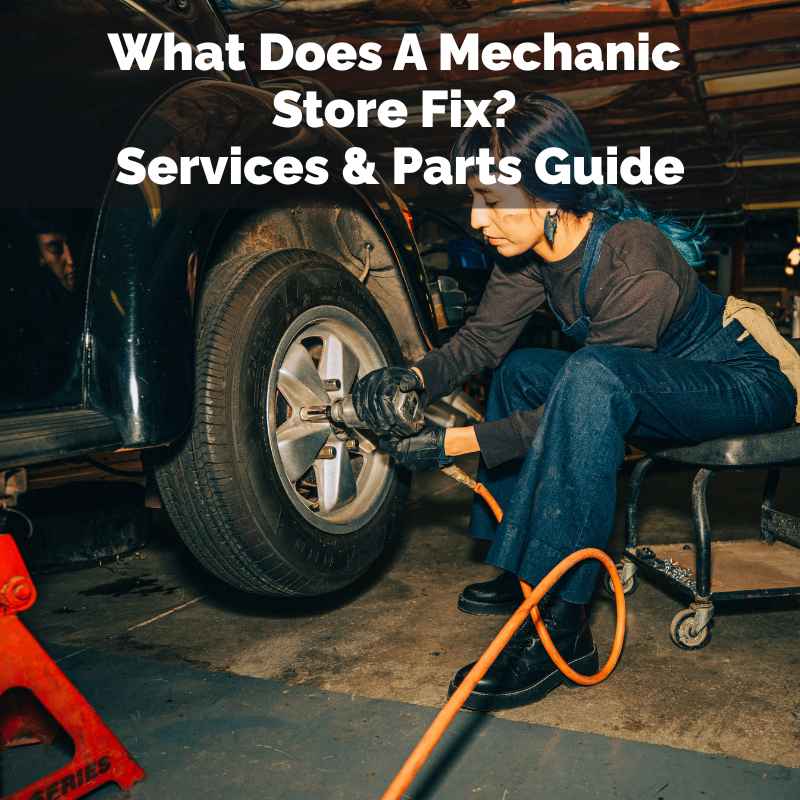
What Does A Mechanic Store Fix? Services & Parts Guide
A mechanic store is equipped to handle a wide range of vehicle repairs and maintenance. This includes routine services like oil changes, tire rotations, and brake checks, as well as more complex issues such as engine diagnostics, transmission repairs, and electrical system fixes. They also supply and install many necessary auto parts.
Understanding What a Mechanic Store Fixes
Think of a mechanic store as your car’s general doctor’s office, but for mechanical and electrical systems. They are trained professionals who diagnose problems. They then fix these issues to keep your car running safely and smoothly.
The work they do covers many different parts of your vehicle.
From the engine that powers your car to the brakes that stop it, and the electronics that control everything, mechanics have the tools and knowledge. They see all sorts of car troubles. Some are simple.
Others are much more involved. Knowing this can help you understand why some repairs take longer or cost more than others.
My First Car’s Mysterious Sputter
I remember my first car. It was a bright yellow hatchback, and I loved it dearly. One crisp autumn morning, I was heading to a friend’s house.
About halfway there, the engine started to sputter. It wasn’t a loud noise, more like a hesitant cough. My heart sank.
I’d never dealt with car trouble before, and the thought of calling a tow truck filled me with dread. Was it serious? Could they even fix it?
I felt a rush of panic mixed with pure annoyance. I pulled over, the engine dying completely. It sat there, silent and mocking.
Common Services Mechanics Offer
Mechanic shops perform many services to keep cars in good shape. These are the things you’ll often see on a service menu. They help prevent bigger problems down the road.
Regular checks are key to a healthy car.
Routine Maintenance
This is the bread and butter of many mechanic shops. It’s about upkeep. Think of it like your yearly doctor’s visit.
These services keep things running well. They also catch small issues before they become large, expensive headaches.
- Oil Changes: This is perhaps the most common service. Oil keeps the engine parts moving smoothly. Fresh oil is vital.
- Tire Rotations: Moving tires around helps them wear evenly. This makes them last longer. It also improves your car’s handling.
- Brake Checks: Mechanics inspect brake pads, rotors, and fluid. Worn brakes are dangerous. They need regular checks.
- Fluid Checks and Flushes: Cars use many fluids. Coolant, transmission fluid, power steering fluid, and brake fluid. Mechanics check levels and condition. They can also flush and refill them.
- Filter Replacements: Air filters, oil filters, and fuel filters keep your car’s systems clean. Dirty filters can hurt performance.
- Battery Checks: They test your car’s battery. They check its charging system too. A dead battery stops your car cold.
Maintenance Schedule Insights
Why follow it? Skipping regular checks is like ignoring a small leak. It gets bigger and costs more. Most car owners’ manuals have a schedule.
Mechanics use this to guide their work.
What’s it based on? Schedules consider mileage and time. Some things need checking more often. Others can wait longer.
Weather can also play a role. Driving in hot or cold climates affects parts differently.
Diagnostic Services
When something feels off, mechanics use special tools. They “diagnose” the problem. This means figuring out what is wrong.
It often involves checking warning lights on your dashboard.
- Check Engine Light: This light can mean many things. Mechanics hook up scanners to read error codes.
- Sound Diagnosis: Strange noises are clues. Clunks, squeaks, or hums. Mechanics listen and pinpoint the source.
- Performance Issues: If your car feels sluggish or runs rough, they can find why.
Spotlight on Engine Diagnostics
The Scanner’s Role: Modern cars have computers. These computers store trouble codes. A diagnostic scanner reads these codes.
It points mechanics in the right direction. It’s like a doctor getting test results.
Beyond the Code: Codes are a starting point. Mechanics still need their skills. They test parts suggested by the codes.
This ensures they fix the real issue. Not just a symptom.
Repair Services
Once a problem is diagnosed, mechanics fix it. This can involve replacing parts or repairing existing ones. The complexity varies greatly.
- Brake System Repairs: Replacing brake pads, rotors, calipers, or brake lines.
- Exhaust System Repairs: Fixing leaks, replacing mufflers or catalytic converters.
- Cooling System Repairs: Repairing or replacing radiators, water pumps, hoses, or thermostats.
- Steering and Suspension Repairs: Fixing worn parts like ball joints, tie rods, or shocks.
- Electrical System Repairs: Troubleshooting and fixing issues with alternators, starters, batteries, wiring, or sensors.
- Engine Repairs: From minor fixes like spark plug replacement to more complex tasks like head gasket repair.
- Transmission Repairs: Addressing issues with gear shifting, slipping, or leaks.
Contrast: Normal vs. Concerning
| Normal Sign | Concerning Sign |
|---|---|
| A slight, normal engine hum | Loud knocking or grinding noises from the engine |
| Brakes feel firm when you press the pedal | Brake pedal feels spongy, sinks to the floor, or you hear grinding |
| Tires showing even wear | Uneven tire wear (e.g., only on the edges) |
| Car starts reliably | Car takes multiple tries to start or won’t start at all |
Parts a Mechanic Store Handles
Mechanics don’t just fix things; they also deal with many car parts. They often stock common parts. For less common ones, they can order them.
The parts they handle are essential for vehicle function and safety.
Engine Components
The engine is the heart of the car. Mechanics work on many of its parts.
- Spark Plugs: These ignite the fuel. They need replacing every so often.
- Belts and Hoses: Serpentine belts drive accessories. Hoses carry vital fluids. They can crack or leak.
- Filters: Oil filters, air filters, and fuel filters are changed regularly.
- Sensors: Many sensors monitor engine performance. If one fails, the engine can run poorly.
- Gaskets: These seal engine parts. A blown gasket can cause major leaks.
Brake System Parts
Brakes are critical for safety. Mechanics replace these worn components.
- Brake Pads: These wear down with use. They are replaced often.
- Brake Rotors: These discs work with the pads. They can become warped or worn.
- Brake Fluid: This hydraulic fluid transfers force. It needs to be clean and at the right level.
- Brake Lines: These carry the fluid. They can corrode or leak.
Tire and Wheel Components
Tires and wheels keep your car on the road.
- Tires: Mechanics can mount new tires. They also balance and align wheels.
- Wheels (Rims): While less common, damaged wheels can be replaced.
- Wheel Bearings: These allow wheels to spin freely. Worn bearings make noise.
Electrical System Parts
Modern cars have complex electrical systems.
- Batteries: They provide power to start the car. Mechanics test and replace them.
- Alternators: These charge the battery. They also power the car’s electrical systems while running.
- Starters: This motor turns the engine over to start it.
- Light Bulbs: Headlights, taillights, and interior lights.
- Fuses and Relays: These protect electrical circuits.
Quick-Scan Parts Guide
| Part Category | Common Replacements | Why it matters |
|---|---|---|
| Brakes | Pads, Rotors, Fluid | Safety, Stopping power |
| Engine Fluids | Oil, Coolant, Transmission Fluid | Lubrication, Cooling, Performance |
| Electrical | Battery, Alternator, Starter | Starting, Powering systems |
| Tires | New Tires, Balancing, Alignment | Traction, Handling, Tire life |
Exhaust and Emissions Parts
These parts manage engine exhaust.
- Mufflers: They reduce engine noise.
- Catalytic Converters: These clean harmful exhaust gases.
- Exhaust Pipes: These connect the system. They can rust and leak.
Transmission and Drivetrain Parts
These systems transfer power to the wheels.
- Transmission Fluid: Needs regular checking and changing.
- CV Axles: These connect the transmission to the wheels on front-wheel-drive cars.
- U-Joints: Found in rear-wheel-drive vehicles.
When to Visit a Mechanic
Knowing when to go is as important as knowing what they fix. Trust your gut. If something feels wrong, it’s worth checking.
Don’t wait until a small issue becomes a breakdown.
Warning Signs
Pay attention to these signs. They often mean a trip to the shop is needed.
- Dashboard Warning Lights: Check engine, ABS, airbag lights.
- Strange Noises: Knocking, grinding, squealing, or hissing sounds.
- Changes in Performance: Sputtering, rough idling, loss of power, or poor acceleration.
- Fluid Leaks: Puddles under your car (note the color and location).
- Brake Issues: Spongy pedal, grinding, or pulling to one side when braking.
- Steering Problems: Loose steering, pulling to one side, or difficulty turning.
- Unusual Smells: Burning, sweet, or gasoline smells.
- Tire Issues: Low pressure, bulges, or rapid wear.
Observational Flow: The Escalation of Car Problems
Step 1: A faint new squeak when braking. Most people might ignore this for a day or two. It seems minor.
Step 2: The squeak gets louder. Now it’s noticeable. You start thinking, “Maybe I should get that checked.”
Step 3: A grinding sound joins the squeak. This is a clear warning. The brake pads are likely worn down to the metal.
Step 4: Braking feels less effective. The car takes longer to stop. This is a serious safety risk.
Step 5: Major brake repair needed. Now, not only pads but rotors and possibly calipers need replacing. The repair is much more expensive than if caught early.
Regular Check-ups
Even if nothing seems wrong, regular maintenance is key. This includes:
- Scheduled oil changes.
- Tire rotations every 5,000-7,500 miles.
- Seasonal checks (like before winter or summer).
What Mechanics Typically Don’t Fix
While mechanics are skilled, there are limits. Some jobs require specialized shops or dealerships.
Specialized Systems
- Bodywork and Paint: Damage from accidents usually goes to a body shop.
- Internal Engine Rebuilds: Very complex engine overhauls might go to engine specialists.
- Customization: Installing highly specialized aftermarket parts might be outside their scope.
- Dealership-Specific Software: Some very new models might require factory-specific diagnostic tools only a dealer has.
Quick Insight: Dealer vs. Independent Mechanic
Dealerships: Often have the latest factory tools and specific training for your car’s brand. Can be more expensive. Best for warranty work or very new, complex models.
Independent Shops: Can be more affordable. Often build strong customer relationships. Good for most routine maintenance and repairs.
Look for shops specializing in your car’s make if possible.
Expertise, Experience, and Trust
When you take your car to a mechanic, you’re trusting them with a vital part of your life. Good mechanics show their Expertise through accurate diagnoses. They gain Experience by working on many different cars and problems over time.
This builds Trust.
Look for certifications like ASE (Automotive Service Excellence). These show a mechanic has passed rigorous tests. Ask friends for recommendations.
Read online reviews. A trustworthy mechanic will explain repairs clearly. They will provide estimates upfront.
They won’t pressure you into unnecessary work.
Real-World Context: The Busy Commuter’s Dilemma
Sarah drives 60 miles round trip for work every day. Her car is her lifeline. Last week, she noticed a slight wobble at highway speeds.
It was barely noticeable at first. She thought maybe it was just the road. But the wobble grew.
Then came a faint humming sound. She started to worry. This wasn’t just a minor annoyance; it felt like a safety issue.
She remembered her dad always said, “Don’t ignore new car feelings.” She called her local mechanic, someone she’d used for oil changes before. She explained the symptoms. The mechanic asked her to bring it in that afternoon.
He suspected a wheel bearing or tire issue. He diagnosed a worn wheel bearing. He explained that if it failed completely, her wheel could lock up.
He replaced the bearing and balanced her tires. Sarah felt relieved. She understood the risk she avoided.
What This Means for You
Understanding what mechanics fix gives you power. You can communicate better with your service provider. You can ask informed questions.
You can make better decisions about your car’s care.
When It’s Normal
It’s normal to visit a mechanic for:
- Routine oil changes and fluid checks.
- Tire rotations and balancing.
- Brake pad replacements when worn.
- Replacing worn-out belts or hoses.
- Fixing a check engine light that turns out to be a simple sensor.
When to Worry (and Act Fast)
These situations often require immediate attention:
- Loud, sudden noises.
- Significant loss of braking power.
- Smoke or strong burning smells.
- Overheating engine.
- Warning lights that flash or indicate a critical failure (like oil pressure or brake system failure).
Simple Checks You Can Do
Before heading to the mechanic, you can:
- Check your tire pressure.
- Look under the car for obvious leaks.
- Check your oil and coolant levels.
- Listen to any new sounds your car makes.
Quick Fixes and Tips
While mechanics do the actual fixing, you can do things to help yourself.
- Keep Records: Have a log of your car’s maintenance and past repairs.
- Ask for Estimates: Always get an estimate before authorizing major work.
- Understand Your Warranty: Know what your car’s warranty covers.
- Don’t Delay: Address small issues before they become big, costly ones.
- Ask Questions: If you don’t understand a repair, ask for a clear explanation.
- Trust Your Mechanic (if they’ve earned it): A good relationship with a mechanic is valuable.
Frequently Asked Questions
What is the most common service a mechanic performs?
The most common service is an oil change. This is essential routine maintenance for all vehicles.
Can a mechanic fix a flat tire?
Yes, most mechanic shops can repair or replace tires. They can also perform wheel balancing and alignment services.
How do mechanics know what’s wrong with my car?
They use a combination of diagnostic tools (like OBD-II scanners), their experience, visual inspections, and listening to the symptoms you describe.
Should I get a second opinion if a mechanic recommends a major repair?
For very expensive repairs, it’s often a good idea to get a second opinion from another reputable mechanic.
Do mechanics offer warranties on their work?
Most reputable mechanics offer a warranty on parts and labor, typically for a set period or mileage. Always ask about their warranty policy.
Can a mechanic fix air conditioning problems?
Yes, many mechanic shops can diagnose and repair air conditioning systems, including recharging the refrigerant and fixing leaks.
What is the difference between a mechanic and a dealership technician?
Dealership technicians are specialists for a specific car brand and have access to the latest factory information and tools. General mechanics are trained to work on a variety of makes and models and are often more affordable for routine services.
Final Thoughts
A mechanic store is your partner in keeping your car safe and reliable. They fix a vast array of issues, from simple maintenance to complex system repairs. By understanding their services and the parts they handle, you can better care for your vehicle.
Don’t hesitate to ask questions and listen to your car’s needs. Regular care leads to a longer, healthier life for your automobile.
Products related to this article
Sponsored / affiliate links. As an Amazon Associate I earn from qualifying purchases. I may earn additional commission from eligible campaigns.