Does Acetone Damage Car Paint? Real Answer and Safer Alternatives
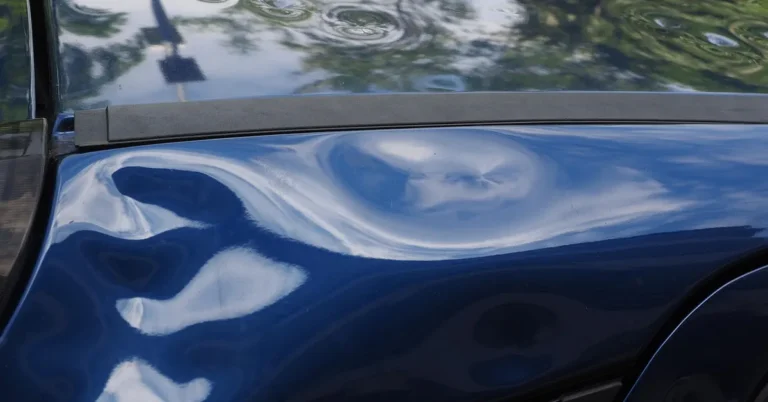
Yes, acetone can damage car paint. It is a fast-evaporating solvent that can soften, dull, or strip a clear coat, and the risk goes up sharply if the paint underneath hasn’t fully cured.
Acetone shows up in nail polish remover, super glue debonders, and a lot of shop-grade cleaners, so it’s easy for a little to end up near your car without much thought. The real answer isn’t a flat “never touch it” — body shops actually use acetone on purpose in one specific situation, and knowing that difference is what separates a five-second scare from an actual repaint bill.
Below is what acetone does to factory paint versus a fresh respray, how professionals use it as a diagnostic tool, the real warning signs of damage, and what to reach for instead if you just need to clean the car.
What Acetone Actually Does to Car Paint
CLEARCOAT-SAFE ALTERNATIVE
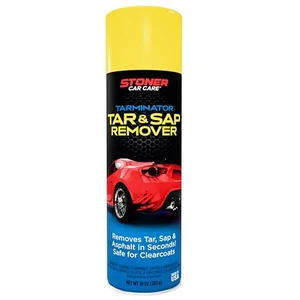 |
Stoner Car Care Tarminator Tar & Sap Remover, 10 oz – $9.38 Built to dissolve tar, sap, and adhesive on contact without the acetone risk to a clear coat — the job most people reach for acetone to do in the first place.
|
Acetone is a strong, fast-evaporating solvent. It’s blended into paint industry products specifically because it can dissolve resins, and factory and refinish clear coats are resin-based. Whether that turns into visible damage on your car depends almost entirely on one thing: how fully cured the paint is.
On a factory clear coat that’s had months to fully cure, a brief, accidental splash that’s wiped off right away usually isn’t catastrophic — it may dull the gloss in that exact spot or strip the wax underneath, but it’s unlikely to eat through the coating in seconds. On a car that was repainted or touched up within the last few weeks, the story is very different. Fresh clear coat is still chemically hardening, and acetone can soften or partially dissolve it almost on contact.
Letting acetone sit — a puddle from a knocked-over bottle, a soaked rag left in place, or repeated rubbing over the same spot — is what turns “probably fine” into real damage on any finish, cured or not.
Why Body Shops Actually Use Acetone (On Purpose)
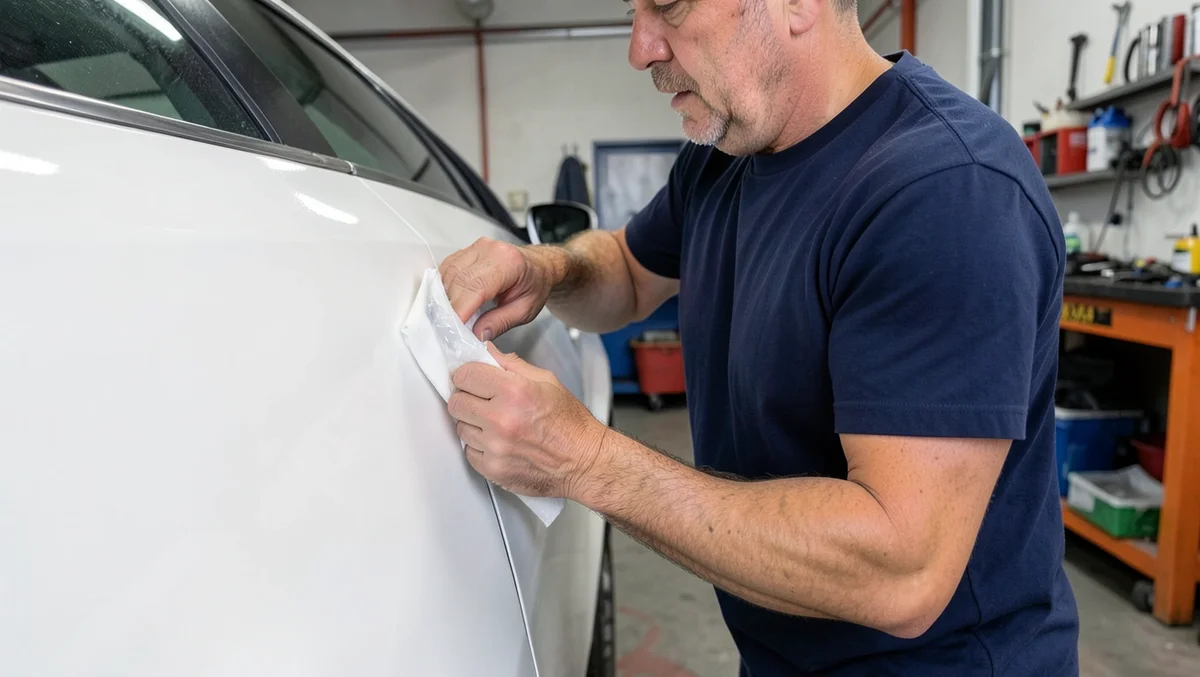
This is the part most articles on this topic skip: acetone isn’t just a hazard to avoid, it’s also a diagnostic tool that body shops and painters use on purpose. When a panel has just been repainted, a technician will dab a cotton rag with a little isopropyl alcohol first — a gentler solvent — and rub a small, hidden section (the inside of a door jamb, for example). If nothing transfers, they may step up to acetone as a stronger check.
If the rag comes away clean, the paint has fully cured and hardened enough to resist a strong solvent. If color transfers onto the rag, the clear coat is still soft and isn’t ready for waxing, polishing, or full exposure to the elements. That’s exactly why acetone dissolves uncured coatings quickly: it’s also used to clean spray equipment right after a job, before the catalyzed paint has a chance to harden inside the gun.
The takeaway for a car owner isn’t “go test your own paint with acetone.” It’s that the real danger zone is fresh paint, not a decade-old factory finish — and if your car has been painted or touched up recently, treat it as far more acetone-sensitive than usual.
Signs Acetone Has Affected Your Paint
If acetone has been in contact with a spot on your car for more than a quick wipe, watch for these signs:
- Dulling or hazing — the treated spot loses its gloss and looks slightly cloudy compared to the surrounding paint
- A rougher texture — the surface feels slightly gritty or uneven under your fingertip where it used to feel smooth
- Color that looks lighter or washed out — this is the wax and top layer of clear coat being stripped away, not the base color itself changing
- Softness right after contact — if you can leave a fingernail mark in the spot within a minute or two of exposure, the clear coat has softened
Bubbling or visible cracking is possible, but it usually only shows up after heavier or repeated exposure, not a single brief splash — so don’t panic if you catch a small spill fast. A dulled spot from a quick wipe can often be brought back with polish and a fresh coat of wax; a spot that’s gone soft, rough, or has visibly lifted paint needs a professional look before you make it worse trying to fix it yourself.
What to Do If Acetone Spills on Your Car
- Act immediately. Time in contact matters more than the amount spilled.
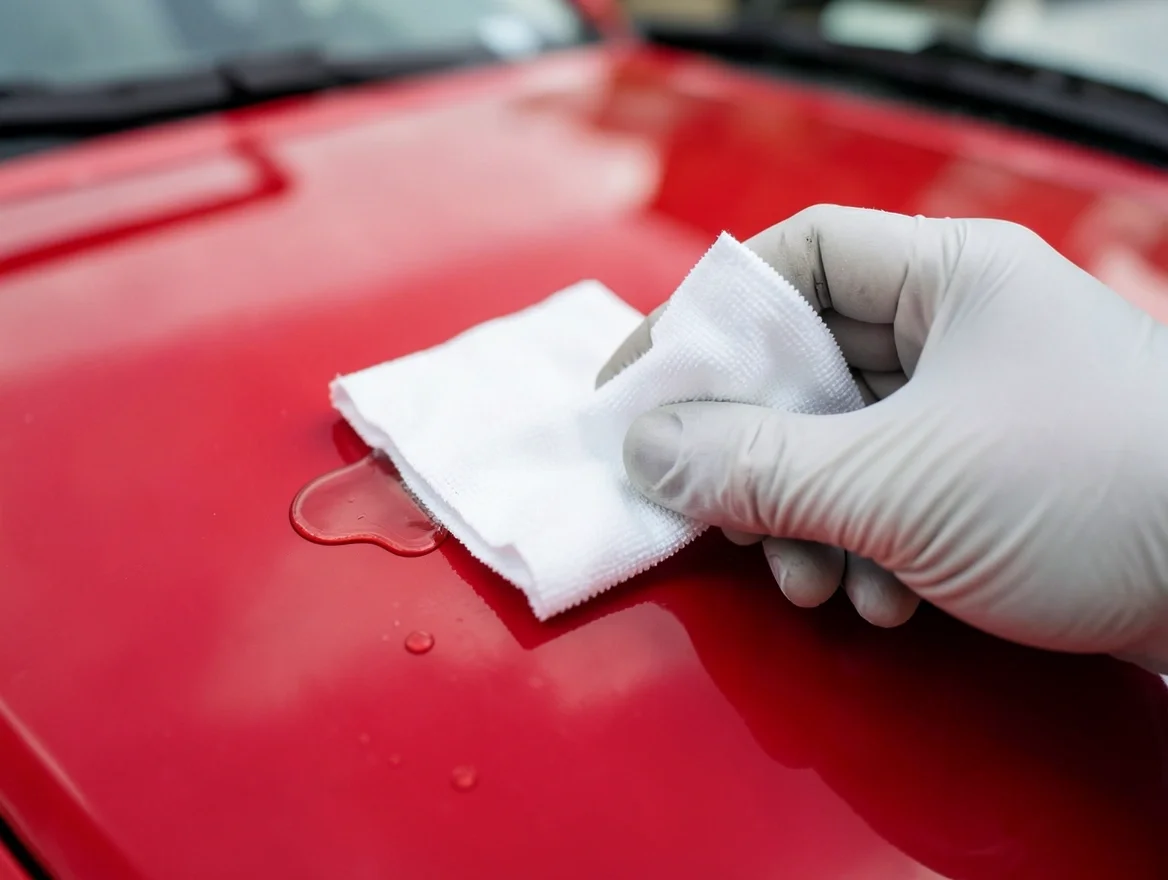
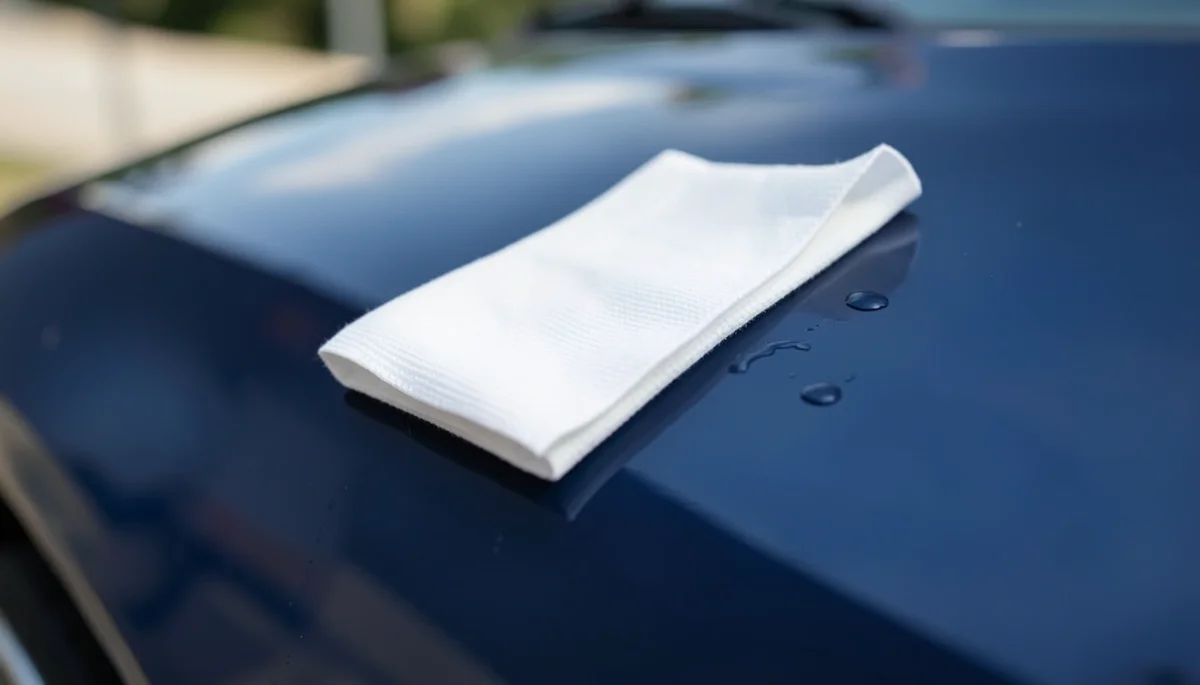
- Blot, don’t wipe. Press a clean microfiber cloth straight down onto the spill. Dragging or rubbing spreads the acetone across more paint instead of lifting it.
- Rinse with water right away. Flush the area with plain water to dilute and carry off any remaining acetone before it has more time to work.
- Wash with mild car soap. A gentle pH-neutral car wash soap and water removes any residue without adding another harsh chemical to an already-stressed spot.
- Check it once it’s dry. Look for dulling or a rough feel. If the spot is dull but smooth, a coat of wax may be all it needs. If it’s rough, soft, or visibly damaged, treat it as a repair job rather than a maintenance one.
Safer Alternatives to Acetone for Car Cleaning
For everyday cleaning jobs on painted surfaces, there’s rarely a reason to reach for full-strength acetone at all:
- Isopropyl alcohol, diluted 50/50 with water — the standard detailer choice for wiping down paint before waxing or applying a ceramic coating. It cuts oils and residue without the same solvent strength as acetone.
- A dedicated tar and adhesive remover — made specifically to be safe on clear coats while still handling the sticky, stubborn stuff acetone is often reached for.
- Mild car wash soap and warm water — for general dirt and grime, this is the gentlest option and the right daily default.
Acetone isn’t the only household chemical that can catch car paint off guard — see our full breakdown of what liquids damage car paint for the rest of the list, from brake fluid to bird droppings.
Frequently Asked Questions
Is acetone safe on car paint?
Not as a general rule. Acetone can soften and dull a car’s clear coat, and the risk is much higher on paint that was applied or touched up recently and hasn’t fully cured. A brief, accidental splash that’s wiped and rinsed off right away usually isn’t a disaster on fully cured factory paint, but acetone should never be used intentionally as a car cleaner.
Does acetone remove scuff marks on a car?
It can lift some scuff and transfer marks, but it’s not the recommended method because of the clear coat risk. A rubber-eraser detailing wheel or a dedicated scuff/scratch remover is the safer first choice, with diluted isopropyl alcohol as a backup before acetone.
What solvent is safe on car paint?
Isopropyl alcohol diluted to around 50/50 with water is the standard safer solvent for painted surfaces. It’s strong enough to remove oils, wax, and light residue without the aggressive solvency of acetone, paint thinner, or lacquer thinner.
Will acetone remove paint?
Yes, with enough exposure. That’s exactly why body shops use it as a paint-cure test — it will dissolve or lift paint that hasn’t fully cured, and prolonged or repeated contact can eventually strip even a hardened clear coat.
How long can acetone sit on car paint before it causes damage?
On fresh or uncured paint, damage can start within seconds. On a fully cured factory finish, a quick accidental contact that’s blotted and rinsed within a minute or so is generally low-risk, but there’s no safe “wait and see” window — the longer acetone sits, the more likely it is to dull the finish or soften the clear coat underneath.
Conclusion
Acetone can genuinely damage car paint, but the risk depends heavily on whether the paint underneath has fully cured. On old, hardened factory paint, a fast accidental splash that’s blotted and rinsed right away is usually recoverable. On a fresh respray, it’s a real threat — which is exactly why professionals use it as a cure test rather than a cleaner.
For everyday cleaning, skip acetone entirely. Diluted isopropyl alcohol, a clear-coat-safe tar and adhesive remover, and plain car wash soap handle almost everything acetone gets reached for, without the gamble.
Products related to this article
Sponsored / affiliate links. As an Amazon Associate I earn from qualifying purchases. I may earn additional commission from eligible campaigns.
 Car Scratch Remover for Vehicles, Car Paint Scratch Repair Kit for Light Scratches, Swirl Marks, Scuffs & Water Spots, Comes with Sponge, Safe for All Paint Colors, 100g, 1 Pack
 3-in-1 Car Paint Quick Coating Spray, Fast Scratch Remover for Cars, Car Scratch Remover Paste, Removes Scratches, Dirt, Grease and Stains from All Surfaces for All Vehicle Surfaces (120G,5PC)