What Does Body Lubricated Mean on a Car: Essential Insights Revealed
Have you ever come across the term “body lubricated” when looking at a car and wondered what it really means? Understanding this phrase can help you take better care of your vehicle and avoid costly repairs.
If you want to know why lubrication matters for your car’s body and how it affects its performance and lifespan, keep reading. This article will clear up the mystery and give you practical tips you can use right away.
Body Lubrication Basics
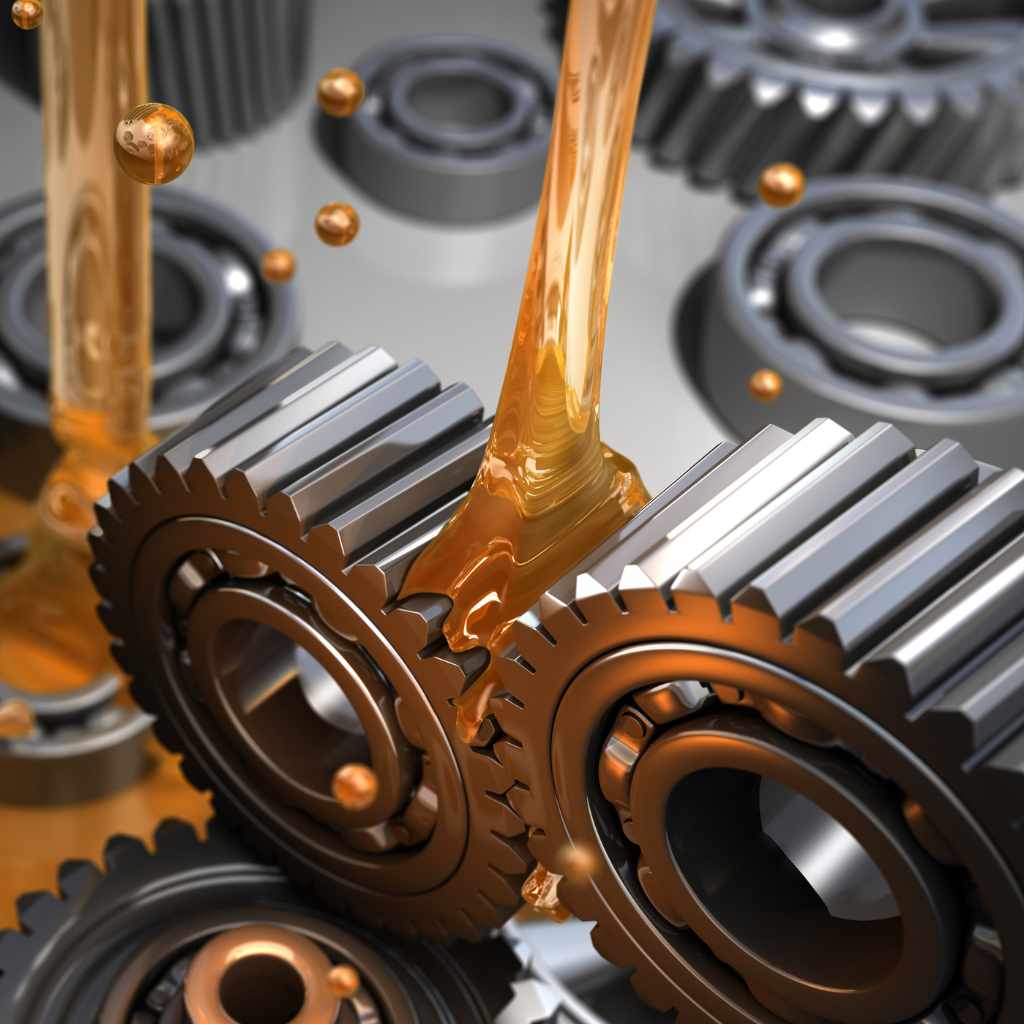
Body lubrication on a car means applying grease or oil to parts of the car’s body. This process helps keep the moving parts working smoothly. It stops metal parts from rubbing against each other and causing damage.
Regular lubrication also protects parts from rust and wear. It keeps your car running quieter and longer. Understanding the basics of body lubrication helps with car care and maintenance.
Purpose Of Body Lubrication
Body lubrication reduces friction between moving parts. It prevents wear and tear on hinges and joints. Lubrication helps parts move freely without sticking or squeaking. It also protects metal surfaces from rust and corrosion. Without lubrication, parts can become noisy or hard to move. This can lead to costly repairs over time.
Common Lubrication Points
Common points for lubrication include door hinges and locks. Trunk hinges and latch mechanisms also need grease. Hood hinges require lubrication to open smoothly. Window tracks and sunroof seals benefit from regular oiling. These areas often face friction and exposure to dirt. Keeping them lubricated ensures smooth operation and longer life.
Types Of Lubricants Used
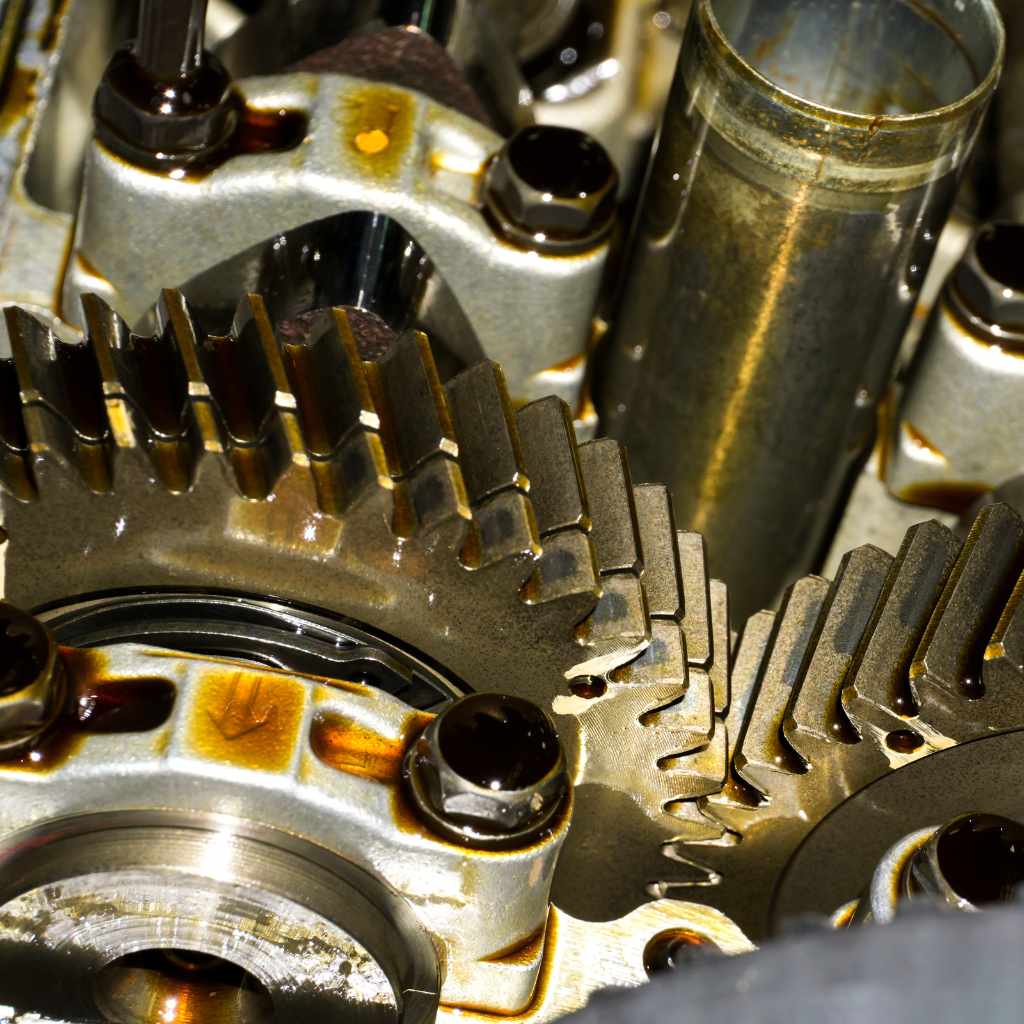
Understanding the types of lubricants used on a car helps explain what “body lubricated” means. Lubricants keep parts moving smoothly and protect them from wear. Cars use different lubricants depending on the part and its needs. Some are thick and sticky, while others are thin and runny. Each type has a special role in the car’s maintenance.
Greases Vs Oils
Grease is thick and stays in place. It works well on parts that move slowly. Grease protects against dirt and water. It also stops metal from rubbing directly on metal.
Oils are thin and flow easily. They move through small spaces and cool parts by carrying heat away. Engines and transmissions mostly use oils. Oils need to be changed regularly to keep the car running well.
Specialty Lubricants For Cars
Some parts need special lubricants. These include silicone-based and synthetic types. They work well under extreme temperatures or heavy loads. Specialty lubricants last longer and protect better than regular ones.
Brake parts use special lubricants that do not attract dust. Electrical parts may need lubricants that do not conduct electricity. Using the right lubricant keeps the car safe and efficient.
Benefits Of Proper Lubrication
Proper lubrication keeps a car’s body and parts in good shape. It helps parts move smoothly and stops damage. Lubrication also protects the car from harmful elements.
Cars face many challenges like heat, friction, and moisture. Proper lubrication fights these problems and keeps the car strong. It makes the car last longer and drives better.
Reducing Wear And Tear
Lubrication cuts down friction between moving parts. Less friction means parts do not wear out fast. The car runs smoother and needs fewer repairs. Proper lubrication saves money on fixing worn parts.
Preventing Rust And Corrosion
Lubricants create a barrier against water and air. This barrier stops rust from forming on metal parts. Rust and corrosion can break down the car’s body. Using the right lubricant keeps metal clean and safe from damage.
Signs Your Car Needs Lubrication
Knowing the signs your car needs lubrication helps keep it running smoothly. Lack of lubrication causes parts to wear out fast. This leads to costly repairs and poor car performance. Early detection saves money and prevents bigger problems. Watch for simple signs that show your car needs attention.
Squeaks And Noises
Squeaks or unusual noises come from dry parts rubbing together. These sounds often happen when you start the car or turn the steering wheel. Noises mean metal parts lack oil or grease. Ignoring these sounds can cause serious damage. Listen carefully to your car’s usual sounds to notice changes.
Stiff Or Difficult Movements
Parts that move stiffly or with difficulty need lubrication. Doors, windows, and the steering wheel may feel hard to move. This stiffness means the lubricant has dried out or is missing. Moving parts need smooth motion to avoid damage. Regular lubrication keeps your car parts working easily and safely.
DIY Lubrication Tips
DIY lubrication helps keep your car’s body parts working smoothly. It stops parts from wearing out fast. Doing this yourself saves money and time. You just need to know the right tools and safe ways to do it.
Lubricating your car’s body is simple with the right steps. This guide shows what you need and how to stay safe.
Tools You’ll Need
Start with a good spray lubricant made for cars. A clean cloth is helpful to wipe dirt. Use a small brush for tight spots. Gloves protect your hands from grease. A flashlight helps see dark areas. Keep a container for old rags to avoid mess.
Safe Lubrication Practices
Always work in a well-ventilated place to avoid fumes. Wear gloves to protect your skin. Avoid spraying on brakes or tires. Use a cloth to catch drips. Check the car manual for specific advice. Do not over-lubricate; too much can attract dirt. Clean parts before applying lubricant for best results.
Professional Maintenance Advice
Keeping your car’s body well lubricated helps it run smoothly and last longer. Regular professional maintenance ensures all moving parts stay protected. It stops wear and tear caused by friction and weather. Knowing when to visit a mechanic and what happens during service saves time and money.
When To See A Mechanic
Listen for unusual noises like squeaks or grinding sounds. These can signal dry or worn parts. Check for stiffness or difficulty in opening doors and windows. Notice any rust or corrosion on hinges and joints. Schedule a mechanic visit if lubrication seems old or dirty. Regular check-ups every 6 to 12 months keep your car in top shape.
What To Expect During Service
The mechanic cleans and inspects all body parts needing lubrication. They apply the right type of lubricant to hinges, locks, and joints. Old grease and dirt get removed to avoid damage. The service often includes checking seals and weatherstripping. Proper lubrication reduces noise and improves part movement. After service, your car feels smoother and parts last longer.
Frequently Asked Questions
What Does Body Lubricated Mean On A Car?
Body lubricated means the car’s moving body parts are properly greased. This reduces friction, wear, and noise during operation. It ensures smoother movement and extends the vehicle’s lifespan.
Why Is Body Lubrication Important For Cars?
Body lubrication prevents metal parts from rubbing directly. It reduces friction, avoids damage, and improves performance. Proper lubrication also helps protect against rust and corrosion.
How Often Should Car Body Lubrication Be Done?
Car body lubrication should be done every 6 to 12 months. Frequency depends on driving conditions and climate. Regular lubrication maintains smooth operation and prevents premature wear.
Which Parts Of A Car Need Body Lubrication?
Parts like door hinges, locks, and suspension components need lubrication. These parts move frequently and require grease or oil to function smoothly. Proper lubrication reduces noise and wear.
Conclusion
Body lubricated on a car means the body parts get oil or grease. This helps parts move smoothly and stops rust. It keeps the car strong and lasts longer. Regular lubrication reduces noise and wear. Knowing this helps you care for your vehicle better.
Keep your car clean and lubricated to avoid problems. Simple steps can save you money and time. Stay aware of your car’s needs for a safer drive.