What Does EX-L Mean On A Car? Proven Essential
The trim level designation “EX-L” on a car, most famously used by Honda, stands for “EXtra Luxury.” It signifies a mid-to-upper trim package that adds premium features, better materials, and more technology above the standard EX model, offering a great balance of comfort and value.
Have you ever looked at a car listing and seen those letters—EX-L—and wondered what they really mean? You are definitely not alone! These little acronyms are used by car makers to quickly tell you what version of the car you are looking at. It can feel like a secret code. If you see EX-L on a popular model, it usually means you are getting a step up in comfort and features without jumping to the absolute top-tier price tag. Knowing what EX-L means helps you shop smarter and ensures you get the features you truly want. Let’s break down this common trim level so you can buy your next vehicle with total confidence. We will explore exactly what those letters stand for and what upgrades you can expect!
Understanding Car Trim Levels: The Alphabet Soup of Automaking
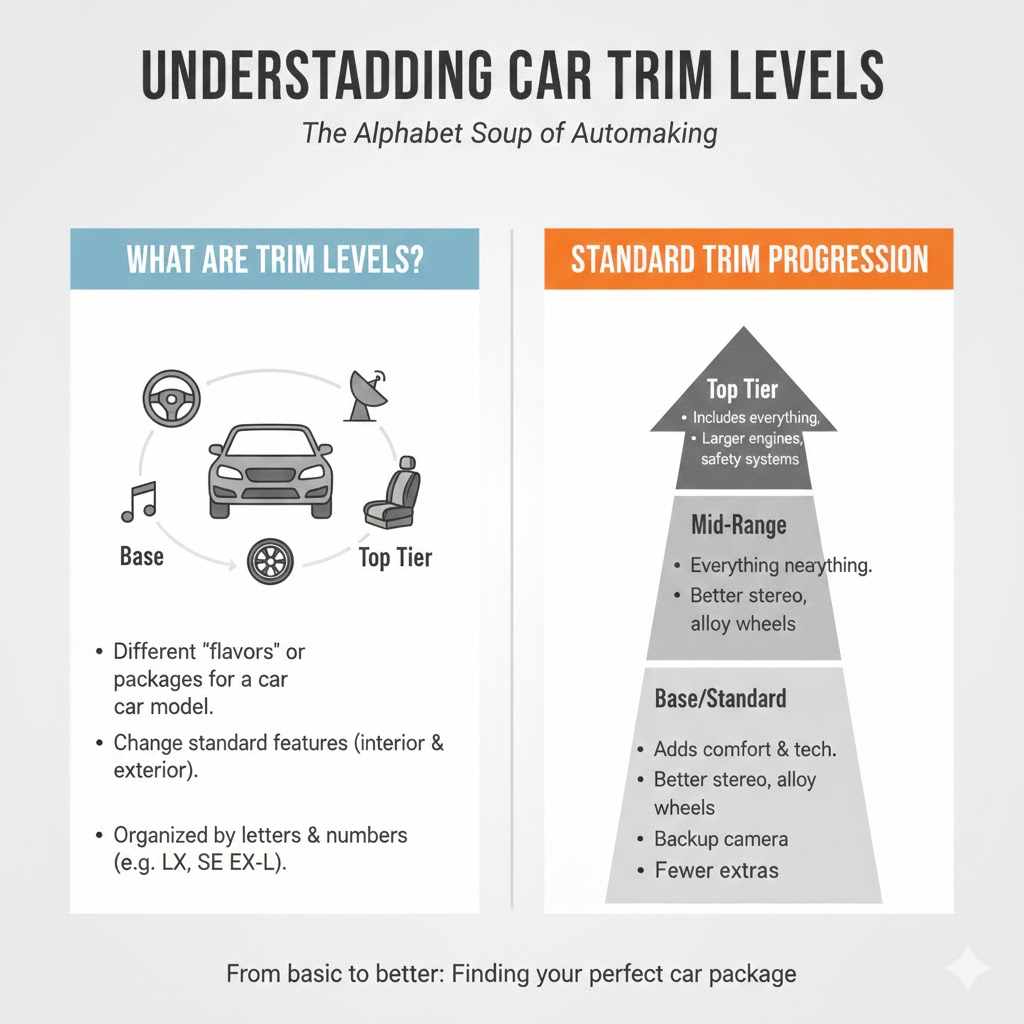
Before we dive into EX-L specifically, let’s talk about trim levels in general. Think of a car model, like the Honda Accord or the Toyota Camry. That model is the base recipe. The trim levels are the different “flavors” or packages you can order that change what comes standard inside and outside the car. Manufacturers use these letters and numbers to organize the options clearly.
Generally, trim levels start basic and get fancier as you move up the list. Common starting points might be LX, SE, or Base. Then you move into the more desirable packages.
The Standard Progression: From Basic to Better
While every brand uses its own system, the general trend often looks something like this:
- Base/Standard: The entry point. It has everything required to drive safely, but fewer extras.
- Mid-Range: Adds popular comfort and tech items like better stereo, alloy wheels, or backup cameras.
- Top Tier/Luxury: Includes everything, often adding leather, navigation, larger engines, or advanced safety systems.
The “EX-L” fits perfectly into that desirable mid-to-upper range, signaling a noticeable upgrade over the standard offerings.
What Does EX-L Mean? Deconstructing the Acronym
The EX-L designation is most famously associated with Honda, though other manufacturers sometimes use similar naming conventions. When you see EX-L, it’s a combination of two distinct package identifiers:
- EX (Extra Features): This signifies a trim level that already includes a good amount of desirable features beyond the base model. Think of it as “Enhanced” or “Extra Features.”
- L (Luxury): This letter signifies the addition of luxury touches. This is the key upgrade that separates the EX from the EX-L.
Putting them together, EX-L essentially means “Extra Features + Luxury.” It’s designed for the driver who wants comfort, convenience, and technology without paying for the absolute highest trim level available (which might be designated Touring or Elite).
Why Does This Matter to You, the Driver?
When you are shopping for a used or new car, recognizing EX-L instantly tells you a few things without needing to read the entire features list:
- Interior Quality: You should expect upgraded seating materials.
- Technology: You likely get better connectivity and convenience features.
- Value Proposition: EX-L trims often represent the best blend of features vs. price.
The Essential Upgrades: What the “L” Brings to the Table
The main difference between an EX model and an EX-L model usually boils down to the “L”—the Luxury upgrade. This upgrade almost always centers around the seating and cockpit experience. If you hate cloth seats or need better sound insulation, the EX-L is where you want to land.
1. Seating Materials: The Biggest Change
This is often the defining characteristic of the “L” trim.
- EX (Standard): Usually features high-quality cloth upholstery.
- EX-L (Luxury): Almost always upgrades to leather or leatherette seating surfaces. This makes cleaning easier and provides a more premium feel.
2. Comfort Controls
Luxury often means less manual effort. EX-L trims frequently add power adjustments:
- Power Driver’s Seat: Allows you to fine-tune your driving position with the touch of a button.
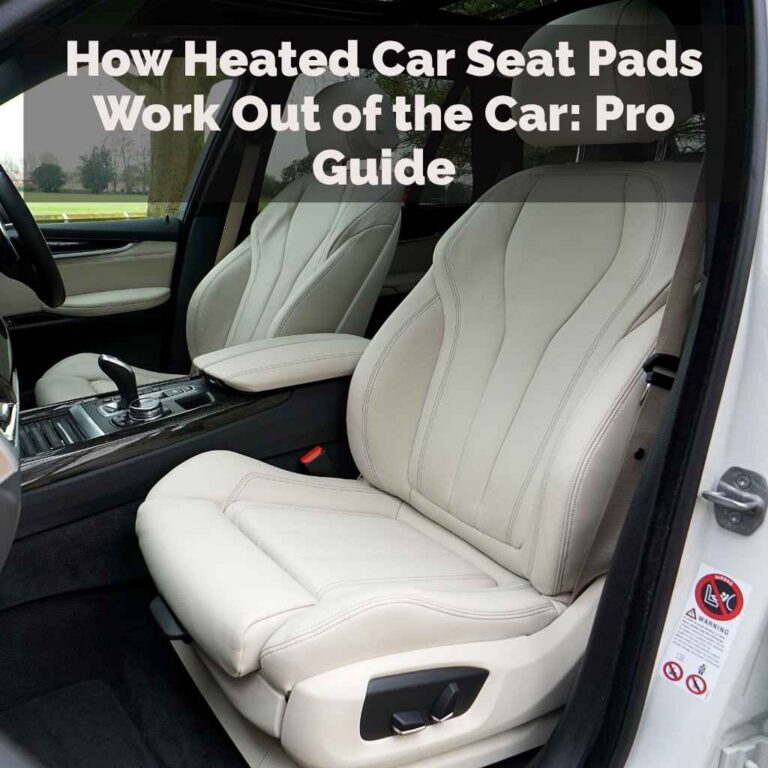
- Heated Front Seats: A staple of the L trim, essential for colder climates.
3. Cabin Tech and Audio
While the standard EX might have a good infotainment screen, the EX-L often enhances the experience:
- Premium Audio System: Look for branded or upgraded speaker systems over the standard setup.
- Added Connectivity: Sometimes includes features like a built-in navigation system (though this is becoming less common as phone projection takes over) or an improved sound system.
4. Exterior Enhancements
While interior upgrades are key, the exterior often gets subtle visual tweaks:
- Fog Lights: Frequently standard on EX-L, optional or unavailable on lower trims.
- Wheels: Might feature slightly larger or more stylized alloy wheels than the EX version.
Comparing EX vs. EX-L: A Feature Snapshot
To make this crystal clear, let’s look at a typical comparison across a popular vehicle line, such as a mid-sized sedan or crossover. Remember, these are general trends, and checking the specific model year’s brochure is always the best practice.
| Feature Area | EX Trim Level | EX-L Trim Level (The Luxury Step Up) |
|---|---|---|
| Seating Material | Cloth Upholstery | Leather or Leatherette Seating |
| Driver Seat | Manual Adjustments (or 6-way power) | 8-way Power Driver’s Seat |
| Front Seats | Standard temperature control | Heated Front Seats |
| Sunroof/Moonroof | Often Standard | Often Standard (Sometimes larger/power tilt) |
| Audio System | Standard System | Upgraded Audio System or more speakers |
| Interior Trim | Standard plastics/cloth accents | Leather-wrapped steering wheel, wood-grain or metallic accents |
As you can see, the investment in moving from EX to EX-L often buys you tangible comfort and material upgrades that you interact with every single time you enter the car.
The Importance of Trim Knowledge for Used Car Buyers
If you are shopping in the used market, understanding EX-L is crucial for getting the best deal. Buyers often overlook the trim level, focusing only on mileage and year. This can lead to two mistakes:
- Overpaying: Paying a premium price for an EX model thinking it has leather seats when it actually doesn’t.
- Under-appreciating: Finding a clean EX-L for the same price as a base model because the seller didn’t list the trim correctly.
How to Verify the Trim Level
Never rely solely on a seller’s description. Always verify the features:
- Check the Sticker: If possible, look at the original Monroney Sticker (the window sticker) if the car is new or very recent. For used cars, look for the badge on the trunk lid.
- Verify Interior Materials: Sit in the seat. Does it feel like cloth or leather? Check for seat heating buttons.
- VIN Decoder: You can use a Vehicle Identification Number (VIN) decoder tool online (many are available for free) to pull up the exact factory build sheet for that specific car. This removes all guesswork. The codes often reveal the specific options package installed.
Knowing the trim level helps you compare apples to apples when looking at different vehicles. A 2019 EX-L is generally more comparable to a 2019 Limited than it is to a 2019 LX.
Beyond EX-L: What Comes Next?
For completeness, it’s helpful to know where EX-L sits in the overall hierarchy, especially for brands like Honda, which frequently use this designation.
Typical Hierarchy (Example based on Honda nomenclature):
- LX (Base)
- EX
- EX-L (The Focus Here)
- Touring or EX-L Navi (Mid-High, often adds built-in navigation or larger screens)
- Touring Elite or similar top-tier badge (The absolute highest level, often adding unique wheels, premium audio, or advanced driver assists not available elsewhere).
The jump from EX-L to the top trim often involves technology or powertrain differences (like a slightly larger engine option or specialized suspension tuning), whereas the jump from EX to EX-L is predominantly about material luxury (leather, better sound).
For the average driver looking for a comfortable, well-equipped daily commuter, the EX-L often represents the sweet spot in the lineup. It provides a tangible sense of premium quality without the highest possible price tag associated with the flagship trim.
Safety Features on EX-L Models
A common misconception is that only the very top trim levels get advanced safety gear. In modern vehicles, especially those from manufacturers committed to standardizing safety like those adhering to recommendations from organizations such as the National Highway Traffic Safety Administration (NHTSA), safety features are often standard across the board, even on base trims.
However, the EX-L level sometimes serves as the gateway to more advanced versions of these systems:
- Standard EX: You will likely get essential safety features like Anti-lock Braking Systems (ABS), stability control, and a multi-angle backup camera.
- EX-L Addition: Depending on the model year, the EX-L may package in advanced driver-assistance systems (ADAS) like Blind Spot Monitoring (BMS) or Rear Cross-Traffic Alert as standard equipment, which might be optional on the standard EX.
When comparing, look specifically for driver aids. If a feature like Adaptive Cruise Control is critical to you, confirm whether the EX-L includes it, as sometimes even this feature waits for the Touring trim.
Maintenance and Longevity of EX-L Features
Owning a car with leather seats (the primary feature of the L) requires slightly different care than cloth seats. This is essential knowledge for any owner wanting to maintain that “luxury” feeling over time.
Caring for Leather (The “L” Feature)
Leather is durable, but it needs conditioning to prevent drying and cracking. Treating your leather correctly will keep your EX-L feeling premium for years.
Simple Leather Care Steps:
- Clean Regularly: Use a dedicated leather cleaner every few months to remove dirt and oils that break down the finish.
- Condition Seasonally: Apply a quality leather conditioner twice a year, especially before harsh winters or hot summers. This keeps the material supple.
- Avoid Direct Sun: If you regularly park outside, using a sunshade can dramatically slow down UV damage and fading on the seats and dashboard trim.
Cloth seats generally require vacuuming and spot cleaning, which is often easier for those who prefer low-maintenance interiors. When budgeting for used car upkeep, remember the potential small cost of leather conditioning products.
Why the EX-L Package Often Offers Superior Resale Value
When it comes time to sell your car, trim level heavily influences its market desirability. Buyers know what EX-L means.
Vehicles that sit in the middle of the feature spectrum often hold their value better than the absolute base models (which feel cheap) or the absolute top models (which often carry a high initial purchase price that owners struggle to recoup).
The EX-L offers a great equilibrium. It has the desirable features (like leather and power seats) that most used car shoppers specifically search for, meaning your car is more likely to sell faster and for a higher percentage of its original value compared to an LX model of the same year.
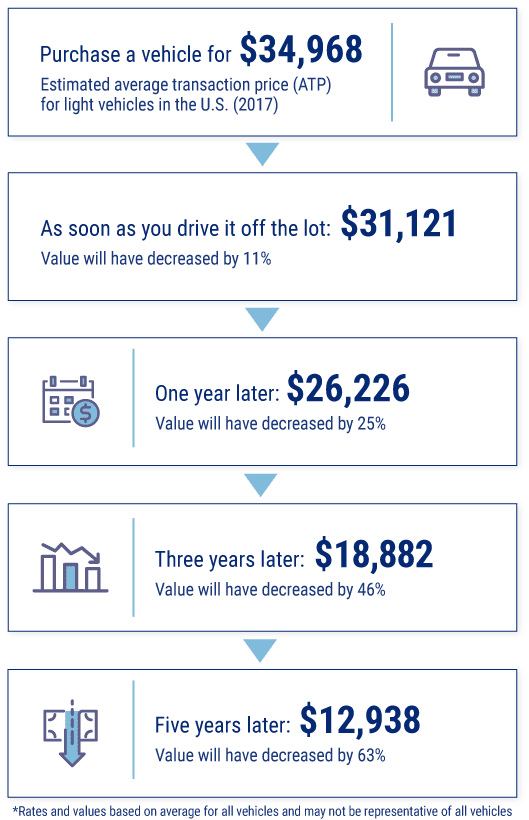
For context, research from automotive valuation experts often shows that skipping major comfort upgrades during the initial purchase can result in a larger depreciation hit because the resulting lower-trim vehicle has a smaller pool of interested second-hand buyers.
Deciding: Is the EX-L Worth the Extra Cost?
If you are debating between an EX and an EX-L, here are the key trade-offs to consider:
| If You Value This… | Go For The EX-L | Stick With The EX |
|---|---|---|
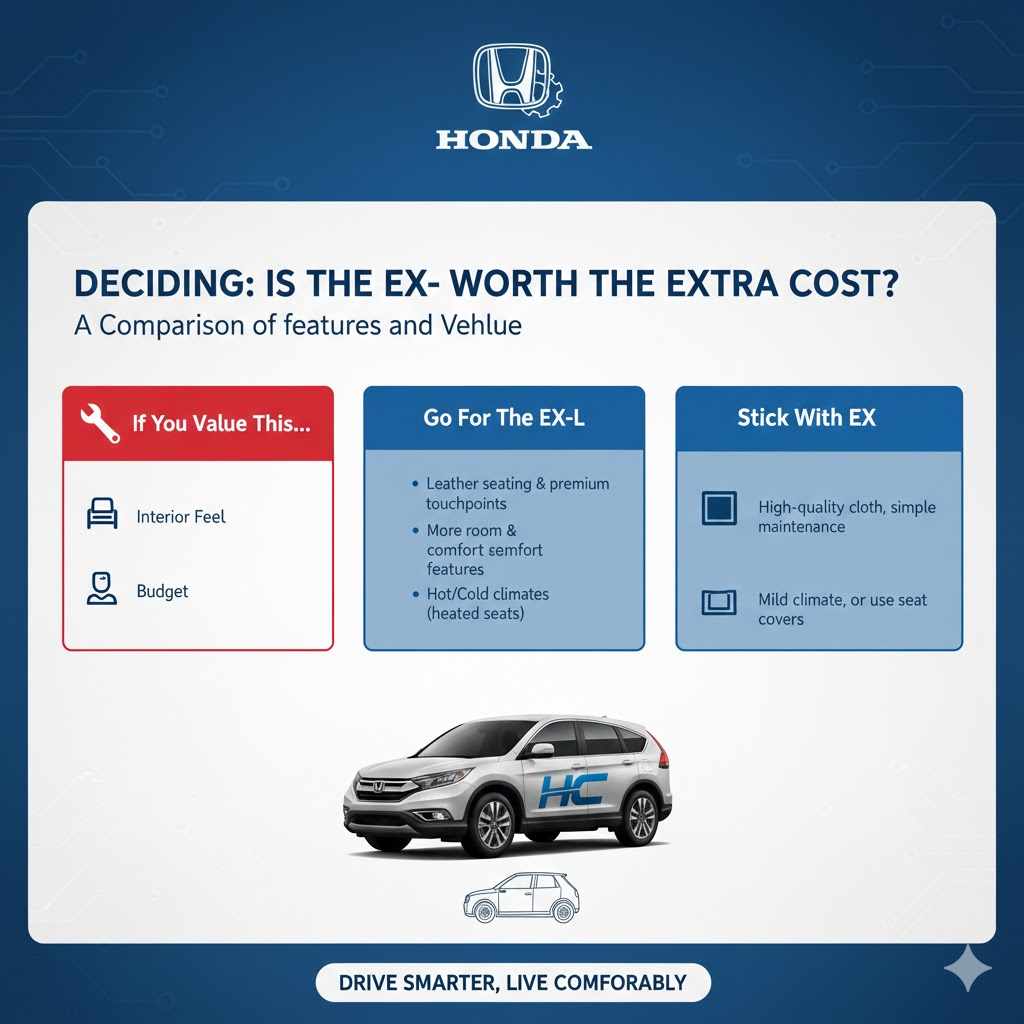
| Interior Feel | Leather seating and premium touchpoints are a must. | You don’t mind high-quality cloth and prefer simple maintenance. |
| Budget | You have a bit more room for desired comfort features. | You need to keep the purchase price as low as possible. |
| Climate | You live in a place with very hot summers (leather is easier to clean) or cold winters (heated seats are great). | Your climate is mild, or you primarily use seat covers. |
For many drivers, the comfort and tactile improvements offered by the “L” package easily justify the typical price increase, which is often only a few hundred dollars on a used model, but represents thousands when new.
Frequently Asked Questions (FAQ) About EX-L Trim Levels
Q1: Does EX-L always mean leather seats?
A: In most major model lines, yes. The “L” in EX-L almost universally signifies an upgrade to leather or high-grade leatherette seating surfaces, which is the main differentiator from the standard EX trim.
Q2: Is the EX-L trim level always a Honda thing?
A: While Honda popularized the EX-L designation, other brands sometimes use similar logic. However, if you see EX-L, you should immediately think of Honda vehicles like the Accord, CR-V, or Pilot, as they use this naming convention most consistently.
Q3: What is usually the trim level above EX-L?
A: The trim level above EX-L is often labeled as “Touring” or sometimes “Touring Elite.” These higher trims usually add technology like built-in navigation or upgraded driver assistance features, on top of the leather you already get with the EX-L.
Q4: Are the engines different between EX and EX-L?
A: Usually, no. The engine and transmission options typically remain the same between the EX and EX-L of the same model year. The difference is almost always in the equipment and interior materials packaged with the car, not the mechanical powertrain.
Q5: Should I prioritize an EX-L over a cheaper LX model?
A: If your budget allows, yes. The EX-L adds significant long-term driver comfort (better seats, better features) that you cannot easily upgrade later. If you spend a lot of time in your car, the difference is worth the investment.
Q6: Do EX-L models include premium sound systems?
A: Often, yes. While the base EX might have six speakers, the EX-L frequently bundles a system with more speakers or a more powerful amplifier, enhancing your daily driving experience significantly.
Conclusion: Confidence in Your Car Choice
Decoding automotive trim levels like EX-L demystifies the car buying process. As we have seen, the letters EX-L are a reliable shorthand for “Extra Features Luxury.” This package signals a significant step up in comfort, material quality—especially leather seating—and convenience features over the base or standard trims.
For you, the everyday driver, recognizing the EX-L badge means you know exactly what you are getting: a well-equipped, premium-feeling vehicle that offers excellent overall value. Whether you are negotiating a price on a used car or researching a new purchase, knowing the value locked inside those letters empowers you to make the smartest decision for your driving comfort and your budget. Keep these simple definitions in mind, and you’ll navigate the dealership lot or online listings like a seasoned pro!