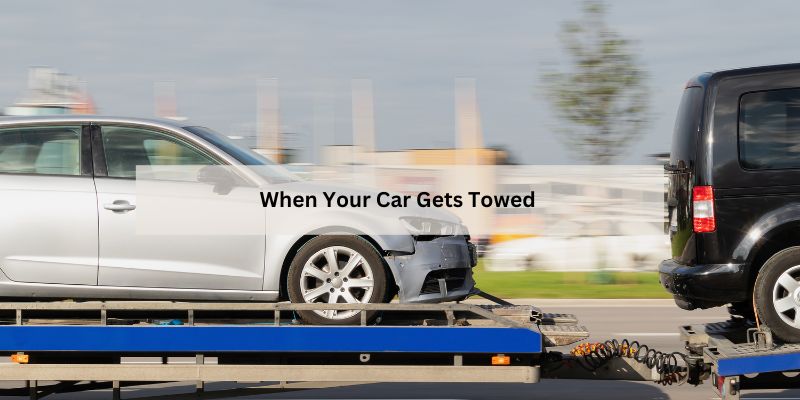
What to Do When Your Car Gets Towed: Steps, Costs & Your Rights
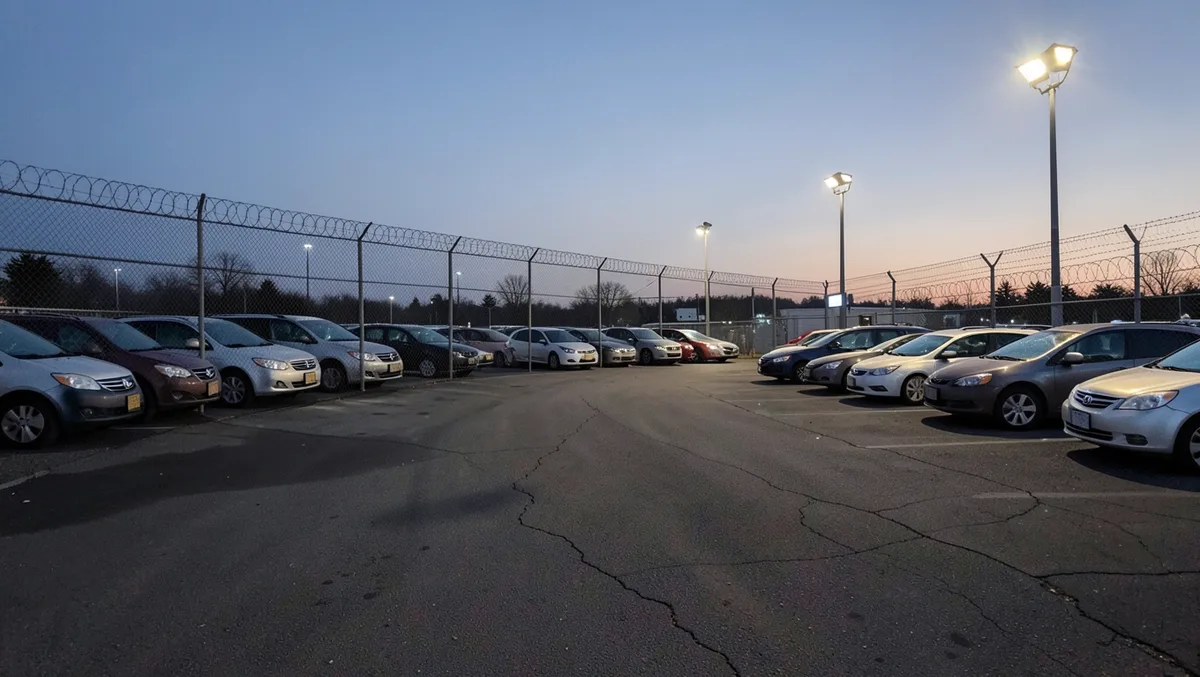
If your car is missing from where you parked it, call your local police non-emergency line first — dispatchers can usually confirm within minutes whether it was towed or actually stolen. If it was towed, they will give you the impound lot’s name, address, and phone number. From there, expect $150 to $600 in combined towing, storage, and fine fees, plus a requirement to bring your license, registration, and a payment method before the yard will release the car.
Here is exactly how the process works, what it typically costs, and what your rights are if you think the tow itself was unfair.
Step 1: Confirm It Was Towed, Not Stolen
Before assuming the worst, walk the block. Look for a “No Parking” or “Tow-Away Zone” sign you might have missed, a temporary sign for construction or street cleaning, or fresh tire marks and debris where your car had been sitting. Those are strong signs of a tow rather than a theft.
If you are sure the car is gone and you cannot see an obvious cause, call your city’s non-emergency police line or its parking authority. Have your license plate number and the car’s make, model, and color ready — most dispatch systems can check towed-vehicle records against that information in a few minutes and tell you immediately whether it was towed and where it went.
Step 2: Find Out Where Your Car Is
Once a tow is confirmed, the police or parking authority will usually give you the name, address, and phone number of the towing company or impound lot handling your case — most cities and counties contract with a small list of approved yards, so this information is on file.
If you cannot reach the police, check the parking sign itself: many “Tow-Away Zone” and private-lot signs list the towing company’s name and phone number directly. You can also call local towing companies you recognize from the neighborhood, or search your city’s official website — many larger cities maintain an online towed-vehicle lookup tool that lets you search by license plate.
Step 3: Gather the Documents You Will Need
Tow yards will not release a car without proof that you are legally entitled to take it. Before you head over, gather:
- Driver’s license — confirms your identity.
- Vehicle registration — confirms you own or are authorized to drive the car.
- Proof of insurance — some yards require this in addition to registration.
- Cash or a card — call ahead to confirm which payment methods the yard accepts, since some still take cash only.
If the car is not registered in your name — say, it was borrowed from a family member — most yards will ask for a signed authorization letter from the registered owner, or the owner’s own ID, in addition to your own. Call the tow yard ahead of time to confirm exactly what they require so you are not turned away.
Step 4: Call the Tow Yard Before You Drive Over
Once you know where your car is, call ahead. Tow yards keep limited hours, and showing up after close can mean an extra night of storage fees and a wasted trip. Before you leave, ask:
- What is the exact address and what are your operating hours today?
- What are the total fees — towing, storage, and any taxes?
- What payment methods do you accept?
- What documents do I need to bring?
Write the answers down. Daily storage fees start accruing quickly, so getting the full total before you drive over helps you avoid a surprise bill at the counter.
What It Costs to Get a Towed Car Back
Fees vary by city, state, and whether the tow was from public streets or private property, but the typical breakdown looks like this:
| Fee Type | Typical Cost | What It Covers | How to Manage It |
|---|---|---|---|
| Towing fee | $100–$300 | Hooking up and hauling the car to the yard | Ask for the exact figure by phone first |
| Storage fee | $20–$50 per day | Keeping the car at the impound lot | Pick the car up the same day if possible |
| Administrative fee | $10–$50 | Paperwork, record lookup, or local taxes | Ask if it is waivable in your city |
| Parking fine | $50–$150 | The original citation, billed separately in most cities | Many cities let you pay this online |
Bring a bit more cash or credit than the phone quote — taxes and last-minute add-ons are common. If money is genuinely tight, see the section below on payment plans and fee waivers before you assume you have no options.
Step 5: At the Tow Yard
Double-check the address and hours before you leave, and bring a friend if you can — it helps to have a second person for the walk-around inspection. Once you arrive:
- Stay polite. Yard staff deal with frustrated customers constantly, and a calm, direct approach tends to move things faster.
- Inspect the car before signing anything. Walk around it fully before you drive off.
- Pay and keep the receipt. You may need it later if you dispute a fee or file an insurance claim.
- Test the car before leaving the lot. Start the engine, check the dashboard warning lights, and confirm it drives normally.
The whole visit usually takes 30 minutes to an hour, depending on how busy the yard is.
Step 6: Check for Damage Before You Leave
Tow trucks occasionally cause damage during hookup or transport. Before you drive away, walk around the car and look specifically for:
- Scratches or dents on the bumper, rocker panels, or wheel wells — the most common contact points during towing.
- Damaged tires, bent rims, or scuffed sidewalls.
- New alignment or suspension noises when you first drive off.
Photograph anything you find and report it to the tow company before you leave the lot — most licensed towing operators carry liability insurance and have a claims process, but you generally need to document the damage on-site, not days later.
Step 7: Pay Any Outstanding Fines
If the tow was tied to a parking violation, you may owe a separate citation on top of the towing and storage fees. Some tow yards collect this for the city directly; others require you to pay at a municipal office or online portal before your registration is cleared of any hold. Confirm with the tow company or the police which applies in your case, and keep every receipt in case you need to reference it later.
Know Your Rights: When a Tow May Be Illegal
Most towing coverage online stops at “pay the fee and move on,” but towing is one of the more heavily regulated consumer services in most states, and the rules exist specifically to prevent predatory towing. A few protections worth knowing before you assume a fee is final:
- Signage requirements. Private property (an apartment complex or store lot) generally must post a clearly visible, properly worded sign before it can authorize a “non-consensual” tow. If the sign was missing, hidden, faded, or posted after the fact, that is usually strong grounds for a dispute or a refund.
- Payment method rules. Several states require towing companies to accept at least one major credit or debit card, not cash only — California’s AB 2210, for example, requires this for tows from private property. A cash-only demand at the counter is worth questioning.
- “Show up in time” protections. In a number of jurisdictions, if you arrive at your car before it is fully hooked up and ready to move, the tow operator is required to release it, sometimes for a reduced “drop fee” instead of the full towing charge.
- Fee caps and itemized receipts. Many cities cap towing and storage rates for tows initiated by police or a licensed operator, and require an itemized receipt on request. If a yard refuses to itemize the bill, that is a red flag.
These rules vary significantly by state and even by city, so if something about the tow feels off — no visible signage, a cash-only demand, or a bill with no breakdown — it is worth a call to your local consumer protection office or state attorney general before you simply pay and leave. Consumer advocacy groups like the U.S. PIRG Education Fund publish free, state-specific guides on predatory towing if you want to check your rights in advance.
How to Dispute a Tow You Think Was Unfair
If you believe the tow was a mistake — unclear signage, a private lot with no posted warning, or a city error — most jurisdictions let you formally contest it. The general process:
- Gather evidence first. Photograph the parking spot, any signage (or lack of it), and road markings before the scene changes.
- Contact the right office. That is usually your city’s parking authority for a public tow, or the property owner and local police for a private-lot tow.
- Request a hearing. Most cities offer this online or in person, and let you present your photos and explain the situation directly.
- Follow up. Disputes can take weeks to resolve, and a polite follow-up call every week or two keeps your case from stalling.
Not every dispute succeeds, but a clear signage violation or a documented billing error is often enough to get a fee reduced or refunded.
What If You Cannot Afford the Fees Right Now
Towing bills can land at the worst possible time. Before assuming you are stuck, ask about:
- A payment plan. Some tow yards will let you pay a portion up front and settle the rest within a set window.
- A reduced fine. Cities sometimes reduce a parking citation on request, especially for a first offense or a documented hardship.
- A low-income waiver. Some municipalities waive or reduce towing and storage fees for qualifying low-income drivers — ask the parking authority directly, since these programs are rarely advertised.
Whatever you do, do not let the car sit unclaimed. Storage fees compound daily, and unpaid balances can eventually lead to the yard placing a lien on the vehicle or auctioning it off entirely.
Common Reasons Cars Get Towed
Knowing the usual triggers makes it easier to avoid a repeat trip to the impound lot:
- Parking violations — no-parking zones, expired meters, or blocking a driveway or fire hydrant.
- Street cleaning — scheduled cleaning days are one of the most common tow triggers in dense cities.
- Expired registration — some cities actively tow vehicles with outdated tags.
- Apparent abandonment — flat tires, broken windows, or a car sitting untouched for weeks can trigger a tow even without a specific violation.
- Private property — apartment complexes and store lots regularly tow unauthorized vehicles, often through a third-party towing contract.
How to Avoid Getting Towed Again
A few habits make repeat tows far less likely:
- Read every sign carefully, including temporary signs posted for events or construction — these are the ones people miss most often.
- Use a parking app if your city offers one; several show real-time restrictions and street-cleaning schedules.
- Stick to designated parking, even if it means a longer walk.
- Set a phone reminder for timed zones so you never lose track of the clock.
- Check local rules whenever you are parking somewhere unfamiliar — parking laws vary widely between cities.
Conclusion
Having a car towed is stressful and expensive, but it is a solvable problem once you know the sequence: confirm it was towed rather than stolen, locate the impound lot, bring the right documents, and understand the fees before you show up. Inspect the car for damage, settle any fines, and if the tow itself looks illegal — missing signage, a cash-only demand, no itemized receipt — do not assume you have no recourse. A little preparation turns a frustrating afternoon into a manageable errand.
FAQs
How do I know if my car was towed or stolen?
Look for a missing-parking-related sign, fresh tire marks, or debris where the car was. Then call your local police non-emergency line with your license plate number — dispatch can usually confirm within minutes whether the car was towed and, if so, where it was taken.
What if I do not have my registration with me?
Most tow yards will accept another form of proof of ownership, such as an insurance card showing the vehicle, or a digital copy of the registration emailed by your insurer or state DMV portal. Call ahead to confirm what the specific yard will accept.
Can I get my car back without paying the full fee upfront?
Some yards offer short payment plans, and some cities offer low-income fee waivers. Ask directly — these options are rarely advertised, so it usually takes a specific request.
What happens if I never pick up my towed car?
Storage fees add up daily, and after a state-set holding period — commonly somewhere between 30 and 90 days depending on the state — the yard can place a lien on the car and sell it at auction to recover the unpaid fees.
Can I dispute a tow if I think it was unfair?
Yes. Photograph the parking area and any signage, then contact your city’s parking authority (for a public tow) or the property owner and local police (for a private-lot tow) to request a hearing. Missing or unclear signage is one of the strongest grounds for a successful dispute.
Does a towing company have to accept a credit card?
In several states, yes — for example, California law requires tow companies handling private-property tows to accept at least one major credit or debit card, not cash only. Rules vary by state, so if a yard insists on cash only, it is worth confirming your local requirement.
How can I avoid getting towed again?
Read parking signs carefully (including temporary ones), use a parking app if your city offers one, stick to designated spots, and set a phone reminder for timed zones.
Products related to this article
Sponsored / affiliate links. As an Amazon Associate I earn from qualifying purchases. I may earn additional commission from eligible campaigns.