What Fuel Do IndyCars Use? E85 Ethanol, 100% Renewable & Racing Fuel Explained
Have you ever wondered what powers those lightning-fast Indy cars as they zoom around the track? IndyCars run on E85 — a blend of 85% ethanol and 15% gasoline — which delivers high octane, renewable energy for racing at over 200 mph. Since 2023, Shell has supplied a 100% renewable race fuel that cuts greenhouse gas emissions by at least 60% compared to fossil-based gasoline.
IndyCars use E85 ethanol fuel — a blend of 85% ethanol and 15% gasoline with an octane rating of approximately 98–100. Since the 2023 season, Shell provides a 100% renewable race fuel made from second-generation sugarcane ethanol, reducing lifecycle greenhouse gas emissions by at least 60% versus fossil gasoline. The fuel is supplied exclusively by Shell and is not available at retail pumps.
IndyCar Fuel Basics
Understanding the fuel used in IndyCar racing matters for fans and newcomers alike. Fuel powers the cars and affects their speed, performance, and safety. IndyCar fuel is specially made to meet the high demands of racing — it differs significantly from the regular gasoline found in everyday cars.
Fuel Types In Motorsports
Motorsports use different fuel types depending on the series and regulations. Common fuels include gasoline, ethanol, and methanol. IndyCar mainly uses ethanol, a renewable fuel made from plants. Ethanol burns cleaner and helps reduce pollution while providing good power and engine performance. Other racing series use unleaded gasoline or special blends. Each fuel type has unique properties that affect how the car runs on the track.
Why Fuel Matters In Racing
Fuel plays a key role in race strategy and engine power. The right fuel improves efficiency and allows cars to go faster and last longer on the track. Fuel choice also impacts safety — ethanol burns cooler and reduces fire risks versus gasoline. Teams carefully plan their fuel use to minimize pit stops. Fuel quality and consistency help drivers perform at their best throughout a race.
The Fuel IndyCars Rely On
IndyCars rely on a specially formulated fuel to power their high-speed engines. This fuel helps the cars run smoothly and fast on the track. It is not the same as regular gasoline — it’s designed for better performance, higher octane, and environmental sustainability.
Ethanol Blend Explained
IndyCars use a fuel made mostly of ethanol. Ethanol is a type of alcohol made from plants — in IndyCar’s case, primarily from corn and sugarcane. It burns cleaner than regular gasoline, which helps reduce harmful emissions during races.
The fuel contains about 85% ethanol and 15% gasoline — this blend is called E85. It gives the engine more power and improves fuel efficiency. Ethanol also has a higher octane rating, which helps prevent engine knocking. Since 2023, Shell’s 100% renewable version replaces the traditional corn-ethanol E85 with a second-generation sugarcane ethanol blend for the full IndyCar series.
Octane Ratings And Performance
Octane rating measures how well a fuel resists knocking. Knocking can damage the engine and reduce speed. IndyCar fuel has a high octane rating, usually around 98 to 100.
High octane fuel allows engines to run at higher compression ratios. This means more power and faster lap times. The fuel’s special blend supports the extreme conditions of IndyCar racing — temperatures, pressures, and RPMs far beyond anything a street car experiences.
Fuel’s Role In Race Strategy
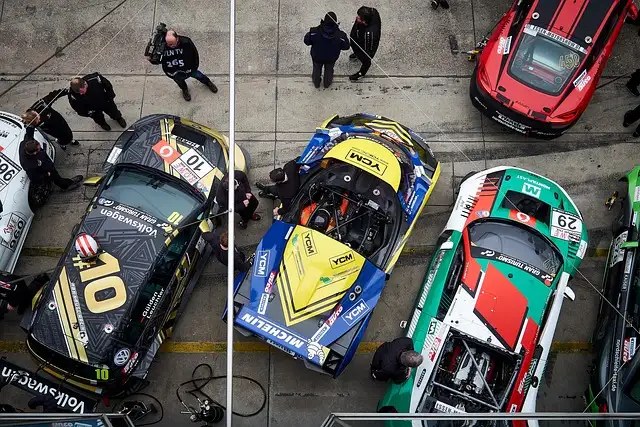
Fuel plays a key role in IndyCar race strategy. Teams plan carefully to balance speed and fuel use. Every choice about fuel affects how fast cars run and how long they can stay on track before pitting. Managing fuel well can make or break a race result.
Impact On Speed And Efficiency
Rich fuel mixtures give more power but burn fuel faster. Lean mixtures save fuel but reduce power. Teams find the best mix to keep cars quick while lasting longer between pit stops. Drivers also adjust their driving style — lifting early into corners, coasting under yellow flags — to save fuel on certain parts of the track.
Pit Stops And Fuel Management
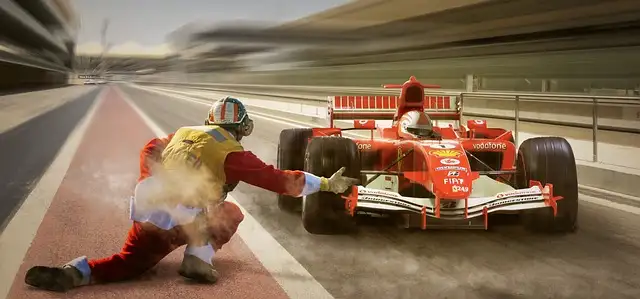
Pit stops are planned around fuel needs. Teams decide when to stop for fuel and tires — stopping too often wastes time, while not stopping enough risks running dry. Fuel management means tracking consumption data in real time. Good fuel management keeps the car running competitively without unplanned stops.
Environmental Impact Of IndyCar Fuel
IndyCar racing uses special fuel that significantly reduces environmental impact compared to traditional motorsport fuels. The switch to Shell’s 100% renewable race fuel in 2023 marked a major milestone — lifecycle greenhouse gas emissions dropped by at least 60% versus fossil-based gasoline.
Benefits Of Ethanol
IndyCars mainly use ethanol, a type of alcohol fuel. Ethanol burns cleaner than traditional gasoline, producing fewer harmful gases like carbon monoxide and sulfur. This helps lower air pollution during races. Ethanol is made from plants that absorb carbon dioxide while growing, helping balance the carbon released during combustion. Using ethanol supports renewable energy and reduces fossil fuel dependence. It also supports domestic farming industries — historically, IndyCar’s E85 came from American corn farmers.
Future Fuel Innovations
IndyCar is pushing further into sustainable fuel options. Shell’s 100% renewable race fuel (introduced 2023) uses second-generation sugarcane ethanol — derived from the waste portion of sugarcane rather than food crops. IndyCar is exploring hybrid powertrains for future engine regulations, and higher-content sustainable fuel blends are expected for the 2028 engine era. The goal: keep the sport fast while significantly reducing its carbon footprint.
Comparing IndyCar Fuel With Other Racing Series
IndyCar’s ethanol-based fuel is distinctive in motorsport. Here’s how it compares across the major racing series:
| Racing Series | Fuel Type | Composition | Octane / Notes |
|---|---|---|---|
| IndyCar | Shell 100% Renewable E85 | 85% renewable ethanol / 15% gasoline | ~98–100 octane; 60%+ lower GHG vs fossil fuel |
| NASCAR Cup Series | Sunoco Green E15 | 85% gasoline / 15% ethanol | 98 octane; unleaded; spec fuel since 2023 |
| Formula 1 | Partner-supplied E10 | 90% fossil fuel / 10% sustainable ethanol | 100+ octane; strictly FIA-regulated; moving to E20 by 2026 |
| IMSA / WEC (LMDh) | Various biofuel blends | Varies by class and partner | Moving to 100% sustainable fuels per FIA/ACO roadmap |
| Top Fuel Drag Racing | Nitromethane | ~90% nitromethane / 10% methanol | Produces 8,000+ hp; burns 15 gallons in 3.7 seconds |
NASCAR Fuel Differences
NASCAR uses Sunoco Green E15 — an unleaded fuel blend closer to what you find at gas stations. The fuel must meet strict safety and quality rules. NASCAR’s fuel is designed for longer races and heavier stock cars, providing steady power over many laps. It differs from IndyCar’s ethanol-dominant blend because NASCAR engines are specifically tuned for gasoline-based combustion chemistry.
Formula 1 Fuel Standards
Formula 1 uses a highly refined petrol blend that must closely resemble commercial gasoline under FIA rules. Currently E10 (90% fossil / 10% sustainable ethanol), F1 is transitioning to higher sustainable content over time. F1 fuel contains additives for better engine performance and focuses on maximizing power in short, high-intensity races. It differs from IndyCar’s ethanol-based fuel in composition and combustion behavior.
Frequently Asked Questions
What type of fuel do IndyCars use?
IndyCars use E85 fuel — a blend of 85% ethanol and 15% gasoline. Since 2023, Shell supplies a 100% renewable version made from second-generation sugarcane ethanol, cutting lifecycle greenhouse gas emissions by at least 60%.
Why is ethanol-based fuel preferred in IndyCar racing?
Ethanol provides higher octane levels (98–100), improving engine efficiency and power at high compression ratios. It also burns cooler than gasoline, reducing fire risk, and produces fewer harmful emissions — making it both a performance and sustainability choice.
How does IndyCar fuel affect race performance?
Fuel quality directly impacts engine power, acceleration, and efficiency. E85’s high octane allows engines to run at higher compression without knocking, supporting the 550–700 HP output needed for 200+ mph speeds.
Is IndyCar fuel different from regular gasoline?
Yes, significantly. IndyCar E85 is 85% ethanol versus the 10% ethanol blend (E10) in most US pump gasoline. The higher ethanol content gives more octane, more cooling, and better environmental performance — but also requires engines specifically built to handle it.
When did IndyCar switch to 100% renewable fuel?
IndyCar switched to Shell’s 100% renewable race fuel for the 2023 season. The fuel is made from second-generation ethanol derived from the waste portion of sugarcane, sourced from Brazil, and reduces lifecycle greenhouse gas emissions by at least 60%.
How much fuel does an IndyCar use per race?
An IndyCar uses approximately 1.3–1.5 gallons of E85 per lap. At the Indianapolis 500 (200 laps), that means roughly 260–300 gallons total. Fuel tank capacity is about 18.5 gallons, requiring multiple pit stops for refueling during the race.
Conclusion
IndyCars run on E85 ethanol fuel — a high-octane, renewable blend that delivers both performance and environmental benefits. Since 2023, Shell’s 100% renewable race fuel has pushed this further, cutting greenhouse gas emissions by at least 60% versus fossil gasoline. Compared to NASCAR’s gasoline-dominant blend or F1’s regulated petrol, IndyCar’s ethanol commitment puts it at the forefront of sustainable motorsport. Fuel choice plays a key role in IndyCar success — every lap, every pit stop, and every lap time reflects the fuel science happening under the hood.
Products related to this article
Sponsored / affiliate links. As an Amazon Associate I earn from qualifying purchases. I may earn additional commission from eligible campaigns.