Henri Paul: What Happened to Princess Diana’s Driver
The driver of Princess Diana’s car was Henri Paul, the deputy head of security at the Hotel Ritz Paris. He died at the scene of the crash on August 31, 1997, along with Dodi Fayed, and Diana died later that morning in hospital.
This page sets out what the official investigations found about the driver and the crash: what happened, what the toxicology showed, what the French inquiry, the Metropolitan Police’s Operation Paget and the 2008 British inquest each concluded, and which early reports were later corrected. It sticks to those findings and does not repeat rumor. Three people died and one survived, and we have tried to write it with that in mind.
What Happened to the Driver of Princess Diana’s Car
| Best Glove Box Escape Tool Pick | |
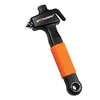 |
Stinger Super Duty Car Emergency Escape Tool, Spring-Loaded Window Breaker and Seat Belt Cutter Best for: keeping a belt cutter and window breaker within reach in a glove box or door pocket Why we picked it: the listing describes a spring-loaded window punch, a seat belt cutting blade and a hanger loop, and it was in stock at $19.99 when checked on 2026-10-12 Main drawback: the listing says it only breaks tempered glass, not laminated glass such as most windshields, and it is no substitute for wearing the seat belt |
As an Amazon Associate we earn from qualifying purchases. Spec-based pick from the listing, not a hands-on test.
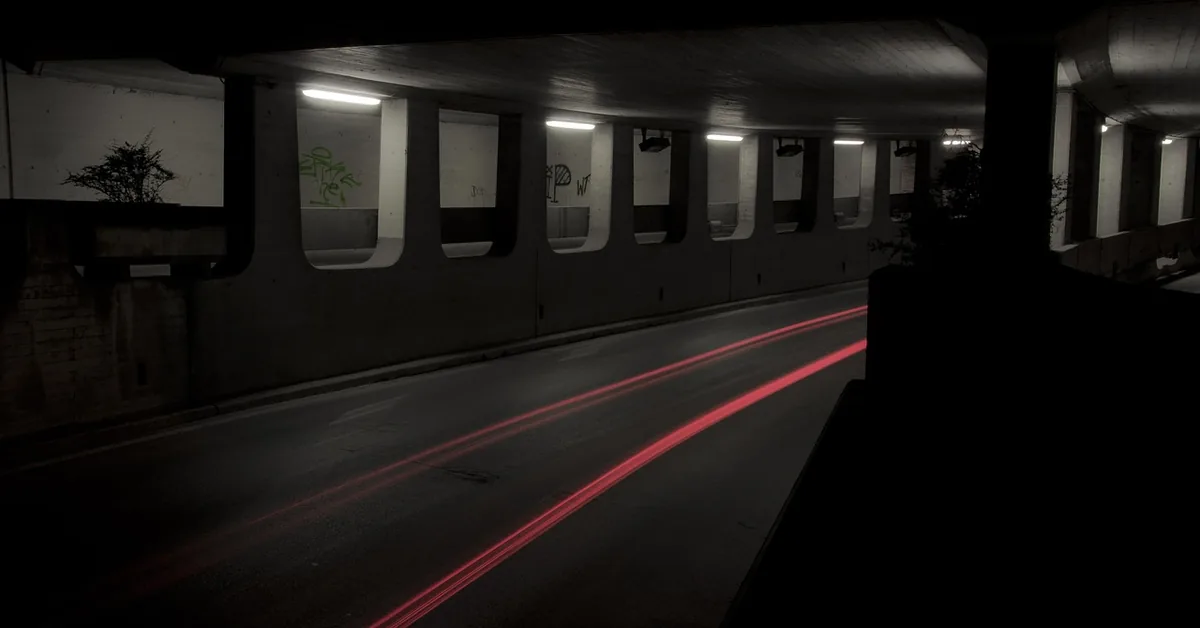
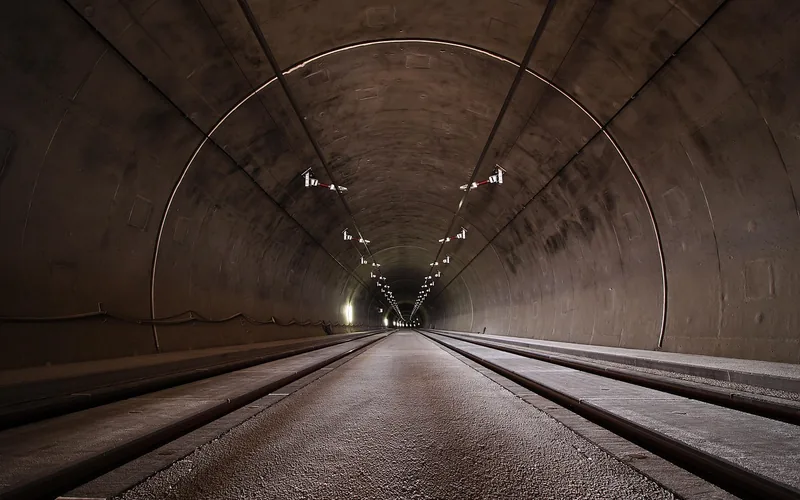
Henri Paul was instructed to drive a hired black 1994 Mercedes-Benz S 280 from the Ritz in Paris on the night of August 30 to 31, 1997. At about 12:23 a.m. local time he lost control at the entrance of the Pont de l’Alma underpass. The car struck a white Fiat Uno, swerved, and hit the 13th pillar supporting the tunnel roof, then spun against the tunnel wall. Paul was pronounced dead at the scene. Trevor Rees-Jones, the bodyguard in the front passenger seat, was the only survivor. Diana was taken to the Pitie-Salpetriere hospital and was pronounced dead at 4:00 a.m.
Those details come from the published accounts of the investigations as summarized in the Wikipedia articles on the crash and on Henri Paul, cross-checked against the Operation Paget and inquest findings described below. The driver of the white Fiat Uno was never located.
The Findings at a Glance
Three official processes examined the crash over eleven years. They did not reach identical wording, which is why you will see different answers online.
| Process | What it concluded |
|---|---|
| French judicial investigation (1999) | About 18 months. Concluded Paul, intoxicated and under the influence of prescription drugs, lost control at high speed and was solely responsible. Its report of roughly 6,000 pages was never published. It rejected conspiracy claims. |
| Operation Paget, Metropolitan Police (report published December 2006) | 832 pages, compiled by a team of 14 officers over nearly three years. Found that the conspiracy allegations were without foundation and that the evidence pointed to an accident. |
| British inquest jury (verdict April 7, 2008) | Unlawful killing, caused by the grossly negligent driving of Henri Paul and of the following vehicles. The jury also listed Paul’s alcohol impairment and the fact that Diana was not wearing a seat belt as contributing factors. |
Henri Paul: Who Was He?
Henri Paul was born on July 3, 1956, so he was 41 when he died. He worked at the Hotel Ritz Paris, where he was deputy head of security. A number of older articles, including an earlier version of this one, call him the head of security. The sources we checked for this update give his title as deputy head, so that is the wording used here.
Earlier that night he had confronted the photographers who were waiting outside the hotel for Diana and Dodi Fayed. Nearly 30 photographers were reported outside the Ritz. We deliberately leave out personal details from tabloid accounts of his life, because we could not trace them to an official finding.
The Car and the Crash Speed
The car was a Mercedes-Benz S 280 from the W140 S-Class generation, a hired, armoured 1994 model. Operation Paget reported that the front airbags functioned normally. Accounts of the scene also note that there was no guard rail in front of the tunnel pillars.
Early news reports spoke of speeds near 190 km/h (120 mph) and a speedometer stuck at that figure. Those numbers were later superseded. The estimate that stood was about 105 km/h (65 mph), with later figures in a range of 95 to 110 km/h (59 to 68 mph), in a zone with a 50 km/h (31 mph) limit. That is roughly double the limit, and it is excessive in an underpass, but it is far below the early headlines.
Toxicology Reports
Three blood tests were run after the crash. They recorded 175, 187 and 180 milligrams of alcohol per 100 milliliters of blood. The French limit at the time was 50 milligrams, so the last result was 3.6 times the limit. Antidepressants and traces of an anti-psychotic medication were also found, and the French investigation said these may have added to his impairment.
| Measure | Figure |
|---|---|
| Tunnel speed limit | 50 km/h (31 mph) |
| Estimated speed at impact | About 105 km/h (65 mph); later range 95 to 110 km/h |
| French legal alcohol limit in 1997 | 50 mg per 100 ml of blood |
| Paul’s final test result | 180 mg per 100 ml, 3.6 times the limit |
| First two test results | 175 mg and 187 mg |
Honest reporting also needs to include the disputes. The Fayed family’s pathologist criticized the first two tests, and in 2006 reports raised the question of whether the samples were from Paul. The investigations nevertheless treated the results as his. Alcohol impairment was listed by the inquest jury as a contributing factor, alongside the driving of the pursuing vehicles.
What the Investigations Concluded
The French inquiry in 1999 put the crash on Paul alone. That is the version still repeated on many websites, and it is incomplete. In 2006 Operation Paget examined the allegations that the crash was planned, and found them without foundation. The 2008 inquest jury then reached a wider verdict: unlawful killing through the grossly negligent driving of Henri Paul and of the following vehicles, which were driven by paparazzi.
In France, nine photographers were originally charged with manslaughter. France’s highest court dropped those charges in 2002. Three photographers were later tried for invasion of privacy, acquitted in 2003, and convicted in 2006 and fined one euro each.
| Common claim | What the records say |
|---|---|
| Paul was solely responsible | This was the 1999 French conclusion. The 2008 inquest verdict named the following vehicles as well. |
| The car was going 190 km/h | Early reports. The estimate that stood was about 105 km/h. |
| Paul was head of security | He was deputy head of security at the Ritz. |
| The crash was planned | Operation Paget found the conspiracy allegations to be without foundation. |
Conspiracy Theories
Many theories have circulated, including that the driver was paid or forced to crash. Operation Paget investigated these allegations in detail and rejected them, and the French investigation had rejected them earlier. We do not repeat them here. The inquest jury’s verdict centered on driving, alcohol and the pursuit, and did not find a plot.
Seat Belts and What Drivers Can Learn
Accounts of who was wearing a seat belt changed over the years. Early reports said Trevor Rees-Jones, the front passenger, was the only one belted. Later accounts differ, and we have not confirmed a single account of every occupant, so we do not state it here. What is on record is that the inquest jury listed Diana not wearing a seat belt as a contributing factor to her death.
The practical lessons are the ordinary ones, and they apply to everyone: wear a seat belt in every seat, do not drive after drinking or while taking medication that warns against driving, and never speed because someone is following you. If you are ever trapped after a crash, call emergency services first. A belt cutter or window breaker is a backup that should be stored within reach, not a plan.
Frequently Asked Questions
Who Was The Driver Of Princess Diana’s Car?
The driver was Henri Paul, the deputy head of security at the Hotel Ritz Paris. He was 41.
What Happened To The Driver Of Diana’s Car?
Henri Paul lost control of the Mercedes at the entrance of the Pont de l’Alma underpass in Paris on August 31, 1997. He died at the scene.
Was The Driver Of Princess Diana’s Car Intoxicated?
Yes. Blood tests recorded 175, 187 and 180 mg of alcohol per 100 ml, and the last result was 3.6 times the French limit. He also had prescription medication in his blood. The Fayed family’s side disputed the samples, but the investigations treated the results as his.
Did The Driver Face Any Charges?
No. Henri Paul died in the crash, so he could not be charged. Nine photographers were originally charged with manslaughter in France and the charges were dropped in 2002.
Was Henri Paul Solely Responsible For The Crash?
The 1999 French inquiry said yes. The 2008 British inquest jury returned a verdict of unlawful killing caused by the grossly negligent driving of Paul and of the following vehicles.
Who Survived The Crash?
Trevor Rees-Jones, Diana’s bodyguard, was in the front passenger seat and was the only survivor. He was seriously injured.
Conclusion
The official record is clearer than the headlines suggest. Henri Paul was the deputy head of security at the Ritz, his blood alcohol was well over the French limit, and the car was traveling at roughly twice the tunnel’s limit. The 2008 inquest also named the pursuing vehicles, and Operation Paget found no conspiracy. The crash remains one of the most examined road collisions in history, and it ended three lives.
For more automotive history, see what car President Kennedy was riding in, where the Bonnie and Clyde car is today, and how many cars were used in Dukes of Hazzard. If you want to know which tools help in a roadside emergency, see our guide to car window breaker tools.
Products related to this article
Sponsored / affiliate links. As an Amazon Associate I earn from qualifying purchases. I may earn additional commission from eligible campaigns.