What Is A Gauge In A Car? (Every Type Explained Simply)
Ever look down at your car’s dashboard and see a bunch of little dials? These are car gauges. They are super important.
They tell you what’s happening under the hood. It can feel a bit like a secret code at first. But once you know what each one means, you feel much more in control.
We’ll break it all down so it makes sense.
Car gauges are instruments on your dashboard that show you information about your vehicle’s performance and condition. They help you understand if everything is working right and when something might need attention, keeping you safe and informed while driving.
Understanding Car Gauges: Your Car’s Vital Signs
Think of your car’s gauges as its vital signs. Just like a doctor checks your pulse and blood pressure, car gauges check your car’s health. They give you real-time updates.
This helps you know if your car is running smoothly. It also alerts you if something is wrong. Many cars today have digital displays.
But the basic function of these gauges stays the same.
They convert signals from your car’s sensors into something you can see. This could be a needle on a dial or numbers on a screen. These readings are critical for safe driving.
They can also help prevent costly repairs down the road. Knowing what each gauge means is a smart move for any driver. It makes you a more aware and responsible car owner.
Let’s dive into the most common ones.
My First Dashboard Scare: The Mystery Light
I remember my first car. It was a beat-up old sedan. One morning, I started it up and a red light blinked on.
It wasn’t just any light; it was a symbol I’d never seen before. My heart sank. Was the engine going to fall out?
Was the car on fire? I felt a wave of panic. I didn’t know what it meant.
All I could picture was an expensive repair bill. I sat there for a minute, engine running, just staring. The symbol looked like an oil can with a drip.
Was I out of oil? Did I forget to check it? That day, I learned a big lesson.
Ignoring warning lights is a bad idea. Understanding what those little symbols and needles are telling you is crucial. It’s like learning a new language for your car.
Gauge Types at a Glance
Analog Gauges: These have moving needles. They point to a number or mark. Think of a clock face.
Examples: Speedometer, Tachometer.
Digital Gauges: These show numbers on a screen. They are often clearer to read. Examples: Digital Speedometer, Fuel Level Display.
Warning Lights: These are simple icons. They light up when there’s a specific issue. They are often red or yellow.
Examples: Check Engine Light, Oil Pressure Light.
The Speedometer: How Fast Are You Going?
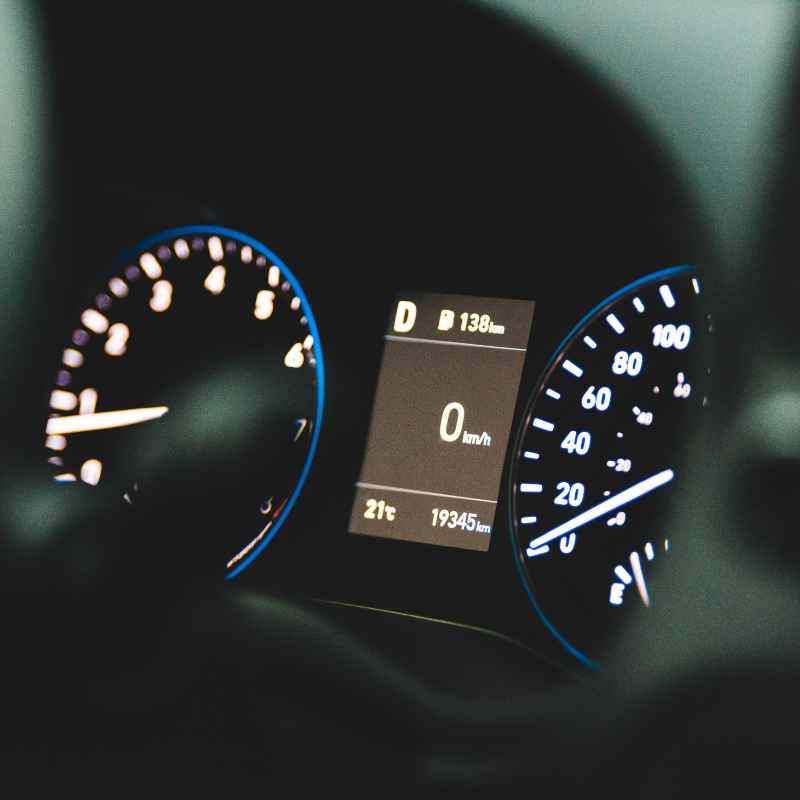
This is probably the most obvious gauge. The speedometer shows how fast your car is moving. It’s measured in miles per hour (mph) in the U.S.
Sometimes it also shows kilometers per hour (kph). The needle moves as you speed up. It drops when you slow down.
Why is this important? Obvious reasons include staying within the speed limit. But it also helps you drive smoothly.
Sudden changes in speed can be hard on your car. It can also affect your fuel economy. Most speedometers have a red line or a marking.
This indicates the legal speed limit for that road. Always pay attention to this gauge. It’s your main tool for safe driving speed.
Speedometer Facts
How it works: It gets signals from the transmission or wheel speed sensors. These signals tell the speedometer how fast the wheels are turning.
Accuracy: Speedometers are usually a bit optimistic. They might show you going slightly faster than you actually are. This is a safety feature.
It’s to help prevent speeding tickets.
Common issues: A broken speedometer can be dangerous. It can also lead to tickets. If it’s stuck or erratic, get it checked.
The Tachometer: Engine Speed Matters
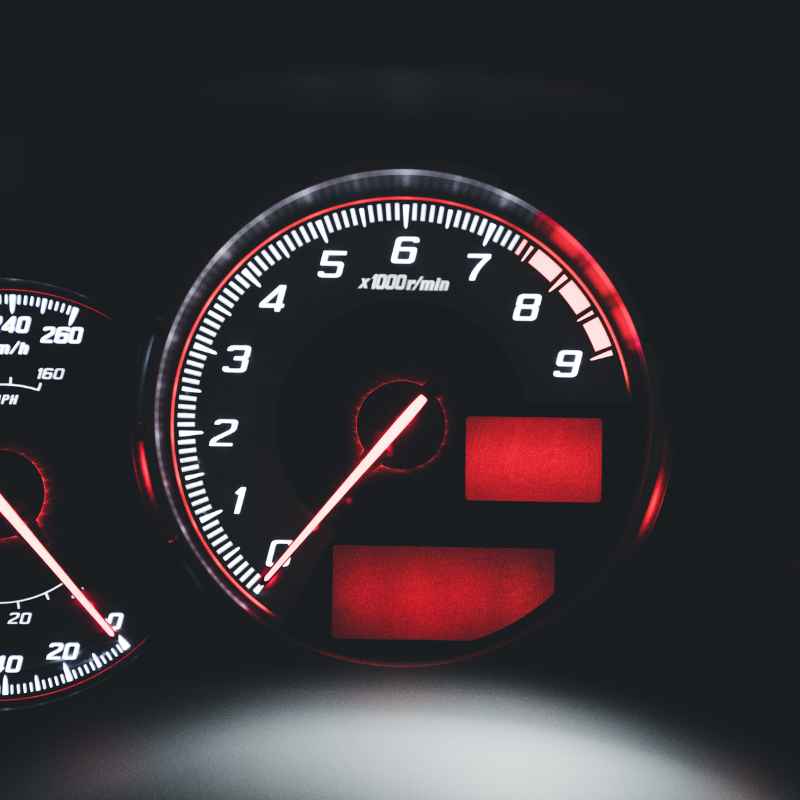
The tachometer shows your engine’s revolutions per minute (RPM). This is how fast the engine’s crankshaft is spinning. It’s usually found on the left side of the dashboard, next to the speedometer.
The numbers can range from 0 to 7,000 RPM or higher.
A red zone, often called the “redline,” is usually marked on the tachometer. You should avoid keeping your engine in this zone for long. Driving in the redline can damage your engine.
For manual transmission cars, the tachometer is vital. It helps you know when to shift gears. For automatic transmissions, the car’s computer handles this.
But watching the tachometer can still tell you about how your engine is working. A high RPM might mean you’re accelerating hard. A low RPM might mean you’re cruising efficiently.
Tachometer Insights
Why it’s there: It helps drivers manage engine speed. This impacts performance, fuel use, and engine wear.
Manual Cars: Shifting at the right RPM is key. It ensures smooth acceleration and efficiency. Too low and the engine struggles.
Too high and you waste fuel.
Automatic Cars: The car’s computer decides when to shift. But the tachometer shows how hard the engine is working. A steady low RPM is good for fuel saving.
The Fuel Gauge: Don’t Get Stranded
The fuel gauge tells you how much gasoline is left in your tank. It usually has markings like “F” (Full) and “E” (Empty). A needle or digital display shows the current level.
This is one gauge you really don’t want to ignore.
Running out of gas can be more than just an inconvenience. It can damage your fuel pump. The fuel pump often relies on the gas in the tank to stay cool.
If the tank is empty, the pump can overheat. This can lead to expensive repairs. Most cars have a low fuel warning light too.
This light usually looks like a gas pump. It comes on when you have about one gallon of fuel left. But it’s best not to wait for that light.
Keep an eye on the gauge for peace of mind.
Fuel Gauge Tips
Reading the gauge: Watch how the needle moves. It usually drops faster when you’re accelerating. It might climb slightly when going downhill.
Range indication: Some cars show a “range” on their display. This is an estimate of how many miles you can drive. It’s based on your current fuel level and driving style.
Calibration issues: If your fuel gauge seems inaccurate, it might need calibration. Sometimes a faulty fuel sending unit causes this.
The Temperature Gauge: Is Your Engine Overheating?
This gauge shows the engine’s operating temperature. It typically has a range from “C” (Cold) to “H” (Hot). The needle should usually stay somewhere in the middle.
If it creeps towards “H” or into the red zone, your engine is getting too hot.
An overheating engine is a serious problem. It can cause major damage, like a blown head gasket. This can be very expensive to fix.
Common causes of overheating include low coolant, a bad thermostat, or a failing water pump. If your temperature gauge starts rising, pull over safely as soon as you can. Let the engine cool down.
Never open the radiator cap when the engine is hot. The pressurized coolant can spray out and cause severe burns.
Temperature Gauge Explained
Normal range: Most cars run best with the needle in the middle third of the gauge.
Signs of Overheating: If the needle goes into the red zone, or if you see steam coming from under the hood, pull over immediately.
Low Temperature: If the needle stays on “C” even after driving for a while, your thermostat might be stuck open. This isn’t as dangerous as overheating, but it affects fuel efficiency and engine wear.
Oil Pressure Gauge: Lubrication is Key
The oil pressure gauge is vital. It tells you if your engine’s oil is circulating properly. This oil lubricates all the moving parts.
Without good oil pressure, your engine will quickly destroy itself.
This gauge typically shows a range of pressure. If the needle drops to zero or a warning light flashes (often an oil can symbol), you have a problem. Stop the car immediately.
Low oil pressure can be caused by a lack of oil, a bad oil pump, or a leak. Checking your oil level regularly is the best way to prevent low oil pressure. Many cars today don’t have a full oil pressure gauge.
They just have a warning light. This light means the pressure is critically low. You must react instantly if this light comes on.
Oil Pressure Gauge Facts
What it measures: It measures the force of the oil being pushed through your engine.
Low Pressure Warning: If the gauge drops or a light comes on, stop driving immediately. Turn off the engine. Check your oil level.
High Pressure: Very high oil pressure is less common. It can indicate a blockage in the oil system. This also needs professional attention.
Battery/Voltage Gauge: Powering Your Car
The battery or voltage gauge shows the electrical system’s output. It usually has a range of volts, often around 12 to 15 volts. When the engine is running, the alternator charges the battery.
This gauge monitors that charging system.
If the needle drops too low, it means the battery isn’t charging properly. This could be a problem with the alternator, the battery itself, or the wiring. If the voltage drops too much, your car will eventually lose power and stop.
Some cars just have a battery warning light. This light looks like a battery. It usually comes on if the battery voltage is too low.
If this light comes on, your car is running on battery power alone. It will die once the battery runs out.
Battery/Voltage Gauge Use
Normal Operation: When the engine is running, the gauge should be in the higher part of its normal range (around 13.5-14.5 volts).
Low Voltage Signs: If the gauge reads below 12.5 volts while the engine is running, the charging system is likely faulty.
Car Shutting Down: A consistently low voltage reading can lead to your car stalling.
Other Common Car Gauges and Lights
Beyond the main ones, many cars have other helpful gauges or warning lights. These provide more specific information.
Voltmeter: Similar to the battery gauge, it shows the system’s voltage. It helps diagnose electrical issues.
Oil Level/Temperature: Some newer cars have more detailed oil sensors. They might show the exact oil level or its temperature.
Transmission Temperature: This is more common on trucks or performance cars. It shows the heat of the transmission fluid. Overheating can damage the transmission.
Boost Gauge: Found on turbocharged cars. It shows how much “boost” the turbo is creating. This relates to engine power output.
Tire Pressure Monitoring System (TPMS): This isn’t a gauge but a series of warning lights. They alert you if one or more tires are underinflated. Low tire pressure is dangerous and wastes fuel.
Less Common but Important Gauges
ABS Light: Alerts you to a problem with the Anti-lock Braking System.
Airbag Light: Indicates an issue with the airbag system. Safety is compromised.
Check Engine Light: This is a general warning. It means the car’s computer has detected a problem. It could be minor or serious.
Brake System Warning Light: Can mean your parking brake is on or there’s a problem with the brake fluid or system itself.
Real-World Scenarios: When Gauges Save the Day
Imagine you’re on a long road trip. The landscape is open, and you’re enjoying the drive. Suddenly, your car’s temperature gauge starts to climb higher than usual.
It’s edging towards the red zone. Your instinct might be to ignore it, thinking it’s just a little warm. But you remember what you learned about gauges.
You decide to play it safe. You look for the next exit. As you slow down, you notice a faint smell of coolant.
Pulling off the highway, you turn off the engine. You wait for it to cool. Later, you find a small leak.
If you hadn’t watched the gauge, you might have caused serious damage. That gauge saved you a massive repair bill.
Or consider a different scenario. You’re driving in the city. Your oil pressure warning light flashes.
It’s a bright red oil can symbol. Your heart jumps. You know this means immediate danger.
You find a safe spot to pull over and turn off the engine. You check your oil. It’s very low.
You add some oil. The light goes off. That warning light and your quick action prevented your engine from seizing up completely.
These aren’t rare occurrences. Gauges and lights are designed to give you early warnings. They act like your car’s early detection system.
They help you catch minor issues before they become major headaches. It’s why paying attention to them is so vital for every driver.
A Day Saved by a Gauge
Scenario: Driving in summer heat. Gauge: Temperature gauge starts rising past normal. Action: Driver pulls over, checks coolant, identifies small hose leak.
Outcome: Minor repair, prevented engine damage.
Scenario: Commuting to work. Warning: Oil pressure light comes on. Action: Driver immediately stops, checks oil level, adds oil.
Outcome: Engine protected from severe damage.
What These Gauges Mean for You
So, what does all this mean for you, the driver? It means you have powerful tools at your disposal. These tools help you keep your car running well.
They also help keep you safe on the road. Not all cars have every single gauge. But the core ones are usually present.
They are the speedometer, fuel gauge, temperature gauge, and warning lights.
When it’s normal: Most gauges will spend their time in a predictable range. Your speedometer shows your speed. Your fuel gauge shows you have gas.
Your temperature gauge stays in the middle. Your oil pressure stays steady. This is what a healthy car looks like.
When to worry: Any sudden, unexplained movement on a gauge is a sign. A needle dropping to zero. A gauge shooting into the red.
A warning light turning on. These are signals to pay attention. They mean something might be wrong.
It could be a small issue or a big one.
Simple checks: If a gauge seems off, or a light comes on, don’t panic. First, pull over safely. Turn off the engine.
Consult your car’s owner’s manual. It will tell you what the specific light or gauge reading means. Then, check the basics: oil level, coolant level, tire pressure.
Often, the solution is simple. If not, it’s time to call a trusted mechanic.
Quick Gauge Checks
Speedometer: Is it accurate? Does it move smoothly?
Fuel Gauge: Does it reflect your actual fuel level? Does it drop too quickly?
Temperature Gauge: Does it stay stable? Does it climb unexpectedly?
Oil Pressure Light: Does it come on and stay on? (It should only flicker briefly on startup).
Quick Tips for Gauge Awareness
Being aware of your car’s gauges is a habit. It’s not something you do just once. Make it part of your driving routine.
Before you even start driving, glance at your dashboard. Are there any lights on that shouldn’t be? While driving, check your gauges periodically.
It only takes a second.
1. Know your normal: Get familiar with what your gauges look like when everything is working fine. This helps you spot when something is out of the ordinary.
Take a mental snapshot of the needle positions when your car is running smoothly.
2. React to warnings: Don’t ignore warning lights or strange gauge readings. Treat them as important messages from your car.
A little attention now can prevent big problems later.
3. Consult your manual: Every car is different. Your owner’s manual is the best resource for understanding your specific dashboard.
It explains what each light and gauge means.
4. Perform basic checks: Regularly check your oil, coolant, and tire pressure. Many gauge issues stem from these basic fluid and pressure levels.
5. Trust your instincts: If something feels off, even if no gauge is screaming at you, it’s worth investigating. A strange noise or vibration might be related to an underlying issue a gauge hasn’t flagged yet.
Frequently Asked Questions about Car Gauges
What is the most important car gauge?
While all gauges are important, the oil pressure gauge and the temperature gauge are often considered critical. Low oil pressure or overheating can cause catastrophic engine damage very quickly. Warning lights for these systems are especially vital.
Why does my speedometer seem inaccurate sometimes?
Speedometers are designed to be slightly optimistic for safety. However, if you’ve changed tire sizes, it can affect accuracy. Also, wear and tear on the speedometer cable or its electronic sensors can cause readings to be off.
A professional can recalibrate or repair it.
My check engine light is on, what should I do?
The check engine light means your car’s computer has found a problem. It’s best to get it checked by a mechanic soon. They can read the diagnostic trouble codes (DTCs) stored in the car’s computer.
This will tell them what the specific issue is. Driving with the light on could worsen the problem.
What’s the difference between a battery light and a voltage gauge?
A battery light is a warning. It usually means the charging system is not working correctly, and the car is running on battery power alone. A voltage gauge gives you a numerical reading of the electrical system’s voltage.
It provides more detailed information about the health of the charging system and battery.
Can I drive with the temperature gauge in the red?
Absolutely not. Driving with the temperature gauge in the red zone means your engine is overheating. This can cause severe and very expensive damage, like warping cylinder heads or blowing a head gasket. Pull over safely and turn off the engine immediately if this happens.
How often should I check my car’s gauges?
It’s a good habit to glance at your gauges every time you drive. Especially check the speedometer, fuel gauge, and temperature gauge. Pay close attention if you notice any unusual behavior.
Regular checks, even if brief, can help you catch problems early.
Conclusion: Your Dashboard, Your Guide
Your car’s dashboard is more than just a pretty face. The gauges and warning lights are your car’s way of talking to you. They provide essential information for safe and efficient driving.
Understanding what each one means empowers you. It helps you make informed decisions. It allows you to maintain your vehicle properly.
Don’t be intimidated by them. Treat them as helpful companions on your journey. They are your first line of defense against potential problems.
Products related to this article
Sponsored / affiliate links. As an Amazon Associate I earn from qualifying purchases. I may earn additional commission from eligible campaigns.