What Is the Average Car Payment in 2026? Real Numbers
The average new car payment hit a record $770 a month in early 2026, while the average used car payment is $531 and the average lease payment is $619. These figures keep climbing as vehicle prices, interest rates, and loan terms all move in the wrong direction for buyers at once. Here’s the real, current breakdown and what actually moves your own number up or down.
The Current Average Car Payment
As of early 2026, here’s what average monthly payments actually look like:
| Loan Type | Average Monthly Payment |
|---|---|
| New car loan | $770 (a record high, up 2.9% year-over-year) |
| Used car loan | $531 |
| Lease | $619 |
For context, around 19% of new car loans now carry a payment over $1,000 a month, and average down payments run about $5,815 for new cars and $4,016 for used cars. These numbers are meaningfully higher than they were just a few years ago, driven by rising vehicle prices, higher interest rates, and loan terms that increasingly stretch past 70 months to keep the monthly number lower.
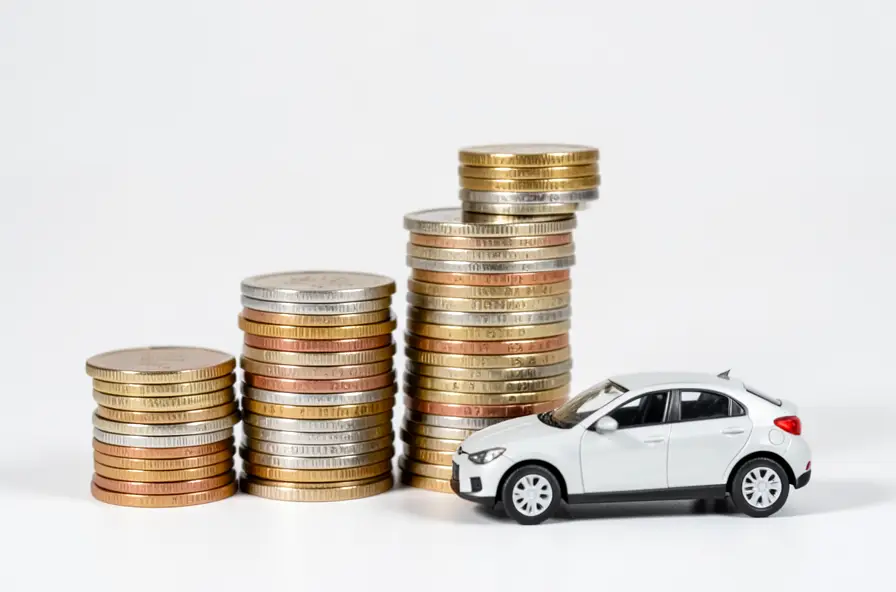
What a Car Payment Is Actually Made Of
Your monthly payment is made up of principal (the amount you borrowed) and interest (what the lender charges to borrow it), split across the length of your loan term. A bigger loan amount, a higher interest rate, or a shorter term all push the monthly number up individually – and stretching the term to lower the monthly payment increases the total interest you pay over the life of the loan.
How Much Your Credit Score Actually Changes Your Payment
Average new-car interest rates run around 6.56%, but used-car rates average a much steeper 11.4% – and your actual rate depends heavily on your credit tier. Near-prime borrowers see average new-car payments closer to $811 a month, noticeably above the overall $770 average, simply from the rate difference on an otherwise similar loan. Paying bills on time, keeping credit card balances low, and checking your credit report for errors before you shop can meaningfully lower the rate you’re offered.
New Loans, Used Loans, and Leasing
New car loans generally come with lower interest rates than used-car loans, but the higher purchase price often offsets that advantage in the monthly payment. Used car loans carry higher rates on average, but a lower purchase price usually still means a smaller monthly payment overall. Leasing typically produces the lowest monthly payment of the three, since you’re only financing the vehicle’s expected depreciation rather than its full value – but you don’t build any equity, and mileage limits or excess-wear fees can add real cost at lease-end.
Real Ways to Lower Your Payment
A larger down payment directly reduces how much you finance, which lowers the monthly payment and can also help you qualify for a better rate. A shorter loan term means a higher monthly payment but meaningfully less interest paid overall – worth considering if your budget can absorb it. Shopping your loan across a bank, credit union, and the dealer’s financing (and comparing the actual APR, not just the advertised payment) is one of the simplest ways to avoid overpaying, since rates for the same credit profile can vary noticeably between lenders.
Costs Beyond the Loan Payment
The loan payment is only part of what owning a car actually costs each month. Insurance premiums vary by vehicle, driving history, and location; routine maintenance (oil changes, tires, brakes) adds up over a year even without a major repair; and sales tax, registration, and title fees hit upfront and sometimes annually depending on your state. Budgeting for the full cost of ownership, not just the loan payment, is what actually determines whether a car is affordable.
Frequently Asked Questions
What Is a Good Monthly Payment for a Car?
A common guideline is keeping your total car payment (including insurance) to roughly 10-15% of your monthly take-home income. That means your comfortable payment depends heavily on your own income, not just the national average.
How Much Is a $30,000 Car Payment for 60 Months?
At a 5% interest rate, a $30,000 loan over 60 months works out to about $566 a month. At current average new-car rates closer to 6.56%, that same loan would run closer to $587 a month.
What Is the Average Car Payment in the US?
As of early 2026, the average new car payment is $770 a month, the average used car payment is $531, and the average lease payment is $619 – all higher than in recent years due to rising vehicle prices and interest rates.
Is $350 a Lot for a Car Payment?
Compared to today’s averages, $350 is actually below the norm for both new and used loans, making it a relatively modest payment. Whether it’s “a lot” for you specifically still depends on your income and other monthly expenses.
Conclusion
Average car payments have climbed to record levels – $770 for new, $531 for used, $619 for leases – driven by higher prices, higher rates, and longer loan terms. Your own payment depends on your credit score, down payment, and loan term far more than any national average, so use these figures as a baseline for comparison, not a target to hit.
Products related to this article
Sponsored / affiliate links. As an Amazon Associate I earn from qualifying purchases. I may earn additional commission from eligible campaigns.
 4G GPS Tracker Car Anti-Theft Long Battery Life 20000mAh Real Time GPS Tracking Device Magnet No Geographic Restriction Car Tracker with Alerts, Geo Fence, History Playback TK905C
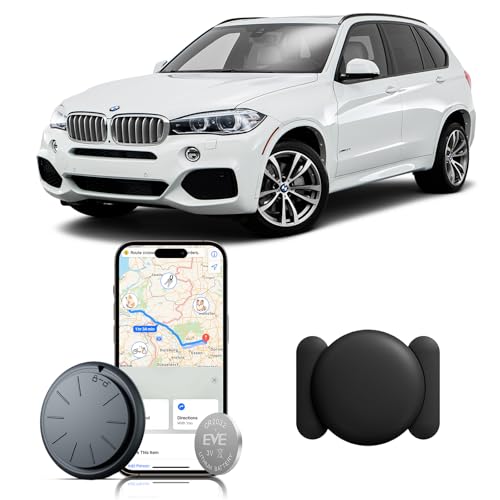 ZFSJTAG Car GPS Tracking Device for Vehicles, 1PCS Real Time GPS Tracker for Car, Work with Find My (iOS Only),Hidden Mini GPS Tracker,No Monthly Fee (Black Tracker, Black Magnetic Case)