Car Lease Agreement Terms: The Complete Decoder for 2026
You found the perfect car. The monthly payment on the lease looks almost too good. Then you read the contract and your eyes glaze over: residual value, money factor, capitalized cost, disposition fee. Most people sign anyway, and they pay for it later at the dealership when the inspector finds a scratch you never noticed.
This article decodes every car lease agreement term you’ll see on the contract. You’ll walk away knowing exactly what each line means, how the dealer calculates your payment, and which fees you can negotiate. I’ll use one running example — a $35,000 SUV leased for 36 months — so you see how each term translates into real dollars.

Zastic!
Month to Month Rental Agreement Forms Kit…
- Comprehensive Month-to-Month Rental Agreement Kit: Specifically designed for most rental properties, this versatile kit is perfect…
- Blank Monthly Rental Lease Agreement Forms: Each kit includes THREE blank month to month rental agreement forms, enabling landlord…
- Essential Agreement Forms Included: Features essential agreement forms including lead paint disclosure, security deposit receipt,…
And if you’re also juggling a rental property, the Zastic! month-to-month rental agreement kit solves a similar problem: it gives you blank forms, a reference guide, and a move-in/move-out checklist so you don’t get burned by vague terms. Same principle — know the terms before you sign.
What Is a Car Lease Agreement?
A car lease agreement is a contract where you pay to use a vehicle for a set period, usually 24 to 48 months. You never own the car. You’re paying for the portion of the car’s value you use up, plus a finance charge and fees.
The lease term is the length of the contract. Most leases run 36 months. Shorter terms mean higher payments but less time under warranty. Longer terms lower your payment but increase the chance you’ll pay for wear and tear or excess mileage.
Every lease has three key numbers: the capitalized cost (what the car is worth today), the residual value (what it’ll be worth at the end), and the money factor (the interest rate). The difference between cap cost and residual is what you’re financing. That’s the heart of the deal.
How Leasing Works vs. Buying
When you buy a car with a loan, you finance the entire purchase price and own the vehicle once it’s paid off. When you lease, you finance only the depreciation during the lease term. That’s why lease payments run 30% to 50% lower than loan payments for the same car.
But leasing has trade-offs. You don’t build equity. You’re restricted by a mileage allowance — typically 10,000 to 15,000 miles per year. And if you end the lease early, you’ll face early termination penalties that can run into thousands of dollars.
Here’s a cost comparison for that $35,000 SUV over 36 months, assuming a 7% loan interest rate and a lease with a 0.00150 money factor (3.6% APR).
| Cost Component | Lease | Loan Purchase |
|---|---|---|
| Monthly payment | $389 | $1,080 |
| Total paid over 36 months | $14,004 | $38,880 |
| Down payment / drive-off | $2,000 | $5,000 |
| Vehicle value after 36 months | $0 (returned) | ~$18,000 (owned) |
| Equity after 36 months | $0 | ~$14,120 |
| Excess mileage charges (if any) | $0.15–$0.25/mile | None |
Leasing makes sense if you always want a new car, drive low miles, and don’t want to deal with selling a used vehicle. Buying makes sense if you keep cars for years and want to avoid mileage penalties. There’s no universal winner — it depends on your habits.
The 7 Core Car Lease Terms You Must Understand
1. Capitalized Cost (Cap Cost)
The capitalized cost is the negotiated price of the vehicle, plus any fees you roll into the lease (like acquisition fees or taxes). It’s the starting point for your payment. Lowering the cap cost by even $1,000 can reduce your monthly payment by about $28 over 36 months.
Always negotiate the cap cost just like you’d negotiate a purchase price. Dealers often quote a higher number hoping you won’t check. Look for the “gross capitalized cost” and “adjusted capitalized cost” lines on the contract. The adjusted number subtracts your down payment and any trade-in credit.
2. Residual Value
The residual value is the predicted value of the car at the end of the lease, set by the leasing company. It’s expressed as a percentage of MSRP. For example, a 55% residual on a $35,000 car means it’ll be worth $19,250 after 36 months.
You don’t negotiate residual value — it’s set by the bank. But you can choose a lease term that aligns with a higher residual. Shorter terms often have higher residuals, which lowers your payment.
3. Money Factor
The money factor is the interest rate on your lease, expressed as a decimal like 0.00150. Multiply it by 2,400 to get the APR. So 0.00150 × 2,400 = 3.6% APR.
Money factors range from about 0.00050 (1.2% APR) for excellent credit to 0.00300 (7.2% APR) or higher for weaker credit. A difference of 0.00050 adds roughly $15 to $20 per month on a $35,000 lease. That’s $500 to $700 over 36 months — worth negotiating.
4. Mileage Allowance
The mileage allowance is the maximum number of miles you can drive per year without penalty. Standard leases offer 10,000, 12,000, or 15,000 miles. If you exceed it, you’ll pay an excess mileage charge — typically 15 to 25 cents per mile.
Don’t guess your annual mileage. Look at your last two years of driving. If you’re close to the limit, buy extra miles upfront. It’s usually cheaper to pay for 15,000 miles at lease signing than to pay overage at the end.
5. Acquisition Fee
The acquisition fee is a charge the leasing company adds for setting up the lease. It typically runs $595 to $895. Some dealers include it in the cap cost, which means you pay interest on it. You can ask the dealer to waive it or reduce it, but it’s often non-negotiable.
6. Disposition Fee
The disposition fee is charged when you return the car at lease end. It covers the cost of inspecting and selling the vehicle. Expect $300 to $500. You can avoid it by buying the car at the end or transferring the lease to someone else.
7. Wear and Tear
Wear and tear is the expected damage from normal use — small scratches, worn tires, minor dents. Leasing companies have standards for what’s “normal.” Anything beyond that, like a cracked windshield or a dent larger than a credit card, will cost you at return.
Ask the dealer for a copy of the wear-and-tear guidelines before you sign. Some brands are stricter than others. Knowing the rules upfront helps you avoid surprise charges.
How to Calculate Your Monthly Lease Payment (With Example)
Here’s the formula dealers use, broken down into three parts: depreciation, finance charge, and tax.
Step 1: Calculate the depreciation. Subtract the residual value from the adjusted cap cost. For our $35,000 SUV with a 55% residual ($19,250) and a $2,000 down payment, the adjusted cap cost is $33,000. Depreciation = $33,000 − $19,250 = $13,750. Divide by 36 months = $381.94 per month.
Step 2: Calculate the finance charge. Add the adjusted cap cost and the residual, then multiply by the money factor. ($33,000 + $19,250) × 0.00150 = $78.38 per month.
Step 3: Add them together. $381.94 + $78.38 = $460.32 per month. Then add sales tax. At 7%, that’s $32.22, for a total of $492.54 per month.
That’s your payment. Now you can see why the money factor matters — a 0.00200 money factor (4.8% APR) would add $24.50 per month to the finance charge.
Pro tip: Always ask the dealer for the money factor and residual value in writing. They’re required to disclose them in the contract, but you want them before you negotiate.
Hidden Fees and Charges in a Lease Agreement
Beyond the big three, leases are stuffed with smaller fees. Here are the ones to watch for:
- Documentation fee: $100 to $500, charged by the dealer for paperwork. Sometimes negotiable.
- Registration and title fees: State-mandated, usually $100 to $300. Not negotiable.
- Early termination fee: If you end the lease early, you owe the remaining depreciation plus a penalty. This can be $2,000 or more.
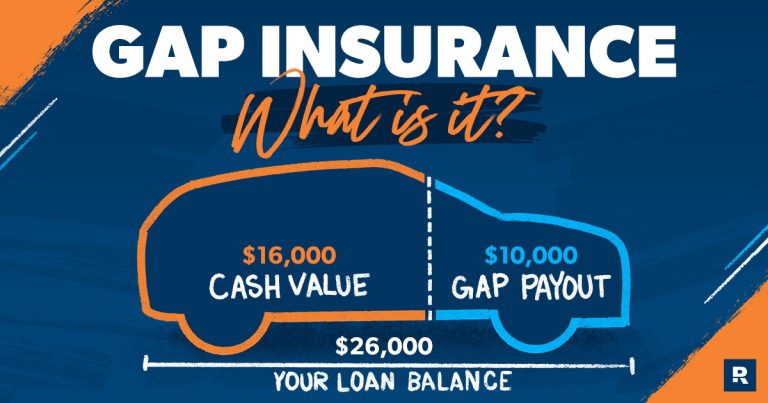
- Gap insurance: Covers the difference between what you owe and what the car is worth if it’s totaled. Often required, but you can buy it cheaper from your auto insurer.
- Security deposit: Some leases require a refundable deposit equal to one month’s payment. Not all do — ask.
- Excess wear-and-tear charges: Billed at lease return for damage beyond normal use.
- Purchase option fee: If you decide to buy the car at lease end, the dealer may charge a few hundred dollars to process the sale.
Add all these up and you could be looking at $1,500 to $3,000 in extra costs over the lease. Read every line of the contract. If a fee isn’t explained, ask for it in writing.
Negotiating Your Lease: Lowering the Money Factor and Cap Cost
Most people walk into a lease negotiation focusing on the monthly payment. That’s a mistake. The dealer can adjust the payment by stretching the term or hiding fees. Instead, negotiate the two numbers that actually matter: the cap cost and the money factor.
Lowering the cap cost: Research the vehicle’s invoice price and current incentives. Use sites like Edmunds or TrueCar to see what others are paying. Then offer a price below invoice, knowing the dealer gets a kickback from the manufacturer. A $1,000 reduction in cap cost saves about $28 per month.
Lowering the money factor: The money factor is set by the leasing company based on your credit, but dealers can mark it up for profit. Ask for the “buy rate” — the lowest rate the bank offers. If the dealer quotes 0.00250, ask for 0.00150. A 0.00100 reduction saves about $17 per month.
You can also ask for a lower acquisition fee or a waived disposition fee. Dealers often have flexibility on these, especially if you’re a returning customer or buying a car in stock.
One more tactic: negotiate the trade-in value of your current car separately. Dealers love to bundle numbers so you can’t see where the money goes. Keep each deal separate.
What Happens at the End of the Lease? (Return, Buyout, or Transfer)
When your lease ends, you have three options:
- Return the car: Pay any disposition fee and excess mileage or wear charges, then walk away.
- Buy the car: Pay the residual value plus a purchase option fee. This works well if the car’s market value is higher than the residual — you get instant equity.
- Transfer the lease: Some leasing companies allow you to transfer the lease to another person. You’ll pay a transfer fee (usually $300 to $500), but you avoid early termination penalties.
Before you decide, check the car’s market value on Kelley Blue Book or a similar site. If the residual is $19,250 and the car is worth $22,000, buying it makes sense. If it’s worth $16,000, you’re better off returning it.
If you transfer the lease, make sure the new lessee qualifies with the leasing company. Most require a credit check and an application. Also, you remain liable if the new person defaults — unless the lease company releases you in writing.
Avoiding Early Termination Penalties
Breaking a lease is expensive. The penalty is typically the remaining depreciation plus a fee, which can be $3,000 to $5,000. Here’s how to avoid it:
- Check your contract: Some leases have a “pull-ahead” program that lets you end up to six months early if you lease a new car from the same brand.
- Transfer the lease: As mentioned, this is often cheaper than termination.
- Sell the car yourself: Some leasing companies allow you to sell the car to a third party and pay off the residual. You keep any profit, but you must get the lease company’s approval.
- Negotiate the termination fee: If you’re in a financial bind, call the leasing company. They may reduce the fee to get the car back.
Pro tip: Never just stop making payments. That ruins your credit and you’ll still owe the full balance.
The Lease Return Inspection Checklist
Before you return the car, do your own inspection using the same standards the dealer will use. Here’s what to check:
- Exterior: Look for dents larger than a quarter, scratches deeper than a business card, and cracked or chipped glass.
- Wheels: Check for curb rash, bent rims, or missing hubcaps.
- Interior: Look for burns, tears, or stains on seats. Check the carpets for damage.
- Lights: Ensure all headlights, taillights, and turn signals work.
- Fluids: Check oil, coolant, and windshield washer fluid levels.
- Maintenance: Keep records of oil changes and other services. The leasing company may require proof.
- Spare tire and tools: Make sure they’re in the trunk.
If you find any damage, get it fixed before the return inspection. A $200 dent repair is cheaper than a $500 charge from the leasing company. Also, clean the car thoroughly. A dirty car invites a more critical eye.
You can also request a pre-return inspection from the dealer. Many offer it free, and it gives you a list of issues you can fix before the final inspection.
State-Specific Rules and Compliance for 2026
Lease laws vary by state, and they change. In 2026, several states have updated their rules:
- California: Requires all lease fees to be disclosed in a clear, itemized format. Also caps the disposition fee at $395.
- New York: Requires a written estimate of early termination charges before you sign.
- Texas: No cap on disposition fees, but dealers must disclose them in writing.
- Florida: Requires a separate disclosure for gap insurance, and you can cancel it within 30 days for a refund.
Check your state’s DMV or Attorney General’s website for the latest rules. Also, many states have a “cooling-off” period — usually 2 to 3 days — during which you can cancel a lease without penalty. But that’s not universal, so don’t count on it.
One more compliance note: the lease agreement must specify who is responsible for registration and taxes. In some states, you pay sales tax on the entire vehicle price; in others, only on the monthly payment. Know which one applies to you.
Digital Leases and E-Signature Legality
In 2026, most leases are signed electronically. The federal ESIGN Act and the Uniform Electronic Transactions Act (UETA) make digital signatures legally binding in all 50 states. So an e-signed lease is just as valid as a paper one.
But there’s a catch: you must receive a copy of the fully executed contract, and you should verify that the terms match what you agreed to orally. Some dealers have been known to “lose” a signed page or change a number after you’ve left.
When you sign digitally, download a PDF of the final contract to your phone or email. Check that the VIN, lease term, monthly payment, and mileage allowance match your agreement. If anything is off, contact the dealer immediately.
Also, beware of e-signature “pre-checks.” Some systems let you tick a box that says “I agree to all terms” without showing you the full contract. Don’t do that. Read every page before you click.
Frequently Asked Questions
Can I negotiate the residual value?
No. The residual value is set by the leasing company and is not negotiable. However, you can choose a lease term with a higher residual (usually shorter terms) to lower your payment.
What happens if I go over my mileage allowance?
You’ll pay a per-mile charge, typically 15 to 25 cents. For example, if you have a 12,000-mile-per-year allowance and return the car after 36 months with 45,000 miles, you’ve exceeded by 9,000 miles. At 20 cents per mile, that’s $1,800. Buy extra miles upfront if you’re close.
Is gap insurance required on a lease?
Most leasing companies require it, but you don’t have to buy it from the dealer. Your auto insurer can often add it for a few dollars per month. Just show proof of coverage.
Can I lease a car with bad credit?
Yes, but you’ll pay a higher money factor and may need a larger down payment. Some subprime lenders specialize in leases, but the terms are much less favorable. Improve your credit score before leasing if possible.
What’s the difference between a lease and a loan?
A lease is a rental with an option to buy. You pay for depreciation and interest, then return the car. A loan is a purchase where you finance the full price and own the car after the final payment. Leases have lower payments but no equity.
Final Checklist Before You Sign
Before you put your signature on any lease agreement, run through this list:
- Confirm the cap cost matches the negotiated price, and that all rebates and incentives are applied.
- Ask for the money factor in writing and convert it to APR to ensure it’s reasonable.
- Verify the residual value and the mileage allowance — make sure they’re what you agreed to.
- Review all fees — acquisition, disposition, documentation, and any others. Question anything over $100.
- Understand the wear-and-tear policy and get a copy of the guidelines.
- Check for early termination penalties and know your options if you need to get out early.
- Get a copy of the signed contract and store it in a safe place.
Leasing isn’t complicated once you know the terms. The dealers rely on confusion to make extra profit. Now you have the decoder.
If you’re also managing rental properties, the month-to-month rental agreement kit gives you the same clarity for your tenants — blank forms, a reference guide, and a move-in/move-out checklist so you’re never caught off guard.
For more on how lease charges work, check this rent charge guide. And if you’re weighing lease vs. buy, this comparison of ownership models might help.
Products related to this article
Sponsored / affiliate links. As an Amazon Associate I earn from qualifying purchases. I may earn additional commission from eligible campaigns.
 GDIFLS Car Dent Repair Kit – Complete Set for Auto Body Repair with Slider, Hammer, Nylon & Stainless Steel Heads | DIY Paintless Dent Removal for Cars, Motorbikes, and Appliances
 Buffix Car Scratch Remover Kit for Vehicles. Perfect for Car Clear Coat Repair, Wax Removal & Erase Scratches. Includes Buffing Pad, Filling/Polish Rubbing Compound, & Polishing Cloth