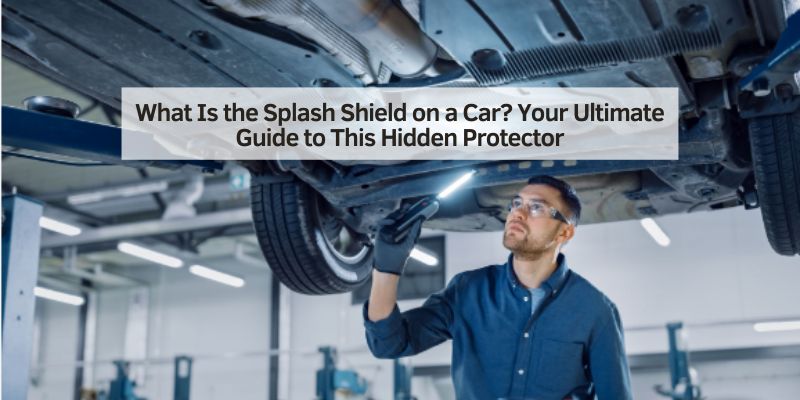
What Is the Splash Shield on a Car? Your Ultimate Guide to This Hidden Protector
Hey there! So, you’re curious about what a splash shield on a car is, and I’m thrilled to share what I’ve learned. Picture this: I’m under my old Honda Civic, tinkering around, when I notice this plastic piece dangling near the engine. My mechanic buddy calls it a splash shield, and I’m like, “What’s that?” Turns out, it’s a super important part that most of us never think about until it’s damaged. I’ve spent years poking around cars, from my trusty Civic to my current Jeep, and I’ve come to appreciate how this unsung hero protects your vehicle.
Let me walk you through everything you need to know about splash shields—what they do, why they matter, and how to keep them in tip-top shape. By the end, you’ll be a splash shield expert, ready to keep your car safe from the elements. Grab a soda, and let’s get started!
What Exactly Is a Splash Shield?
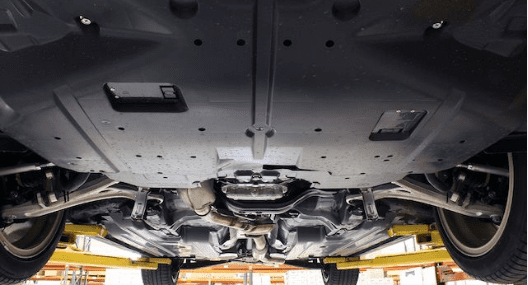
A splash shield is a protective cover on the underside of your car. It’s usually made of plastic or metal and sits under the engine, transmission, or other key components. I first noticed one when I was changing my Civic’s oil and saw this flat panel bolted to the bottom. It’s like a shield that guards your car’s vital parts from water, mud, rocks, and road debris.
Think of it as a raincoat for your engine. Without it, all sorts of gunk could splash up and cause trouble. Splash shields are found on most modern cars, from sedans to SUVs, and they’re designed to fit snugly under specific areas. I’ve seen them called engine splash shields, underbody shields, or skid plates, depending on the car and part.
Why Do Cars Need Splash Shields?
You might wonder why your car even needs a splash shield. I did too, until I saw what happens without one. Splash shields serve a few key purposes, and I’ve learned they’re more important than they seem:
- Protects the Engine: Water and mud can splash into the engine bay, messing with belts, sensors, and wiring. My Jeep’s splash shield kept mud off the engine during a rainy off-road trip.
- Blocks Debris: Rocks and sticks on the road can hit delicate parts like the oil pan. I hit a rock once, and my Civic’s splash shield took the brunt, saving me a costly repair.
- Improves Aerodynamics: Splash shields smooth out the car’s underside, reducing drag and boosting fuel efficiency. I noticed my Corolla felt a bit peppier after replacing a missing shield.
- Reduces Noise: They dampen road and engine noise. Without one, my Jeep sounded louder on the highway until I fixed it.
Without a splash shield, your car’s underbelly is exposed to all sorts of hazards. It’s a small part that makes a big difference.
Where Are Splash Shields Located?
Splash shields can be found in a few spots under your car. When I first looked under my Civic, I was surprised at how many there were. Here’s where I’ve seen them:
- Under the Engine: The most common spot, covering the engine and oil pan. My Civic had a big plastic one here.
- Under the Transmission: Some cars have a separate shield for the transmission. My Jeep has one to protect the gearbox.
- Wheel Wells: Smaller shields, called fender liners, line the wheel wells to block mud and water. I replaced one on my Corolla after it cracked.
- Rear Undercarriage: Less common, but some SUVs have shields near the rear axle. I saw this on a friend’s Ford Explorer.
To spot them, jack up your car safely or peek under it with a flashlight. I always check mine during oil changes to make sure they’re secure.
Types of Splash Shields
Not all splash shields are the same. I’ve worked on cars with different kinds, and each has its own vibe. Here’s what I’ve come across:
- Plastic Splash Shields: Most common, found on cars like my Civic. They’re lightweight, cheap, and good at blocking water and debris.
- Metal Splash Shields: Stronger, often on trucks or off-road vehicles. My Jeep has a metal one for extra durability.
- Rubberized Shields: Flexible and used in wheel wells or smaller areas. I saw these in my Corolla’s fender liners.
- Skid Plates: Heavy-duty versions for off-roading. A friend’s Wrangler has a beefy skid plate instead of a standard shield.
Each type is designed for your car’s needs. Plastic is fine for city driving, but if you’re off-roading like I do sometimes, metal or skid plates are better.
Signs Your Splash Shield Is Damaged
Splash shields take a beating, and I’ve had to fix a few over the years. Here’s how I know when mine’s in trouble:
- Rattling Noise: If I hear a rattling sound while driving, it’s often a loose or broken shield. My Civic’s shield rattled after hitting a speed bump too fast.
- Dragging Sound: A damaged shield might hang low and scrape the road. I noticed this on my Jeep after a rough trail.
- Visible Damage: I check under my car and look for cracks, holes, or missing pieces. My Corolla’s shield had a big crack after a pothole.
- Water or Mud in Engine Bay: If my engine looks dirtier than usual, the shield might not be doing its job. I saw this in my Civic once.
- Loose Bolts or Clips: Shields are held by bolts or clips, and they can come loose. I tighten mine during routine checks.
If you notice these signs, don’t ignore them. A damaged shield leaves your car vulnerable, and I’ve learned it’s better to fix it sooner rather than later.
How to Inspect Your Splash Shield
Checking your splash shield is easy and doesn’t take long. I do it every few months, and it’s saved me from bigger problems. Here’s my process:
- Get Under the Car: I use a jack and jack stands to lift my car safely. If you’re not comfortable, slide under the car on level ground.
- Use a Flashlight: I shine a light to look for cracks, dents, or loose parts. It’s easier to spot damage this way.
- Check Fasteners: I wiggle bolts and clips to make sure they’re tight. My Civic’s shield had a loose clip once, and I fixed it with pliers.
- Look for Debris: Mud or sticks can get stuck in the shield. I clean them out to prevent corrosion.
- Inspect All Shields: I check the engine, transmission, and wheel well shields if my car has them.
It takes me about 10-15 minutes, and I do it during oil changes or tire rotations. If you’re not sure what to look for, ask a mechanic to check during your next service.
Fixing a Damaged Splash Shield
If your splash shield is damaged, you’ve got options. I’ve fixed a few myself, and it’s not too hard. Here’s what I do:
- Tighten Loose Fasteners: If it’s just loose, I tighten bolts or clips with a wrench or screwdriver. It fixed my Jeep’s rattling shield in 5 minutes.
- Patch Small Cracks: For small cracks in plastic shields, I use epoxy or plastic weld glue. I patched a crack in my Civic’s shield, and it held for years.
- Replace Broken Clips: If clips are missing, I buy replacements at an auto parts store for $5-$10. My Corolla needed new clips after a pothole.
- Replace the Shield: If it’s too damaged, I will buy a new one. I replaced my Civic’s engine shield for $50 and installed it myself with basic tools.
- Visit a Mechanic: If I’m not sure or it’s a metal shield, I let a pro handle it. My Jeep’s metal shield needed a shop’s help after a trail mishap.
DIY fixes are cheap and satisfying, but don’t drive with a broken shield—it could fall off and cause more damage.
How to Replace a Splash Shield Yourself
Replacing a splash shield is something I’ve done a few times, and it’s doable for beginners. Here’s how I replaced the one on my Civic:
- Buy the Right Part: I got a new shield from an auto parts store or online, making sure it matched my car’s make, model, and year. It cost $50.
- Gather Tools: I needed a wrench, a screwdriver, and jack stands. A socket set helps, too.
- Lift the Car: I jacked up the front and secured it with stands for safety.
- Remove the Old Shield: I unscrewed the bolts and clips holding the old shield. Some were rusted, so I used WD-40 to loosen them.
- Clean the Area: I wiped down the mounting points to remove dirt and rust.
- Install the New Shield: I lined up the new shield and bolted it in place, tightening everything securely.
- Test It: I lowered the car and drove slowly to check for rattles.
It took me about an hour, and I saved $100 by not going to a shop. If you’re nervous, watch a YouTube video for your car model—it helped me the first time.
Cost of Splash Shield Repairs and Replacements
Costs depend on the car and the damage. Here’s what I’ve paid or seen:
| Task | Estimated Cost | Notes |
|---|---|---|
| Tightening Fasteners | $0-$10 | Free if you do it; shops may charge a small fee |
| Patching Cracks | $5-$20 | Epoxy or glue is cheap; DIY-friendly |
| Replacing Clips | $5-$15 | Clips are sold in packs at auto stores |
| New Plastic Shield | $30-$100 | Shops charge for labor; it depends on complexity |
| New Metal Shield/Skid Plate | $100-$300 | More for off-road vehicles like my Jeep |
| Professional Installation | $50-$150 | Shops charge for labor; depends on complexity |
I always shop around online or at salvage yards to save money. DIY is cheapest if you’re handy with tools.
Preventing Splash Shield Damage
Keeping your splash shield in good shape is easier than fixing it. I’ve picked up these habits to protect mine:
- Avoid Rough Roads: Potholes and gravel can crack shields. I slow down on bad roads to protect my Jeep’s underbody.
- Clean Regularly: Mud and salt can corrode shields. I rinse under my car after winter drives or muddy trails.
- Check Fasteners: I tighten bolts and clips during oil changes to keep the shield secure.
- Drive Carefully: Speed bumps and curbs can scrape shields. I take them slowly to avoid damage.
- Inspect After Off-Roading: After trails, I check my Jeep’s shields for dents or loose parts.
These steps have kept my shields lasting longer. My Civic’s shield made it 8 years with this care.
When to Call a Professional
Sometimes, you need a pro. I’ve handled small fixes myself, but here’s when I call my mechanic:
- Severe Damage: If the shield is shattered or metal, I let a shop handle it. My Jeep’s skid plate needed professional tools.
- Hard-to-Reach Areas: Some shields, like transmission ones, are tricky to access. I paid a shop $100 to replace one on my Corolla.
- Warranty Concerns: If my car’s under warranty, I go to the dealer to avoid voiding it. My friend’s new Ford needed this.
- No Time or Tools: If I’m busy or don’t have the right tools, a shop is faster. It’s worth $50-$150 for peace of mind.
Shops like Pep Boys or local mechanics are great for this. I always ask for a quote first to avoid surprises.
Splash Shields and Car Maintenance
Splash shields are part of regular car care. I check mine during routine maintenance, like oil changes or tire rotations. It’s a quick way to catch issues early. I also make sure my car’s underbody is clean, especially after winter, to prevent rust around the shield.
If you’re not comfortable checking yourself, ask your mechanic to inspect the shield during service. I did this with my Jeep, and they found a loose clip I’d missed. It’s a small step that keeps your car protected.
The Importance of Splash Shields for Different Driving Conditions
Where you drive affects your splash shield’s job. I’ve driven in all sorts of conditions, and here’s what I’ve noticed:
- City Driving: Potholes and speed bumps are the main threats. My Civic’s shield took a beating in city traffic.
- Highway Driving: High speeds kick up rocks and debris. My Corolla’s shield saved the oil pan on a long road trip.
- Off-Roading: Mud, rocks, and branches are brutal. My Jeep’s metal shield is a must for trails.
- Winter Driving: Snow, ice, and road salt can corrode shields. I rinse my Jeep’s underbody after snowy drives.
No matter where you drive, a splash shield is your car’s first line of defense. I’ve learned to appreciate mine more after seeing what it endures.
Common Mistakes to Avoid
I’ve made my share of splash shield mistakes, so let me save you some trouble:
- Ignoring Rattles: I thought a rattle was no big deal, but it was a loose shield. Fix it before it falls off.
- Driving with a Damaged Shield: A broken shield can scrape the road or expose your engine. I replaced my Civic’s cracked shield right away.
- Using Wrong Fasteners: I used mismatched bolts once, and they didn’t hold. Get the right clips or bolts for your car.
- Not Cleaning Debris: Mud buildup can weaken the shield. I clean mine regularly to avoid corrosion.
Avoiding these has kept my shields—and my cars—in better shape. A little care goes a long way.
The Peace of Mind from a Solid Splash Shield
Something is reassuring about knowing your car’s protected. I love driving my Jeep on trails or my Corolla through city streets, confident that the splash shield is keeping my engine safe. After dealing with a cracked shield and a rattling one, I’ve learned to stay on top of maintenance. It’s not just about avoiding repairs—it’s about enjoying the drive without worrying about what’s flying up from the road.
Conclusion
So, what’s the splash shield on a car? It’s that hardworking protector under your vehicle, keeping your engine, transmission, and other parts safe from water, rocks, and road grime. I’ve seen firsthand how it saves my cars from damage, from muddy trails to city potholes, and I’m grateful for this hidden hero. Whether it’s checking for cracks, tightening bolts, or replacing a broken shield, taking care of it is easy and worth the effort.
With a little know-how, you can keep your splash shield doing its job and your car running strong. So next time you’re under your car or at the mechanic, give that shield a quick look—you’ll be glad you did. Here’s to safe drives and happy roads ahead!
FAQs
What does a splash shield do on a car?
It protects your engine and other parts from water, mud, and debris. My Civic’s shield saved my oil pan from a rock once.
How do I know if my splash shield is damaged?
Listen for rattling or dragging sounds, or check for cracks and loose bolts. I found a crack in my Corolla’s shield after hitting a pothole.
Can I drive without a splash shield?
You can, but it’s risky. I drove my Jeep without one briefly, and mud got into the engine bay. Replace it as soon as possible.
How much does it cost to replace a splash shield?
A new plastic shield costs $30-$100, and labor is $50-$150. I replaced my Civics for $50 myself.
Can I fix a splash shield myself?
Yes, it’s doable. I patched a crack in my Civic’s shield with epoxy and replaced clips on my Corolla. Just get the right tools and parts.