What Percentage of the World Uses EV Cars
It’s super common to wonder, “What Percentage of the World Uses EV Cars?” Many people new to electric vehicles find this question a bit tricky to answer because the numbers change fast. But don’t worry! We’ll break it down simply, step by step.
We’ll look at how many people drive electric cars right now and what that means for the future. Let’s find out what percentage of the world uses EV cars together.
Global EV Adoption Rates
Understanding the global adoption rates of electric vehicles (EVs) is key to grasping their current impact and future potential. This section explores the overall percentage of EV car usage worldwide, providing a foundational understanding for those seeking to answer the question, “What Percentage of the World Uses EV Cars?”. We will examine the raw numbers and how they translate into a global picture.
Current Global EV Market Share
The number of electric vehicles on the road is growing rapidly. While exact figures shift with new sales data, recent estimates place the global market share of EVs at a significant, yet still minority, percentage of all cars. This figure reflects both the increasing consumer interest and the expanding availability of electric models across various price points.
Defining Electric Vehicles (EVs)Electric vehicles, or EVs, are cars that use one or more electric motors for propulsion. This is different from hybrid cars, which also have a gasoline engine. Plug-in electric vehicles, or PHEVs, can be charged from an external power source.
Fully electric vehicles, or BEVs, run solely on electricity stored in a battery. Understanding these distinctions is vital when looking at adoption statistics.
Factors Influencing AdoptionSeveral factors drive the adoption of EVs. Government incentives, like tax credits and rebates, make them more affordable. Growing awareness of environmental issues encourages people to choose cleaner transportation.
Also, advancements in battery technology are leading to longer ranges and faster charging times, addressing earlier concerns about practicality. The expansion of charging infrastructure also plays a crucial role in making EVs a viable option for more people.
Regional Differences in EV UsageEV adoption is not uniform across the globe. Some countries and regions have embraced electric mobility much faster than others. This variation is often due to strong government policies, robust charging networks, and higher consumer demand.
For example, nations with ambitious emissions targets and supportive regulations tend to see higher percentages of EV sales compared to those with less developed infrastructure or fewer incentives.
Statistics on Global EV Ownership
Recent data from various research firms and international energy agencies offer insights into the global landscape of electric vehicle ownership. These statistics help us pinpoint the answer to “What Percentage of the World Uses EV Cars?” by showing us the growth trends and current penetration rates.
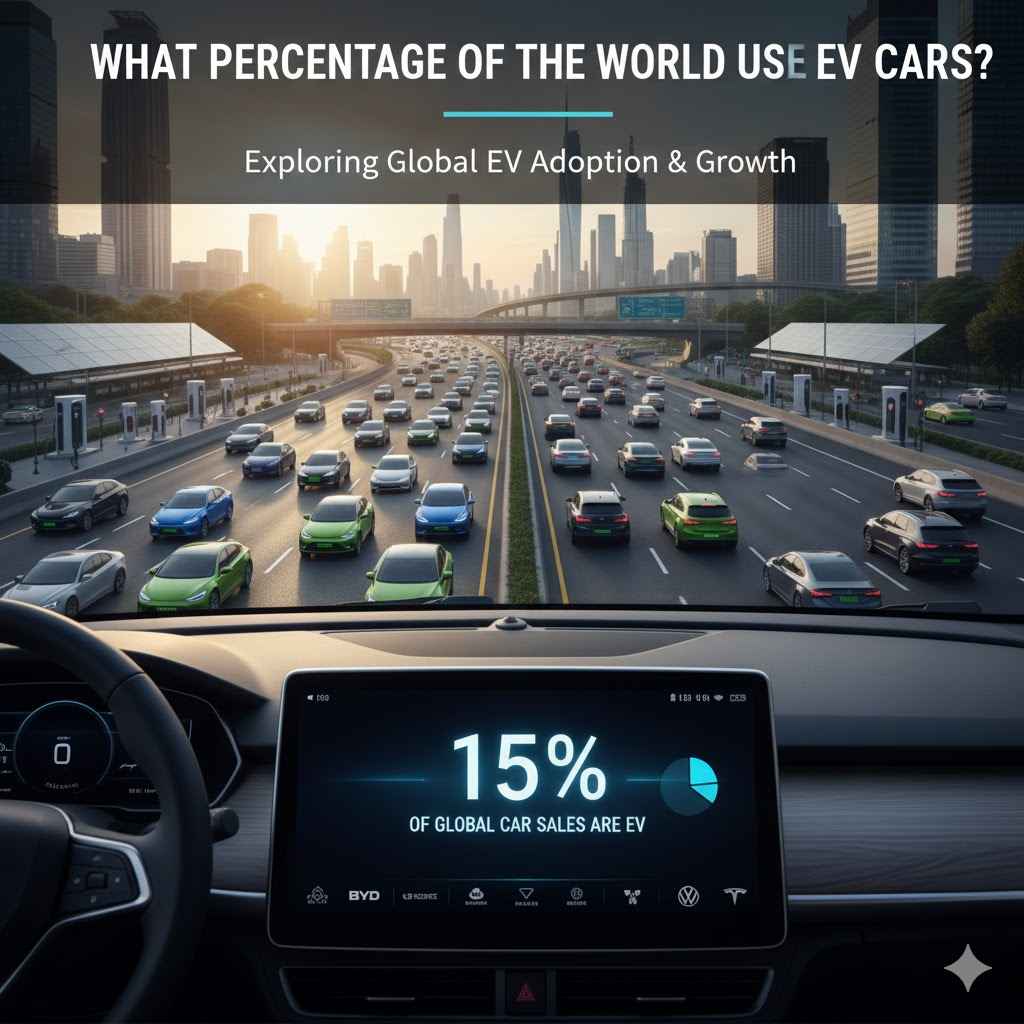
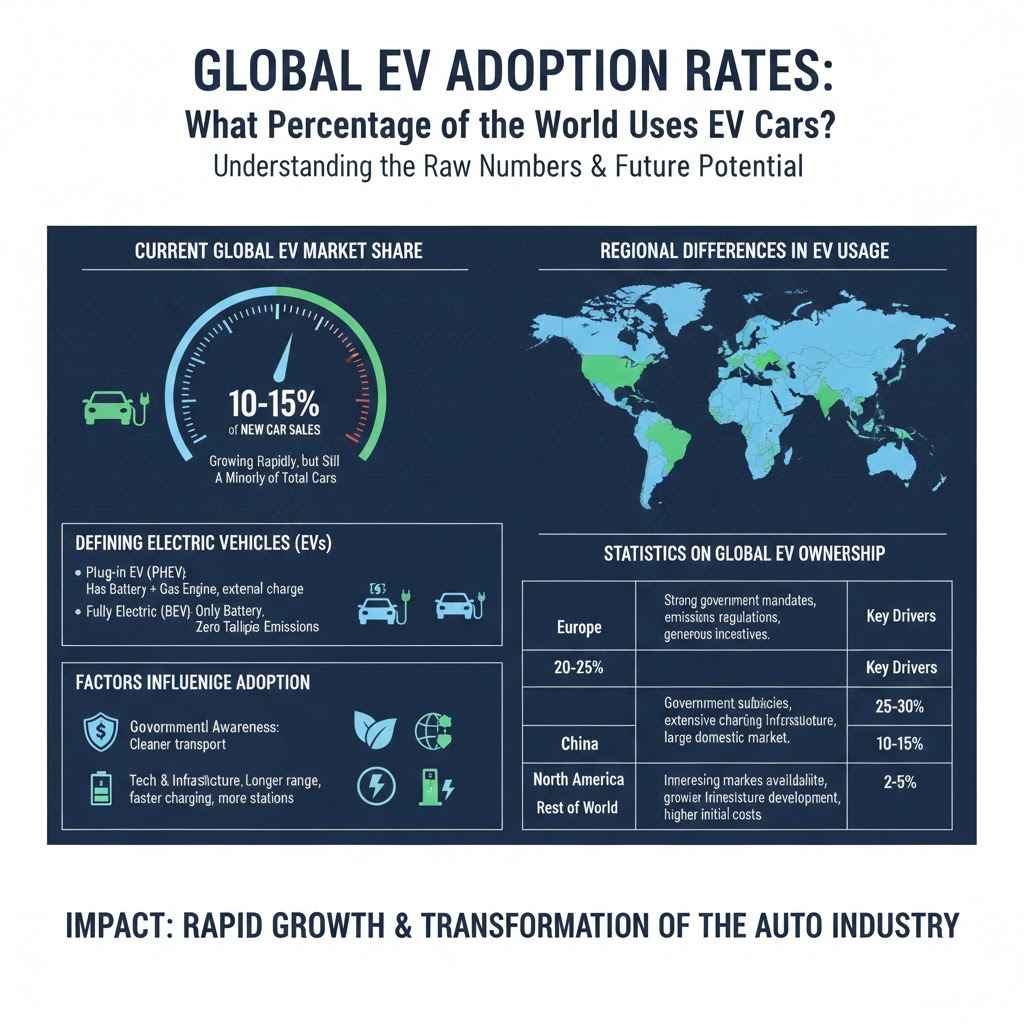
As of the latest available reports, electric cars account for a growing but still relatively small portion of the total global vehicle fleet. For instance, some analyses indicate that battery electric vehicles (BEVs) and plug-in hybrid electric vehicles (PHEVs) combined represented approximately 10-15% of all new car sales globally in recent years. However, the total number of EVs on the road as a percentage of all vehicles is lower, likely in the single digits, as it takes time for new vehicle technology to replace the older fleet.
One key statistic shows that global EV sales have seen exponential growth. In 2020, for example, over 3 million EVs were sold worldwide. By 2023, this number had climbed dramatically, with some estimates suggesting over 14 million electric cars were sold globally.
This rapid increase means that the percentage of EVs in the total car population is continuously rising, making older statistics quickly outdated.
| Region | Approximate EV Market Share (New Sales) | Key Drivers |
|---|---|---|
| Europe | 20-25% | Strong government mandates, emissions regulations, generous incentives. |
| China | 25-30% | Government subsidies, extensive charging infrastructure, large domestic market. |
| North America | 10-15% | Increasing model availability, growing consumer interest, evolving incentives. |
| Rest of World | 2-5% | Emerging markets, slower infrastructure development, higher initial costs. |
Understanding the Growth of EVs
The increasing number of electric vehicles on our roads is a significant trend shaping the future of transportation. This section delves into the reasons behind this growth and what it signifies for the automotive industry and consumers alike. Understanding these drivers helps answer the broader question of “What Percentage of the World Uses EV Cars?” by explaining the momentum behind the shift.
Technological Advancements in EVs
Technological progress has been a major catalyst for the growth of electric vehicles. Innovations in battery technology, electric motor efficiency, and charging speeds have made EVs more practical and appealing to a wider audience. These advancements directly address earlier consumer concerns about range anxiety and charging times.
Battery Technology ImprovementsBatteries are the heart of any electric vehicle. Over the years, battery technology has seen dramatic improvements in energy density, meaning batteries can store more power in the same size or weight. This translates to longer driving ranges for EVs.
Furthermore, the cost of battery production has fallen significantly, making EVs more affordable. Companies are also working on new battery chemistries, like solid-state batteries, which promise even greater safety and performance. The lifespan of EV batteries has also improved, reducing concerns about frequent replacements.
Charging Infrastructure DevelopmentThe expansion of charging infrastructure is crucial for widespread EV adoption. This includes public charging stations, home charging solutions, and workplace chargers. Governments and private companies are investing heavily in building out a robust network of charging points.
Faster charging technologies are also emerging, allowing EVs to gain significant range in just a few minutes, similar to refueling a gasoline car. This increased accessibility and speed of charging help alleviate range anxiety and make EVs a more convenient choice for daily use.
Performance and Driving ExperienceElectric vehicles offer a distinct and often superior driving experience. Electric motors provide instant torque, meaning acceleration is quick and responsive from a standstill. This can make EVs feel sportier and more engaging to drive.
EVs also operate much more quietly than traditional gasoline cars, contributing to a more serene cabin environment. Many drivers find the smooth, linear power delivery and lack of engine vibration to be significant advantages. As more people experience this, it contributes to their willingness to consider an EV.
Government Policies and Incentives
Government policies and incentives play a pivotal role in accelerating the adoption of electric vehicles. These measures aim to make EVs more financially attractive and to encourage manufacturers to produce more electric models. They are a significant factor in answering the question, “What Percentage of the World Uses EV Cars?” by demonstrating the impact of regulatory support.
Financial Incentives for ConsumersMany governments offer financial incentives to encourage consumers to purchase EVs. These can include tax credits, rebates, and reduced registration fees. For example, in the United States, federal tax credits can reduce the purchase price of eligible EVs by thousands of dollars.
Similar programs exist in countries like Germany, France, and Norway, making EVs a more competitive option against traditional cars. These incentives directly lower the upfront cost, which is often a barrier for potential buyers.
Emissions Regulations and MandatesGovernments worldwide are setting stricter emissions standards for vehicles to combat climate change and improve air quality. These regulations often include mandates for a certain percentage of vehicle sales to be zero-emission. For instance, the European Union has set ambitious targets for reducing CO2 emissions from new cars, pushing manufacturers to increase their EV production.
China has also implemented policies like the New Energy Vehicle (NEV) credit system to promote electric and plug-in hybrid vehicle sales. These mandates force the industry to adapt and accelerate the transition to electric mobility.
Investment in Charging InfrastructureBeyond direct incentives for vehicles, governments are also investing heavily in the development of charging infrastructure. This includes funding for public charging stations, research and development into charging technologies, and streamlining regulations for charger installation. A well-developed charging network is essential for making EVs practical for everyday use, especially for those who cannot charge at home.
Government support in this area reduces the burden on private companies and ensures a more equitable distribution of charging facilities.
Challenges and the Future of EVs
While the growth of electric vehicles is promising, certain challenges remain that influence their widespread adoption and the answer to “What Percentage of the World Uses EV Cars?”. This section explores these hurdles and looks ahead to the future trajectory of electric mobility.
Addressing Consumer Concerns
Consumer concerns are a significant factor influencing how quickly electric vehicles are adopted globally. Addressing these points of hesitation is crucial for increasing the percentage of EV usage.
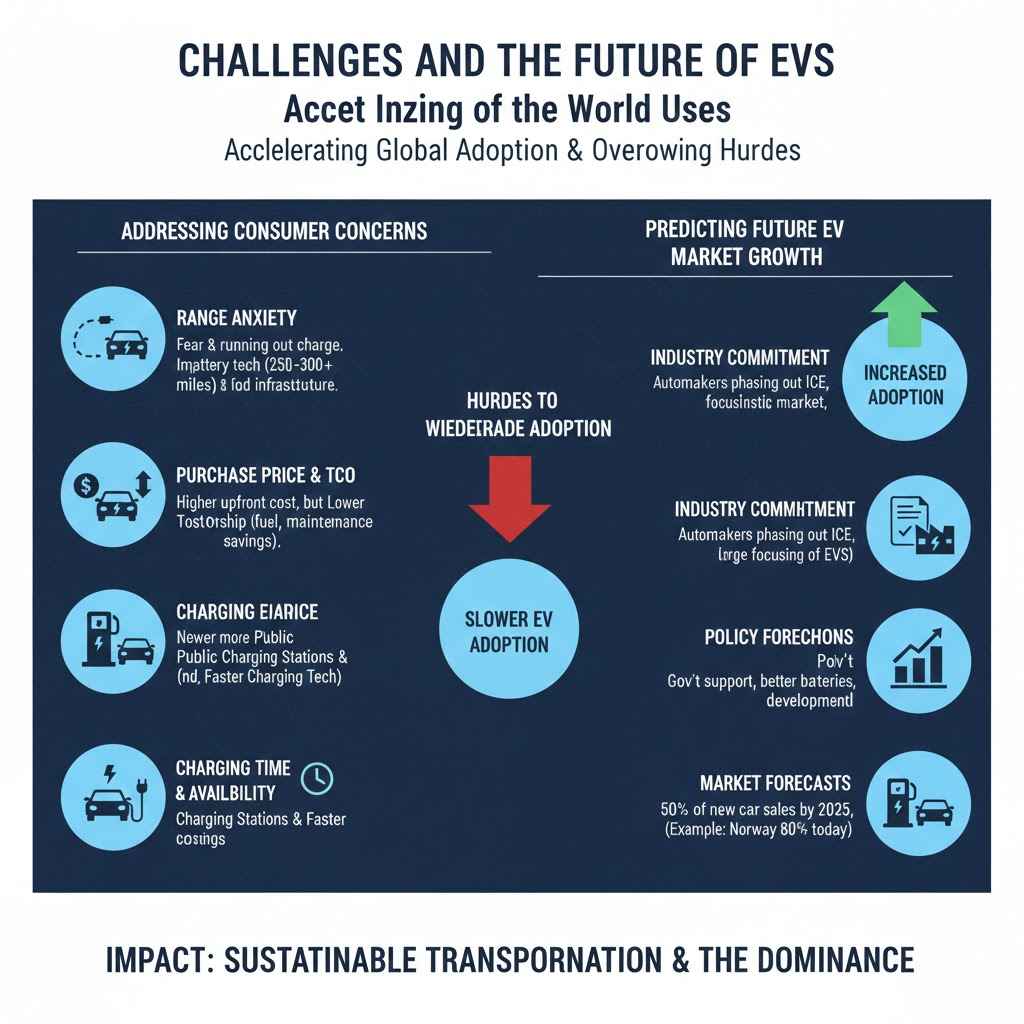
Range AnxietyRange anxiety, the fear of running out of battery charge before reaching a charging station, is a primary concern for many potential EV buyers. While EV ranges have significantly improved, with many models now exceeding 250-300 miles on a single charge, this fear persists. The perception often lags behind reality, and the availability and reliability of charging stations play a huge role in alleviating this anxiety.
Education about actual daily driving needs versus perceived range requirements is also important.
Purchase Price and Total Cost of OwnershipThe initial purchase price of EVs can still be higher than comparable gasoline-powered vehicles, even with incentives. However, the total cost of ownership over the vehicle’s lifetime is often lower due to savings on fuel and maintenance. Electricity is generally cheaper than gasoline, and EVs have fewer moving parts, leading to lower repair costs.
Communicating these long-term savings effectively to consumers is key to overcoming the sticker shock associated with buying an EV.
Charging Time and AvailabilityWhile charging technology is advancing rapidly, charging an EV still takes longer than filling a gas tank. For long road trips, planning around charging stops is necessary. The availability and accessibility of public charging stations can also be a concern, especially in rural areas or apartment complexes where home charging might be difficult.
Continued investment and innovation in fast-charging technology and wider network expansion are vital to address this issue.
Predicting Future EV Market Growth
Forecasting the future of the electric vehicle market involves looking at current trends, technological advancements, and policy directions. The trajectory suggests a continued, significant increase in the percentage of EVs on the road.
Experts predict that electric vehicles will become increasingly dominant in the automotive market. Many automotive manufacturers have set ambitious targets to phase out the production of internal combustion engine vehicles and focus solely on EVs in the coming decades. This commitment from the industry, coupled with ongoing government support and improving technology, points towards a substantial shift in global vehicle ownership.
Several reports forecast that EVs could represent over 50% of new car sales globally within the next 10-15 years. This rapid transition would drastically change the composition of the global vehicle fleet. The pace of this change will likely vary by region, influenced by local policies, economic conditions, and consumer preferences.
However, the overall trend is undeniably towards electrification.
Consider the case of Norway, a country that has consistently led in EV adoption. In recent years, over 80% of new car sales in Norway have been electric. This extreme example illustrates the potential for rapid transformation when supported by strong policy and public acceptance.
While not every country will replicate Norway’s success overnight, it serves as a powerful indicator of what is possible.
The future will likely see further innovation in areas like battery recycling and the development of more sustainable materials for EV production. As the technology matures and economies of scale are realized, EVs are expected to become even more affordable and accessible to a broader range of consumers. This will continue to drive up the global percentage of EV usage.
Frequently Asked Questions
Question: What is the primary reason people are buying more EVs?
Answer: The primary reasons include growing environmental concerns, government incentives that lower costs, and advancements in battery technology leading to longer driving ranges and faster charging.
Question: Will EVs completely replace gasoline cars soon?
Answer: While EVs are rapidly gaining market share, a complete replacement of gasoline cars will take time. The transition depends on factors like infrastructure development, affordability, and consumer acceptance across all global markets.
Question: Are EVs more expensive to own than traditional cars?
Answer: Initially, EVs can have a higher purchase price. However, their total cost of ownership is often lower due to savings on fuel (electricity is cheaper than gasoline) and reduced maintenance needs.
Question: What is “range anxiety” and how is it being addressed?
Answer: Range anxiety is the fear of an EV running out of battery before reaching a destination. It’s being addressed by increasing battery capacity for longer ranges, expanding charging infrastructure, and developing faster charging technologies.
Question: How do government policies affect EV adoption rates?
Answer: Government policies, such as tax credits, subsidies, and emissions regulations, significantly boost EV adoption by making them more financially attractive and pushing manufacturers towards electric production.
Wrap Up
The percentage of the world using EV cars is growing steadily. While still a minority, electric vehicles are rapidly gaining traction globally. Technological improvements, government support, and increasing consumer interest are key drivers.
Expect this percentage to climb significantly in the coming years as more options become available and charging becomes easier.