Who Makes PACCAR Engines? MX vs. PX and the Cummins Link
It depends on which engine. PACCAR’s heavy-duty MX-11 and MX-13 engines are designed and built in-house by PACCAR Powertrain (PACCAR’s own propulsion division), sharing engineering with sister brand DAF Trucks. But PACCAR’s medium-duty PX-7 and PX-9 engines are actually Cummins-built, based on the Cummins ISB platform under a 2006 agreement, and simply wear a PACCAR badge.
It’s easy to get confused when looking at a massive truck. You see the Peterbilt or Kenworth badge and wonder, “Where does the heart of this machine—the engine—actually come from?” Many big truck brands use external makers like Cummins, but PACCAR does things a little differently. Understanding who builds these engines is important for maintenance, buying parts, and knowing what you are driving.
Don’t worry if this seems complicated! As your guide, I’m going to break down the PACCAR engine story into simple, easy-to-understand steps. We will look at exactly who designs them, where they are built, and why that matters for your peace of mind on the road. Let’s get started on understanding the power behind these iconic trucks.
Quick Answer: PACCAR MX-11 and MX-13 heavy-duty engines are designed and built in-house under the “PACCAR Powertrain” brand. PACCAR PX-7 and PX-9 medium-duty engines, however, are Cummins-built (based on the Cummins ISB platform) and only wear a PACCAR badge — a 2006 agreement still in effect today.
Understanding the PACCAR Engine Ecosystem
When someone asks, “Who makes PACCAR engines?” the simplest answer is: PACCAR does. However, that answer hides a fascinating process involving design, partnership, and specific manufacturing sites across the globe. It is not just one workshop; it’s a carefully managed system ensuring quality for their premier truck brands: Peterbilt, Kenworth, and DAF.
PACCAR: The Parent Company
PACCAR Inc. is a global leader in the design, engineering, and manufacturing of premium commercial vehicles. They own the major truck brands mentioned above. Unlike some competitors who rely entirely on third-party engine builders, PACCAR heavily invests in making its own purpose-built engines. This strategy gives them precise control over performance, fuel economy, and integration with their truck chassis.
PACCAR Powertrain: The Division Behind the Engines
The core of PACCAR engine manufacturing happens within their dedicated engineering and technical centers.
PACCAR Powertrain: This is the unified brand PACCAR now uses for its in-house propulsion lineup — covering not just the MX-11 and MX-13 engines, but also PACCAR TX-12 and TX-8 transmissions and PACCAR DX-40/FX-20 axles, all designed to work as one integrated system rather than separately sourced parts.
Collaboration with DAF: PACCAR’s European brand, DAF Trucks, often shares significant engineering and design resources. This global sharing of knowledge helps refine engine platforms used in North America as well.
Why Control Matters to PACCAR
For a company commanding the high-end truck market, controlling the engine design offers distinct advantages:
1. Seamless Integration: Because PACCAR designs both the engine and the truck chassis (Peterbilt/Kenworth), they achieve a perfect fit, reducing vibration and improving efficiency.
2. Brand-Specific Tuning: An engine designed specifically for a Kenworth T680 might be tuned differently than one for a rugged Peterbilt vocational model, optimizing performance for that specific job.
3. Emissions Leadership: As emissions standards, like those from the Environmental Protection Agency (EPA), become stricter, having in-house control allows PACCAR to adapt and meet compliance requirements directly. You can find more about current EPA standards here: U.S. Environmental Protection Agency.
The Specific Engines PACCAR Builds
PACCAR doesn’t just make one engine; they offer a focused portfolio designed to cover the necessary power ranges for their trucks. These engines are generally grouped under the PACCAR brand but are given specific model names.
The PACCAR MX Engine Family
The most well-known units are the MX series. These are modern, reliable turbodiesel engines offering excellent torque and fuel efficiency. They are the workhorses for Kenworth and Peterbilt trucks today.
| Engine Model | Typical Application | Key Feature |
|---|---|---|
| MX-11 | Regional, vocational, and lighter over-the-road hauling. | Excellent power-to-weight ratio. |
| MX-13 | Long-haul, heavy-duty operations. | Focus on sustained highway efficiency and torque. |
The PX Engines: PACCAR-Badged, Cummins-Built
Here’s the nuance most guides skip: not every engine wearing a PACCAR badge was actually designed by PACCAR. The medium-duty PX-7 (6.7L, up to 360 hp, 800 lb-ft torque) and PX-9 (8.9L, up to 450 hp, 1,250 lb-ft torque) are built by Cummins on the Cummins ISB engine platform, under a formal agreement PACCAR and Cummins signed back in 2006. PACCAR customizes the tuning and badges the finished engine as its own for Kenworth and Peterbilt medium-duty trucks — but the block, the design, and the manufacturing are Cummins’.
This is different from the heavy-duty MX-11 and MX-13, which are genuinely PACCAR’s own in-house designs. So if you’re asking “are PACCAR engines made by Cummins,” the honest answer is: it depends on which one you have — MX engines, no; PX engines, yes, badge notwithstanding.
Data Callout: PACCAR and Cummins formalized the medium-duty engine arrangement in 2006, per PACCAR’s own announcement — Cummins 6- and 8-liter engines installed exclusively in Peterbilt and Kenworth North American medium-duty conventional trucks, badged and sold as PACCAR PX engines.
The History of DAF’s Role
While the MX engines are branded PACCAR in North America, their heritage often traces back to shared development with DAF in Europe. PACCAR acquired DAF in 1996, allowing for extensive cross-pollination of engineering expertise. The European equivalents might carry different nomenclature, but the underlying technology is often shared and adapted. This is a key reason why you often see PACCAR engine expertise linked heavily to their European counterpart.
What About Natural Gas Engines? (The PACCAR ISX Development)
PACCAR has also ventured into alternative fuels, most notably with the development and offering of Compressed Natural Gas (CNG) engines.
Initially, power for heavy-duty applications often came from partnerships (like with Cummins ISX engines).
However, PACCAR has increasingly focused on bringing these specialized, lower-emission options in-house or through very close joint ventures to meet the demands of fleets looking to reduce their carbon footprint.
Where Are PACCAR Engines Manufactured?
If you’re asking “Who makes PACCAR engines?” the follow-up question is usually “Where?” The physical assembly and testing happen at specialized, high-tech manufacturing plants dedicated to engine production.
The U.S. Manufacturing Hub: Mississippi
The primary North American engine assembly plant is located in Mount Vernon, Mississippi.
This facility is where the components—many sourced globally but assembled and tested stateside—come together to create the final MX engines ready for Peterbilt and Kenworth assembly lines nearby. In 2026, PACCAR completed a $209 million expansion at its engine manufacturing operations, adding 50,000 square feet dedicated to engine remanufacturing and next-generation engine production built to meet the upcoming 2027 EPA NOx emissions standards.
The European and Global Facilities
In Europe, the engine development and assembly for DAF trucks often take place near Eindhoven, Netherlands, or in other key DAF engineering centers. This global network ensures that manufacturing capacity can meet worldwide demand effectively.
It is important to remember that PACCAR engines are not “assembled” in the same way a truck chassis is assembled on a final assembly line; they are built in specialized engine plants designed for powertrain quality control.
Maintenance and Parts Implications for the Owner
Knowing who makes the engine directly impacts your wallet and your maintenance schedule. This is where the rubber meets the road for you, the driver or fleet owner.
The Benefit of OEM Parts and Service
Because PACCAR designs the engine completely, the Original Equipment Manufacturer (OEM) parts are readily available through their authorized dealer network (Peterbilt and Kenworth dealers).
Easier Diagnostics: Mechanics who are factory-trained by PACCAR (or DAF) understand the proprietary systems better than general heavy-duty mechanics might.
Warranty Confidence: Using genuine PACCAR parts ensures your powertrain warranty remains valid, a huge plus for newer trucks.
Navigating Parts Terminology
When you shop for filters, belts, or sensors, you might see a few names:
1. PACCAR: This usually refers to components specifically designed for the MX series.
2. Cummins: If your truck is older or uses an alternative option, you might see Cummins parts if it runs an ISX or other earlier engine models.
3. DAF Equivalent: Sometimes, European-sourced parts might be listed under DAF names, which are functionally identical to the US PACCAR part.
Always check your truck’s engine serial number against the parts catalog to ensure compatibility. A good starting point for understanding genuine components is often consulting the SAE International (Society of Automotive Engineers) standards, which guide engine design across the industry.
PACCAR Engine vs. Cummins: What is the Difference for You?
Historically, PACCAR trucks often used Cummins engines (like the ubiquitous ISX). Now, many new trucks feature the MX engines. Here is a quick comparison from the user’s perspective:
If your truck has a PACCAR MX engine:
- You are running a purely proprietary PACCAR design optimized for that specific truck model.
- Service procedures are highly centralized through the PACCAR/Peterbilt/Kenworth dealer network.
- Maintenance might slightly favor dealer service centers over independent shops highly specialized in older engines.
If your truck has a Cummins engine:
- You are running one of the industry’s most common engines, with unparalleled parts availability everywhere.
- Serviceability is extremely broad; almost any heavy-duty shop can work on a Cummins.
- The engine and truck systems are slightly less integrated than a full PACCAR setup.
For a beginner, remember this: If you have an MX engine, stick to PACCAR-certified dealers for major work to keep things simple and within warranty.
Guide to Identifying Your Engine Type
To know who makes your engine, you first need to know what engine you have! This is crucial for ordering the right oil, filters, and maintenance schedules.
Step-by-Step Engine Identification
Follow these simple steps to find the engine information stamped on your vehicle:
1. Locate the VIN: Find your Vehicle Identification Number (VIN) plate, usually located on the driver’s side door jamb or inside the windshield base.
2. Check the Engine Code: The VIN itself sometimes hints at the engine type, but the absolute best place is the Engine Data Plate.
3. Find the Engine Data Plate: Open the hood. The engine data plate is typically a metal plate or sticker fastened directly to the engine block or valve cover. It will clearly state the engine model (e.g., MX-13).
4. Consult Your Paperwork: If you purchased the truck used, your purchase or maintenance records will have the exact engine model listed. This is often the quickest way if the plate is missing or illegible.
What the Engine Code Tells You
If the plate says “PACCAR MX-11,” you know definitively that PACCAR is the manufacturer and designer. If it says “Cummins ISX,” it means the engine was made by Cummins, even though it’s powering a Kenworth truck. This distinction is vital for maintenance.
Safety and Best Practices for PACCAR Owners
Understanding the engine source helps you follow the right service procedures. Here are a few safety tips relevant to these high-performance diesel powertrains.
Essential Maintenance Checkpoints
Because PACCAR engines are designed for high efficiency and tight tolerances, sticking exactly to the maintenance schedule matters greatly.
- Oil Changes: Always use oil specifically rated for PACCAR MX engines (usually CJ-4 or CK-4 spec heavy-duty diesel oil). Follow the interval noted in your PACCAR service manual precisely.
- Coolant Testing: Diesel engines generate immense heat. Regularly test your coolant/antifreeze mixture to ensure it maintains the correct pH level and includes necessary corrosion inhibitors.
- DFP/SCR System Care: Modern PACCAR engines rely heavily on Diesel Particulate Filters (DPF) and Selective Catalytic Reduction (SCR) systems for emissions control. Running the engine at improper load for too long can cause these to clog. Ensure you allow the engine to achieve full operating temperature regularly.
Tools for the DIY Enthusiast (The Basics)
While major component repairs should be left to professionals, basic checks are simple enough for anyone.
- Torque Wrench (for filter caps and drain plugs)
- Good Quality Digital Multimeter (for checking battery voltage)
- Fluid Spill Containment Trays (safety first!)
- High-Visibility Safety Vest and Gloves
Basic Checks You Can Do Yourself
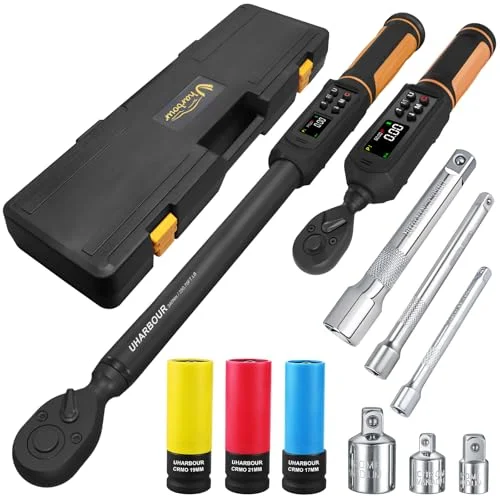
Digital Torque Wrench Set (1/2″ & 3/8″)
Covers filter caps and drain plugs on PACCAR MX or PX engines without over-torquing threads on a tight-tolerance diesel block.
View Our Pick on Amazon
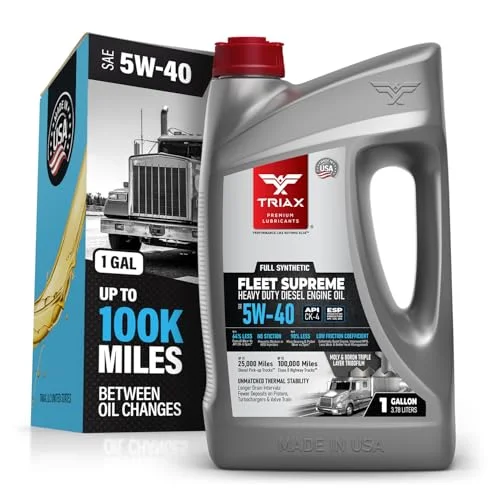 Triax CK-4 Diesel Engine Oil Meets the CJ-4/CK-4 spec the article recommends for PACCAR MX oil changes Check on Amazon |
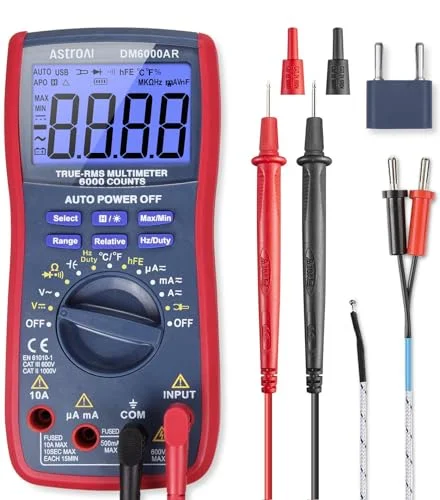 AstroAI True RMS Multimeter For the battery-voltage checks listed in the article’s basic tools section Check on Amazon |
 Mechanix Wear M-Pact Gloves (Large) Impact-resistant protection for hands-on work around a hot, running diesel engine Check on Amazon |
As an Amazon Associate, this site earns from qualifying purchases.
Safety is always priority number one around heavy machinery. Always ensure the engine is completely shut off and cooled before working on any engine component. For reference on heavy vehicle safety protocols, organizations like the Occupational Safety and Health Administration (OSHA) provide valuable guidelines: OSHA Guidelines for Vehicle Safety.
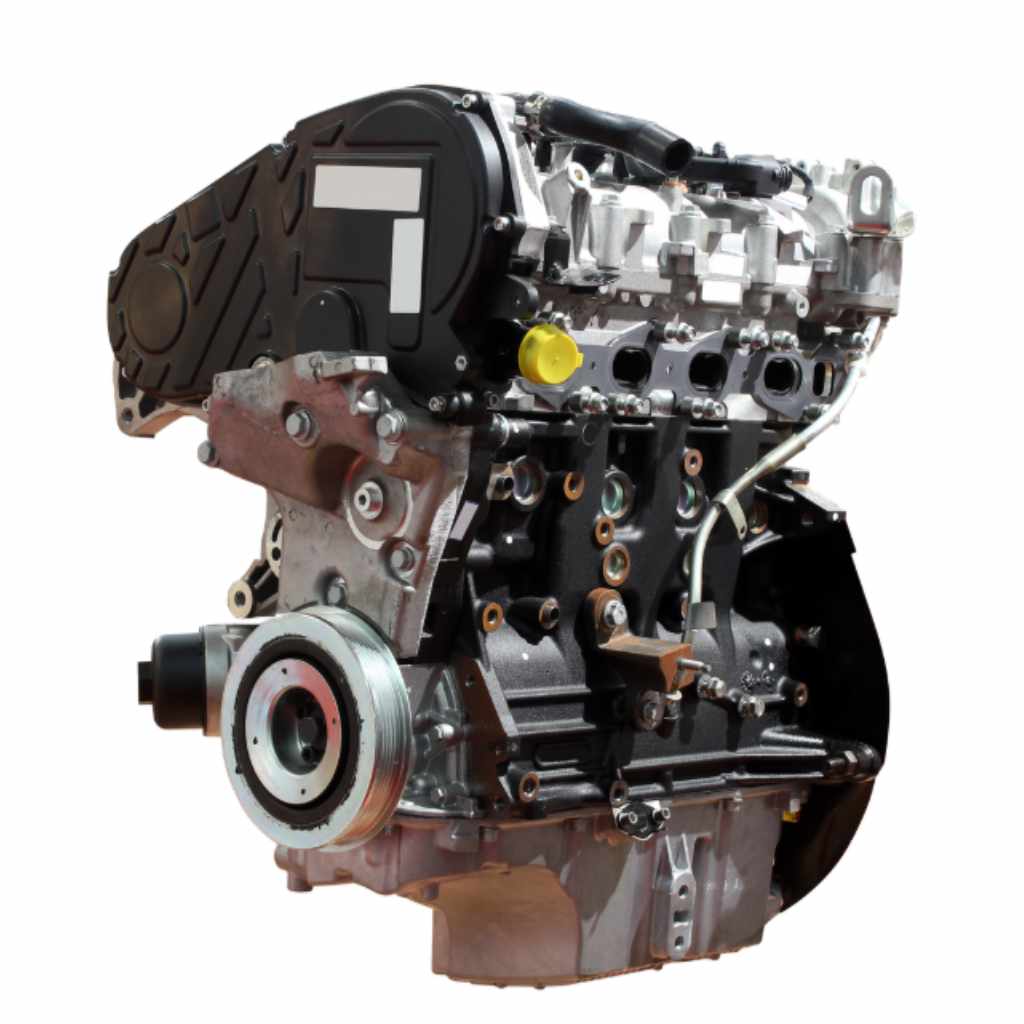
“Check the engine data plate before you order a single part — not the truck brand. I’ve seen shops assume a Kenworth automatically means an MX engine, order MX filters, and have them not fit at all because the truck actually had a PX-7 under the hood.” — a distinction reflected in PACCAR’s own engine data plate identification process described above.
Frequently Asked Questions About PACCAR Engines
FAQ 1: Are PACCAR engines good quality?
Yes, PACCAR engines are highly regarded in the industry, especially for their fuel efficiency and integration with Kenworth and Peterbilt trucks. They are built to the premium standards expected of the PACCAR brands.
FAQ 2: Can I use Cummins parts on a PACCAR MX engine?
Generally, no. While both are heavy-duty diesel engines, the MX series is proprietary. Using a non-approved filter or component could lead to premature failure or void your warranty. Always use PACCAR or specified OEM replacement parts for the MX line.
FAQ 3: Do Peterbilt and Kenworth always use PACCAR engines?
No. While PACCAR strongly promotes its own MX line, these truck manufacturers offer buyers options. You can often order a new Kenworth or Peterbilt with a PACCAR MX, a Cummins engine, or sometimes an engine from another specialized manufacturer, depending on the model and vocational need.
FAQ 4: What is the main difference between the MX-11 and MX-13?
The primary difference is size and displacement. The MX-11 is smaller, lighter, and built for regional tasks where weight savings matter. The MX-13 is larger, offering higher horsepower and torque, making it ideal for heavy, long-haul highway runs.
FAQ 5: How do I know if my truck has a PACCAR engine?
Check the engine data plate located near the valve cover or timing gear cover. If it clearly shows “PACCAR MX-11” or “PACCAR MX-13,” you have a PACCAR-built engine. If it shows “Cummins ISX” or “Detroit Diesel,” it was made by that respective manufacturer.
FAQ 6: Where does PACCAR get its engine components built?
PACCAR manages a global supply chain for parts like castings and specialized components. However, the critical engineering, final assembly, testing, and quality assurance for the MX engines are performed at their dedicated plants, like the major facility in Mississippi.
FAQ 7: Are PACCAR engines made by Cummins?
It depends on the model. The heavy-duty PACCAR MX-11 and MX-13 engines are designed and built in-house by PACCAR, not Cummins. But the medium-duty PACCAR PX-7 and PX-9 engines are actually built by Cummins on the Cummins ISB platform, under a 2006 agreement, and simply carry a PACCAR badge for Kenworth and Peterbilt medium-duty trucks.
Conclusion: Your Confidence in the Powerhouse
We’ve untangled the web around PACCAR engines! You now know that when you see a modern Kenworth or Peterbilt running a PACCAR MX engine, you are looking at a powertrain engineered and assembled specifically by PACCAR’s own technical teams — while a PX-badged medium-duty truck is actually running a Cummins-built engine underneath. This in-house approach on the MX side is designed to deliver the tight integration, specific tuning, and evolving emissions compliance that premium truck owners demand. Curious how other manufacturers structure their engine and ownership relationships? See who owns BMW or which brands GM owns for a similar breakdown on the passenger-vehicle side.
This knowledge is power. Whether you are talking to a mechanic, shopping for parts, or just building confidence in the vehicle you rely on daily, knowing exactly which engine you have — and who really built it — sets you up for success. Keep an eye on those maintenance schedules, use the correct parts for your specific engine, and check that data plate before you assume anything.
Products related to this article
Sponsored / affiliate links. As an Amazon Associate I earn from qualifying purchases. I may earn additional commission from eligible campaigns.