Who Owns The Most Car Companies: Revealed!
Discovering who owns the most car companies is fascinating! It’s not a single person or one company, but rather a few massive global automotive groups that control a surprising number of well-known brands. These powerhouse conglomerates shape the cars we drive, from everyday sedans to luxury sports cars.
Have you ever wondered about the big players behind your favorite car brands? It’s a common question, especially when you see so many different car names on the road. Sometimes, it feels like there are hundreds of car makers! But the truth is, much of the automotive world is controlled by a few huge companies. This can be confusing, but don’t worry! Today, we’re going to break it down in a super simple way, so you’ll know exactly who’s who in the car industry. By the end, you’ll have a clear picture of these automotive giants and the many brands they manage.
Unpacking the Automotive Landscape: What Does “Owning” Mean?
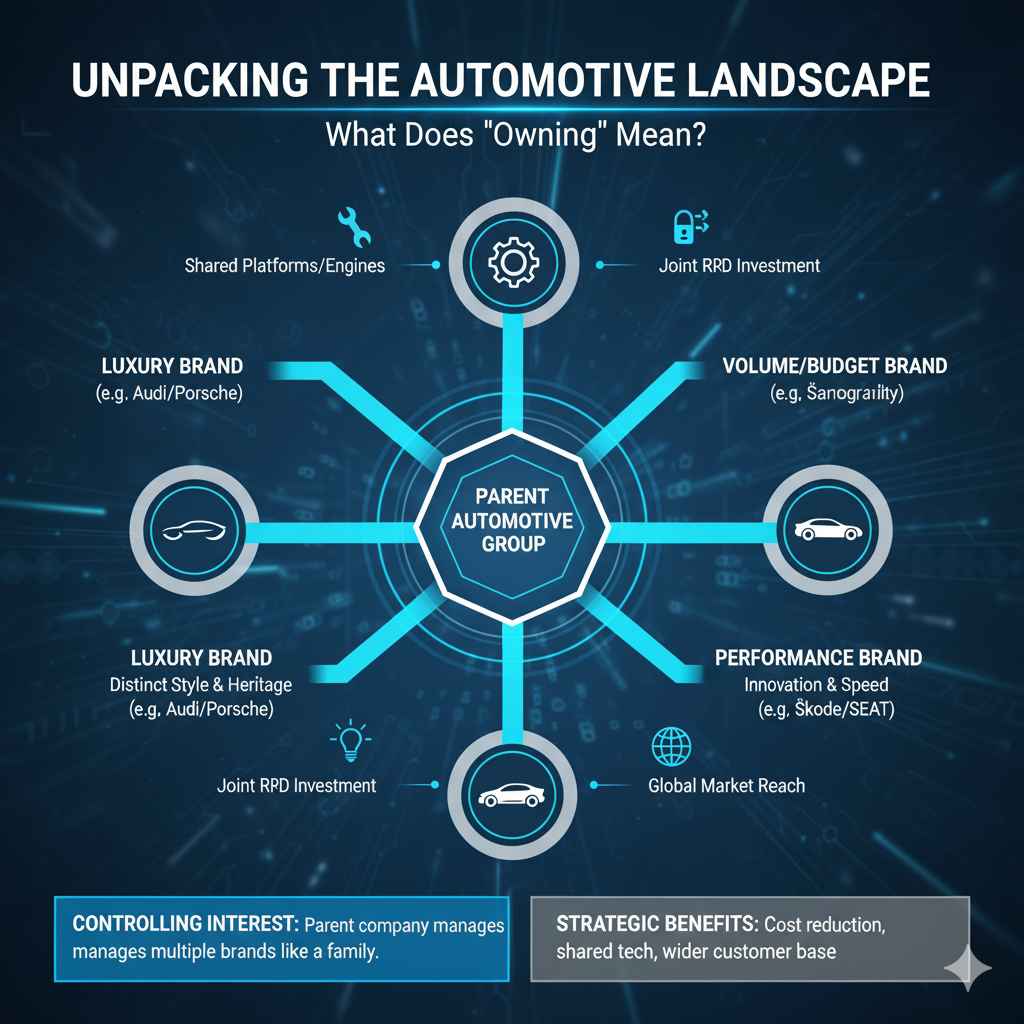
When we talk about who “owns” car companies, it usually means a larger automotive group has controlling interest or full ownership of a particular car brand. Think of it like a big family where one parent company manages several smaller brands, each with its own identity and models. These big groups invest heavily in research, development, manufacturing, and marketing for all the brands under their umbrella. This allows them to share technologies, reduce costs, and reach a wider range of customers.
It’s important to remember that even though a big group owns a brand, that brand often keeps its unique style, heritage, and targeted market. For example, a luxury brand owned by a large conglomerate will still feel distinct from a budget-friendly brand also owned by the same group.
The Titans of the Automotive World: Who Are They?
Several major automotive groups stand out as owning the most car companies. These are global giants with operations and sales all over the world. Let’s take a look at the biggest ones and some of the famous brands they manage.
Volkswagen Group: A Global Powerhouse
The Volkswagen Group is a titan in the automotive industry. Based in Germany, it’s one of the world’s largest automakers by sales volume. They own an impressive portfolio of brands that span from affordable economy cars to high-performance luxury vehicles and even trucks.
Here are some of the key brands under the Volkswagen Group umbrella:
- Volkswagen: The namesake brand, known for reliable and practical vehicles.
- Audi: A premium brand famous for its stylish design and advanced technology.
- Škoda: Offers excellent value with practical and spacious cars.
- SEAT: A Spanish brand known for its sporty and youthful appeal.
- Porsche: A legendary maker of high-performance sports cars and SUVs.
- Bentley: British luxury automaker producing ultra-high-end vehicles.
- Lamborghini: Italian supercar manufacturer known for exotic and powerful machines.
- Bugatti: French manufacturer of exclusive, ultra-luxury hypercars.
- Ducati: A world-renowned motorcycle brand.
- Volkswagen Commercial Vehicles: Produces vans, pickups, and light trucks.
This diverse range shows how the Volkswagen Group caters to almost every type of driver and need in the market.
Toyota Motor Corporation: Reliability and Innovation
Toyota is a name synonymous with reliability, quality, and efficiency. This Japanese multinational automotive manufacturer is consistently one of the top-selling automakers globally. Toyota is known for its conservative yet effective approach to vehicle design and engineering, with a strong focus on hybrid technology.
While Toyota primarily focuses on its core brand, it also owns several other significant marques:
- Toyota: Its flagship brand, offering a vast range of vehicles from compact cars to SUVs and trucks.
- Lexus: Toyota’s premium and luxury division, competing with other high-end brands.
- Daihatsu: A Japanese automaker specializing in small, affordable cars, very popular in Asia.
- Hino: A manufacturer of commercial trucks and buses.
Toyota’s strategy emphasizes long-term durability and fuel efficiency, making its brands popular worldwide.
Stellantis: A Fusion of Strengths
Stellantis is one of the newer giants, formed in 2021 by the merger of Fiat Chrysler Automobiles (FCA) and the PSA Group (Peugeot, Citroën, DS, Opel/Vauxhall). This merger created a massive company with a rich heritage and a wide array of brands from Europe and North America. Stellantis boasts a broad portfolio covering various market segments.
Key brands under Stellantis include:
- Jeep: Iconic brand known for its rugged, go-anywhere SUVs.
- Ram: Focused on pickup trucks and commercial vehicles.
- Chrysler: American brand offering minivans and sedans.
- Dodge: Known for its performance-oriented muscle cars and SUVs.
- Fiat: Italian brand, famous for its compact cars and stylish design.
- Alfa Romeo: Italian luxury brand with a focus on performance and aesthetics.
- Maserati: High-end Italian luxury and sports cars.
- Peugeot: French brand offering a range of stylish and modern vehicles.
- Citroën: French brand known for its innovative and comfortable cars.
- DS Automobiles: A premium sub-brand of Citroën, emphasizing luxury and avant-garde design.
- Opel: German brand, offering practical and well-engineered vehicles.
- Vauxhall: The British counterpart to Opel, sharing many models.
The creation of Stellantis has allowed these brands to leverage shared platforms and technologies, aiming for greater efficiency and innovation.
General Motors (GM): An American Icon
General Motors, or GM, is a historic American automotive manufacturer. For decades, it was the world’s largest automaker and continues to be a major player, particularly in North America and China. GM focuses on a range of brands that appeal to different buyers, from affordable sedans to high-performance trucks and luxury vehicles.
GM’s primary brands include:
- Chevrolet: A very popular brand known for a wide variety of vehicles, including trucks and performance cars.
- GMC: Specializes in trucks, SUVs, and vans, often positioned slightly more premium than Chevrolet.
- Cadillac: GM’s luxury division, competing with other high-end international brands.
- Buick: A mid-tier American brand, often focusing on comfort and refinement, particularly popular in China.
GM has significantly reshaped its brand portfolio over the years, focusing on its most profitable segments.
Ford Motor Company: A Legacy of Innovation
Ford is another iconic American automaker with a long and impactful history, most famous for the assembly line and the Model T. Ford is known for its strong presence in trucks and SUVs, especially in its home market of North America, and is increasingly focusing on electric vehicles.
Ford’s main automotive brands are:
- Ford: The core brand, offering everything from the F-Series trucks to the Mustang sports car and electric models like the Mustang Mach-E.
- Lincoln: Ford’s luxury division, competing in the premium vehicle segment.
Ford has recently streamlined its operations, focusing on its most successful product lines and markets.
Hyundai Motor Group: Growth and Global Reach
The Hyundai Motor Group, based in South Korea, has experienced remarkable growth and has become a significant global force. It includes the Hyundai brand, along with Kia and the luxury Genesis brand. The group is recognized for its competitive pricing, modern designs, and impressive technology, including strong advancements in electric vehicles.
The key brands under this group are:
- Hyundai: A widely popular brand offering a vast range of affordable and well-equipped vehicles.
- Kia: Known for its sporty designs, innovative features, and strong value proposition.
- Genesis: Hyundai’s luxury brand, aiming to compete with established German and Japanese luxury marques.
Hyundai Motor Group has invested heavily in research and development, quickly becoming a leader in areas like hydrogen fuel cell technology and battery electric vehicles. You can learn more about responsible automotive practices on the National Highway Traffic Safety Administration (NHTSA) website, a U.S. government agency dedicated to vehicle safety.
Consolidating Power: Why Do Companies Merge?
The automotive industry is incredibly competitive and capital-intensive. Developing new vehicles, especially with the shift towards electric and autonomous technology, requires massive investment. Mergers and acquisitions are common strategies for companies looking to:
- Reduce Costs: By sharing development, manufacturing platforms, and purchasing power, companies can significantly cut expenses.
- Expand Market Reach: Merging allows companies to enter new geographical markets or reach new customer segments they couldn’t before.
- Share Technology: Especially with the rapid evolution of electric vehicle (EV) technology and autonomous driving systems, sharing R&D is crucial.
- Diversify Product Lines: Owning different brands allows a group to offer a wider variety of vehicles, from budget-friendly to ultra-luxury.
- Gain Economies of Scale: Producing more vehicles generally leads to lower per-unit costs.
This consolidation means that while there are many car brands, there are fewer ultimate owners. It’s a strategic move to stay competitive in a rapidly changing global market.
Beyond the Giants: Other Notable Automakers
While the groups mentioned above own the vast majority of well-known car companies, there are still other significant automotive players that operate independently or as smaller groups:
BMW Group
The BMW Group is a German multinational company that produces luxury vehicles and motorcycles. Its primary brands are:
- BMW: Known for its “Ultimate Driving Machine” slogan, focusing on performance, luxury, and engineering.
- Mini: A British icon known for its small, stylish, and fun-to-drive cars.
- Rolls-Royce: Produces some of the world’s most exclusive and luxurious automobiles.
Mercedes-Benz Group AG
Formerly known as Daimler AG, this German company is renowned for luxury vehicles and vans. Its main automotive brand is:
- Mercedes-Benz: A globally recognized symbol of luxury, performance, and automotive innovation.
- Smart: Produces small, often electric city cars (though its future is evolving).
Honda Motor Co., Ltd.
Honda is a Japanese multinational corporation known for its cars, motorcycles, and power equipment. Its automotive brands are:
- Honda: A popular brand known for reliability, fuel efficiency, and practical designs.
- Acura: Honda’s luxury and performance division.
Geely Holding Group
This Chinese privately held multinational automotive company has acquired several well-known European brands, making it a significant global player. It owns:
- Volvo Cars: Swedish luxury automobile manufacturer.
- Lotus: British manufacturer of sports cars and lightweight performance vehicles.
- Polestar: A performance electric vehicle brand spun off from Volvo.
- Geely Auto: Its own Chinese domestic brand.
- Zeekr: A premium electric vehicle brand targeting younger consumers.
- Lynk & Co: A joint venture brand with Volvo, targeting urban dwellers.
Geely’s aggressive expansion strategy has made it one of the most interesting automotive groups to watch.
Renault-Nissan-Mitsubishi Alliance
This is a unique strategic partnership rather than a single owning entity, but it represents a massive collaboration that shares resources and technologies among three distinct automakers. While they maintain separate brands and headquarters, the alliance allows for significant synergy.
- Renault: French automaker known for a wide range of vehicles and innovative designs.
- Nissan: Japanese automaker with popular models like the Altima and the electric Leaf.
- Mitsubishi: Japanese automaker known for its SUVs and trucks like the Outlander and L200.
This alliance allows these companies to share development costs and engineering expertise, making them a formidable force in the global market.
The Role of Holding Companies and Private Equity
It’s also worth mentioning that sometimes, shares or entire companies can be owned by larger holding companies or private equity firms. These entities might not be directly involved in the day-to-day management of car manufacturing but hold significant financial stakes. This adds another layer of complexity when trying to determine ultimate ownership. For instance, companies like Investindustrial have made significant investments in the automotive sector.
Table: Major Automotive Groups and Their Brands
Here’s a quick look at some of the largest automotive groups and a selection of the brands they own. This isn’t exhaustive, as some groups own many more specialized or regional brands.
| Automotive Group | Key Brands Owned | Country of Origin |
|---|---|---|
| Volkswagen Group | Volkswagen, Audi, Porsche, Škoda, SEAT, Bentley, Lamborghini, Bugatti | Germany |
| Toyota Motor Corporation | Toyota, Lexus, Daihatsu | Japan |
| Stellantis | Jeep, Ram, Chrysler, Dodge, Fiat, Alfa Romeo, Maserati, Peugeot, Citroën, Opel, Vauxhall | Netherlands (formed by merger of Italian-American & Franco-German companies) |
| General Motors (GM) | Chevrolet, GMC, Cadillac, Buick | USA |
| Ford Motor Company | Ford, Lincoln | USA |
| Hyundai Motor Group | Hyundai, Kia, Genesis | South Korea |
| BMW Group | BMW, Mini, Rolls-Royce | Germany |
| Mercedes-Benz Group AG | Mercedes-Benz, Smart | Germany |
| Geely Holding Group | Volvo Cars, Lotus, Polestar, Geely Auto | China |
What This Means for You as a Car Owner
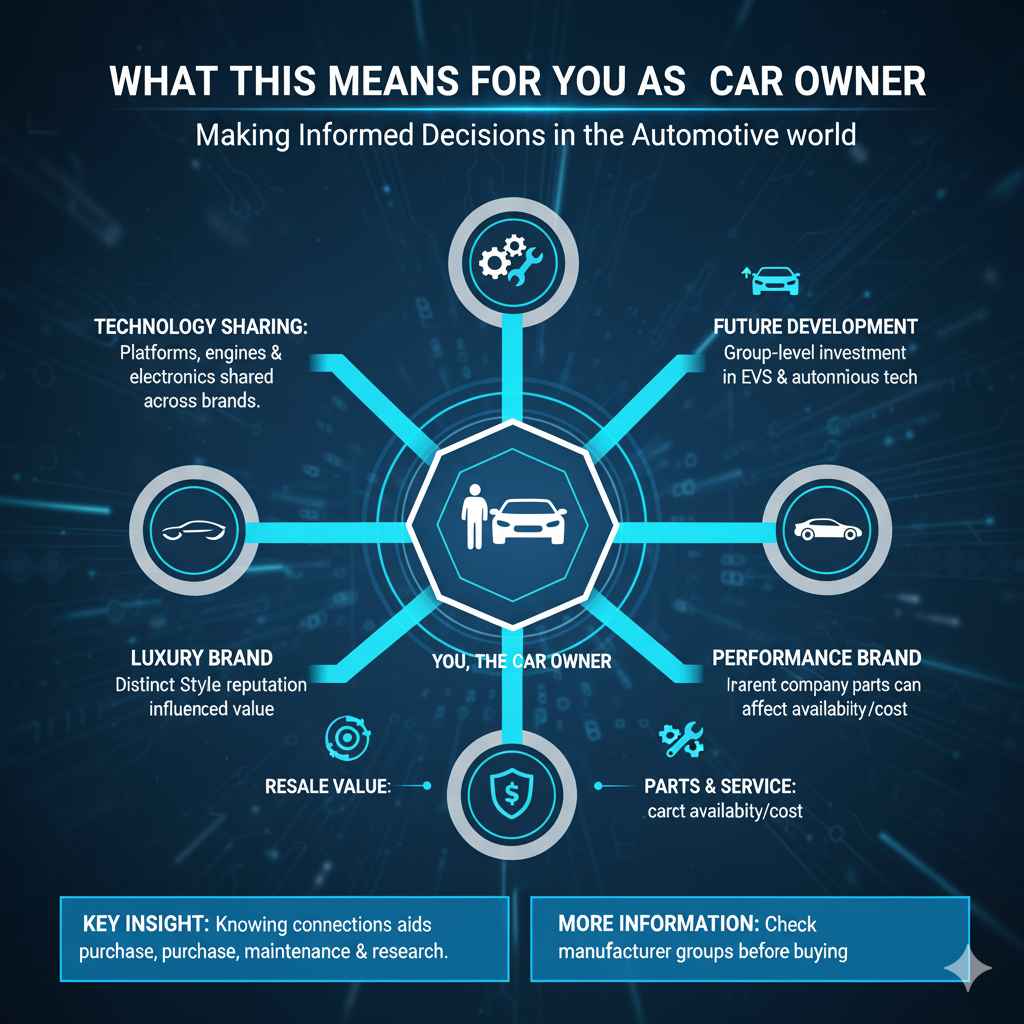
Understanding who owns which car companies might seem like trivia, but it can influence your car ownership experience in several ways:
- Technology Sharing: When brands are owned by the same group, they often share platforms, engines, and electronic systems. This means a feature or technology found in one brand might also appear in others, sometimes at a lower price point.
- Future Development: Major investments in areas like electric vehicles or autonomous driving are often made at the group level. This can signal the future direction for all the brands under that umbrella.
- Resale Value: The reputation and stability of the parent company can indirectly influence the perceived value and reliability of a brand’s vehicles over time.
- Parts and Service: While you buy a specific brand, sometimes parts are interchangeable with other brands from the same group, which can sometimes affect availability or cost of repairs.
Knowing these connections can help you make more informed decisions when buying a new car, maintaining your current one, or even researching future models.
Frequently Asked Questions (FAQ)
Q1: Is it possible for one person to own the most car companies?
Generally, no. The automotive industry is dominated by large multinational corporations and holding groups, not individual billionaires. While some individuals might have significant stakes or founding roles, the ownership of major car companies is spread across shareholders and corporate entities.
Q2: Are independent car manufacturers still common?
Fewer than in the past. While brands like Tesla, Mazda, and Subaru operate with a degree of independence or as smaller, focused groups, the trend is towards consolidation. Many smaller or niche manufacturers may be acquired or partner with larger entities to survive and thrive.
Q3: Does the owner of a car company determine its quality?
The parent company guides strategy, investment, and technology development, which certainly impacts quality. However, each brand typically maintains its own engineering, design, and quality control departments to preserve its unique identity and standards. The parent group’s resources can also enhance a brand’s ability to invest in higher quality materials and advanced testing.
Q4: What makes a car company a “massive” owner?
A “massive” owner refers to a large automotive group that controls multiple well-known car brands. These groups typically have vast global operations, significant annual sales figures, and a substantial market share across various segments. They are the major conglomerates that shape the automotive industry.